
The stock market, often seen as a barometer of economic health and corporate performance, is a complex and dynamic ecosystem. Its daily movements captivate millions, influencing investment strategies, retirement plans, and even everyday consumer confidence. For many, the question “what is happening to the stock market today?” isn’t just a query about numbers on a screen; it’s a fundamental concern about their financial well-being and the broader economic landscape. Today, as ever, the market is a confluence of myriad forces – economic data, corporate earnings, geopolitical developments, technological shifts, and investor sentiment – all interacting to create a rich tapestry of opportunities and challenges. Understanding these underlying currents is crucial for any investor seeking to navigate its unpredictable waters.
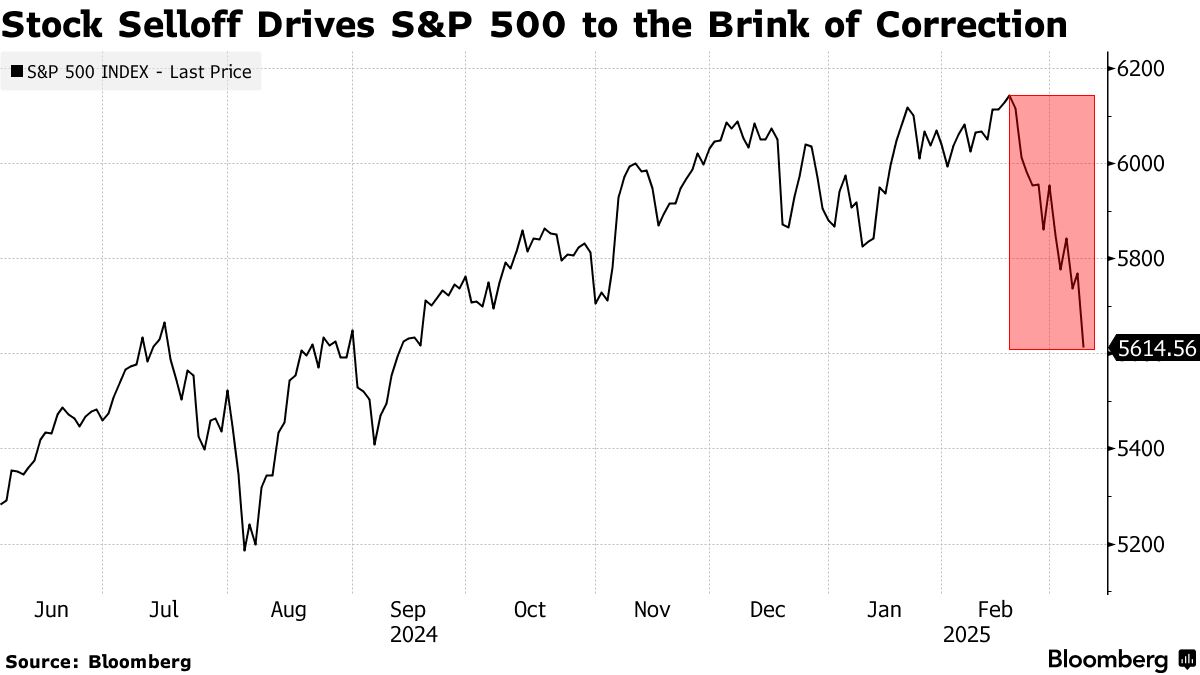
Understanding Market Volatility: Key Drivers Today
The stock market rarely moves in a straight line, and periods of heightened volatility are a common feature. Today’s market movements are a direct reflection of several powerful drivers, each contributing to the overall sentiment and direction. Discerning these factors is the first step toward making informed financial decisions.
Macroeconomic Headwinds: Inflation and Interest Rates
Perhaps the most significant overarching factor influencing the stock market today is the macroeconomic environment, particularly concerning inflation and interest rates. For a considerable period, global economies benefited from low interest rates and relatively stable inflation, which provided a fertile ground for corporate growth and investor enthusiasm. However, recent years have seen a dramatic shift. Stubbornly high inflation, fueled by supply chain disruptions, robust consumer demand, and geopolitical events, has prompted central banks worldwide to adopt a more hawkish stance.
Interest rate hikes, while necessary to combat inflation, directly impact the cost of borrowing for businesses and consumers. Higher borrowing costs can dampen corporate expansion plans, reduce consumer spending, and make it more expensive to finance existing debt. For investors, rising rates make bonds and other fixed-income assets more attractive relative to stocks, as they offer a higher guaranteed return. This can lead to a rotation of capital out of equities, particularly growth stocks whose valuations are often predicated on future earnings discounted at a lower rate. The ongoing dance between inflation data, central bank policy statements, and market expectations remains a primary driver of daily market fluctuations.
Geopolitical Tensions and Global Events
Beyond pure economics, the stock market is highly sensitive to geopolitical tensions and significant global events. Conflicts, trade disputes, political instability in major economies, and even natural disasters can send ripples across financial markets. These events introduce an element of uncertainty that investors inherently dislike. They can disrupt supply chains, impact commodity prices (such as oil and gas), and alter global trade relationships, all of which have direct implications for corporate profitability and economic growth.
For example, regional conflicts can drive up energy costs, affecting transport, manufacturing, and consumer prices globally. Trade disputes can lead to tariffs, impacting the profitability of multinational corporations and shifting production bases. The interconnectedness of the global economy means that an event in one corner of the world can quickly cascade, influencing investor confidence and asset prices far beyond its immediate vicinity. Monitoring these global developments is therefore an integral part of understanding daily market sentiment.
Corporate Earnings and Sector-Specific Performance
While macroeconomic and geopolitical factors set the broader stage, corporate earnings reports and company-specific news are the granular details that drive individual stock prices and sector performance. Every quarter, publicly traded companies release their financial results, offering insights into their revenue, profitability, and future outlook. Strong earnings, especially those that beat analyst expectations, can propel a stock higher, while disappointing results can lead to sharp declines.
Beyond individual companies, sector-specific trends are also vital. Technology, healthcare, energy, consumer staples, and financial sectors often move in different directions based on their unique drivers. For instance, rising interest rates might benefit financial institutions but could pose challenges for highly leveraged tech companies. A surge in oil prices will boost energy companies but might weigh on airlines. Investors are constantly analyzing these sector rotations, seeking to identify areas of strength and avoid those facing headwinds. The cumulative effect of these individual and sectoral movements ultimately shapes the broader market indices.
Recent Market Performance & Trends
To understand “what is happening” today, it’s essential to look at the recent trajectory of major market indices and identify prevailing trends. This gives context to daily movements and helps distinguish noise from significant shifts.
Major Indices Overview: S&P 500, Dow, and Nasdaq
The three most closely watched U.S. stock market indices—the S&P 500, the Dow Jones Industrial Average (DJIA), and the Nasdaq Composite—each offer a unique lens into market performance. The S&P 500, comprising 500 large-cap U.S. companies, is widely considered the best gauge of broad market health due to its diversification across sectors. The Dow Jones Industrial Average, with its 30 large, well-established “blue-chip” companies, represents a narrower but influential segment of the market. The Nasdaq Composite, heavily weighted towards technology and growth companies, is often seen as an indicator of investor appetite for risk and innovation.
In recent periods, we’ve observed periods of significant divergence and convergence among these indices. When interest rates are rising, the Nasdaq, with its growth-stock focus, tends to be more volatile and potentially underperform the more value-oriented Dow. Conversely, in periods of robust economic growth and technological optimism, Nasdaq can lead the charge. Keeping an eye on the relative performance of these indices helps reveal what segments of the economy are driving or dragging the market. Today’s snapshot involves looking at whether these indices are reflecting widespread confidence, sector-specific rallies, or broad-based apprehension, typically indicated by whether they are trading up or down and by how much.
Sectoral Shifts and Investment Hotspots
The stock market is a dynamic arena where capital constantly flows from one sector to another, chasing growth, value, or safety. These “sectoral shifts” are critical trends for investors to monitor. For instance, during inflationary periods, sectors like energy, materials, and consumer staples often perform relatively well, as their products are essential and their pricing power can help them pass on higher costs. Conversely, high-growth, technology-driven sectors might face headwinds as higher interest rates make future earnings less valuable and shift investor preference towards current profitability.
Currently, we might observe increased interest in defensive sectors (utilities, healthcare, consumer staples) if market uncertainty is high, or a renewed focus on technology and innovation if investor sentiment turns more optimistic, perhaps on hopes of future rate cuts. Identifying these hotspots – sectors attracting significant capital inflow due to favorable economic conditions, technological breakthroughs, or strong earnings outlooks – is key to understanding where potential growth lies today. Conversely, understanding which sectors are seeing outflows due to adverse conditions can help mitigate risk.
The Role of AI and Technology Stocks
While specific to the “Tech” category in a broader sense, the investment implications of Artificial Intelligence (AI) and technology stocks are a significant “Money” topic today. The rapid advancements in AI have created a distinct investment theme, leading to massive rallies in companies perceived to be leaders in this space. This phenomenon has created both opportunities and risks. On one hand, companies developing or heavily utilizing AI could see exponential growth, offering attractive returns for investors. On the other hand, valuations for some of these companies have soared, raising concerns about potential bubbles and unsustainable growth expectations.

The performance of a handful of mega-cap technology companies, often referred to as “Magnificent Seven” or similar groupings, can disproportionately influence major indices like the S&P 500 and Nasdaq. Their strong performance can mask weaknesses in other parts of the market, while any significant pullback from these giants can trigger broader market corrections. Understanding the current sentiment and fundamental drivers behind the AI and broader technology sector is crucial for grasping today’s market dynamics, as it represents a significant portion of market capitalization and investor attention.
Navigating Uncertainty: Strategies for Investors
In a market characterized by constant change and frequent uncertainty, a clear-headed approach to investing is paramount. Reacting impulsively to daily headlines can often lead to poor decisions. Instead, adopting robust strategies can help investors weather storms and capitalize on long-term growth.
Long-Term Perspective vs. Short-Term Noise
One of the most valuable strategies is to maintain a long-term perspective. The stock market, over extended periods (decades), has historically trended upwards, rewarding patient investors. Daily fluctuations, while anxiety-inducing, are often just “noise” when viewed through a multi-year or multi-decade lens. Investors focused on building wealth for retirement, a child’s education, or other distant goals should resist the temptation to panic sell during downturns or chase every hot trend. A long-term outlook helps investors remain disciplined, sticking to their investment plan through various market cycles, knowing that temporary setbacks are often part of the journey to compounded returns. Emotional decision-making, driven by daily headlines, is a common pitfall.
Diversification and Risk Management
Diversification is the cornerstone of sound investment strategy, especially in today’s unpredictable market. It involves spreading investments across different asset classes (stocks, bonds, real estate, commodities), various sectors, industries, and geographies. The principle behind diversification is that not all investments will perform poorly at the same time. When one segment of the portfolio is underperforming, another might be doing well, helping to balance overall returns and reduce risk.
Effective risk management also includes aligning investments with an individual’s risk tolerance. Understanding how much volatility one can comfortably endure is crucial. This might involve allocating a larger portion to less volatile assets like bonds for conservative investors, or maintaining a higher equity exposure for those with a greater appetite for risk and a longer investment horizon. Regularly reviewing and adjusting one’s asset allocation to match personal circumstances and market conditions is a key component of prudent risk management.
The Importance of Rebalancing and Dollar-Cost Averaging
Two practical strategies that complement a long-term, diversified approach are rebalancing and dollar-cost averaging. Rebalancing involves periodically adjusting a portfolio back to its original target asset allocation. For example, if stocks have performed exceptionally well, they might now constitute a larger percentage of your portfolio than initially intended. Rebalancing would mean selling some stocks and buying other assets (like bonds) to restore the desired proportions. This strategy helps to automatically “buy low and sell high” and ensures the portfolio’s risk level remains consistent with the investor’s objectives.
Dollar-cost averaging (DCA) is a strategy where an investor invests a fixed amount of money at regular intervals, regardless of the asset’s price. For example, investing $100 every month into a specific fund. When the market is down, your fixed sum buys more shares; when it’s up, it buys fewer. Over time, this averages out the purchase price, reducing the risk of buying a large amount at a market peak. DCA is particularly effective for long-term investors contributing to retirement accounts or savings plans, as it removes the emotion of trying to time the market and instills disciplined investing habits.
The Impact on Personal Finance and Future Outlook
What happens in the stock market today has direct implications for individuals’ personal finances and shapes the future outlook for wealth building. Understanding these connections is vital for all individuals, not just professional investors.
Retirement Accounts and Savings
For most individuals, their primary exposure to the stock market comes through retirement accounts like 401(k)s, IRAs, and other pension funds. These accounts are often invested in a diversified mix of stocks and bonds, and their value fluctuates with market performance. A strong market can significantly boost retirement savings, bringing financial independence closer. Conversely, prolonged downturns can erode these savings, potentially delaying retirement plans or requiring increased contributions.
It’s crucial for individuals to regularly review their retirement account statements, understand the underlying investments, and ensure their asset allocation remains appropriate for their age and risk tolerance. While daily market movements shouldn’t trigger panic, being aware of broader trends helps in making informed decisions about contribution levels and investment choices, particularly as one approaches retirement age. The goal is to ensure that personal financial goals remain on track despite market volatility.
Opportunities Amidst Challenges
While market downturns can be unsettling, they also present significant opportunities for long-term investors. Corrections or bear markets, while painful in the short term, allow investors to buy quality assets at lower prices. This is akin to a “sale” in the market, where future returns can be significantly enhanced by investing during periods of undervaluation. Historically, some of the best returns have been generated by those who had the courage and foresight to invest during market lows.
Successful investors often view volatility not just as a risk, but as a chance to rebalance their portfolios, increase contributions to undervalued assets, or initiate positions in companies they believe have strong long-term prospects. This contrarian approach, though challenging emotionally, can be highly rewarding. It underscores the importance of having an emergency fund and sufficient liquidity, so one is not forced to sell investments during a downturn and can instead capitalize on opportunities.
Expert Predictions and Market Sentiment
Predicting the stock market’s exact movements, especially in the short term, is notoriously difficult, even for seasoned professionals. However, listening to expert analysis and understanding overall market sentiment can provide valuable context. Economists, strategists, and fund managers offer insights based on their interpretation of economic data, corporate fundamentals, and geopolitical events. While their predictions are not infallible, they contribute to the collective market sentiment – whether it’s broadly optimistic, pessimistic, or uncertain.
Market sentiment itself is a powerful force. If investors are broadly optimistic, they are more likely to buy, driving prices up. Conversely, widespread fear or pessimism can lead to selling frenzies. Indicators like the CBOE Volatility Index (VIX), often called the “fear index,” reflect market expectations of future volatility and are a gauge of investor sentiment. Staying informed about these perspectives and understanding the prevailing sentiment can help investors contextualize daily movements and avoid being swayed by herd mentality, fostering a more independent and rational investment approach.
Conclusion
The stock market today, like every day, is a complex interplay of forces. From the broad strokes of macroeconomic policy and global events to the fine details of corporate earnings and technological advancements, countless factors contribute to its daily pulse. While short-term volatility can be unnerving, a clear understanding of these drivers, coupled with a disciplined, long-term investment strategy, is the most effective way for individuals to navigate its landscape. By focusing on diversification, consistent investing, and maintaining a rational perspective, investors can move beyond simply asking “what is happening to the stock market today?” to actively shaping their financial future, turning daily fluctuations into steps towards long-term wealth creation.
aViewFromTheCave is a participant in the Amazon Services LLC Associates Program, an affiliate advertising program designed to provide a means for sites to earn advertising fees by advertising and linking to Amazon.com. Amazon, the Amazon logo, AmazonSupply, and the AmazonSupply logo are trademarks of Amazon.com, Inc. or its affiliates. As an Amazon Associate we earn affiliate commissions from qualifying purchases.