
The global financial landscape is a complex, ever-evolving ecosystem, constantly shaped by a confluence of economic indicators, geopolitical shifts, technological advancements, and shifting investor sentiment. To understand “how the market today” means dissecting these multifaceted layers, identifying the dominant forces at play, and discerning both the immediate challenges and the long-term opportunities they present. In the current environment, investors, businesses, and individuals alike are grappling with a market characterized by both volatility and resilience, demanding a nuanced approach to financial planning and wealth management.
Navigating the Current Economic Landscape
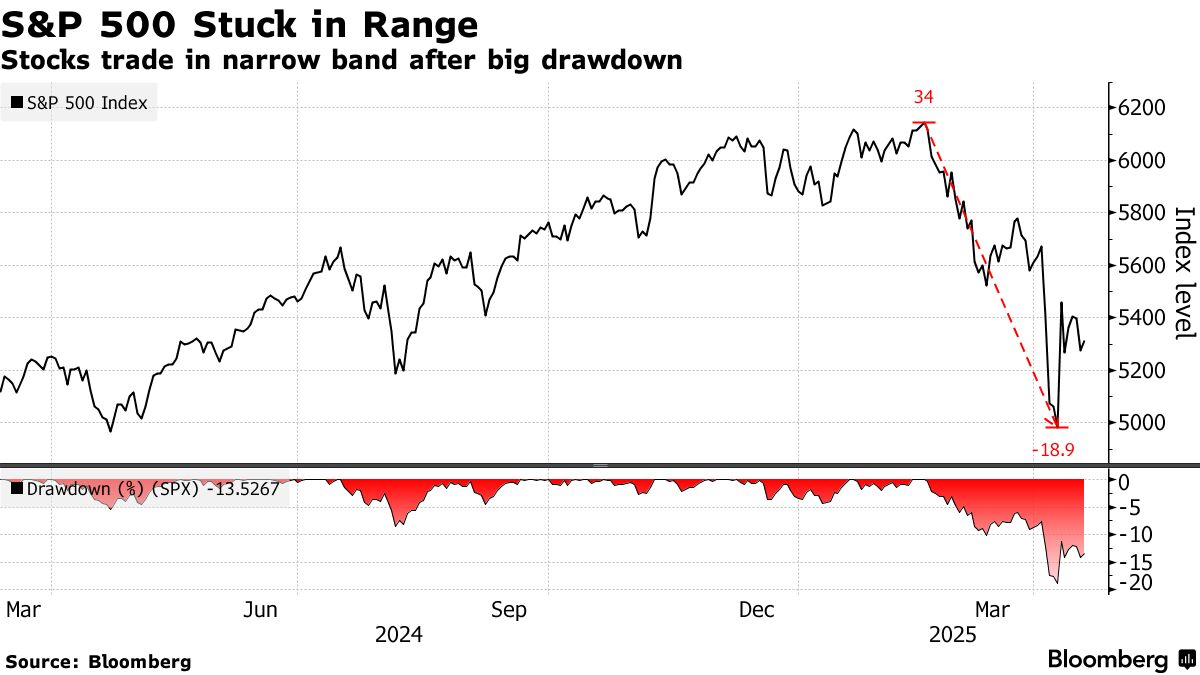
The market today operates within an economic backdrop significantly altered from just a few years ago. The post-pandemic recovery, initially robust, has given way to a more complex scenario dominated by persistent inflation and aggressive monetary policy tightening. Understanding these foundational elements is crucial for anyone engaging with financial markets.
Inflationary Pressures and Central Bank Responses
One of the most defining characteristics of the current market is the elevated level of inflation experienced across major economies. Supply chain disruptions, increased consumer demand fueled by fiscal stimulus, and geopolitical conflicts have all contributed to price surges in everything from energy and food to consumer goods and services. This widespread inflation has eroded purchasing power and introduced significant uncertainty into economic forecasts.
In response, central banks worldwide, most notably the U.S. Federal Reserve, the European Central Bank, and the Bank of England, have embarked on aggressive interest rate hiking cycles. Their primary objective is to cool down overheated economies and bring inflation back to their target levels, typically around 2%. This shift from an era of historically low-interest rates and quantitative easing to one of significant tightening marks a pivotal turning point for the market. Higher interest rates make borrowing more expensive for businesses and consumers, which can slow economic activity but is intended to curb inflationary pressures.
Interest Rate Hikes and Their Impact
The rapid succession of interest rate increases has sent ripples through virtually every segment of the financial market. For fixed-income investors, higher rates have led to declines in bond prices, as newly issued bonds offer more attractive yields. However, they also present an opportunity for investors to lock in higher returns on new bond purchases.
For equity markets, higher interest rates translate to a higher cost of capital for companies, potentially compressing profit margins and making future earnings less valuable when discounted back to the present. Growth stocks, particularly those of companies that rely heavily on future earnings projections, tend to be more sensitive to rising rates. Conversely, value stocks and companies with strong current cash flows might exhibit greater resilience.
The housing market has also felt the immediate impact, with mortgage rates rising sharply, dampening demand and cooling what was previously a red-hot real estate sector in many regions. Savers, on the other hand, have seen some relief, with higher interest rates translating to better returns on savings accounts and certificates of deposit (CDs), though these gains often still lag behind the rate of inflation.
Global Geopolitical Influences
Beyond economic indicators, geopolitical events continue to exert a powerful influence on market dynamics. The ongoing conflict in Ukraine has dramatically altered global energy markets, exacerbating inflationary pressures and leading to significant price volatility. It has also prompted a reevaluation of supply chains and trade relationships, with countries increasingly seeking to diversify their sources of critical goods and resources.
Tensions between major global powers, particularly concerning trade and technological dominance, also create uncertainty. These geopolitical considerations can lead to sector-specific impacts, such as increased investment in defense or a shift away from certain supply chain dependencies, and can trigger broader market corrections based on perceived risks to global stability and economic cooperation.
Key Trends Shaping Investment Strategies
In the face of these economic and geopolitical shifts, several key trends are emerging that redefine how investors approach their portfolios. Adaptability and a forward-looking perspective are paramount to success in today’s dynamic market.
The Tech Sector’s Resilience and Rebalancing
For over a decade, the technology sector was the undisputed leader of market growth. While it experienced a significant correction in the early phases of interest rate hikes, its long-term trajectory remains compelling. Today’s market is seeing a rebalancing within tech, moving away from purely speculative growth plays towards companies with strong fundamentals, proven profitability, and sustainable business models. Artificial intelligence (AI), cloud computing, cybersecurity, and advanced semiconductors continue to be areas of significant innovation and investment. The focus has shifted from hyper-growth at any cost to profitable growth and efficient capital deployment.
Rise of Sustainable Investing (ESG)
Environmental, Social, and Governance (ESG) investing is no longer a niche strategy but a mainstream consideration for many investors. A growing body of evidence suggests that companies with strong ESG practices tend to exhibit better long-term financial performance and lower risk profiles. This trend is driven by increased awareness of climate change, social inequality, and corporate responsibility, as well as regulatory pressures and evolving consumer preferences. Investors are increasingly seeking out funds and companies that align with their values while also delivering competitive returns. ESG integration involves evaluating a company’s impact on the environment, its treatment of employees and communities, and the transparency and accountability of its leadership.
Emerging Markets Dynamics
Emerging markets (EMs) present a mixed bag of opportunities and risks in the current environment. While some EM economies are grappling with high inflation, currency depreciation against a strong U.S. dollar, and political instability, others benefit from favorable demographics, robust domestic demand, and diversified economic bases. A strong U.S. dollar typically makes dollar-denominated debt more expensive for EM governments and companies, and can trigger capital outflows. However, selective investment in emerging markets that demonstrate strong governance, sound fiscal policies, and strategic growth sectors can offer diversification and higher growth potential than developed markets in the long run. The re-opening of China and its economic policies remain a significant factor for the broader EM landscape.
The Allure of Alternative Assets
As traditional asset classes face headwinds from inflation and rising interest rates, investors are increasingly exploring alternative assets for diversification and potential inflation hedging. These include private equity, venture capital, real estate (both private and public REITs), infrastructure, commodities, and even digital assets like cryptocurrencies. While alternatives often come with higher illiquidity and complexity, they can offer uncorrelated returns to traditional stocks and bonds, and some, like commodities, can provide a hedge against inflation. However, due diligence and an understanding of the specific risks associated with each alternative asset class are crucial.
Opportunities and Risks for Investors
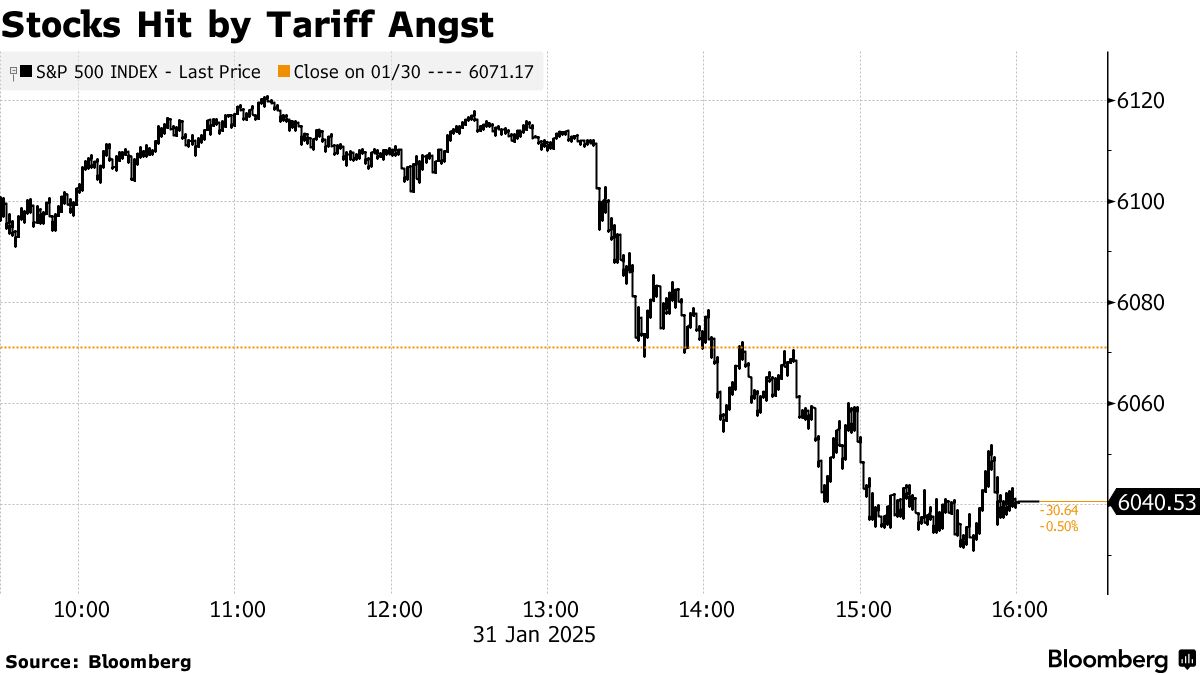
The current market environment, though challenging, is replete with both potential pitfalls and unique opportunities for those who are prepared and strategic.
Identifying Value in Volatility
Market volatility, while often unsettling, can create opportunities for long-term investors. Sharp corrections can lead to oversold conditions and allow investors to acquire high-quality assets at more attractive valuations. Companies with strong balance sheets, consistent earnings, and competitive advantages that are temporarily undervalued due to broader market sentiment present compelling investment prospects. This requires a disciplined approach, focusing on fundamental analysis rather than succumbing to short-term market noise. Dollar-cost averaging, investing a fixed amount regularly regardless of market fluctuations, is a strategy that can capitalize on volatility by buying more shares when prices are low.
Hedging Against Inflation
With inflation remaining a significant concern, strategies to protect purchasing power are critical. Real assets such as real estate, commodities (e.g., gold, oil, agricultural products), and inflation-indexed bonds (like TIPS in the U.S.) are often considered effective hedges. Companies with strong pricing power—those that can pass on higher costs to consumers without significant loss of demand—also tend to perform better in inflationary environments. Diversification across various asset classes, including those traditionally less correlated with inflation, is key to building a resilient portfolio.
Managing Portfolio Diversification
The age-old wisdom of diversification remains more relevant than ever. Spreading investments across different asset classes (stocks, bonds, real estate, commodities), geographies, industries, and company sizes helps mitigate risk. A well-diversified portfolio is less susceptible to sharp declines in any single asset class or sector. In today’s market, this also means considering international diversification, as different regions may be at different points in their economic cycles, offering varying opportunities. Rebalancing a portfolio periodically to maintain the desired asset allocation is also crucial, ensuring that one doesn’t become overexposed to outperforming assets or underexposed to underperforming ones.
The Specter of Recession
A persistent risk looming over the market is the possibility of a recession. As central banks raise interest rates to combat inflation, there’s a delicate balance between cooling the economy and pushing it into a downturn. A recession would typically involve a period of significant economic contraction, rising unemployment, and potential corporate earnings decline, leading to further pressure on equity markets. Investors should assess their risk tolerance and ensure their portfolios are structured to withstand a potential economic downturn. This might involve holding a higher allocation to cash or defensive assets, or investing in companies that historically perform well during recessions, such as consumer staples or utilities.
Personal Finance in an Evolving Market
For individuals, understanding “how the market today” impacts personal finance is paramount. The current environment necessitates a proactive and adaptive approach to budgeting, saving, and debt management.
Budgeting and Debt Management in High-Rate Environments
Rising interest rates make borrowing more expensive, which can significantly impact personal budgets, especially for those with variable-rate debt like certain credit cards or adjustable-rate mortgages. It’s crucial to meticulously review budgets, identify areas for cost reduction, and prioritize paying down high-interest debt. Consolidating debt or refinancing fixed-rate loans at lower rates (if available) before further rate hikes can also be prudent. For new loans, understanding the total cost of borrowing over the life of the loan is more important than ever.
Optimizing Savings and Emergency Funds
While debt management is critical, so too is bolstering savings. The silver lining of higher interest rates is that savings accounts, money market accounts, and certificates of deposit (CDs) are offering better returns than they have in years. Individuals should seek out accounts that offer competitive rates to maximize the growth of their emergency funds and short-term savings. An adequate emergency fund, typically covering 3-6 months of living expenses, is a non-negotiable financial safety net, especially in an uncertain economic climate.
Retirement Planning Adjustments
For those planning for retirement, the current market presents both challenges and opportunities. Market downturns can be unsettling, but for younger investors, they represent a chance to buy into investment funds at lower prices through regular contributions. For those nearing or in retirement, it’s vital to reassess portfolio risk and ensure allocations are appropriate for their time horizon and income needs. Diversification and a balanced approach become even more critical to protect against significant drawdowns close to retirement. Consulting with a financial advisor can help tailor strategies to individual circumstances, potentially adjusting asset allocation or income withdrawal strategies in light of market realities.
Looking Ahead: Expert Perspectives and Future Outlook
Predicting the market’s exact trajectory is a fool’s errand, but discerning major themes and potential catalysts offers valuable insight. The consensus among many financial experts points towards a period of continued volatility, but also potential for long-term growth driven by innovation and adaptability.
Technological Disruption in Finance
Beyond specific tech stocks, technology continues to reshape the financial industry itself. Fintech innovations are making financial services more accessible, efficient, and personalized. Blockchain technology, artificial intelligence in financial analysis, and advanced data analytics are driving new forms of investment, risk management, and consumer engagement. Investors should remain aware of these transformative forces, as they can create new investment opportunities and change the competitive landscape for established financial institutions.
Policy Implications and Regulatory Changes
Government policies and regulatory frameworks will play a crucial role in shaping the future market. Decisions regarding fiscal spending, taxation, trade agreements, and environmental regulations can significantly impact corporate profitability, consumer behavior, and investor confidence. The ongoing debate around cryptocurrency regulation, for instance, will determine the future integration of digital assets into mainstream finance. Staying informed about these policy developments is essential for understanding potential shifts in market dynamics.
Long-Term Growth Vectors
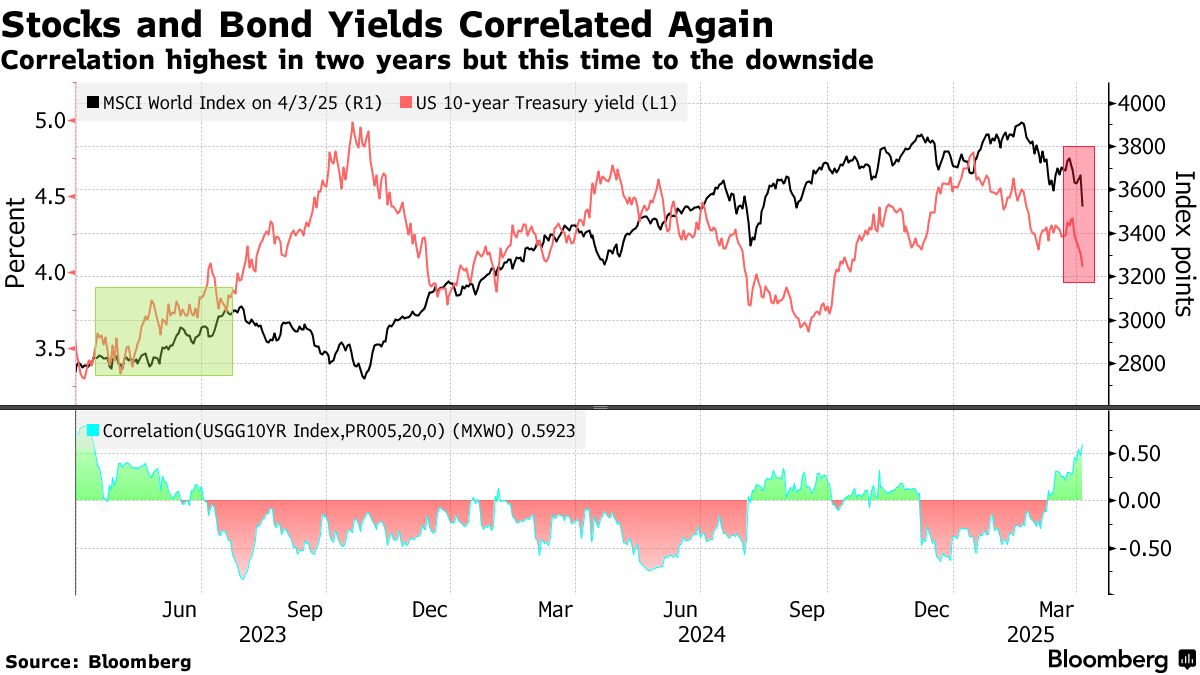
Despite the immediate challenges, several long-term growth vectors remain robust. The global push for renewable energy and sustainable solutions will continue to drive investment in green technologies and infrastructure. Emerging markets, with their large populations and growing middle classes, will likely remain a significant source of long-term economic expansion. Healthcare innovation, driven by demographic shifts and scientific breakthroughs, also presents a durable growth theme. Identifying and investing in companies and sectors aligned with these enduring trends can provide a pathway to sustained returns beyond the current market noise.
In conclusion, “how the market today” is a question with no simple answer. It is a mosaic of intricate economic forces, technological advancements, geopolitical tensions, and individual financial decisions. While the current environment demands prudence, adaptability, and a solid understanding of fundamental principles, it also presents distinct opportunities for those willing to learn, diversify, and maintain a long-term perspective. Navigating this complexity successfully requires a commitment to continuous learning, strategic planning, and a calm demeanor amidst the inevitable fluctuations.
aViewFromTheCave is a participant in the Amazon Services LLC Associates Program, an affiliate advertising program designed to provide a means for sites to earn advertising fees by advertising and linking to Amazon.com. Amazon, the Amazon logo, AmazonSupply, and the AmazonSupply logo are trademarks of Amazon.com, Inc. or its affiliates. As an Amazon Associate we earn affiliate commissions from qualifying purchases.