
The world of stock trading is often perceived as operating within standard business hours, typically from 9:30 AM to 4:00 PM Eastern Time. However, savvy investors and active traders know that the financial markets are far more dynamic, offering opportunities and challenges well beyond these conventional windows. One crucial period for market participants is pre-market trading, a session that often sets the tone for the day’s regular trading and allows for immediate reactions to unfolding news. Understanding when pre-market starts, what drives its activity, and its unique characteristics is essential for anyone looking to optimize their trading strategy or simply stay informed about market movements.
Understanding the Structure of Trading Hours
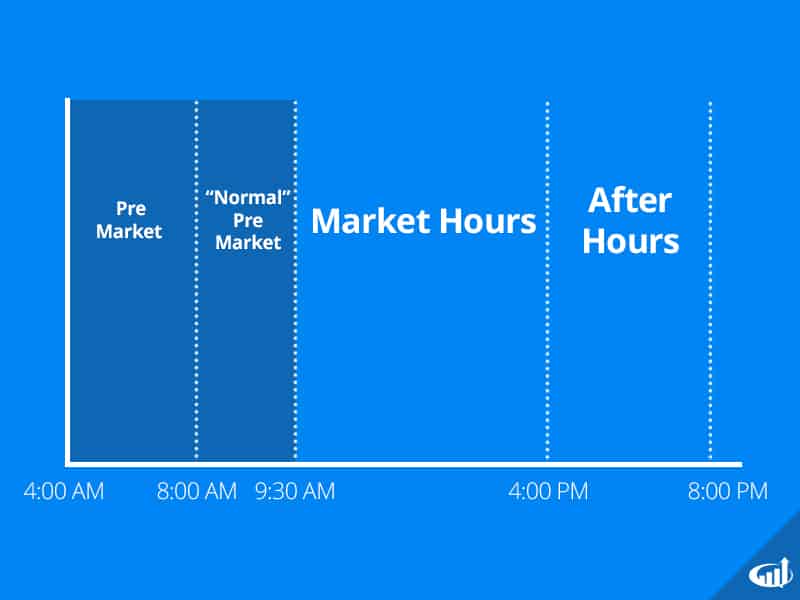
To fully grasp the significance of pre-market trading, it’s helpful to first understand the complete daily cycle of financial market operations, particularly for major exchanges like the New York Stock Exchange (NYSE) and NASDAQ. These exchanges don’t just open and close; they have a structured schedule designed to accommodate various types of market activity.
Regular Market Hours
The core of the trading day, often referred to as “regular market hours” or the “cash session,” runs from 9:30 AM ET to 4:00 PM ET. During this six-and-a-half-hour window, liquidity is typically at its highest, bid-ask spreads are narrowest, and the vast majority of trading volume occurs. This is when most individual investors execute their trades, and institutional participants are fully engaged. The price discovery process is most efficient during this time, driven by a broad range of participants and continuous order flow.
The Rationale Behind Extended Hours
The existence of trading sessions outside regular market hours, including pre-market and post-market, stems from several factors. Primarily, financial news, economic reports, and corporate announcements do not adhere to a 9:30 AM to 4:00 PM schedule. Companies frequently release earnings reports after the market closes or before it opens to allow investors time to digest the information without the immediate pressure of an open trading session. Similarly, macroeconomic data, political developments, or global events can occur at any time, necessitating a mechanism for immediate price adjustment. Extended hours provide a venue for traders and investors to react promptly to these developments, potentially mitigating large price gaps at the open of the regular session. Furthermore, technological advancements have made it feasible to operate electronic trading systems almost continuously, blurring the lines between traditional trading sessions.
Diving into Pre-Market Trading
Pre-market trading is a period before the official opening of the stock exchanges, during which orders can be placed, matched, and executed. It represents a critical window for market participants to position themselves based on fresh information.
Official Pre-Market Opening Times
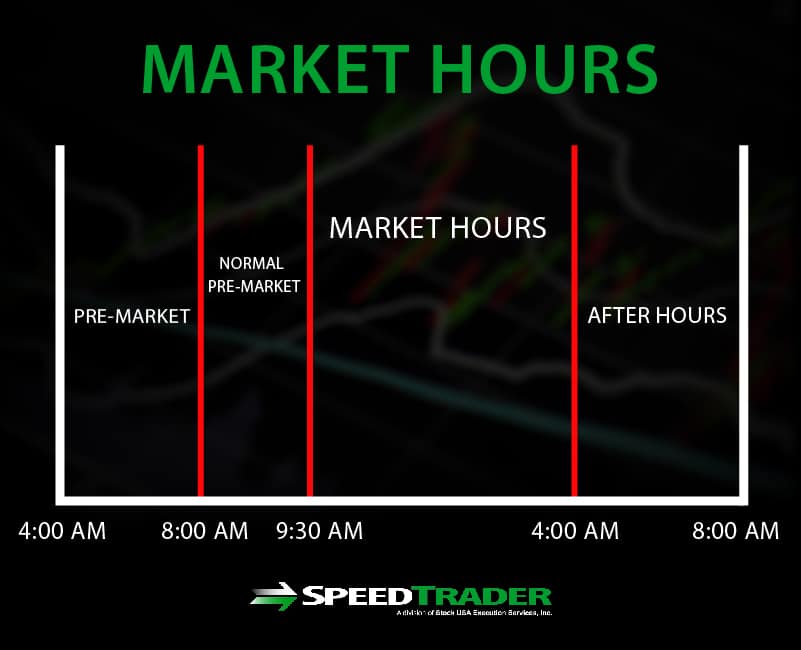
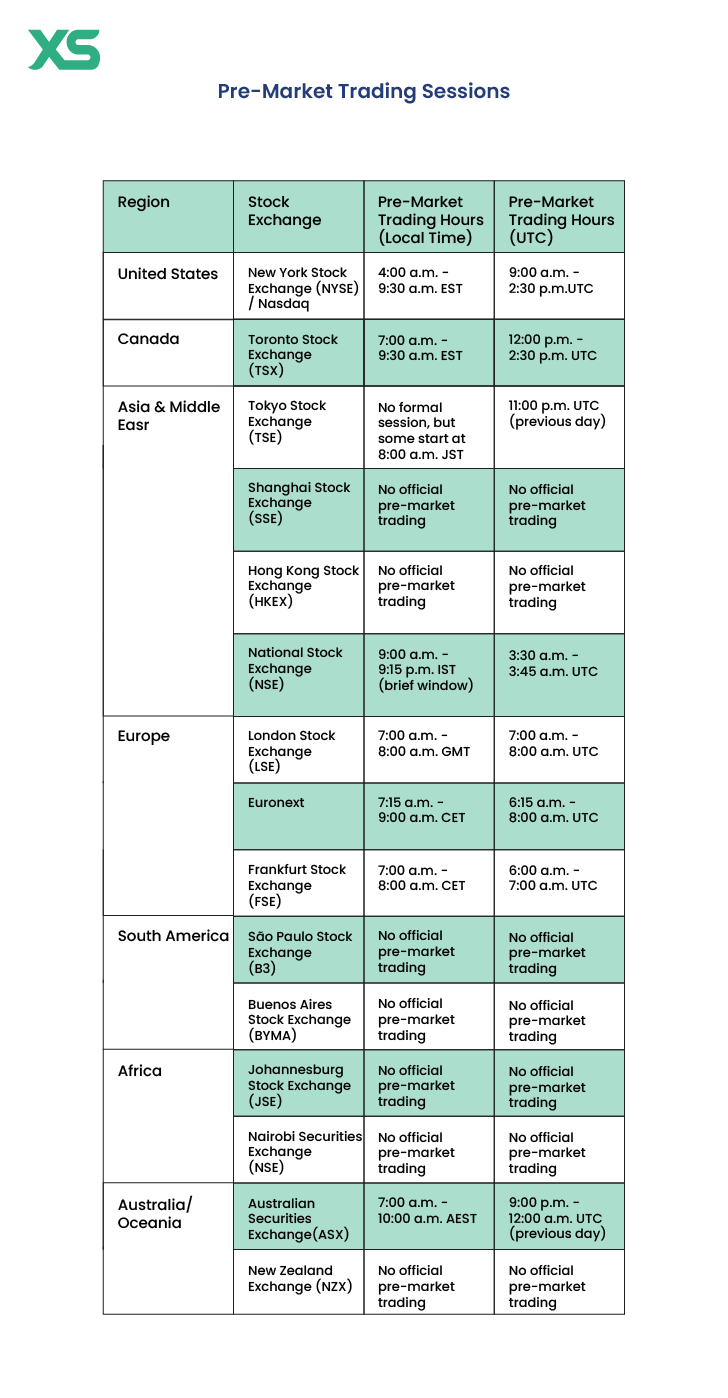
For most major U.S. stock exchanges, including the NYSE and NASDAQ, the pre-market trading session officially begins at 4:00 AM Eastern Time (ET). This early start allows for a significant period of activity before the regular market opens at 9:30 AM ET. While trading can commence at 4:00 AM, the volume and liquidity during the very early hours (4:00 AM – 7:00 AM ET) are often quite low. Activity typically begins to pick up significantly between 7:00 AM ET and 9:30 AM ET, as more market participants, especially institutional traders and professional retail traders, become active.
It’s important to note that while trading can begin at 4:00 AM ET, not all brokers offer access to the full extent of this session. Some brokerage platforms might only allow their clients to participate starting at 7:00 AM ET or 8:00 AM ET. Investors should always check their specific broker’s extended-hours trading policy and available times.
Key Venues for Pre-Market Activity
Unlike regular market hours, where trades are primarily executed on the major exchanges themselves, pre-market trading largely occurs through Electronic Communication Networks (ECNs). ECNs are automated systems that match buy and sell orders electronically, allowing trades to bypass traditional market makers and exchanges. They provide a vital infrastructure for extended-hours trading by pooling liquidity from various participants. When you place a pre-market order through your brokerage, it is routed to one or more ECNs that are open during these extended hours. Examples of prominent ECNs include Arca, Island, and BATS. While major exchanges like NASDAQ and NYSE also facilitate some extended-hours trading directly, ECNs are fundamental to the pre-market ecosystem.
Who Participates in Pre-Market Trading?
Pre-market trading attracts a diverse group of participants, each with different motivations:
- Institutional Investors: Hedge funds, mutual funds, and other large financial institutions often use pre-market hours to adjust their portfolios in response to breaking news, execute large block trades, or initiate positions before the broader market opens. Their significant capital can heavily influence early price movements.
- Professional Day Traders: Experienced individual traders who specialize in short-term strategies frequently participate in pre-market sessions. They seek to capitalize on early volatility driven by news events, often trading highly liquid stocks that have clear catalysts.
- Arbitrageurs: These traders look for small price discrepancies between different trading venues or markets during pre-market hours, aiming to profit from the temporary imbalances.
- Retail Investors: While some retail investors engage in pre-market trading, it’s generally less common due to the inherent risks and lower liquidity. Those who do participate often have a specific reason, such as reacting to news affecting their existing holdings or attempting to get an early entry into a stock expected to move significantly.
Advantages and Disadvantages of Pre-Market Trading
While pre-market trading offers unique opportunities, it also comes with distinct challenges that investors must understand.
Potential Benefits: Reacting to News, Price Discovery
One of the primary advantages of pre-market trading is the ability to react immediately to new information. If a company announces stellar earnings results or a significant drug trial success at 7:00 AM ET, investors don’t have to wait until 9:30 AM ET to buy or sell. This allows for quicker position adjustments and potentially capturing early gains or mitigating losses. For stocks with major news, pre-market can facilitate significant price discovery, allowing the market to start digesting the information before the regular session begins. This early activity can help reduce the magnitude of opening gaps, providing a smoother transition into the regular trading day. Traders can also use pre-market price action to gauge sentiment and establish potential support and resistance levels for the day ahead.
Key Drawbacks: Liquidity, Volatility, Spreads
Despite its benefits, pre-market trading carries substantial risks, largely due to its operational characteristics:
- Lower Liquidity: Pre-market trading typically has significantly lower trading volume compared to regular hours. Fewer buyers and sellers mean it can be challenging to execute large orders without impacting the price. A lack of liquidity can also make it difficult to enter or exit positions quickly at desired prices.
- Higher Volatility: Thinly traded markets are prone to higher volatility. A relatively small order can cause a disproportionately large price swing. This can lead to rapid and unpredictable price movements, making it difficult to manage risk and potentially resulting in significant losses.
- Wider Bid-Ask Spreads: Due to lower liquidity and fewer participants, the difference between the highest price a buyer is willing to pay (bid) and the lowest price a seller is willing to accept (ask) often widens considerably during pre-market hours. Wider spreads mean higher transaction costs for traders, as they effectively buy higher and sell lower than they might during regular hours.
- Price Discrepancies: Prices established in pre-market can sometimes differ significantly from the opening price during regular hours, especially if new information emerges or if liquidity increases dramatically at the open.
- Limited Order Types: Some brokers may restrict the types of orders you can place during extended hours, often limiting them to limit orders to protect traders from extreme price fluctuations.
Strategies and Considerations for Pre-Market Traders
For those considering pre-market trading, a disciplined approach and an understanding of its unique environment are crucial.
The Importance of News Catalysts
Successful pre-market trading is almost exclusively driven by news. Traders need to be meticulously monitoring news feeds, economic calendars, and company announcements. Stocks that move significantly in pre-market usually have a clear, identifiable catalyst – an earnings report, an FDA approval, a merger announcement, or major macroeconomic data. Without a strong catalyst, a stock is unlikely to experience sufficient volume and price movement to justify pre-market engagement. Traders often focus on stocks that report earnings pre-market (e.g., before the market opens at 9:30 AM ET) or have significant after-hours news from the previous day still impacting sentiment.
Tools and Platforms for Extended-Hours Trading
To effectively participate in pre-market trading, access to the right tools is paramount:
- Brokerage Account with Extended Hours Access: Ensure your broker allows pre-market trading and understands their specific cut-off times and eligible order types.
- Real-time News Feed: A reliable, fast news service is indispensable for identifying catalysts as they break.
- Advanced Charting Software: Tools that display pre-market price action and volume are crucial for technical analysis.
- Level 2 Data: Access to Level 2 quotes, which show the depth of the order book (multiple bid and ask prices and sizes), can provide insights into liquidity and potential price movements, helping traders understand the supply and demand dynamics in a less transparent environment.
Risk Management in a Less Liquid Environment
Given the heightened risks, stringent risk management is non-negotiable for pre-market trading:
- Use Limit Orders: Always use limit orders instead of market orders during extended hours. A limit order guarantees your execution price, preventing potentially disastrous fills due to low liquidity and wide spreads.
- Trade Smaller Sizes: Reduce your position sizes compared to regular hours to mitigate the impact of volatility and wider spreads on your capital.
- Focus on Liquid Stocks: Prioritize trading stocks that are known to have significant pre-market volume and a clear catalyst. Avoid thinly traded stocks unless you have a high conviction and are comfortable with extreme risk.
- Define Your Stop-Loss Levels: Establish clear exit points for both profits and losses before entering a trade. Be prepared for stop-losses to be potentially “slipped” due to fast-moving prices.
- Understand Your Broker’s Policies: Familiarize yourself with your brokerage’s specific rules for extended-hours trading, including margin requirements, order types, and settlement procedures.
Beyond Pre-Market: Post-Market Trading and Its Dynamics
While pre-market prepares the market for the day, post-market trading continues the action after the regular session closes, extending the opportunities and challenges of extended-hours trading.
Post-Market Schedule and Characteristics
Post-market trading typically runs from 4:00 PM ET to 8:00 PM ET. Like pre-market, it is characterized by lower liquidity, higher volatility, and wider spreads compared to regular market hours. Many corporate earnings reports and significant announcements are released immediately after the market closes, making post-market a prime time for immediate reactions to these events. Institutional traders often use this session to adjust positions based on end-of-day news or to rebalance portfolios.
Contrasting Pre-Market and Post-Market Sessions
Both pre-market and post-market trading offer opportunities for reacting to news outside regular hours, but they have subtle differences. Pre-market often sees activity build up as more information becomes available and participants wake up and log on. Post-market, conversely, tends to see a burst of activity immediately after 4:00 PM ET as news breaks, followed by a gradual decline in volume as the evening progresses. The participants are largely the same, with professional traders and institutions dominating the volume. The underlying principles of lower liquidity, increased volatility, and the necessity of limit orders apply equally to both extended sessions.
In conclusion, understanding “what time does pre-market start” is merely the first step. A comprehensive grasp of its mechanics, risks, and strategic considerations is vital for any investor or trader seeking to navigate the complex, always-on world of modern financial markets. While it offers unique chances to react quickly to news and engage in early price discovery, it demands a higher degree of caution, specialized tools, and robust risk management.
aViewFromTheCave is a participant in the Amazon Services LLC Associates Program, an affiliate advertising program designed to provide a means for sites to earn advertising fees by advertising and linking to Amazon.com. Amazon, the Amazon logo, AmazonSupply, and the AmazonSupply logo are trademarks of Amazon.com, Inc. or its affiliates. As an Amazon Associate we earn affiliate commissions from qualifying purchases.