
Understanding the intricacies of financial market hours is a cornerstone for any serious investor or trader. While the standard trading session for major U.S. stock exchanges runs from 9:30 AM to 4:00 PM Eastern Time (ET), significant activity occurs both before and after these official hours. The pre-market session, in particular, offers a unique window for investors to react to news, assess sentiment, and execute trades outside the conventional timeframe. Knowing precisely when pre-market trading commences is crucial for capitalizing on these opportunities and navigating their inherent complexities.
Understanding the Pre-Market Trading Session
Pre-market trading refers to the period of trading activity that occurs on an exchange before the regular market session officially begins. This extended-hours trading environment is a critical component of modern financial markets, enabling participants to react swiftly to new information and position themselves ahead of the primary trading day.
Defining Pre-Market Trading
The pre-market session serves as an early indicator of market sentiment, allowing investors to trade securities based on news that breaks overnight or early in the morning. This often includes corporate earnings reports, economic data releases, geopolitical events, or analyst ratings changes. Unlike the regular session, which is characterized by high liquidity and broad participation, pre-market trading tends to be less liquid and more volatile, primarily attracting institutional investors and experienced retail traders who are comfortable with these dynamics. Its existence helps to absorb some of the initial shock or enthusiasm associated with significant announcements, potentially leading to a more orderly open for the regular session.
Key Characteristics
Pre-market trading possesses several distinct characteristics that differentiate it from the regular trading day. Firstly, lower liquidity is a prominent feature. Fewer participants are active, leading to fewer buyers and sellers for a given security. This reduced liquidity can result in wider bid-ask spreads, making it more challenging to execute trades at desired prices. Secondly, higher volatility is common. With fewer orders to absorb large trades, prices can fluctuate more dramatically and rapidly in response to news. A single large order can significantly impact a stock’s price, potentially leading to exaggerated moves that may not reflect its true value once the regular market opens. Thirdly, limited participation primarily includes professional traders, institutional desks, and sophisticated retail investors. Many retail brokers offer access, but the tools and information available during these hours often favor those with advanced data feeds and analytical capabilities.
The Purpose of Extended Hours
The primary purpose of extended-hours trading, including the pre-market session, is to provide flexibility and continuity for market participants. In a globally interconnected financial world, news and events don’t adhere to a 9-to-5 schedule. Major corporate announcements, economic reports from other regions, or global geopolitical developments can occur at any time. Extended hours allow traders to react immediately to these catalysts, preventing a backlog of orders and potential chaotic price gaps at the official market open. It enables early positioning for those who anticipate significant price movements and offers a mechanism for price discovery before the broader market enters the fray.
Specific Opening Hours Across Major Exchanges
While the concept of pre-market trading is global, the specific timings can vary. For investors focused on U.S. equities, the New York Stock Exchange (NYSE) and NASDAQ are the primary venues, and their extended hours are largely harmonized.
The NYSE and NASDAQ
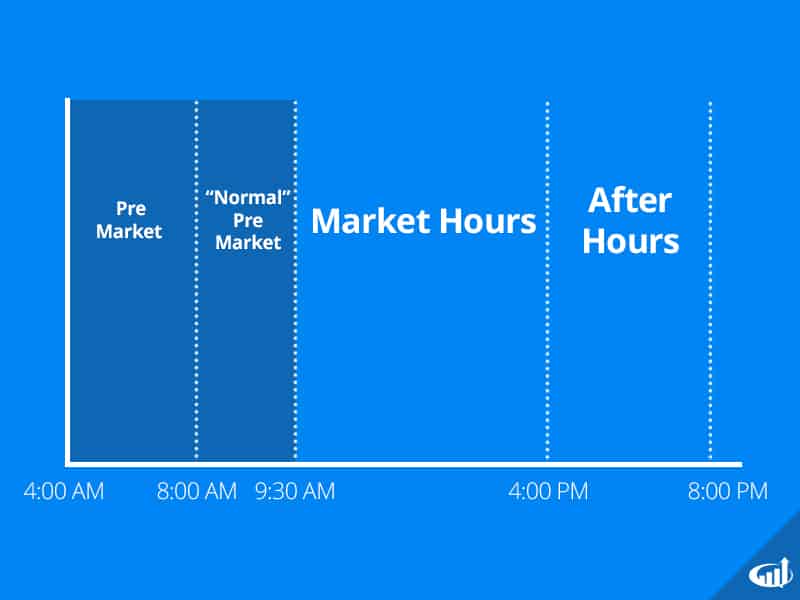
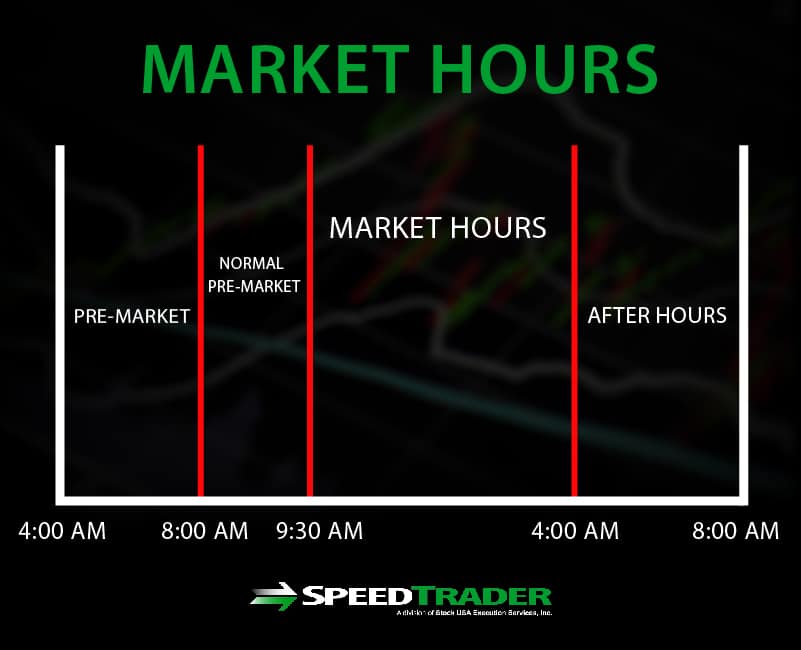
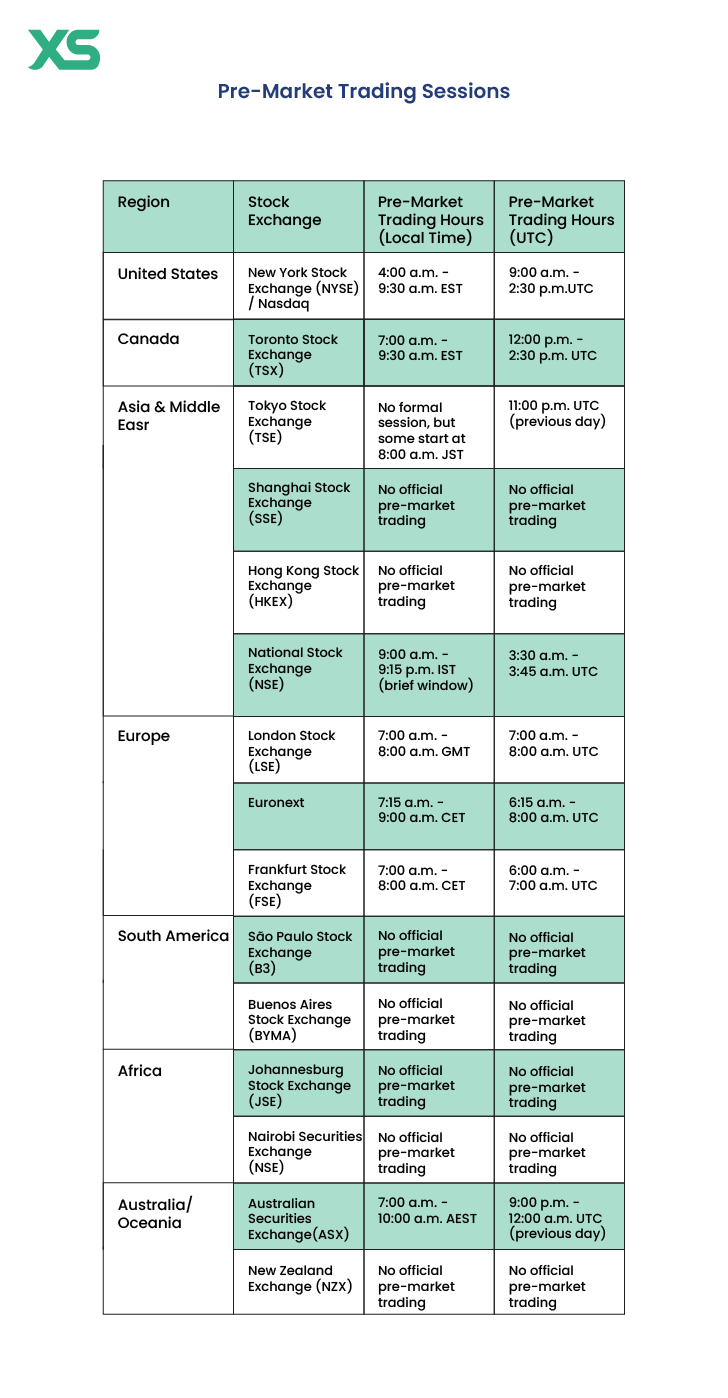
For the vast majority of U.S. publicly traded stocks, the pre-market trading session typically commences at 4:00 AM Eastern Time (ET) and concludes at 9:30 AM ET, just before the regular market opens. This 5.5-hour window provides ample opportunity for early trading activity. However, it’s crucial to note that while trading can begin at 4:00 AM ET, significant liquidity often doesn’t appear until closer to 7:00 AM ET or 8:00 AM ET, as more participants come online. Most brokerages provide access to this entire window, though some may offer more limited pre-market trading hours, perhaps starting later, such as 7:00 AM ET. Investors should always verify their specific broker’s access hours and capabilities.
Regional and International Differences
While the U.S. pre-market hours are fairly standardized, global markets operate on different schedules. For instance, the London Stock Exchange (LSE) has a pre-market session from 5:00 AM to 8:00 AM GMT (Greenwich Mean Time) for certain order types, with continuous trading starting at 8:00 AM GMT. Asian markets, such as the Tokyo Stock Exchange (TSE), have their own pre-opening periods for order matching before their regular session begins. Investors engaged in global equities must be aware of these varying time zones and exchange-specific rules, as “pre-market” is a relative term that shifts with each local market’s official open. Each region’s pre-market activity is influenced by its unique news cycle and institutional trading patterns.
Broker-Specific Access
The availability and features of pre-market trading can vary significantly among brokerage firms. While most major online brokers offer access to pre-market trading for U.S. equities, the precise start times, eligible securities, and available order types might differ. Some brokers might only allow pre-market trading to begin at 7:00 AM ET, even though the broader market technically opens at 4:00 AM ET. Additionally, some brokers might restrict the types of orders you can place during extended hours, often limiting them to limit orders to mitigate the risks associated with volatile price swings. It is imperative for investors to consult their brokerage firm’s specific policies and platform capabilities regarding extended-hours trading before attempting to execute trades during these periods. Understanding these nuances can prevent unexpected execution issues and help manage risk more effectively.
Why Pre-Market Trading Matters for Investors
Pre-market trading is not merely an extended convenience; it’s a strategic opportunity for informed investors to gain an edge, react to developments, and position themselves ahead of the mainstream market activity.
Reacting to News and Earnings Reports
One of the most compelling reasons for pre-market trading is the ability to react immediately to breaking news and corporate earnings reports. Many companies release their quarterly earnings results or significant operational updates either after the market closes or before it opens. Waiting until 9:30 AM ET to trade on such news can mean missing substantial price movements. For example, a company announcing better-than-expected earnings pre-market might see its stock surge significantly before the regular session even begins. Conversely, negative news can lead to sharp declines. Pre-market trading allows investors to enter or exit positions promptly, potentially locking in gains or mitigating losses that might otherwise materialize later in the day. This immediate response mechanism is critical for active traders whose strategies depend on capitalizing on real-time information flow.
Gauging Market Sentiment
Pre-market activity often serves as an early barometer for overall market sentiment. Strong buying interest across several key stocks, or a particular sector, can indicate a positive mood going into the open. Conversely, widespread selling pressure can signal caution or pessimism. Volume and price action in bellwether stocks or index futures (which also trade extended hours) can provide clues about how the broader market is likely to behave once the regular session commences. While not always perfectly predictive, observing pre-market trends helps investors form an initial hypothesis about the day’s likely direction and adjust their strategies accordingly. It provides a valuable preview, allowing for more informed decision-making once liquidity increases.
Strategic Entry and Exit Points
For experienced traders, pre-market can offer strategic entry and exit points that are unavailable during regular hours. A stock that has gapped significantly higher or lower on news might present an opportunity for a quick trade. For instance, a trader might buy into a stock showing strong upward momentum pre-market, anticipating a continuation of that trend, or conversely, short a stock showing severe weakness. These opportunities require swift action and precise execution, often leveraging the temporary inefficiencies that arise from lower liquidity. However, this also means the risks are amplified, as sudden shifts in sentiment or large orders can reverse price movements rapidly, demanding strict risk management protocols.
Potential Risks and Rewards
The rewards of successful pre-market trading can be substantial, including capturing significant short-term gains from news-driven moves. The ability to act before the crowd can lead to advantageous pricing. However, these rewards come hand-in-hand with considerable risks. The primary risks include lower liquidity, which can lead to wider bid-ask spreads and difficulty executing trades at desired prices; increased volatility, resulting in rapid and unpredictable price swings; and the possibility of “head fakes,” where early moves reverse sharply once the regular market opens. Novice traders are particularly susceptible to these risks and should approach pre-market trading with extreme caution, if at all.
Navigating the Dynamics of Pre-Market Activity
Engaging in pre-market trading requires a clear understanding of its distinct market dynamics. These dynamics diverge significantly from the regular trading session, presenting both unique opportunities and heightened challenges.
Liquidity Constraints and Spreads
The most significant dynamic to contend with during pre-market hours is the pronounced lack of liquidity compared to regular market hours. Fewer participants mean fewer orders are available on the order book. This reduced liquidity directly impacts the bid-ask spread—the difference between the highest price a buyer is willing to pay and the lowest price a seller is willing to accept. During pre-market, these spreads tend to be much wider. For example, a stock that might have a few-cent spread during regular hours could exhibit a 20 or 30-cent spread pre-market. This effectively means buying at a higher price and selling at a lower price than you would during peak hours, significantly increasing transaction costs and making it harder to enter or exit positions efficiently without moving the market price. Traders must factor these wider spreads into their potential profit and loss calculations.
Volatility and Price Swings
Pre-market trading is inherently more volatile. With fewer orders to absorb buying or selling pressure, even relatively small orders can cause disproportionately large price swings. News catalysts, which are often the primary drivers of pre-market activity, can trigger sudden and dramatic shifts in a stock’s valuation. A single large institutional order to buy or sell a stock can move its price by several percentage points in a matter of minutes, without the broad market consensus that typically stabilizes prices during regular hours. This amplified volatility creates opportunities for rapid gains but also exposes traders to equally rapid and significant losses. Investors must be prepared for swift reversals and unpredictable movements, employing robust risk management to protect capital.
Order Types in Pre-Market
Due to the unique characteristics of pre-market trading, the choice of order type becomes critical. While market orders are commonly used during regular hours, they are generally not recommended for pre-market trading. A market order instructs your broker to buy or sell a security immediately at the best available price. In a low-liquidity, high-volatility environment, this could mean executing a trade at a price far worse than anticipated due to wide spreads or sudden price jumps/drops.
Limit orders are the preferred choice for pre-market trading. A limit order specifies the maximum price you are willing to pay for a buy (buy limit) or the minimum price you are willing to accept for a sell (sell limit). This provides control over the execution price, protecting you from adverse price movements. While a limit order might not execute if the price doesn’t reach your specified level, it safeguards against unwanted surprises. It’s also important to specify the “time-in-force” for pre-market orders, often choosing “Day” or “Good-Til-Canceled” (GTC) depending on whether you want it to remain active until the regular close or beyond.
Information Asymmetry
Another dynamic is the potential for information asymmetry. Institutional traders and those with access to sophisticated tools and direct market access (DMA) often have an advantage in processing and reacting to information during extended hours. They might have faster news feeds, advanced algorithms, and the ability to place orders directly on the electronic communication networks (ECNs) that facilitate pre-market trading. Retail investors, while having access, may operate with a slight delay or less comprehensive data, which can put them at a disadvantage when competing for timely execution or accurate price discovery. Understanding this disparity is crucial for setting realistic expectations and not blindly following early price movements without independent verification.
Best Practices for Engaging in Pre-Market Trading
For those who choose to venture into the pre-market, adopting a disciplined and informed approach is paramount. The unique environment demands a heightened level of caution and strategic planning.
Thorough Research is Paramount
Never trade on pre-market news without conducting thorough due diligence. Verify the source of information, understand the full context of earnings reports, analyst upgrades/downgrades, or economic data. A headline can often be misleading, and the devil is always in the details. Analyze the company’s fundamentals, previous reactions to similar news, and the broader sector trends. Relying solely on a price spike or drop without understanding the underlying catalyst is a recipe for disaster. Professional traders spend significant time researching before the market opens, and retail investors should follow suit, using reliable financial news outlets and regulatory filings.
Risk Management Strategies
Given the increased volatility and lower liquidity, robust risk management is non-negotiable.
- Position Sizing: Avoid allocating a large portion of your capital to pre-market trades. Smaller position sizes reduce your exposure to potentially exaggerated price swings.
- Stop-Loss Orders: While not foolproof in highly illiquid markets where gaps can occur, setting mental or conditional stop-loss points is critical. Know your maximum acceptable loss before entering a trade.
- Limit Orders: As discussed, always use limit orders to control your entry and exit prices. Avoid market orders at all costs during pre-market hours.
- Capital Protection: Prioritize capital preservation. If a trade moves against you rapidly, be prepared to cut losses quickly rather than hoping for a reversal.
Understanding Your Broker’s Rules
Each brokerage firm has its own set of rules, restrictions, and capabilities for extended-hours trading. Before trading pre-market, confirm:
- Access Hours: Does your broker allow trading from 4:00 AM ET, or do they have a later start time?
- Eligible Securities: Are all NYSE/NASDAQ-listed stocks available, or are there limitations?
- Order Types: Which order types are permitted? Are all standard features available (e.g., conditional orders)?
- Fees: Are there any additional fees associated with extended-hours trading?
- Platform Functionality: How does your broker’s platform handle pre-market data and order placement? Is it intuitive and reliable during these times?
Start Small and Gain Experience
If you are new to pre-market trading, begin with very small positions to gain experience without risking substantial capital. Observe how different news events impact specific stocks, how liquidity fluctuates throughout the session, and how your chosen strategies perform. Paper trading (simulated trading) can be an excellent way to practice pre-market strategies without financial risk. Gradually increase your exposure only as your confidence and understanding of the unique dynamics grow. Learning the rhythm of pre-market activity takes time and observation.
When to Avoid Pre-Market Trading
There are circumstances when it is wise to avoid pre-market trading altogether. If there is extreme uncertainty, such as during major economic crises or unexpected global events, volatility can be excessive and unpredictable, making even experienced traders hesitant. Similarly, if there is no clear catalyst or significant news driving a stock’s pre-market movement, the activity might be driven by thin volume and potentially manipulated orders, leading to false signals. If you are unable to dedicate your full attention to monitoring the trade, or if your internet connection is unstable, it’s safer to wait for the regular trading session when liquidity is abundant and price discovery is more robust. Patience is a virtue, and sometimes the best trade is no trade at all.
aViewFromTheCave is a participant in the Amazon Services LLC Associates Program, an affiliate advertising program designed to provide a means for sites to earn advertising fees by advertising and linking to Amazon.com. Amazon, the Amazon logo, AmazonSupply, and the AmazonSupply logo are trademarks of Amazon.com, Inc. or its affiliates. As an Amazon Associate we earn affiliate commissions from qualifying purchases.