
In the dynamic world of financial markets, understanding real-time indicators is paramount for investors, traders, and economic observers alike. Among the most closely watched barometers of future market sentiment are the Dow Jones Industrial Average (DJIA) futures, often simply referred to as “Dow futures.” These derivatives contracts offer a crucial glimpse into where the broader market might be heading before the official opening bell, providing a valuable edge in strategic financial planning and decision-making. Knowing “what the Dow futures are now” is not just about a numerical value; it’s about interpreting market psychology, anticipating volatility, and positioning oneself strategically in an ever-evolving economic landscape.
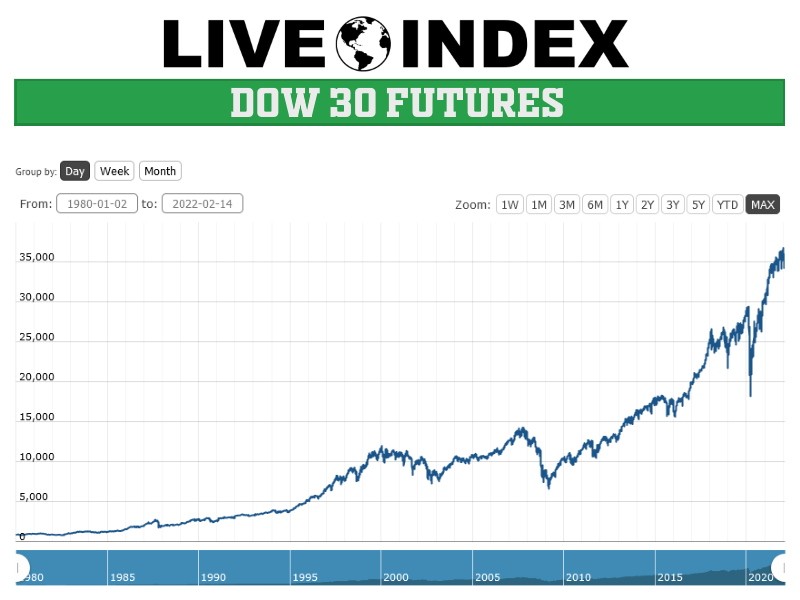
Understanding Dow Futures: A Gateway to Market Sentiment
Dow futures are more than just a pre-market indicator; they are sophisticated financial instruments that reflect collective investor expectations about the future performance of the 30 blue-chip companies comprising the Dow Jones Industrial Average. Unlike the spot DJIA index, which tracks the market in real-time during trading hours, futures contracts trade virtually around the clock, providing continuous insights into global economic shifts and their potential impact on U.S. equities.
Defining Dow Futures Contracts
A Dow futures contract is an agreement to buy or sell the Dow Jones Industrial Average at a specific price on a future date. These contracts are standardized and traded on exchanges like the Chicago Mercantile Exchange (CME) Group, primarily through its E-mini Dow futures product. Each point movement in the E-mini Dow futures has a specified monetary value (e.g., $5), meaning even small fluctuations can lead to significant gains or losses for traders. The price of these contracts is influenced by a multitude of factors, including current market sentiment, economic data releases, geopolitical events, and corporate news, all filtered through the lens of supply and demand in the futures market. They typically trade nearly 23 hours a day, five days a week, making them a global proxy for U.S. equity market expectations.
Why Futures Matter Before the Bell
The activity in Dow futures markets outside of regular trading hours is critical because it provides an early warning system for market participants. For instance, if Asian or European markets react negatively to a global economic report overnight, Dow futures are likely to trend lower, signaling a potential downward open for the DJIA when U.S. markets officially begin trading. Conversely, positive news or strong overseas performance can send futures higher, indicating a bullish start to the trading day. This pre-market insight allows professional traders and institutional investors to adjust their strategies, manage risk, and even initiate positions ahead of the broader market. For individual investors, monitoring Dow futures can help contextualize early news and prepare for potential market movements, rather than being caught off guard by the opening bell. It acts as a thermometer for the market’s temperature, even when the market itself is officially “closed.”
Decoding the Numbers: How to Interpret Dow Futures Data
Accessing and understanding Dow futures data is a critical skill for anyone involved in financial markets. The raw numbers, often displayed as a positive or negative change from the previous day’s Dow closing value, convey immediate sentiment, but their deeper meaning lies in context and trend analysis.
Real-time Data Sources
Numerous financial news websites, trading platforms, and dedicated market data providers offer real-time or near real-time Dow futures quotes. Reputable sources include major financial news outlets like Bloomberg, Reuters, Wall Street Journal, and CNBC, as well as brokerage platforms. These sources typically display the current futures price, the net change in points, and the percentage change. It’s important to note that the price quoted for Dow futures is not the exact value the Dow will open at, but rather an indicator of where traders expect it to open. The actual opening price of the DJIA can differ based on last-minute news, trading volume, and market orders that accumulate before the bell.
Gauging Market Direction and Volatility
Interpreting Dow futures goes beyond merely seeing a green (up) or red (down) number. A significant upward movement in futures suggests strong buying interest and positive sentiment, potentially leading to a higher market open. Conversely, a sharp decline indicates broad selling pressure and negative sentiment. The magnitude of the change is equally important; a modest change might suggest a relatively calm opening, while a triple-digit swing could signal significant volatility. Traders also pay close attention to the volume of futures trading. High volume accompanying a strong move often lends more credibility to the indicated direction, whereas low volume might suggest a less robust conviction. Furthermore, the volatility of futures movements throughout the pre-market period can offer clues about investor nervousness or confidence, hinting at the potential for choppy trading once the cash market opens. Analysts also look at the spread between the futures price and the last closing price of the actual Dow index, known as the “basis,” which can provide insights into arbitrage opportunities and market efficiency.
The Drivers Behind Dow Futures Movements
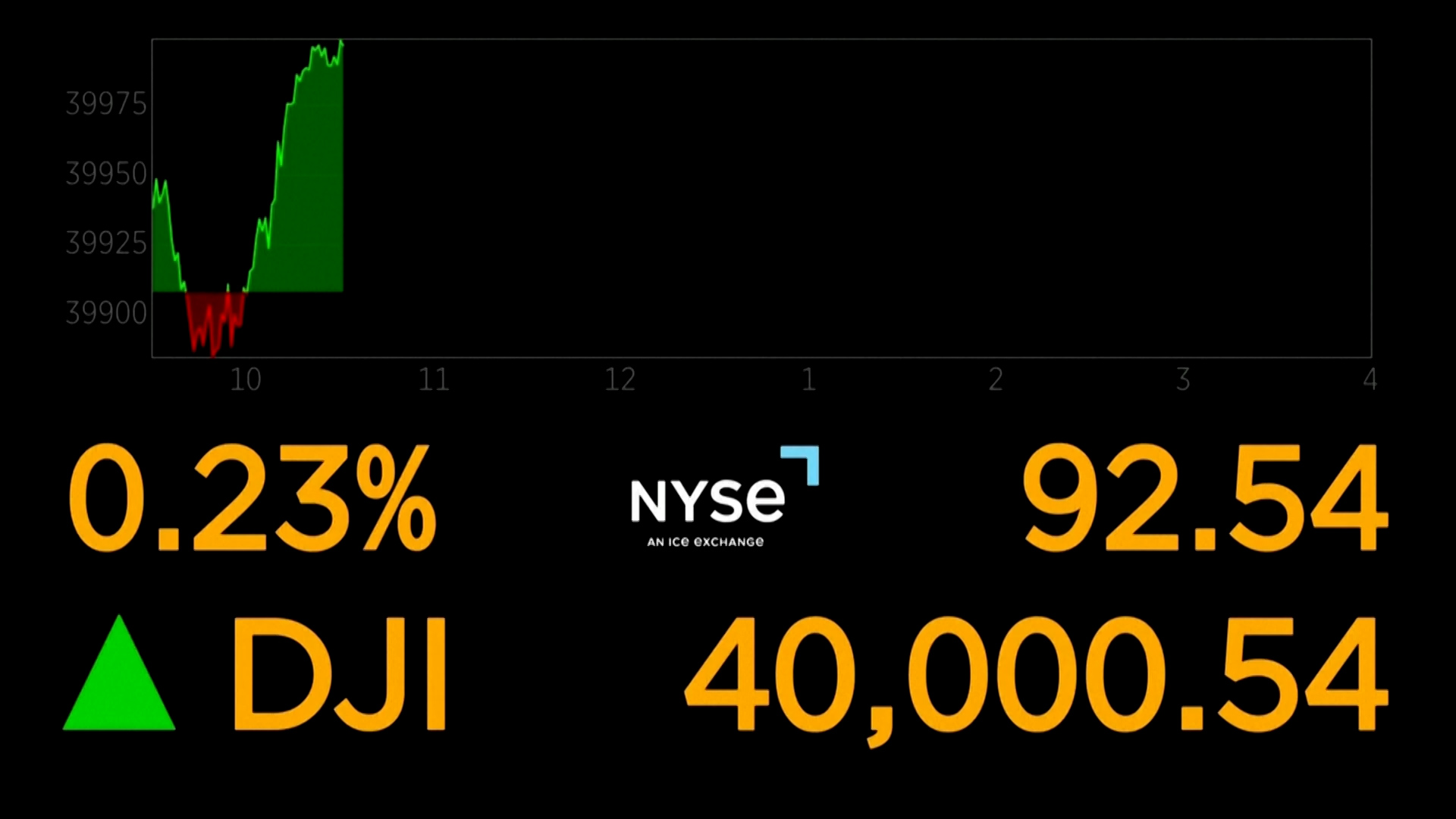
Dow futures prices are a complex mosaic reflecting a myriad of global and domestic influences. Their movements are rarely attributable to a single factor but rather to an interplay of economic, corporate, and geopolitical forces. Understanding these drivers is key to anticipating future market trends.
Economic Indicators and Central Bank Policy
Economic data releases are potent catalysts for Dow futures. Reports on inflation (Consumer Price Index, Producer Price Index), employment (Non-Farm Payrolls, jobless claims), GDP growth, manufacturing activity (ISM reports), and consumer confidence can drastically shift market expectations. A stronger-than-expected jobs report might send futures higher due to optimism about economic health, but it could also send them lower if it signals potential interest rate hikes from the Federal Reserve. Central bank announcements, particularly concerning interest rates and monetary policy, are perhaps the most influential drivers. Changes in interest rate expectations directly impact borrowing costs for corporations and consumers, influencing profitability and spending, thus swaying futures prices. Dovish (easing) policies often boost futures, while hawkish (tightening) policies can lead to declines.
Geopolitical Events and Global News
The interconnectedness of the global economy means that events far from Wall Street can profoundly affect Dow futures. Geopolitical tensions, such as conflicts, trade disputes, or political instability in major economic regions, can trigger risk aversion, leading investors to flee equities and pushing futures lower. Conversely, resolutions to such crises can spur rallies. Major global economic news, like a significant policy shift in China, a recession in Europe, or commodity price fluctuations (especially oil), also ripple through the futures market. News related to global supply chains, international trade agreements, or even pandemic-related developments can quickly alter investor outlooks and manifest in futures price movements. The speed at which these events are digested and reflected in futures prices underscores the market’s continuous nature.
Corporate Earnings and Sector Performance
While the Dow comprises only 30 companies, their collective health and individual performance are critical. During earnings season, futures often react sharply to major corporate announcements, especially from Dow components. Strong earnings reports or positive outlooks from bellwether companies can lift the entire index’s futures, while misses or cautious guidance can drag them down. Sector-specific news also plays a role. For example, if there’s a significant development in the technology sector (e.g., new product announcements, regulatory scrutiny), it can influence the futures, even if not directly tied to a Dow tech stock, due to broader market sentiment toward that industry. Mergers and acquisitions, dividend announcements, and executive leadership changes at major corporations can also cause discernible shifts in futures trading as investors adjust their valuations.
Strategic Implications for Investors
Monitoring Dow futures is not just an academic exercise; it has tangible benefits for various types of investors, from day traders to long-term portfolio managers, enabling more informed decisions and better risk management.
Risk Management and Hedging
For institutional investors and professional traders, Dow futures are a vital tool for risk management. They can be used to hedge existing equity portfolios against potential downturns. If a portfolio manager holds a large basket of stocks that closely mirrors the Dow, they might sell Dow futures contracts if they anticipate a market decline. If the market does fall, the profits from the short futures position can offset losses in the underlying equity portfolio. This allows investors to maintain their long-term equity holdings while temporarily mitigating short-term risk without having to sell individual stocks. This strategy is particularly useful during periods of heightened uncertainty or before major economic announcements.
Pre-Market Analysis for Day Traders
Day traders rely heavily on Dow futures for pre-market analysis. The direction and magnitude of futures movements before the market open can dictate their trading strategy for the day. A strong upward trend might encourage long positions, while a downward trend could lead to short-selling opportunities or a more cautious approach. Futures also help identify potential support and resistance levels that might come into play during regular trading hours. By observing how futures react to different news events throughout the extended trading session, day traders can gauge the market’s initial reaction and prepare for volatility or specific price targets, giving them a significant advantage over those who only watch the market from 9:30 AM to 4:00 PM EST.
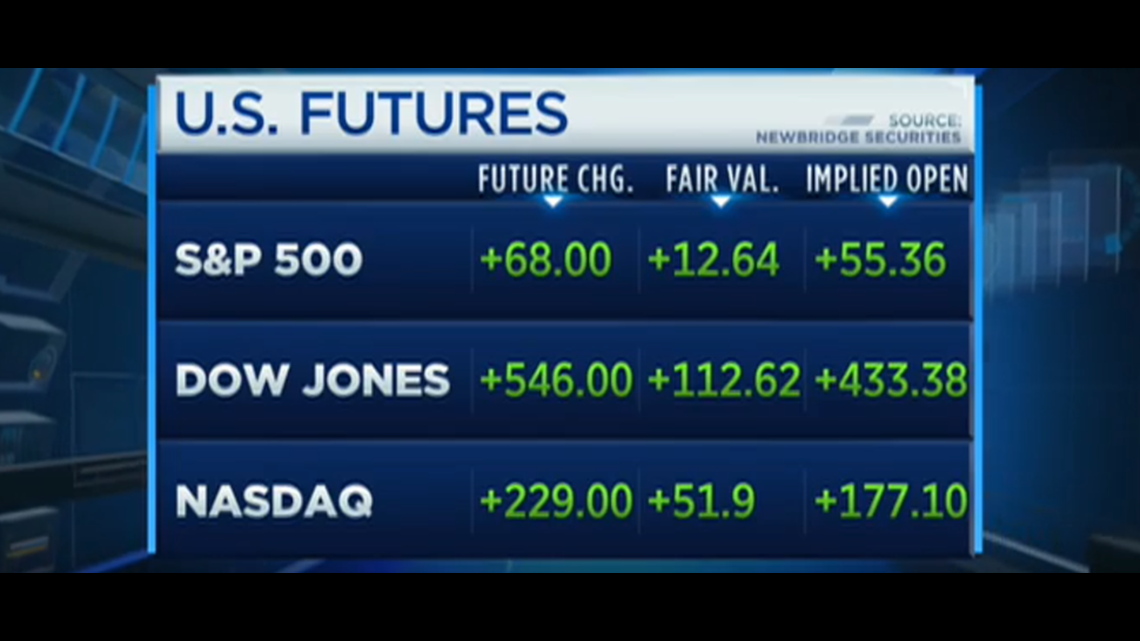
Long-Term Investor Insights
Even long-term investors, who may not actively trade futures, can benefit from understanding their movements. Persistent trends in Dow futures, especially those driven by significant macroeconomic shifts or changes in central bank policy, can offer clues about the broader economic cycle and potential long-term market direction. For instance, if futures consistently trend lower over several weeks due to increasing inflation concerns, it might signal a more challenging environment for equities in the coming months, prompting a long-term investor to review their portfolio’s asset allocation or defensive positioning. While daily fluctuations may be noise for a buy-and-hold strategy, the aggregate message from futures can provide valuable context for making strategic adjustments or simply understanding the underlying sentiment that drives long-term market performance. Ultimately, keeping an eye on Dow futures offers a comprehensive and continuous pulse of the market, helping all investors make more informed and strategic financial decisions.
aViewFromTheCave is a participant in the Amazon Services LLC Associates Program, an affiliate advertising program designed to provide a means for sites to earn advertising fees by advertising and linking to Amazon.com. Amazon, the Amazon logo, AmazonSupply, and the AmazonSupply logo are trademarks of Amazon.com, Inc. or its affiliates. As an Amazon Associate we earn affiliate commissions from qualifying purchases.