
The S&P 500, a name synonymous with the health of the U.S. stock market and, by extension, the broader American economy, frequently headlines financial news. For seasoned investors, budding entrepreneurs, or anyone managing their personal finances, understanding “what the S&P 500 is doing” is far more than idle curiosity; it’s a critical barometer influencing investment decisions, retirement planning, and even business strategy. This benchmark index, comprising 500 of the largest U.S. publicly traded companies, serves as a vital snapshot of corporate America’s performance and investor sentiment. Its movements reflect a complex interplay of economic data, corporate earnings, geopolitical events, and technological shifts.

In an era of rapid information flow and volatile markets, deciphering the S&P 500’s current trajectory and the forces shaping it is essential. This article will delve into the index’s fundamental role, analyze the key drivers behind its recent performance, explore strategic approaches for investors navigating its fluctuations, and consider its evolving significance in the future of finance. By the end, readers will gain an insightful perspective on this crucial financial indicator and its profound impact on their financial lives.
Understanding the S&P 500: A Bellwether of the U.S. Economy
Before dissecting its current activities, it’s imperative to grasp the fundamental nature and significance of the S&P 500. Often cited in economic discussions, its role extends far beyond a simple numerical value; it acts as a sophisticated mirror reflecting the intricate dynamics of the U.S. economic landscape.
What is the S&P 500?
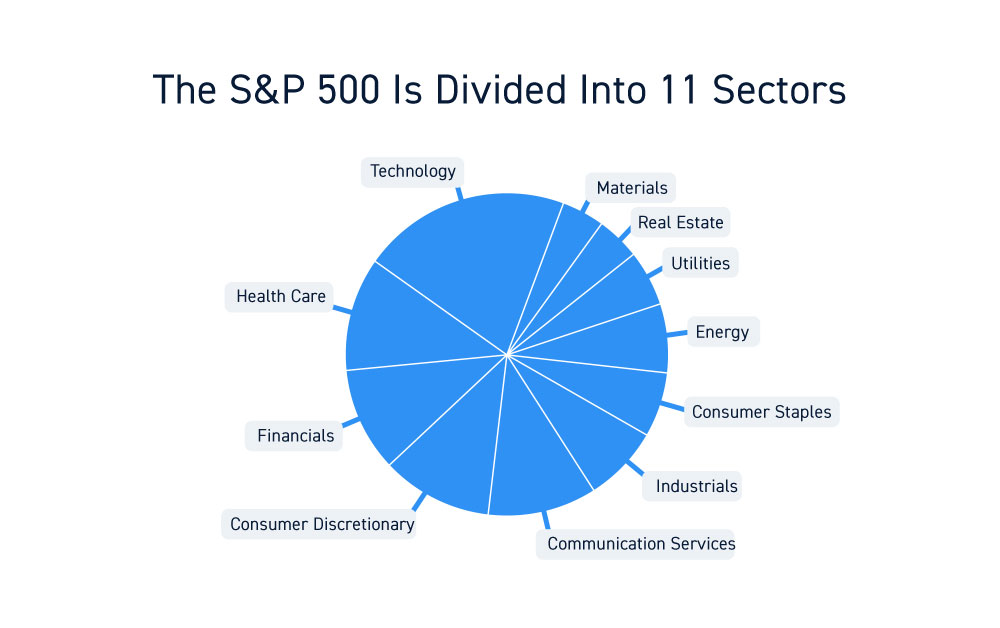
At its core, the S&P 500 is a market-capitalization-weighted index. This means that companies with larger market values have a greater impact on the index’s movement. Unlike the Dow Jones Industrial Average, which tracks just 30 large companies, the S&P 500 broadens its scope to 500 leading U.S. publicly traded companies selected by a committee at S&P Dow Jones Indices. These companies are chosen based on criteria such as market size, liquidity, and sector representation, ensuring the index is a comprehensive and representative benchmark. Collectively, these 500 firms represent approximately 80% of the total market capitalization of U.S. equities, making it an extraordinarily broad and accurate measure of the overall stock market. Its components span diverse sectors, from technology and finance to healthcare and industrials, providing a holistic view of corporate performance across the economy.
Why Does Its Performance Matter?
The S&P 500’s performance matters for a multitude of reasons, directly impacting individuals, businesses, and the economy at large. For personal finance, it’s often the benchmark against which mutual funds, exchange-traded funds (ETFs), and retirement accounts like 401(k)s and IRAs are measured. A strong S&P 500 generally translates to growth in these investment vehicles, boosting an individual’s net worth and retirement prospects. Conversely, a downturn can erode savings and extend working careers.
Beyond individual wealth, the S&P 500 serves as a crucial indicator of corporate health and investor sentiment. When the index rises, it typically signals confidence in future corporate earnings, economic stability, and growth opportunities. When it falls, it often reflects concerns about recessions, inflation, or geopolitical instability. Businesses watch the S&P 500 closely as it can influence access to capital, consumer confidence (and thus spending), and overall economic demand. Policy makers also monitor the index as a gauge of market stability and the effectiveness of their economic interventions. Its movements provide insights into the collective wisdom of millions of market participants, offering a powerful, albeit complex, predictive signal for future economic trends.
Analyzing Recent S&P 500 Performance and Key Drivers
To understand “what the S&P 500 is doing,” one must move beyond a simple numerical readout and delve into the myriad forces that sculpt its trajectory. The market is a dynamic entity, constantly reacting to a complex interplay of economic indicators, corporate actions, and global events.
Current Market Context: A Snapshot
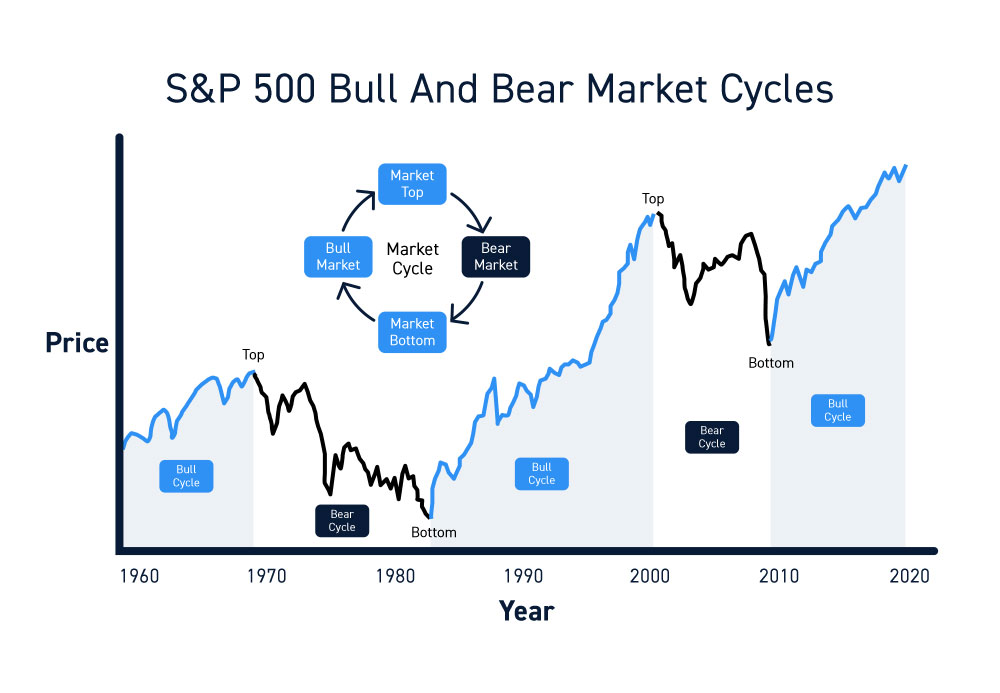
While specific real-time figures are beyond the scope of this discussion, we can generalize about typical market behaviors. The S&P 500 often experiences periods of robust growth, commonly known as bull markets, driven by strong corporate earnings, low interest rates, and optimistic investor sentiment. These periods are frequently punctuated by corrections – dips of 10% or more – or more severe bear markets, characterized by declines of 20% or more, often triggered by economic slowdowns, financial crises, or significant geopolitical shocks.
Recent market cycles have often been defined by volatility, with swift rebounds following sharp declines, or extended periods of sideways trading as investors grapple with uncertainty. A common theme in recent years has been the significant influence of a few mega-cap technology companies, whose outsized gains have at times disproportionately driven the index’s overall performance. Understanding whether the market is currently in a growth phase, a consolidation period, or facing a correction requires a careful look at underlying economic conditions.
Economic Tailwinds and Headwinds
The S&P 500 does not operate in a vacuum; its movements are profoundly influenced by broader economic factors.
- Inflation and Interest Rates: These are arguably among the most potent forces. Central banks, like the U.S. Federal Reserve, use interest rates to manage inflation. High inflation often prompts rate hikes, which increase borrowing costs for companies and consumers, potentially dampening economic activity and corporate profits. Conversely, rate cuts aim to stimulate the economy. The market’s reaction to interest rate policy can be immediate and dramatic, as investors recalibrate the future value of corporate earnings.
- Corporate Earnings: Ultimately, stock prices are tied to a company’s profitability. Strong earnings reports across the 500 companies signal a healthy business environment, justifying higher valuations. Conversely, widespread earnings misses can trigger sell-offs. Investors pay close attention to forward-looking guidance from companies, which provides insight into management’s expectations for future performance.
- Geopolitical Factors: Global events, such as trade disputes, international conflicts, or shifts in global economic policy, can introduce significant uncertainty. These factors can disrupt supply chains, alter consumer behavior, and impact international investment flows, all of which trickle down to affect corporate profitability and investor confidence in the S&P 500.
- Consumer Spending & Employment: In a consumer-driven economy like the U.S., robust consumer spending and a strong labor market are vital tailwinds. High employment rates and rising wages typically lead to increased consumer demand, translating into higher revenues for businesses. Conversely, rising unemployment or a slowdown in consumer spending can signal an impending economic contraction, putting pressure on the index.
Sectoral Leadership and Concentration Risks
While the S&P 500 is broadly diversified across sectors, its performance is often driven by a handful of leading industries or even specific companies. In recent history, the technology sector, particularly a group of mega-cap tech companies often dubbed the “Magnificent Seven,” has exerted outsized influence. Their rapid growth, innovation, and ability to capture large market shares have often propelled the entire index upwards.
However, this sectoral leadership also introduces concentration risks. When a significant portion of the index’s gains comes from a small number of companies or a single sector, the overall index becomes more vulnerable to adverse developments affecting those specific entities. For example, regulatory scrutiny, a shift in consumer preferences, or a slowdown in innovation within a dominant sector could have a disproportionately negative impact on the S&P 500. Investors must be aware of this dynamic, understanding that while broad index funds offer diversification, the underlying composition can still create concentrated exposure to specific market segments.
Investing Strategies Amidst S&P 500 Volatility
Navigating the S&P 500’s ever-changing landscape requires a thoughtful and disciplined approach. While market movements can be unpredictable in the short term, historical data and sound financial principles offer valuable guidance for long-term wealth creation.
Long-Term Perspective: The Power of Compounding
Perhaps the most crucial lesson from the S&P 500’s history is the power of a long-term perspective. Despite numerous downturns, recessions, and crises, the index has consistently trended upwards over decades, demonstrating an average annual return that has significantly outpaced inflation. This consistent growth underscores the importance of “time in the market, not timing the market.” Attempting to predict market peaks and troughs is notoriously difficult and often leads to missed opportunities.
Instead, a strategy centered on dollar-cost averaging can be highly effective. This involves investing a fixed amount of money at regular intervals, regardless of market fluctuations. When prices are high, you buy fewer shares; when prices are low, you buy more. Over time, this strategy averages out the purchase price, reduces the impact of volatility, and systematically builds wealth through compounding returns – where your earnings generate further earnings.
Diversification Beyond the S&P 500
While an S&P 500 index fund provides excellent diversification within large-cap U.S. equities, true portfolio diversification extends beyond this single benchmark. To mitigate risk further, investors should consider allocating capital across different asset classes and geographies. This could include:
- International Equities: Investing in developed and emerging markets outside the U.S. can tap into different economic cycles and growth opportunities.
- Fixed Income: Bonds, government securities, and other debt instruments can provide stability and income, particularly during equity market downturns, as they often have a low correlation with stocks.
- Real Estate: Exposure to real estate, either directly or through Real Estate Investment Trusts (REITs), can offer inflation protection and diversification benefits.
- Alternative Assets: For sophisticated investors, commodities, private equity, or hedge funds can further diversify a portfolio, though these often come with higher risk and complexity.
The goal of diversification is to ensure that a downturn in one asset class or market segment does not devastate the entire portfolio, thereby reducing overall risk and smoothing out returns.
Rebalancing and Risk Management
A well-constructed portfolio is not static; it requires regular monitoring and rebalancing. Over time, certain investments may grow faster than others, causing the portfolio’s asset allocation to drift away from the desired target. Rebalancing involves selling off some of the overperforming assets and reinvesting in underperforming ones to restore the original allocation. This practice forces investors to “buy low and sell high” and helps maintain the intended risk profile.
Effective risk management also involves understanding your personal risk tolerance – how much volatility you are comfortable with – and aligning your investments accordingly. Establishing an emergency fund to cover 3-6 months of living expenses is another critical component, preventing the need to sell investments at inopportune times during market downturns to cover unexpected costs.
Capitalizing on Market Dips
Market corrections and bear markets can be unsettling, but for the disciplined, long-term investor, they often present significant opportunities. Viewing dips not as losses, but as chances to acquire quality assets at reduced prices, can be a powerful psychological shift. Legendary investors like Warren Buffett have famously advised to “be fearful when others are greedy, and greedy when others are fearful.” During market panics, quality companies often get sold off indiscriminately alongside weaker ones, creating opportunities for those with cash on hand to invest wisely. Avoiding emotional decisions and sticking to a pre-defined investment plan during turbulent times is paramount to capitalizing on these opportunities rather than succumbing to panic selling.
The S&P 500 and the Future of Finance
The S&P 500, while a historical benchmark, is not immune to the forces reshaping the financial world. Its influence and the ways in which investors interact with it are continually evolving, driven by technological advancements, shifting investment philosophies, and a growing global consciousness.
The Rise of Index Investing and ETFs
One of the most profound impacts of the S&P 500 on modern finance has been its role in popularizing index investing. The ability to invest in a low-cost, broadly diversified fund that mirrors the performance of the S&P 500 has democratized investing, making sophisticated portfolio construction accessible to everyday individuals. Exchange-Traded Funds (ETFs) built around the S&P 500 are a prime example, offering investors instant diversification, high liquidity, and lower expense ratios compared to actively managed funds. This trend towards passive investing reflects a growing recognition that consistently beating the market is incredibly challenging, and for most investors, simply tracking a broad market index like the S&P 500 is a highly effective long-term strategy. This shift has placed greater emphasis on understanding the index itself rather than individual stock picking.
AI and Algorithmic Trading’s Influence
The future of finance is increasingly intertwined with artificial intelligence (AI) and algorithmic trading. These technologies are constantly analyzing vast amounts of market data, identifying patterns, and executing trades at speeds impossible for humans. While they can contribute to market efficiency, they also play a role in amplifying volatility, as algorithms react almost instantaneously to news and data points. Quant funds, which rely heavily on mathematical models and AI, are increasingly influential in market movements. This means that understanding the S&P 500’s behavior might increasingly require an appreciation for how these advanced systems interpret and react to information, sometimes creating flash crashes or rapid upward movements that defy traditional fundamental analysis. The interaction between human sentiment and machine logic will continue to shape the index’s daily gyrations.
ESG Factors and Sustainable Investing
Environmental, Social, and Governance (ESG) factors are no longer niche considerations; they are becoming central to investment decisions globally. Investors are increasingly scrutinizing companies not just on their financial performance, but also on their impact on the planet, their treatment of employees, and the ethics of their leadership. This growing emphasis on sustainable investing is prompting companies within the S&P 500 to improve their ESG profiles, as doing so can attract a broader pool of capital and enhance long-term value.
This trend is also leading to the creation of new indices, such as ESG-filtered versions of the S&P 500, allowing investors to track market performance while aligning their portfolios with their values. As sustainability becomes a core tenet of corporate strategy and investor demand, ESG factors will exert an even greater influence on which companies thrive within the S&P 500 and how the index itself is perceived as a measure of not just financial, but also societal, progress.
Conclusion
The S&P 500 remains an indispensable barometer of the U.S. economy and a cornerstone of global financial markets. Understanding “what the S&P 500 is doing” requires a nuanced appreciation for its role as a representative index, the myriad economic and geopolitical forces that drive its movements, and the strategic implications for personal and business finance. From central bank policies and corporate earnings to consumer confidence and technological shifts, a complex tapestry of factors constantly shapes its trajectory.
For investors, the S&P 500 serves as a powerful reminder of the enduring wisdom of long-term thinking, broad diversification, and disciplined risk management. While short-term volatility can be unnerving, the index’s historical resilience underscores the benefits of patience and strategic investment. As finance continues to evolve with the rise of index investing, AI-driven markets, and the growing prominence of ESG considerations, the S&P 500 will undoubtedly remain a focal point. Its performance will continue to reflect not only the financial health of America’s leading companies but also the broader economic narratives and societal values that define our era. Keeping a keen eye on its pulse is, and will remain, a vital practice for informed financial decision-making.
aViewFromTheCave is a participant in the Amazon Services LLC Associates Program, an affiliate advertising program designed to provide a means for sites to earn advertising fees by advertising and linking to Amazon.com. Amazon, the Amazon logo, AmazonSupply, and the AmazonSupply logo are trademarks of Amazon.com, Inc. or its affiliates. As an Amazon Associate we earn affiliate commissions from qualifying purchases.