
For investors, both seasoned and novice, understanding market performance is paramount to making informed decisions and evaluating portfolio health. Among the myriad metrics available, the “Year-to-Date” (YTD) return of the S&P 500 stands out as a frequently referenced and highly influential figure. It acts as a vital pulse check for the U.S. equity market, offering a snapshot of its trajectory within the current calendar year. But what exactly does this number represent, why is it so significant, and how should investors interpret it?
At its core, the year-to-date return provides a clear, concise measure of an asset’s or index’s performance from the first trading day of January 1st up to the current date. When applied to the S&P 500, this metric reveals how broadly the 500 largest publicly traded companies in the U.S. have collectively appreciated or depreciated in value since the beginning of the year. This isn’t just an abstract number; it’s a critical indicator that informs investor sentiment, benchmarks individual portfolio performance, and often sets the tone for financial news cycles. This article will delve into the intricacies of YTD returns, illuminate the enduring significance of the S&P 500 as an investment benchmark, guide you on how to track and interpret its performance, explore the myriad factors that influence these returns, and ultimately, demonstrate how to integrate this valuable data into a robust, long-term investment strategy.
Understanding Year-to-Date (YTD) Returns in Investing
The concept of Year-to-Date (YTD) is fundamental in financial reporting and analysis, providing a standardized period for measuring performance that is both current and universally understood. For investors, grasping YTD returns is the first step toward contextualizing market movements and asset valuations.
Defining Year-to-Date (YTD)
Year-to-Date (YTD) refers to the period starting from the first day of the current calendar year (January 1st) up to the present moment. In the context of financial markets, the YTD return of an investment, an index, or a portfolio is the percentage change in its value from its closing price on December 31st of the previous year to its current value.
The calculation is straightforward:
$ text{YTD Return} = frac{text{Current Value} – text{Value on Jan 1st}}{text{Value on Jan 1st}} times 100% $
For example, if the S&P 500 closed at 4,000 on December 31st and is currently at 4,400, its YTD return would be (($4,400 – $4,000) / $4,000) * 100% = 10%. This metric rolls over every January 1st, effectively resetting the performance clock for the new year. It stands distinct from other common performance periods such as monthly, quarterly, annual (last 12 months), or trailing 3-year/5-year returns, each serving a different analytical purpose.
Why YTD Matters for Investors
YTD performance holds particular weight for several reasons, primarily due to its immediate relevance and its role as a quick reference point:
- Short-Term Sentiment Indicator: YTD returns offer a real-time gauge of market sentiment and momentum. A strong positive YTD can signal a bullish trend, while a negative YTD often suggests caution or a bearish environment.
- Context for Individual Portfolio Performance: Investors frequently compare their own portfolio’s YTD return against a relevant benchmark like the S&P 500. This comparison helps them understand if their investments are keeping pace with, outperforming, or underperforming the broader market.
- Evaluating Active Managers: For those who invest in actively managed funds, YTD performance is a crucial factor in assessing the manager’s ability to generate alpha (returns above the benchmark) within the current year.
- Facilitating Comparisons: It allows for an “apples-to-apples” comparison of different asset classes, sectors, or individual stocks over the same standardized period, highlighting which segments of the market are currently thriving or lagging.
- Behavioral Impact: While not always rational, YTD figures can influence investor psychology, potentially leading to decisions based on recent performance rather than long-term strategy. Understanding its meaning helps mitigate impulsive reactions.
In essence, the YTD return is a valuable, immediate scorecard that provides essential context for understanding current market dynamics and how they might relate to one’s personal financial journey.
The Significance of the S&P 500 as an Investment Benchmark
While YTD returns can be calculated for any asset, its application to the S&P 500 elevates its importance significantly. The S&P 500 is not just another index; it is arguably the most widely recognized and respected gauge of the U.S. equity market and, by extension, the health of the American economy.
What is the S&P 500?
The S&P 500, or Standard & Poor’s 500, is a stock market index maintained by S&P Dow Jones Indices. It comprises 500 of the largest publicly traded companies in the United States, selected by a committee based on factors like market size, liquidity, and sector representation. Unlike indices that might automatically include companies based purely on market cap, the S&P 500’s inclusion criteria aim for stability and representativeness.
Key characteristics of the S&P 500:
- Market Capitalization-Weighted: This means that companies with larger market values have a greater impact on the index’s performance. For example, Apple and Microsoft, with their multi-trillion-dollar valuations, influence the S&P 500 much more than smaller constituents.
- Broad Market Representation: While it only includes 500 companies, they collectively represent approximately 80% of the total value of the U.S. stock market. This broad coverage across diverse sectors—from technology and finance to healthcare and industrials—makes it an excellent proxy for the overall market’s health.
- Diversification: By investing in an S&P 500 index fund or ETF, investors gain exposure to a highly diversified basket of leading American businesses, reducing single-stock risk.
Why the S&P 500 is a Go-To Benchmark
The S&P 500 has earned its status as the premier benchmark for U.S. large-cap equities for several compelling reasons:
- Comprehensive Coverage: Its extensive reach across various sectors and industries means it effectively captures the pulse of the U.S. economy. It’s often viewed as a proxy for how “Corporate America” is performing.
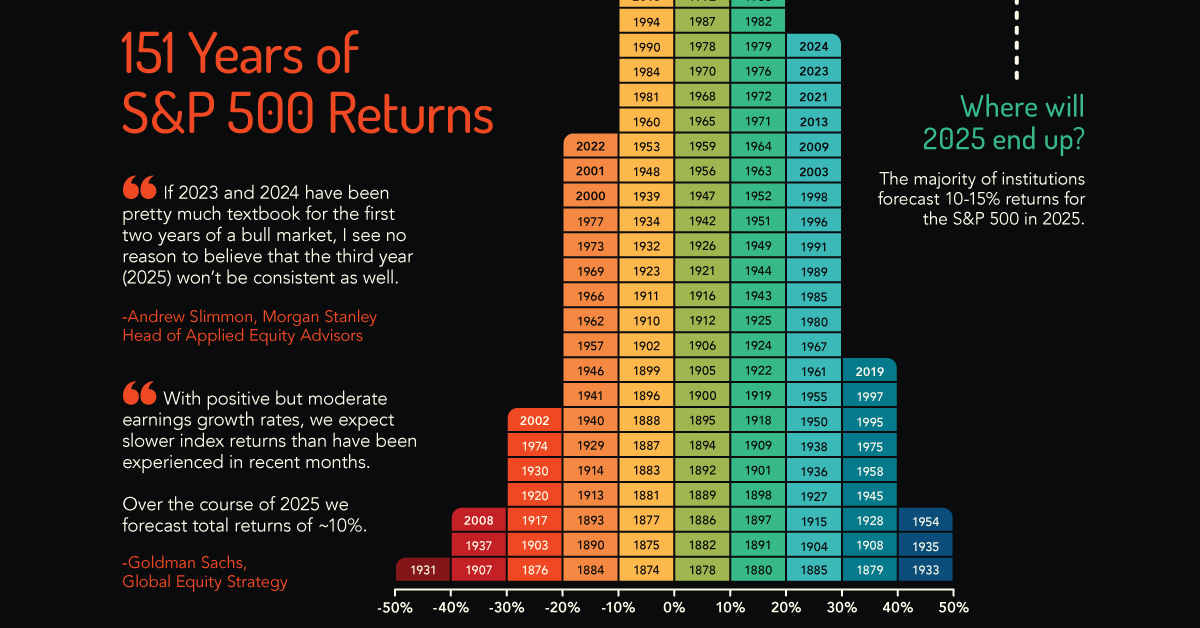
- Historical Performance and Data: The S&P 500 has a long and well-documented history, providing rich data for academic research, economic analysis, and investment strategy development. Its historical average annual return (including dividends) has been around 10-12% over many decades, making it a powerful reference point for long-term growth expectations.
- Liquidity and Accessibility: The constituent companies are among the most liquid stocks globally, making the index easy to track and replicate. For the average investor, gaining exposure to the S&P 500 is highly accessible through low-cost exchange-traded funds (ETFs) and mutual funds, making it a cornerstone of many diversified portfolios.
- Widely Recognized: Its ubiquitous presence in financial news and analysis means that its performance is easily understood and referenced by investors, financial professionals, and the public alike. When someone talks about “the market,” they often implicitly mean the S&P 500.
In summary, when we discuss the S&P 500’s YTD return, we are not just talking about a subset of stocks; we are discussing the recent performance of the vast majority of the U.S. equity market, offering a critical lens through which to view economic vitality and investment opportunities.
How to Track and Interpret S&P 500 YTD Performance
Accessing the S&P 500’s YTD performance data is straightforward, but interpreting it effectively requires more than just looking at a single number. Investors need to understand where to find reliable information and how to contextualize the figures to draw meaningful conclusions.
Reliable Sources for YTD Data
The digital age has made financial data readily available from numerous reputable sources. For the S&P 500’s YTD return, investors can turn to:
- Financial News Websites: Major financial publications and news outlets are excellent daily sources. Websites like Bloomberg.com, Reuters.com, WallStreetJournal.com, Yahoo Finance, and Google Finance typically display the S&P 500’s performance prominently, often including the YTD percentage.
- Index Provider Websites: The official source, S&P Dow Jones Indices (www.spglobal.com/spdji), provides the most accurate and up-to-date data, along with detailed methodologies and historical information.
- Brokerage Platforms: Most online brokerage accounts (e.g., Fidelity, Schwab, Vanguard, E*TRADE) offer sophisticated dashboards where you can track the S&P 500, often allowing for custom timeframes including YTD.
- Financial Data Providers: Services like FactSet, Refinitiv (formerly Thomson Reuters Eikon), and Capital IQ offer institutional-grade data, though these are typically subscription-based and geared towards professionals.
When sourcing data, always ensure that the YTD figure you are viewing specifies whether it is a “price return” or “total return.” The total return includes the reinvestment of dividends, offering a more accurate picture of an investor’s actual return, whereas price return only reflects capital appreciation. For most investors, total return is the more relevant metric.
Interpreting YTD Numbers: Beyond the Percentage
A YTD return is more than just a positive or negative percentage; its true meaning unfolds within a broader context.
- Context is Key: A 15% YTD return sounds impressive, but it’s essential to compare it. Is this typical for the market? How does it compare to historical averages for the S&P 500 (which is historically around 10-12% annually, including dividends)? A 15% YTD in a year where the market was expected to surge might be merely “meeting expectations,” whereas the same return in an otherwise sluggish market would be exceptional.
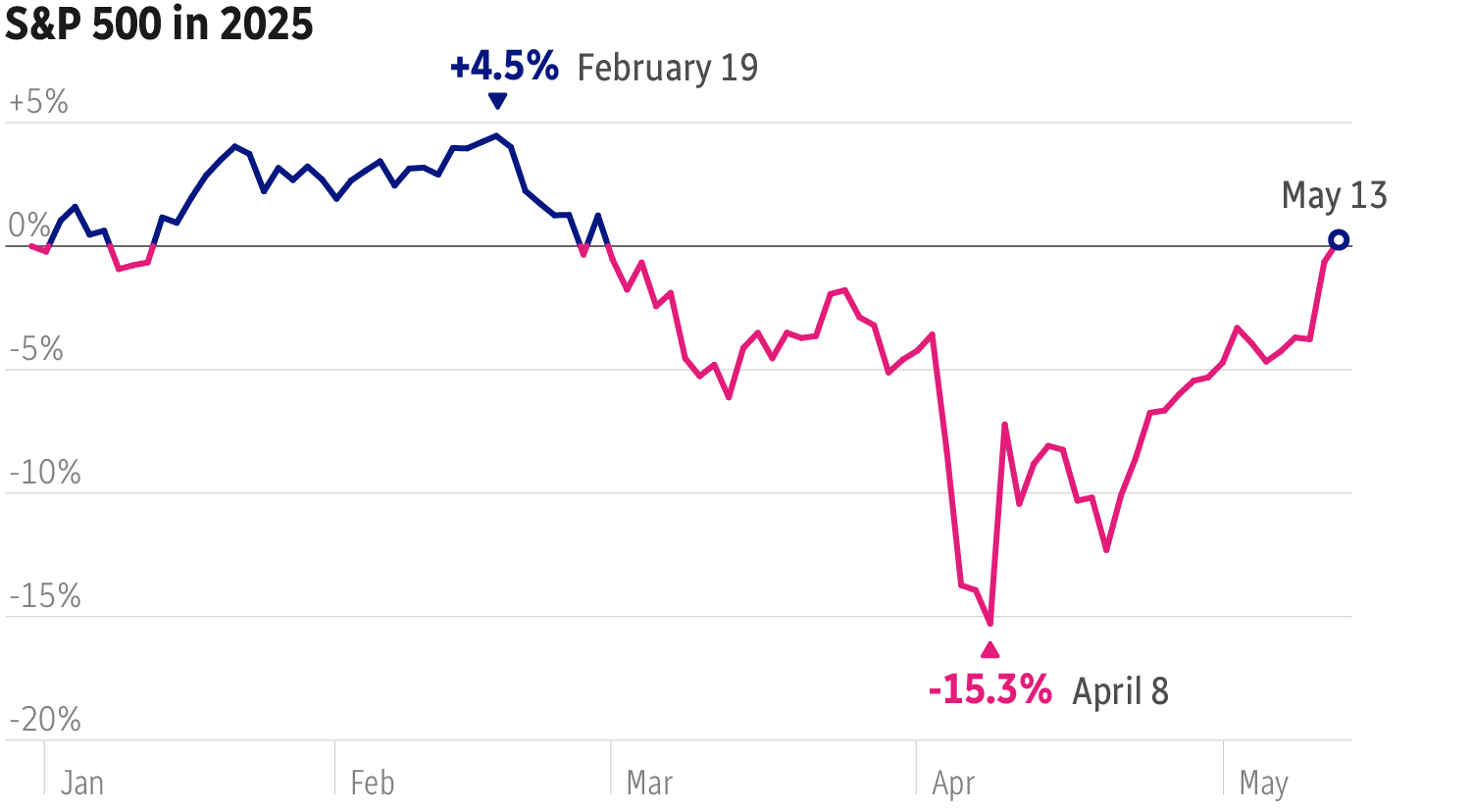
- Volatility and Fluctuations: YTD numbers are dynamic, changing daily, even hourly, during trading sessions. Investors should avoid overreacting to daily swings. A significant dip one day might be partially recovered the next. It’s a cumulative measure, not a fixed prediction.
- Economic Backdrop: What are the prevailing economic conditions? High inflation, rising interest rates, geopolitical tensions, or strong corporate earnings reports all play a role. A negative YTD might be understandable during a recession, while a flat YTD during a booming economy could be a cause for concern.
- Don’t Isolate the Metric: YTD should not be viewed in isolation. Combine it with other performance metrics like 3-month, 1-year, 3-year, or 5-year returns to gain a more holistic understanding of trends and long-term performance. A strong YTD after several years of poor performance might just be a short-term rebound rather than the start of a new bull market.
- Total Return vs. Price Return: As mentioned, always prioritize the total return. Dividends, though small individually, compound significantly over time and are a crucial component of overall investor returns. Ignoring them understates the true performance.
Effectively interpreting the S&P 500’s YTD return involves looking beyond the headline number and considering its relationship to historical data, economic forces, and longer-term trends. It’s a snapshot, not the entire movie.
Factors Influencing S&P 500 Returns
The S&P 500’s performance, and by extension its year-to-date return, is a complex interplay of numerous macroeconomic, corporate, and political factors. Understanding these influences is crucial for appreciating the volatility and potential trajectory of the market.
Economic Indicators
The health of the broader economy is the single most significant driver of corporate profitability and, consequently, stock market performance. Key economic indicators include:
- Gross Domestic Product (GDP) Growth: A robust and expanding GDP typically correlates with higher corporate earnings as consumer spending and business investments increase. Conversely, slowing GDP growth or a recession often weighs heavily on the S&P 500.
- Inflation: High inflation can erode corporate profit margins (as input costs rise) and reduce consumer purchasing power. Central bank responses to inflation, particularly interest rate hikes, can also make equities less attractive compared to fixed-income investments.
- Employment Data: Strong job growth and low unemployment rates signal a healthy labor market, which supports consumer spending and overall economic activity. Conversely, rising unemployment often foreshadows economic slowdowns.
- Consumer Confidence: Surveys of consumer sentiment provide insight into spending intentions. Confident consumers are more likely to spend, boosting demand for goods and services offered by S&P 500 companies.
Corporate Earnings and Guidance
At the core of stock valuations are the earnings of the underlying companies. The aggregate earnings of the 500 S&P companies are a direct measure of their collective profitability.
- Earnings Season: Quarterly earnings reports are major market movers. When a significant number of S&P 500 companies report better-than-expected earnings, the index tends to rise. Missed expectations can lead to declines.
- Future Guidance: Perhaps even more critical than past earnings is the forward-looking guidance provided by company management. Optimistic outlooks on future revenue and profit growth can propel stocks higher, while cautious or negative guidance can lead to sharp sell-offs, even if current earnings were good.
Monetary and Fiscal Policy
Government and central bank actions have a profound impact on financial markets.
- Interest Rates (Monetary Policy): The Federal Reserve’s decisions on benchmark interest rates directly affect borrowing costs for businesses and consumers. Lower rates can stimulate economic growth and make stocks more attractive by reducing the discount rate applied to future earnings. Higher rates can slow the economy and increase the appeal of bonds over equities.
- Quantitative Easing/Tightening: The Fed’s balance sheet policies, such as buying (QE) or selling (QT) government bonds, influence market liquidity. QE typically supports asset prices, while QT can have a tightening effect.
- Government Spending and Taxation (Fiscal Policy): Legislative decisions on government spending, infrastructure projects, and corporate or individual tax rates can significantly impact economic activity and corporate profitability, directly influencing the S&P 500.
Geopolitical Events and Market Sentiment
External shocks and the collective mood of investors can also introduce significant volatility.
- Geopolitical Events: Wars, trade disputes, political instability in major economies, or international crises can create uncertainty, disrupt supply chains, and reduce global demand, often leading to market downturns.
- Market Sentiment and Psychology: Investor emotions, such as fear and greed, can sometimes override fundamental analysis. Periods of irrational exuberance or panic can lead to market bubbles or crashes that deviate from economic reality, at least in the short term. News cycles, social media, and herd mentality can amplify these sentiments.
These factors rarely act in isolation. Instead, they interact dynamically, creating the complex ebb and flow that characterizes the S&P 500’s daily, monthly, and year-to-date performance.
Integrating S&P 500 YTD Data into Your Investment Strategy
While the S&P 500’s year-to-date return is a powerful metric, its true value lies not in predicting the future but in providing context and serving as a benchmark for sound investment decision-making. Investors should integrate this data thoughtfully, always maintaining a long-term perspective.
As a Performance Benchmark for Your Portfolio
One of the most practical applications of the S&P 500 YTD return is as a standard against which to measure your own investment portfolio’s performance.
- Relative Performance Assessment: By comparing your portfolio’s YTD return to that of the S&P 500 (assuming your portfolio has a similar risk profile and U.S. large-cap equity exposure), you can gauge whether you are outperforming, underperforming, or simply tracking the broader market. If your portfolio is consistently underperforming the S&P 500 with a similar risk level, it might prompt a review of your investment choices, diversification, or investment fees.
- Evaluating Active Management: For those who use actively managed mutual funds or individual stock picking, the S&P 500 YTD provides a crucial benchmark for evaluating the effectiveness of these strategies. If an actively managed fund consistently trails the S&P 500 over various periods, it raises questions about the value it adds.
- Context for Passive Investors: If you invest primarily in S&P 500 index funds or ETFs, your portfolio’s YTD return should closely mirror that of the index (minus minimal expense ratios). Significant deviations would warrant investigation into tracking errors or fund-specific issues.
Informing Asset Allocation Decisions (Cautiously)
While YTD data should not be the sole driver of significant asset allocation changes, it can be one piece of the puzzle that informs prudent adjustments.
- Avoiding Market Timing: A common mistake is to react impulsively to a strong or weak YTD performance by trying to “time the market.” For example, a strong YTD might lead some to fear a correction and sell, potentially missing further gains. Conversely, a negative YTD might prompt selling at a loss, missing a subsequent rebound. Such actions are notoriously difficult to execute successfully and often detrimental to long-term wealth creation.
- Reviewing Risk Tolerance: A particularly volatile or negative YTD in the S&P 500 might prompt a self-assessment of your personal risk tolerance. If market downturns are causing significant anxiety, it might be a sign to review your overall asset allocation to ensure it aligns with your comfort level and financial goals, perhaps by increasing exposure to less volatile assets.
- Diversification Check: A YTD showing that only a few sectors or companies within the S&P 500 are driving all the gains (or losses) can highlight concentration risks and prompt a review of your own portfolio’s diversification across sectors and asset classes.
The Importance of a Long-Term Perspective
Perhaps the most critical principle when considering the S&P 500’s YTD return is to place it firmly within a long-term investment framework.
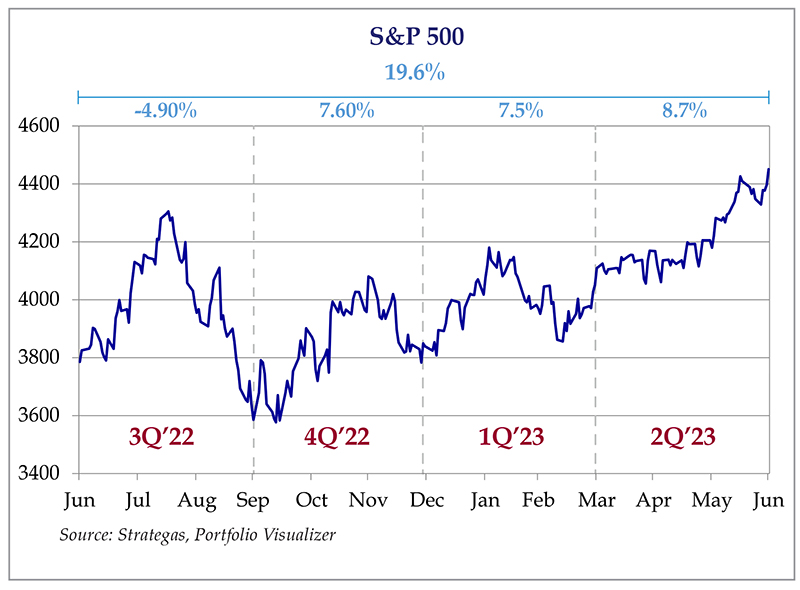
- Short-Term vs. Long-Term: YTD is inherently a short-term metric. The stock market is prone to fluctuations over short periods, driven by news, sentiment, and cyclical trends. However, over decades, the S&P 500 has consistently demonstrated an upward trend, delivering substantial returns for patient investors.
- Focus on Goals, Not Daily Swings: A well-defined investment plan is built around personal financial goals (retirement, home purchase, education), not daily or yearly market movements. Consistent investing through strategies like dollar-cost averaging (investing a fixed amount regularly, regardless of market highs or lows) tends to outperform attempts to time the market.
- Compounding Power: The real power of investing in indices like the S&P 500 comes from the magic of compounding over extended periods. Small, consistent gains, especially when dividends are reinvested, can lead to significant wealth accumulation over 10, 20, or 30 years, far outweighing the impact of any single year’s YTD return.
In conclusion, the S&P 500’s year-to-date return is a powerful and popular gauge of market performance, offering a quick snapshot of the U.S. equity market’s trajectory. Understanding its definition, its role as a benchmark, and the forces that shape it is essential for any investor. However, its true utility comes from using it as an informational tool and a performance metric within the context of a well-defined, diversified, and long-term investment strategy, rather than as a prompt for impulsive decisions. Informed investors look beyond the immediate number, grasp its context, and integrate it into a comprehensive plan that prioritizes enduring financial goals.
aViewFromTheCave is a participant in the Amazon Services LLC Associates Program, an affiliate advertising program designed to provide a means for sites to earn advertising fees by advertising and linking to Amazon.com. Amazon, the Amazon logo, AmazonSupply, and the AmazonSupply logo are trademarks of Amazon.com, Inc. or its affiliates. As an Amazon Associate we earn affiliate commissions from qualifying purchases.