
As electric vehicle (EV) adoption moves from early-adopter novelty to mainstream necessity, homeowners are increasingly viewing the installation of a dedicated charging station not just as a convenience, but as a strategic financial investment. For Tesla owners, the “Wall Connector” is the gold standard for home charging. However, the question of “how much” goes far beyond the sticker price of the hardware. To truly understand the financial impact of installing a Tesla Wall Charger, one must analyze the initial capital expenditure, the variables of professional labor, and the long-term return on investment (ROI) through incentives and increased property value.
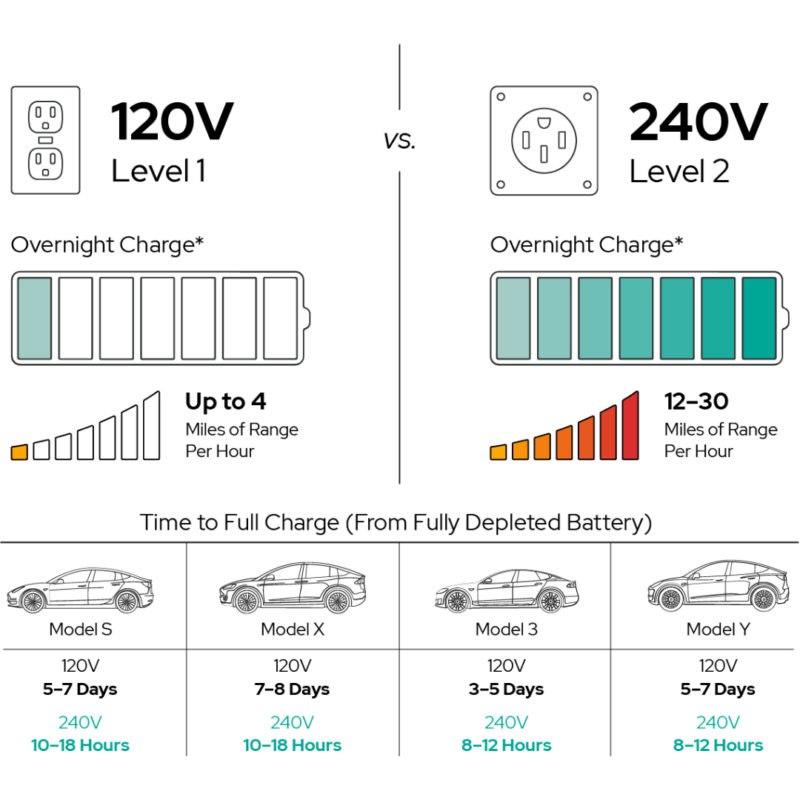
Initial Investment: Breaking Down Hardware and Labor Costs
The first step in budgeting for a Tesla home charging setup is distinguishing between the fixed cost of the equipment and the highly variable cost of installation. Unlike a standard consumer electronic device, a Wall Connector is a piece of high-voltage industrial equipment that requires professional integration into your home’s electrical ecosystem.
The Hardware: Purchasing the Tesla Wall Connector
The Tesla Wall Connector (Gen 3) generally retails for approximately $450 to $500, depending on current promotions and regional pricing. From a personal finance perspective, this is a relatively modest entry cost for a high-efficiency power delivery system. However, it is important to note that this price only covers the unit itself and the 24-foot cable. It does not include the mounting hardware for all wall types or the circuit breaker required for your electrical panel, which will be handled during the installation phase.
Professional Installation Fees: Why Labor Costs Vary
Labor is the most unpredictable variable in the financial equation. On average, a professional installation by a certified electrician ranges from $500 to $1,500. This disparity is rarely arbitrary; it is driven by the complexity of the electrical work. If your garage is adjacent to your electrical panel, you may find quotes on the lower end of the spectrum. Conversely, if the electrician needs to run conduit across a finished basement or through an attic, the labor hours—and the subsequent invoice—will increase. In the niche of personal finance, it is always recommended to obtain at least three competitive bids from “Tesla Certified” installers to ensure you are paying market rates.
Essential Permit and Inspection Expenses
A common oversight in home improvement budgeting is the cost of municipal permits and inspections. Depending on your jurisdiction, an electrical permit can cost anywhere from $50 to $250. While it may be tempting to bypass this step to save money, it is a poor financial decision in the long run. Unpermitted electrical work can void homeowners’ insurance policies in the event of a fire and can complicate the sale of a home during the inspection phase. Viewing the permit fee as an “insurance policy” for your investment is the correct financial mindset.
Factors Influencing Total Project Costs
When calculating the total cost of ownership, several hidden variables can shift a project from a $1,000 minor upgrade to a $4,000 major electrical overhaul. Understanding these factors allows for a more accurate side-hustle or household budget allocation.
Electrical Panel Upgrades and Capacity
The Tesla Wall Connector can draw up to 48 amps, which typically requires a 60-amp circuit breaker. Many older homes are equipped with 100-amp or 125-amp main panels that may already be near capacity. If your current panel cannot handle the additional load, a panel upgrade to 200 amps may be required. This upgrade alone can cost between $1,500 and $3,000. From a financial planning perspective, if your home is more than 30 years old, you should build a “contingency fund” into your installation budget to account for this potential necessity.
Distance from Breaker Box to Installation Point
The cost of materials—specifically copper wiring—has fluctuated significantly in recent years. The further your Tesla Wall Connector is from your electrical panel, the more you will pay for wire and conduit. Heavy-duty 6-gauge or 4-gauge wire is expensive. If the installation requires a 50-foot run through walls or underground, the material costs can easily add $300 to $500 to the bill. Strategic placement of the charger to minimize distance is one of the most effective ways to reduce the total project cost.

Material Quality and Conduit Requirements
In many regions, building codes require “hard-piped” conduit (EMT or PVC) for high-voltage lines, especially if they are exposed in a garage or on an exterior wall. While more expensive than flexible cabling, high-quality materials ensure the longevity of the installation. Investing in durable materials at the outset prevents future repair costs and ensures the system operates at peak efficiency, which preserves the life of your vehicle’s battery—another critical financial asset.
Financial Incentives: Leveraging Tax Credits and Rebates
One of the most compelling aspects of the “Money” niche regarding EV infrastructure is the availability of government and utility subsidies. These programs can often offset 30% to 100% of the installation costs, turning a significant expense into a manageable investment.
Federal Tax Credits for EV Infrastructure
In the United States, the Alternative Fuel Vehicle Refueling Property Credit (IRS Form 8911) has historically allowed homeowners to claim a tax credit of 30% of the cost of hardware and installation, up to $1,000. For a project costing $1,500, this represents a $450 direct reduction in your tax liability. It is crucial to consult with a tax professional to ensure you meet the geographic requirements, as some current iterations of the credit are tied to specific census tracts labeled as “low-income” or “non-urban.”
State and Local Utility Rebate Programs
Many local utility companies offer “make-ready” programs or direct rebates for the installation of Level 2 chargers. Utilities are incentivized to encourage home charging to better manage grid load. Some companies offer rebates of $250 to $1,000, effectively making the hardware “free” for the consumer. Additionally, some regions offer sales tax exemptions on the purchase of EV charging equipment. Researching these local opportunities is the highest-leverage activity a homeowner can perform to reduce their capital outlay.
Off-Peak Charging Rates and Long-term Savings
Beyond the initial installation, the Wall Connector allows users to program charging for “Time-of-Use” (TOU) windows. By charging your vehicle between midnight and 6:00 AM, you can access significantly lower electricity rates. In some markets, off-peak rates are 50% lower than standard rates. Over the course of 100,000 miles, the difference between charging at peak rates versus off-peak rates can amount to thousands of dollars in savings, providing a clear path to recouping the installation cost of the Wall Connector.
The Long-Term Financial Outlook: Home Value and ROI
When evaluating the cost of a Tesla Wall Charger, it should be viewed through the lens of asset management rather than a simple expense. Like a renovated kitchen or a new HVAC system, EV readiness is a feature that modern homebuyers are willing to pay a premium for.
Real Estate Appreciation and EV Readiness
As the automotive market shifts toward electric, a home with a pre-installed Level 2 charger becomes significantly more attractive. Real estate data suggests that “EV-ready” homes sell faster and often at a higher price point than comparable homes without charging infrastructure. In some luxury markets, a Tesla Wall Connector is now considered a standard expectation. The $1,500 spent today could contribute to a $3,000 to $5,000 increase in perceived home value during a future appraisal.
Comparing Home Charging Costs to Supercharging and Gasoline
The ROI of a Wall Connector is most visible when compared to alternative fueling methods. Supercharging is convenient but can cost two to three times as much per kilowatt-hour as home charging. Furthermore, when compared to a traditional internal combustion engine (ICE) vehicle, the savings are even more dramatic. An average driver might spend $2,000 per year on gasoline, whereas home charging for the same mileage might cost only $500. At this rate, the Wall Connector and its installation pay for themselves in less than a year of fuel savings.
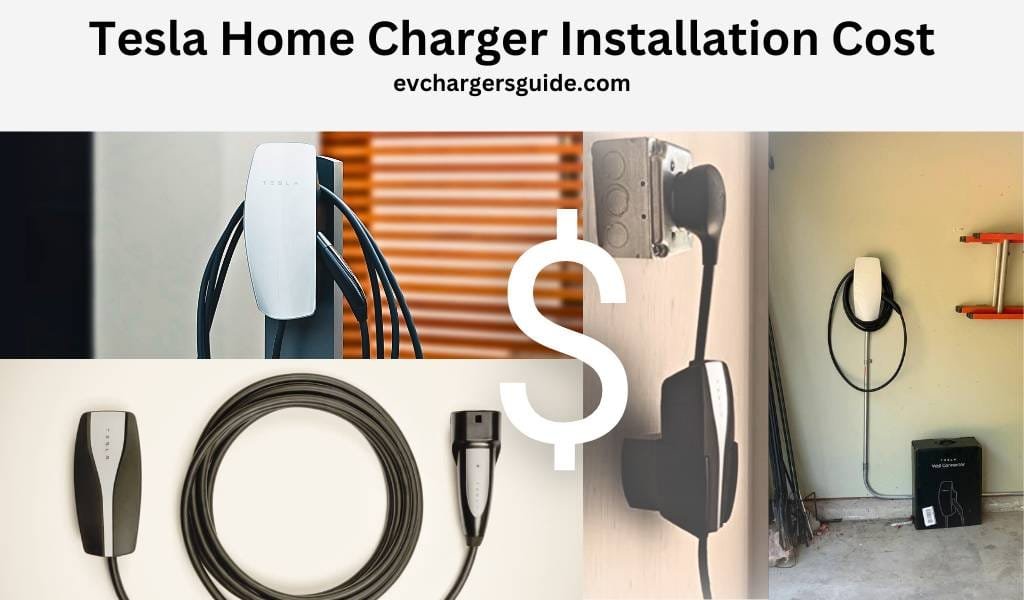
Maintenance and Depreciation of the Charging Asset
Finally, it is worth noting that the Tesla Wall Connector is a rugged, low-maintenance device. Unlike portable mobile connectors that may suffer from wear and tear due to constant plugging and unplugging, a hardwired Wall Connector is designed to last for a decade or more. Its depreciation rate is low, and its utility remains high throughout the life of your home ownership. By treating the installation as a strategic capital improvement, you ensure that your personal finances remain robust while you transition into the future of sustainable transportation.
aViewFromTheCave is a participant in the Amazon Services LLC Associates Program, an affiliate advertising program designed to provide a means for sites to earn advertising fees by advertising and linking to Amazon.com. Amazon, the Amazon logo, AmazonSupply, and the AmazonSupply logo are trademarks of Amazon.com, Inc. or its affiliates. As an Amazon Associate we earn affiliate commissions from qualifying purchases.