
The world of investing, once perceived as an exclusive domain for the wealthy or financial professionals, has undergone a revolutionary transformation thanks to the internet. Today, anyone with an internet connection and a desire to grow their wealth can learn how to buy shares online, gaining direct access to global stock markets. This accessibility has democratized investing, empowering individuals to take control of their financial futures. However, navigating this landscape requires a foundational understanding of what shares are, how online platforms work, and the strategic considerations vital for successful investing. This comprehensive guide will demystify the process, providing you with a clear roadmap to confidently purchase shares online, build a robust investment portfolio, and embark on your journey towards financial independence.
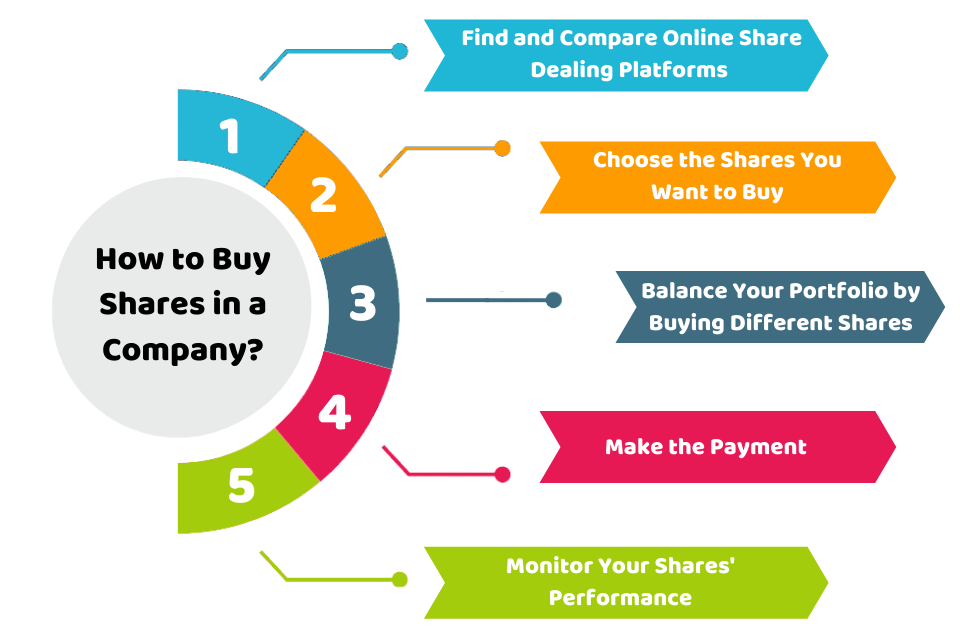
Understanding the Fundamentals of Share Investing
Before diving into the mechanics of online share purchasing, it’s crucial to grasp the basic concepts of what you’re buying and why. A solid understanding forms the bedrock of informed investment decisions.
What are Shares (Stocks)?
At its core, a share, often referred to as a stock or equity, represents a fractional ownership interest in a public company. When you buy a share, you become a part-owner of that company. This ownership stake, while typically small for individual investors, grants you certain rights, such as a claim on the company’s earnings and assets, and often, the right to vote on corporate matters at shareholder meetings. Companies issue shares to raise capital for various purposes, such as expanding operations, research and development, or paying off debt. The value of these shares fluctuates based on market demand, company performance, economic conditions, and investor sentiment.
Why Invest in Shares?
Investing in shares offers several compelling benefits that make it a cornerstone of long-term wealth creation. Primarily, shares offer the potential for significant capital appreciation. As a company grows and its profitability increases, its share price typically rises, allowing investors to sell their shares for more than they paid. Beyond capital gains, many companies also pay dividends – a portion of their profits distributed to shareholders, providing a regular income stream. Over the long term, shares have historically outperformed other asset classes like bonds or savings accounts, making them a powerful tool for combating inflation and growing purchasing power. They also offer diversification benefits when combined with other types of investments, contributing to a balanced portfolio.
Key Investment Concepts and Risks
While the allure of returns is strong, investing in shares is not without its risks. The value of your investment can go down as well as up, and you could lose money. Understanding key concepts helps mitigate these risks. Diversification is paramount: spreading your investments across various companies, industries, and even asset classes reduces the impact of a poor performance by any single investment. Risk tolerance refers to your comfort level with potential losses; it’s vital to invest within this boundary. Long-term vs. Short-term investing dictates strategy; long-term investors often ride out market volatility, while short-term traders aim to profit from quick price movements, a strategy that typically carries higher risk. Understanding the relationship between risk and reward is fundamental to making sound investment decisions tailored to your personal financial goals and temperament.
Choosing the Right Online Brokerage Platform
The gateway to buying shares online is an online brokerage platform. Selecting the right one is a critical decision that can significantly impact your investing experience, costs, and access to tools.
Types of Brokers: Discount vs. Full-Service
Online brokers generally fall into two main categories: discount brokers and full-service brokers. Discount brokers offer a streamlined, self-directed experience, primarily executing trades at a lower cost. They provide tools for research and analysis but offer minimal or no personalized advice. This model is ideal for investors who are comfortable making their own investment decisions. Full-service brokers, on the other hand, provide a comprehensive suite of services, including personalized financial advice, wealth management, tax planning, and access to exclusive research. While they offer invaluable guidance, their services come with significantly higher fees, usually a percentage of assets under management or higher commission per trade. For most new online share buyers, a discount brokerage offers the best balance of cost-efficiency and necessary tools.
Key Factors to Consider When Choosing a Broker
When evaluating online brokerage platforms, several factors should guide your decision:
- Fees and Commissions: This is often the primary consideration. Look for platforms with low or zero commissions on stock trades. Be aware of other potential fees, such as account maintenance fees, inactivity fees, or fees for specific types of transactions (e.g., options, mutual funds).
- Platform Features and User Interface: The platform should be intuitive and easy to navigate, especially for beginners. Look for features like real-time quotes, customizable watchlists, charting tools, and a seamless trading experience on both desktop and mobile devices.
- Research and Educational Resources: A good broker provides access to robust research reports, market news, analyst ratings, and educational materials (webinars, articles, tutorials). These resources are invaluable for making informed decisions.
- Customer Support: While you’re primarily self-directed, accessible and responsive customer support (via phone, email, or chat) is crucial for when you encounter issues or have questions.
- Regulatory Compliance and Security: Ensure the broker is regulated by relevant financial authorities (e.g., SEC and FINRA in the US, FCA in the UK) and offers robust security measures, including two-factor authentication and SIPC or FSCS protection for your assets.
- Investment Options: Check if the platform offers access to the types of investments you’re interested in beyond just individual stocks, such as ETFs, mutual funds, bonds, or international markets.
Popular Online Brokerage Examples
While specific recommendations can vary by region and individual needs, examples of widely recognized online brokerages that often cater well to individuals looking to buy shares online include platforms like Charles Schwab, Fidelity, TD Ameritrade (now part of Schwab), E*TRADE, Vanguard, Interactive Brokers, and newer commission-free apps like Robinhood (though the latter requires careful consideration of its business model and educational resources). Each has its strengths in terms of fee structure, platform tools, or investment offerings. It’s advisable to research and compare several options based on the factors listed above to find the best fit for your personal investing style and financial goals.
The Step-by-Step Process of Opening an Account
Once you’ve selected an online brokerage that aligns with your needs, the next step is to open and fund your investment account. This process is typically straightforward and can often be completed entirely online.
Gather Necessary Documents
Before you begin the online application, ensure you have the required documentation readily available. This will expedite the process. You’ll typically need:
- Proof of Identity: A valid government-issued ID, such as a passport, driver’s license, or national ID card.
- Proof of Address: A recent utility bill, bank statement, or similar document showing your residential address.
- Bank Account Details: The routing and account number of your checking or savings account from which you’ll fund your investment account.
- Tax Information: Your Social Security Number (SSN) or Tax Identification Number (TIN).
Some brokers may also ask for employment details or financial information to assess your suitability for certain types of investments, adhering to regulatory “Know Your Customer” (KYC) requirements.
Application and Verification
The account opening process usually involves filling out an online application form. This form will ask for your personal details, financial information, investment objectives, and risk tolerance. Be honest and accurate in your responses. After submitting the application, the broker will begin the verification process. This often involves electronically verifying your identity and address using the documents you provided. In some cases, they might request you to upload digital copies of your documents or even mail physical copies. This verification step is a crucial security measure designed to prevent fraud and comply with anti-money laundering regulations. Once your identity is verified, your account will typically be approved within a few business days.
Funding Your Account
With your account approved, the final step before you can buy shares is to deposit funds into your brokerage account. Most online brokers offer several convenient methods for funding:
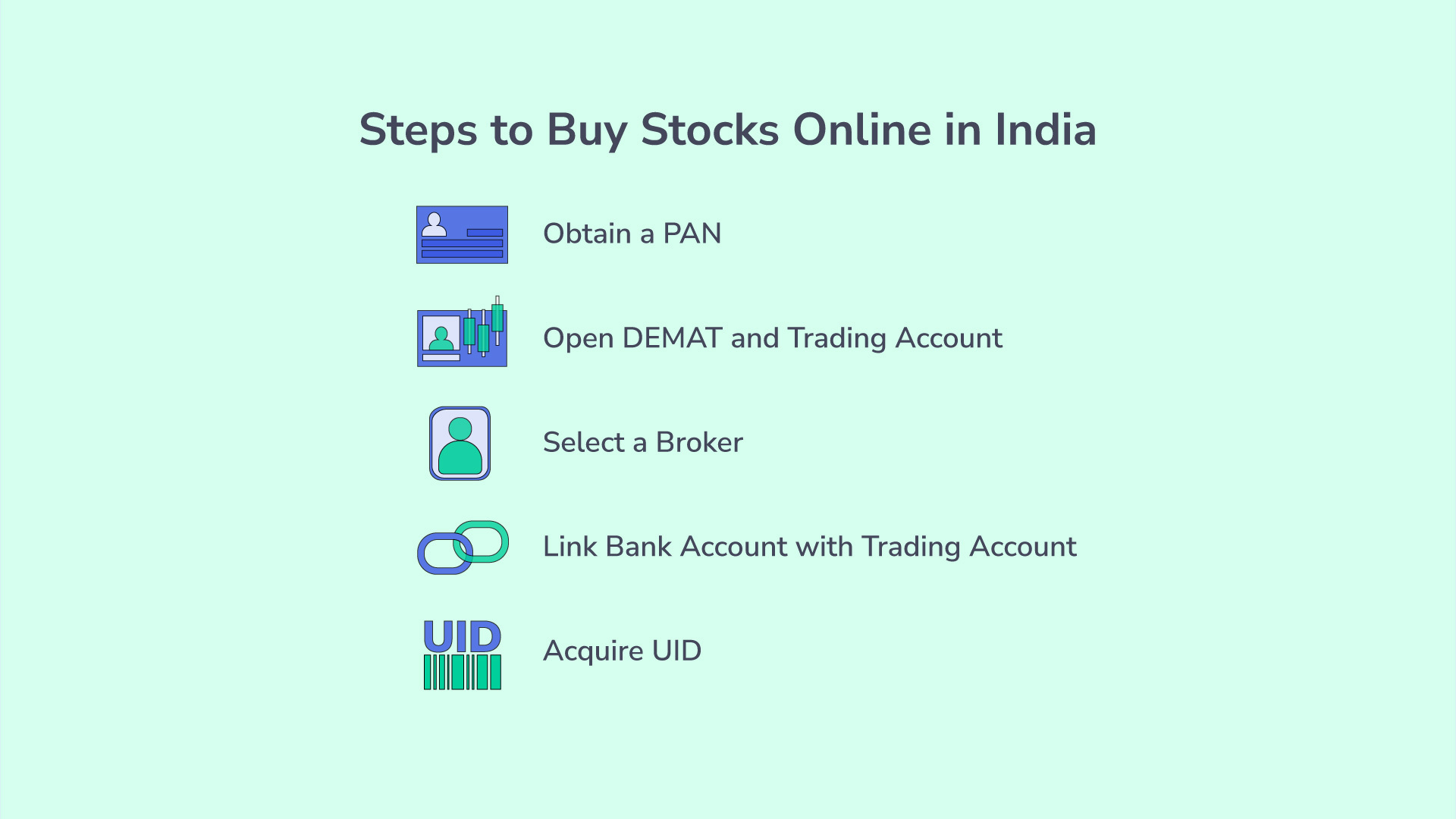
- Electronic Funds Transfer (EFT) / ACH Transfer: This is the most common and often free method, linking your bank account directly to your brokerage account. Funds usually take 1-5 business days to clear.
- Wire Transfer: Faster than EFT but often incurs a fee from your bank. Funds are usually available within one business day.
- Check Deposit: You can mail a physical check, but this is the slowest method, taking several days for the check to clear.
- Account Transfer (ACAT): If you already have an investment account with another brokerage, you can transfer your entire portfolio (or specific assets) to your new account.
Be mindful of any minimum deposit requirements set by the brokerage. Once your funds have settled in your account, you are ready to start buying shares.
Navigating the Online Trading Platform and Placing Your First Order
With a funded account, you can now explore the trading platform and make your first share purchase. This is where your research and strategy come into play.
Understanding the Interface
Online trading platforms can seem complex at first, but familiarity comes with practice. Key areas you’ll typically encounter include:
- Dashboard/Homepage: A summary of your portfolio, account balance, and recent market movements.
- Watchlists: Where you can track companies you’re interested in without owning them.
- Research Tools: Access to company financials, news, analyst reports, and charting tools.
- Order Entry: The section where you specify what shares you want to buy or sell, and how.
- Portfolio View: A detailed breakdown of your current holdings, their performance, and unrealized gains/losses.
- Account Statements: Access to transaction history, tax documents, and performance reports.
Spend some time clicking around and getting comfortable with where everything is located. Many brokers offer demo or paper trading accounts that allow you to practice with virtual money before committing real capital.
Researching and Selecting Shares
This is arguably the most critical step. Never invest in a company without understanding what it does, its financial health, and its industry outlook.
- Fundamental Analysis: Focuses on a company’s intrinsic value by examining its financial statements (revenue, earnings, debt), management, competitive landscape, and overall economic factors. Key metrics include P/E ratio, earnings per share (EPS), and dividend yield.
- Technical Analysis: Involves analyzing historical price charts and trading volumes to identify patterns and predict future price movements. This is often used by short-term traders.
- Stay Informed: Follow financial news, read company reports, and understand broader economic trends. Don’t rely solely on tips or social media hype. Consider companies whose products or services you understand and believe in.
Placing an Order: Market vs. Limit
Once you’ve identified a share to buy, you’ll need to place an order. There are primary types of orders:
- Market Order: This instructs your broker to buy or sell shares immediately at the best available current market price. While quick, the execution price might be slightly different from what you saw just moments before, especially in volatile markets.
- Limit Order: This allows you to specify the maximum price you’re willing to pay for a buy order or the minimum price you’re willing to accept for a sell order. Your order will only be executed if the share price reaches or betters your specified limit. This gives you more control over the price but doesn’t guarantee execution.
For most beginners, a limit order offers a safer way to execute trades, ensuring you don’t overpay.
Understanding Order Types and Execution
Beyond market and limit orders, brokers often offer more advanced order types:
- Stop-Loss Order: An instruction to sell a stock if its price falls to a specified level, designed to limit potential losses.
- Stop-Limit Order: A combination of a stop order and a limit order; it becomes a limit order once the stop price is triggered.
- Day Order: An order that automatically expires at the end of the trading day if not executed.
- Good-Til-Canceled (GTC) Order: An order that remains active until it is executed or until you manually cancel it.
When you place an order, it is sent to the market for execution. Once executed, you’ll receive a confirmation. The shares will then appear in your portfolio.
Managing Your Investments and Long-Term Strategy
Buying shares online is just the beginning. Effective portfolio management and a clear long-term strategy are crucial for sustained success.
Monitoring Your Portfolio and Performance
Regularly review your investment portfolio, but avoid obsessive daily checking, which can lead to emotional decisions. Instead, focus on periodic reviews (monthly or quarterly) to assess how your investments are performing against your goals. Most platforms provide detailed performance reports, showing gains/losses, dividend income, and overall portfolio value. Pay attention to any significant news or developments related to the companies you own. However, resist the urge to react impulsively to short-term market fluctuations; successful investing is often a marathon, not a sprint.
Rebalancing and Diversification
As time passes, your portfolio’s asset allocation might drift from your initial targets due to varying investment performance. Rebalancing involves periodically adjusting your portfolio back to your desired asset allocation by selling off some of your overperforming assets and buying more of your underperforming ones. This helps maintain your desired risk level and ensures diversification. Continual diversification across different companies, industries, and potentially geographies is essential to protect against unforeseen downturns in specific sectors or individual stocks. Consider diversifying not just within stocks but also potentially across other asset classes like bonds or real estate, depending on your broader financial plan.
Tax Implications of Share Investing
Understanding the tax implications of your share investments is vital. In most jurisdictions, capital gains (profits from selling shares) and dividends are subject to taxation. The tax rate on capital gains can vary depending on how long you held the shares (short-term vs. long-term). Dividends are typically taxed as income. Keep meticulous records of all your trades, including purchase prices, sale prices, and any dividends received, as this information will be necessary for filing your annual tax returns. Consult with a tax advisor to understand the specific rules and potential strategies (like tax-loss harvesting) applicable to your situation.
Continuous Learning and Adapting
The financial markets are dynamic and constantly evolving. To be a successful long-term investor, you must commit to continuous learning. Read financial news, books, and reputable investment articles. Stay updated on economic trends, industry innovations, and changes in regulatory environments. Learn from your successes and, more importantly, from your mistakes. As your financial situation, risk tolerance, and investment goals evolve over time, be prepared to adapt your strategy accordingly. Investing is an ongoing journey of education and adaptation.

Conclusion
Buying shares online has never been more accessible, offering a powerful avenue for individuals to build wealth and secure their financial future. By understanding the fundamentals of share investing, diligently selecting a suitable online brokerage, carefully navigating the account setup process, and strategically placing your orders, you can confidently enter the world of stock market investing. Remember that patience, continuous learning, disciplined research, and a commitment to a long-term strategy are the hallmarks of successful investors. While the journey may have its fluctuations, armed with knowledge and a thoughtful approach, you are well-equipped to leverage the power of online investing to achieve your financial aspirations. Start small, learn consistently, and build your wealth one share at a time.
aViewFromTheCave is a participant in the Amazon Services LLC Associates Program, an affiliate advertising program designed to provide a means for sites to earn advertising fees by advertising and linking to Amazon.com. Amazon, the Amazon logo, AmazonSupply, and the AmazonSupply logo are trademarks of Amazon.com, Inc. or its affiliates. As an Amazon Associate we earn affiliate commissions from qualifying purchases.