
In an increasingly complex financial world, the role of a bookkeeper remains indispensable. From small startups to large corporations, every business entity, regardless of its size or industry, relies heavily on meticulous financial record-keeping to ensure its stability, compliance, and growth. For individuals seeking a stable, in-demand career that offers flexibility, the potential for significant online income, and a deep dive into the practicalities of business finance, becoming a bookkeeper presents a compelling path. This comprehensive guide will illuminate the journey to becoming a successful bookkeeper, exploring the essential skills, educational pathways, technological tools, and career opportunities that await.
Understanding the Role of a Modern Bookkeeper
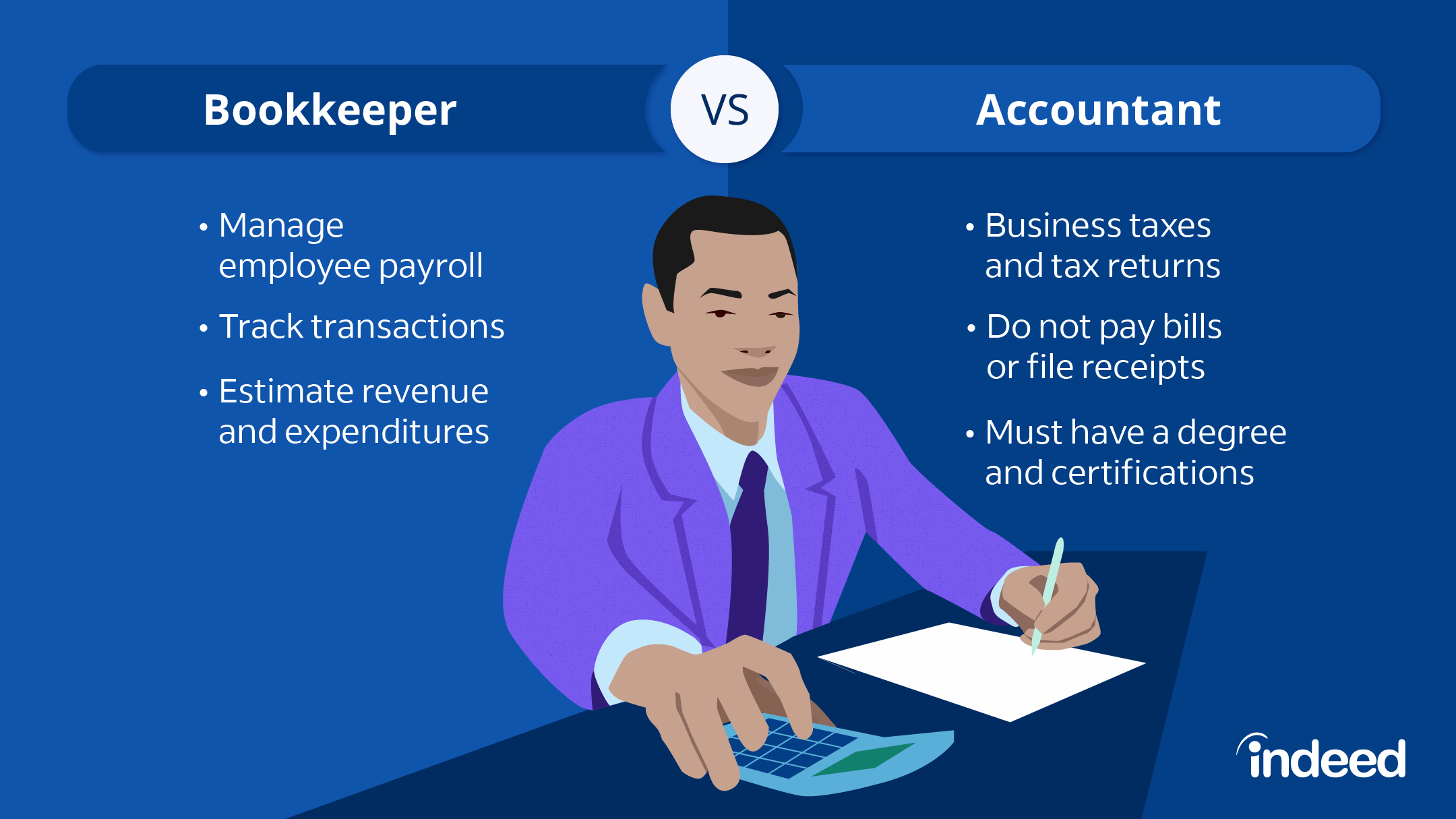
At its core, bookkeeping is the process of recording, classifying, and organizing financial transactions. However, the modern bookkeeper’s role extends far beyond simply “balancing the books.” They are vital cogs in the financial machinery of any organization, providing clarity and insights that drive sound decision-making.
Beyond the Basics: What Bookkeepers Do Today
A bookkeeper’s primary responsibility is to maintain accurate and up-to-date financial records. This involves a range of daily, weekly, and monthly tasks crucial for a business’s financial health. Key responsibilities include:
- Recording Financial Transactions: This is the bedrock of bookkeeping, involving the systematic entry of all financial inflows and outflows—sales, purchases, receipts, and payments—into accounting software. Accuracy here is paramount, as it forms the basis for all subsequent financial analysis.
- Bank and Credit Card Reconciliation: Matching the company’s financial records with bank statements and credit card statements to ensure consistency and identify discrepancies. This process is critical for preventing fraud and ensuring the integrity of financial data.
- Managing Accounts Payable and Receivable: Tracking money owed to the business (accounts receivable) and money owed by the business (accounts payable). Efficient management ensures healthy cash flow, a cornerstone of business finance.
- Processing Payroll: Calculating wages, withholding taxes, and ensuring timely payment to employees, often including the management of benefits and compliance with labor laws.
- Generating Financial Reports: Preparing fundamental financial statements such as the income statement (profit and loss), balance sheet, and cash flow statement. While not typically involved in complex analysis, bookkeepers provide the raw, organized data that accountants and business owners use for strategic planning.
- Tax Preparation Assistance: Organizing and summarizing financial data necessary for tax filings, making the process smoother for businesses and their accountants.
The Value Proposition: Why Businesses Need Bookkeepers
The value a bookkeeper brings to a business is multifaceted, directly impacting its financial efficiency and longevity. They are not merely record-keepers but strategic partners in ensuring fiscal responsibility.
- Financial Clarity and Control: Bookkeepers provide a clear, real-time snapshot of a company’s financial position, allowing business owners to understand their income, expenses, and profitability. This clarity is essential for effective budget management and expenditure control.
- Compliance and Risk Mitigation: By meticulously recording transactions and adhering to accounting principles, bookkeepers help businesses comply with tax regulations and financial reporting standards. This minimizes the risk of audits, penalties, and legal issues.
- Informed Decision-Making: Accurate financial data compiled by bookkeepers serves as the foundation for strategic business decisions. Owners can identify trends, forecast future performance, and make informed choices about investments, expansions, or cost-cutting measures.
- Time and Cost Savings: For business owners, especially those of small and medium-sized enterprises (SMEs), delegating bookkeeping tasks frees up valuable time that can be better spent on core business operations, sales, or product development. It’s often more cost-effective to hire a bookkeeper than to manage these complex tasks internally without specialized expertise.
- Improved Cash Flow Management: By diligently tracking accounts receivable and payable, bookkeepers play a critical role in optimizing cash flow, ensuring that a business has sufficient liquidity to meet its obligations and seize opportunities.
Essential Skills and Education for Aspiring Bookkeepers
Embarking on a career in bookkeeping requires a blend of fundamental abilities and specialized knowledge. While formal education can certainly accelerate the process, many paths lead to success in this profession.
Core Competencies: The Non-Negotiables
Certain innate and developed skills are crucial for anyone looking to excel as a bookkeeper:
- Attention to Detail: This is perhaps the most critical skill. Bookkeeping involves working with precise figures and ensuring every transaction is recorded accurately. A single misplaced digit can have significant financial repercussions.
- Organizational Skills: Bookkeepers manage a high volume of financial documents and data. The ability to categorize, file, and retrieve information efficiently is essential for maintaining order and facilitating quick access.
- Analytical Thinking: While not expected to perform deep financial analysis like an accountant, bookkeepers need to spot discrepancies, understand the implications of different transactions, and identify potential issues that require further investigation.
- Basic Mathematical Aptitude: Proficiency in fundamental arithmetic (addition, subtraction, multiplication, division) is a given. While software handles complex calculations, understanding the underlying math is crucial for verification and problem-solving.
- Ethical Conduct and Integrity: Bookkeepers handle sensitive financial information. Upholding high ethical standards, maintaining confidentiality, and demonstrating unwavering integrity are non-negotiable aspects of the role. Trustworthiness is paramount in this profession.
- Communication Skills: Bookkeepers frequently interact with clients, colleagues, and sometimes external auditors. The ability to clearly explain financial information, ask pertinent questions, and report findings effectively is highly valued.
Educational Pathways: From Self-Taught to Certified
The journey to becoming a bookkeeper can take various forms, offering flexibility depending on an individual’s background, time commitment, and career aspirations.
- High School Diploma or GED: This is the absolute minimum requirement for most entry-level bookkeeping positions. However, a diploma alone is rarely sufficient to secure a competitive role without additional training or experience.
- Vocational Training and Community College Programs: Many community colleges and vocational schools offer certificate or associate’s degree programs in bookkeeping or accounting. These programs typically cover fundamental accounting principles, payroll, tax preparation basics, and popular accounting software. They provide a structured learning environment and practical skills.
- Online Courses and Bootcamps: The digital age has opened up a wealth of online learning opportunities. Platforms like Coursera, Udemy, edX, and specialized accounting education providers offer comprehensive courses specifically designed for aspiring bookkeepers. These can be more flexible and often more affordable than traditional schooling, making them ideal for individuals seeking to transition careers or learn while working.
- Professional Certifications: Obtaining a professional certification significantly enhances credibility and marketability.
- Certified Bookkeeper (CB): Offered by the American Institute of Professional Bookkeepers (AIPB), this certification demonstrates a high level of proficiency in various bookkeeping functions.
- Certified Public Bookkeeper (CPB): Provided by the National Association of Certified Public Bookkeepers (NACPB), this credential focuses on tax, payroll, and financial statement preparation.
- QuickBooks Certified ProAdvisor: Given the prevalence of QuickBooks software, this certification is highly beneficial, especially for those planning to work with small businesses or start their own bookkeeping service. Similar certifications exist for other popular software like Xero.
While not strictly mandatory for all roles, a combination of structured learning and professional certification not only solidifies your knowledge base but also signals to potential employers or clients that you possess a recognized standard of expertise, often leading to higher earning potential.
Leveraging Technology and Tools in Bookkeeping
The landscape of bookkeeping has been revolutionized by technology. Manual ledgers have largely been replaced by sophisticated software, transforming the efficiency and accuracy of financial record-keeping. Embracing and mastering these tools is critical for any modern bookkeeper.
Mastering Modern Bookkeeping Software
Proficiency in accounting software is no longer an advantage but a fundamental requirement. These financial tools automate many repetitive tasks, reduce human error, and provide real-time financial insights.
- QuickBooks: Dominating the small business market, QuickBooks offers desktop and online versions with robust features for invoicing, expense tracking, payroll, and reporting. Becoming a QuickBooks Certified ProAdvisor is an excellent way to demonstrate expertise.
- Xero: A popular cloud-based alternative, Xero is known for its user-friendly interface and strong integration capabilities with other business apps. It’s particularly favored by small businesses and startups.
- Sage: Sage offers a suite of accounting software solutions ranging from entry-level to enterprise-level, catering to various business sizes and complexities.
- FreshBooks: Designed specifically for freelancers and small service-based businesses, FreshBooks focuses on invoicing, expense tracking, and time tracking.
- Zoho Books: Part of the larger Zoho ecosystem, Zoho Books provides comprehensive accounting features, including inventory management and project billing, at a competitive price point.
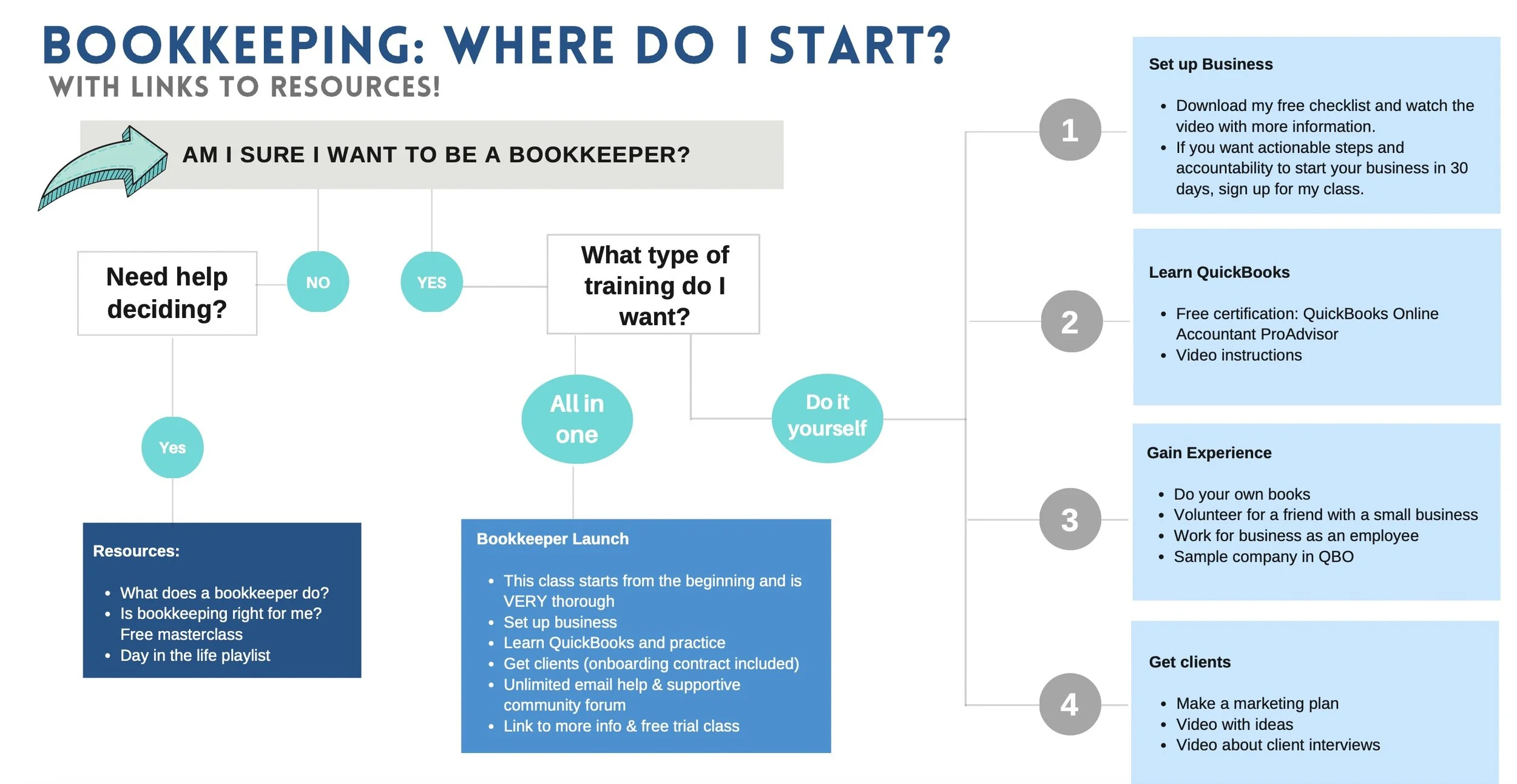
Familiarity with at least one, and ideally several, of these platforms will significantly broaden your career prospects and enable you to serve a diverse client base.
The Rise of Cloud-Based Solutions and Automation
Cloud computing has profoundly impacted bookkeeping, offering unprecedented flexibility and efficiency, particularly for those pursuing online income or a side hustle.
- Accessibility and Flexibility: Cloud-based software allows bookkeepers to access client data securely from anywhere with an internet connection. This facilitates remote work, making it easier to serve clients across different geographical locations and manage multiple businesses simultaneously. It’s a cornerstone for building an online bookkeeping business.
- Real-time Data and Collaboration: Cloud platforms provide real-time updates on financial data, enabling immediate insights and facilitating seamless collaboration between bookkeepers, business owners, and accountants.
- Automation: Modern software incorporates automation features for tasks like bank feeds (automatic import of transactions), recurring invoicing, and expense categorization. This significantly reduces manual data entry, saving time and minimizing errors, allowing bookkeepers to focus on more analytical and value-added activities.
- Enhanced Security: Reputable cloud accounting providers invest heavily in security measures, often offering more robust protection for financial data than individual businesses might maintain on their own servers.
Understanding how to leverage these technological advancements is not just about efficiency; it’s about providing superior, responsive, and secure financial services to clients.
Building Your Bookkeeping Career: Employment and Entrepreneurship
Once equipped with the necessary skills and tools, aspiring bookkeepers have diverse avenues to forge their careers, whether through traditional employment or by embracing the entrepreneurial spirit.
Finding Your First Role: Entry-Level Opportunities
For those new to the field, gaining initial experience is crucial. Entry-level positions are excellent starting points to apply theoretical knowledge and develop practical skills.
- Staff Bookkeeper: Working directly for a company, you’ll manage its internal financial records. This provides a deep understanding of one specific business’s operations.
- Accounting Clerk/Assistant: These roles often involve supporting bookkeepers or accountants, handling tasks like data entry, invoice processing, and reconciliations. They offer a great opportunity to learn on the job and build foundational experience.
- Internships: An internship, even an unpaid one, can provide invaluable hands-on experience and networking opportunities, often leading to full-time employment.
- Temporary Agencies: Many staffing agencies specialize in placing finance and accounting professionals, including bookkeepers, in temporary or temp-to-hire positions. This can be a quick way to gain diverse experience with different businesses.
Networking, crafting a professional resume highlighting your certifications and software proficiency, and leveraging online job boards (e.g., LinkedIn, Indeed) are key steps in this phase.
Starting Your Own Bookkeeping Business: The Path to Online Income
For many, the appeal of bookkeeping lies in its potential for entrepreneurship, offering unparalleled flexibility and control over one’s earning potential. Starting your own bookkeeping business, particularly a remote one, is a viable path to online income and a scalable side hustle.
- Define Your Niche and Services: Decide what types of businesses you want to serve (e.g., small businesses, startups, specific industries) and which services you’ll offer (e.g., basic bookkeeping, payroll, cleanup projects, financial reporting preparation). This specialization can help you target clients more effectively.
- Set Your Rates: Research industry standards and consider your experience, certifications, and the value you provide. You can charge hourly, a flat monthly retainer, or per-project. Many successful freelance bookkeepers find retainer models offer more stable online income.
- Build Your Digital Presence: Create a professional website and LinkedIn profile showcasing your expertise, services, and testimonials. Online visibility is crucial for attracting clients, especially for remote work.
- Market Your Services: Utilize online platforms, social media, and local networking groups. Offer free consultations or introductory packages to attract first clients. Highlight the financial benefits you bring to clients – saving them money, ensuring compliance, and providing clarity.
- Client Acquisition: Start with referrals from friends, family, or your professional network. Consider partnering with accountants who may refer clients needing bookkeeping services. Online freelancing platforms (e.g., Upwork, Fiverr) can also be starting points, though building direct client relationships is often more lucrative in the long run.
- Establish Legal and Operational Foundations: Register your business, obtain necessary licenses and insurance, and set up clear contracts with clients. Invest in secure communication and file-sharing solutions to protect sensitive financial data.
The flexibility of a freelance bookkeeping career allows you to manage your own schedule, work from anywhere, and scale your business according to your aspirations, making it an excellent source of online income or a full-fledged enterprise.
Continuous Professional Development and Future Outlook
The financial world is dynamic, with evolving regulations, new technologies, and shifting economic landscapes. To remain relevant and excel, continuous learning is not just recommended, but essential for bookkeepers.
Staying Current: The Importance of Lifelong Learning
- Software Updates: Accounting software providers regularly release updates with new features and security enhancements. Staying proficient with the latest versions ensures you’re leveraging the most efficient tools.
- Tax Law Changes: Tax regulations are constantly changing. Understanding these updates is crucial for providing accurate and compliant services to clients, especially if you assist with tax preparation.
- Industry Best Practices: The accounting and bookkeeping industry evolves. Staying abreast of best practices helps you streamline processes, adopt new methodologies, and enhance the value you offer.
- Professional Organizations: Joining professional bodies like the AIPB or NACPB offers access to resources, continuing education, and a network of peers, fostering professional growth.
Niche Specializations and Advanced Opportunities
As you gain experience, you might discover specific areas of interest or expertise that can lead to niche specializations and advanced career paths.
- Industry Specialization: Becoming an expert in a particular industry (e.g., e-commerce, healthcare, non-profits, real estate) allows you to command higher fees and attract clients who value specialized knowledge of their financial intricacies.
- Forensic Bookkeeping: This specialized area involves investigating financial discrepancies and potential fraud, often assisting in legal cases. It requires meticulous attention to detail and strong analytical skills.
- Becoming an Accountant or CPA: For bookkeepers who wish to advance further, pursuing a bachelor’s degree in accounting and ultimately becoming a Certified Public Accountant (CPA) opens doors to higher-level financial analysis, auditing, and tax planning roles, significantly expanding earning potential.
- Financial Consulting: With extensive experience, bookkeepers can transition into financial consulting, advising businesses on budgeting, cash flow optimization, and financial strategy, moving beyond mere record-keeping to proactive financial guidance.
The journey to becoming a bookkeeper is one of continuous growth, offering a stable and rewarding career that directly impacts the financial health of businesses.

Conclusion
The question “How do I become a bookkeeper?” opens the door to a versatile and vital profession deeply rooted in the world of money and business finance. It’s a career path that balances meticulous record-keeping with strategic financial support, offering opportunities for traditional employment as well as the exciting prospect of building a successful online business. By cultivating essential skills like attention to detail and analytical thinking, pursuing relevant education and certifications, and mastering modern financial software, aspiring bookkeepers can carve out a successful and fulfilling career. Whether you envision yourself supporting a single enterprise or managing a portfolio of diverse clients from the comfort of your home, the demand for competent bookkeepers ensures a future rich with possibilities for those ready to embrace the financial challenges and rewards of this indispensable role.
aViewFromTheCave is a participant in the Amazon Services LLC Associates Program, an affiliate advertising program designed to provide a means for sites to earn advertising fees by advertising and linking to Amazon.com. Amazon, the Amazon logo, AmazonSupply, and the AmazonSupply logo are trademarks of Amazon.com, Inc. or its affiliates. As an Amazon Associate we earn affiliate commissions from qualifying purchases.