
In the modern automotive landscape, the infotainment system has become the central nervous system of the driving experience. For iPhone users, Apple CarPlay is the gold standard of in-car software, seamlessly bridging the gap between mobile utility and dashboard safety. However, not every vehicle comes equipped with this technology from the factory. Whether you are driving a decade-old sedan or a base-model truck, the question isn’t just “can I get it?” but “what is the technical and financial investment required?”
Installing Apple CarPlay involves a spectrum of technological upgrades, ranging from simple software patches to complete hardware overhauls. This guide explores the costs associated with these installations through the lens of modern tech integration, hardware specifications, and professional implementation.
1. Hardware Fundamentals: Choosing the Right Head Unit
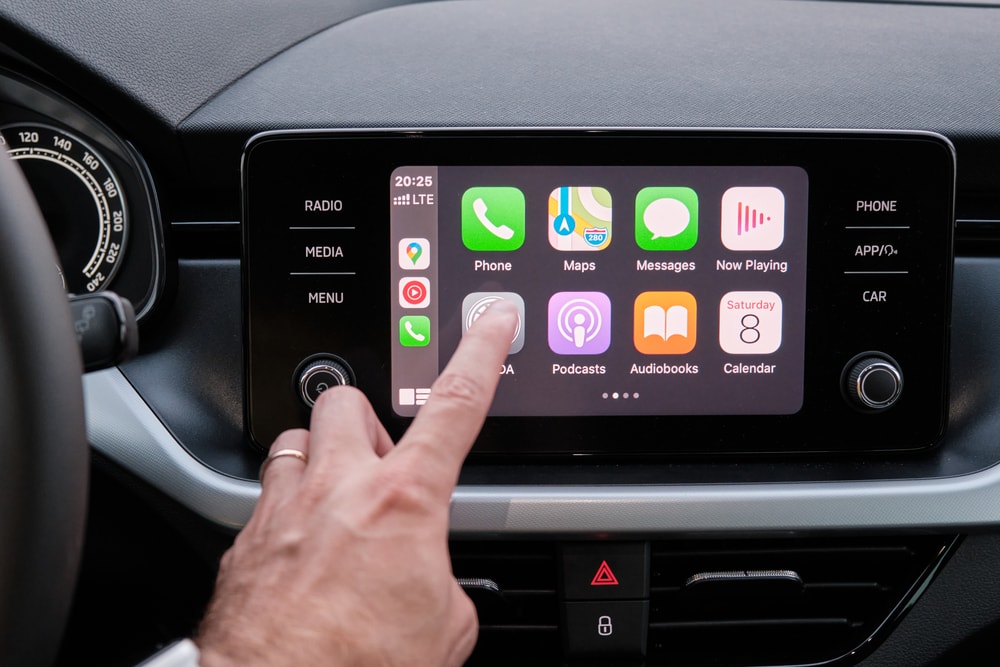
The most common way to install Apple CarPlay in a vehicle that lacks factory support is by replacing the existing radio with an aftermarket head unit. This is a hardware-intensive process where the cost is directly tied to the technical specifications of the device.
Aftermarket Head Unit Tiers
In the world of car audio tech, you generally get what you pay for in terms of processor speed, screen resolution, and connectivity.
- Entry-Level Units ($200 – $400): These devices typically offer a wired CarPlay experience. They usually feature resistive touchscreens, which are less responsive than modern smartphones but functional for GPS and music. Brands like Boss or lower-end Sony models dominate this space.
- Mid-Range Units ($400 – $700): This is the “sweet spot” for most tech enthusiasts. At this price point, you begin to see capacitive touchscreens (glass-based like your iPhone) and better internal DACs (Digital-to-Analog Converters) for superior audio quality.
- High-End Units ($700 – $1,500+): These flagship models from Pioneer, Kenwood, and Alpine offer wireless Apple CarPlay, high-definition (720p or 1080p) displays, and HDMI inputs. They often feature more powerful processors to ensure that the interface remains fluid and lag-free.
Wired vs. Wireless Connectivity Tech
One of the biggest cost drivers is the inclusion of wireless CarPlay. Wired systems utilize a standard USB-to-Lightning or USB-C connection. Wireless systems, however, require the head unit to have both a Bluetooth module (for initial pairing) and a 5GHz Wi-Fi chip (for data transfer). The technical overhead of maintaining a stable, high-bandwidth wireless connection between the phone and the car is why wireless-capable units often command a $150 to $200 premium over their wired counterparts.
Screen Technology and Display Specs
The display is the most expensive component of the hardware. Older or cheaper units use resistive screens that require physical pressure. Modern tech standards demand capacitive screens that support multi-touch gestures. Furthermore, the brightness (measured in nits) is crucial; high-end units are engineered to remain visible even under direct sunlight, a technical feat that adds to the manufacturing cost.
2. Integration Components: The Hidden “Tech” Costs
Buying the head unit is only half the battle. To make an aftermarket device communicate with your vehicle’s existing electronic architecture, several integration modules are required. These “hidden” costs can often surprise those who haven’t performed a tech upgrade in a vehicle before.
Dash Kits and Aesthetics
A “Double-DIN” or “Single-DIN” head unit is a standard size, but car dashboards are not. To make the new tech look factory-installed, you need a dash kit. These range from $20 for basic plastic brackets to $150 for kits that include integrated climate control buttons or specialized textures that match your car’s interior.
Steering Wheel Control (SWC) Interfaces
One of the primary safety features of Apple CarPlay is the ability to use Siri and volume controls via the steering wheel. To retain this functionality, a specialized interface module (like those from iDatalink or Axxess) must be programmed and wired into the system. These modules typically cost between $50 and $100 and act as a translator between the car’s CAN-bus system and the new head unit.
Wiring Harnesses and Data Modules
Modern cars are more like rolling computers than mechanical machines. A simple wiring harness is no longer enough for many vehicles. Data modules are often required to retain vehicle chimes, warning lights, and even engine diagnostics. For vehicles with complex factory amplifiers (like Bose or Harman Kardon systems), specialized bypass modules are necessary to ensure the new CarPlay unit can communicate with the existing speakers without distortion. These technical components can add another $80 to $200 to the total installation cost.
3. Professional Installation vs. DIY: Technical Labor
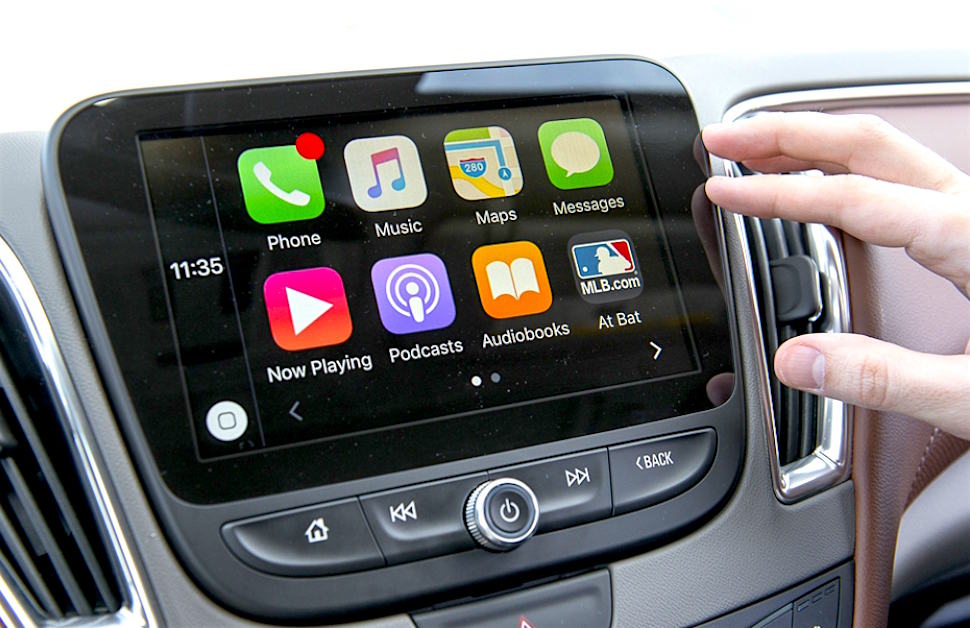
The cost of installing Apple CarPlay isn’t just in the parts; it’s in the expertise required to integrate these parts without damaging the vehicle’s sensitive electronics.
The Professional Tech Route
A professional car electronics technician usually charges between $100 and $300 for a standard CarPlay installation. Why the high cost? The technician must:
- Disassemble the Dashboard: This requires specialized prying tools to avoid cracking plastic panels or damaging hidden clips.
- Solder and Insulate: To ensure long-term reliability, wires should be soldered and heat-shrunk, rather than just twisted together.
- Firmware Updates: Professionals will often update the head unit to the latest firmware version before completing the install, ensuring maximum compatibility with the latest iOS versions.
- Microphone Placement: For Siri to work effectively, a dedicated microphone must be routed through the A-pillar or headliner, a labor-intensive process that ensures clear voice commands.
The DIY Tech Approach
For the tech-savvy individual, a DIY installation can save significant money, but it requires an investment in tools. You will need a panel removal kit, a soldering iron or high-quality crimping tools, and a multimeter to test for 12V power and ground. While the labor cost is “free,” the risk of a “short circuit” or a “blown fuse” can lead to expensive repairs at a dealership. Websites like Crutchfield provide master sheets and pre-wired harnesses (for a fee) that bridge the gap between amateur and professional installations.
4. Alternative Tech Solutions: Retrofits and Dongles
Not every car needs a brand-new dashboard. In some cases, the existing hardware can be “hacked” or supplemented with additional tech to enable Apple CarPlay at a lower price point.
OEM Software Updates
Certain manufacturers (notably Mazda, Ford, and Hyundai) produced vehicles between 2015 and 2018 that were “CarPlay-ready” but didn’t have the software installed. In some cases, a dealership can perform a firmware flash for $100 to $200. In others, such as older Mazdas, a hardware USB hub upgrade ($150 for parts) combined with a software update enables the feature while keeping the original dashboard aesthetic.
CarPlay Wireless Dongles
For vehicles that already have wired CarPlay but want the convenience of wireless, a secondary tech market has emerged. Wireless adapters (like the CarlinKit or Ottocast) plug into the car’s USB port and act as a wireless bridge. These devices cost between $50 and $120. While they are a cost-effective upgrade, they rely on complex software emulation and can sometimes suffer from audio lag or connection drops, depending on the internal processor of the dongle.
Standalone CarPlay Displays
A relatively new tech trend is the standalone CarPlay screen. These are tablets that mount to your dashboard or windshield via a suction cup and plug into the cigarette lighter for power. They transmit audio to your car via FM transmission or an AUX cable. These units cost between $100 and $250. While they are the cheapest and easiest “install,” they often lack the clean look of an integrated system and can be prone to overheating in direct sunlight.
5. The Future of CarPlay: Next-Gen Integration Costs
As we look toward the future, the “cost” of installing or upgrading CarPlay is shifting from hardware replacement to ecosystem integration.
Apple CarPlay 2.0 and Digital Instrument Clusters
Apple recently announced a massive overhaul of CarPlay that allows the software to take over every screen in the car, including the speedometer and fuel gauges. This level of integration is currently only available in brand-new, high-end vehicles (like Porsche and Aston Martin). For the average consumer, retrofitting this level of tech into an older car is currently impossible because it requires deep access to the vehicle’s internal data sensors that aftermarket units cannot yet replicate.
Subscription-Based Features?
While Apple does not currently charge a subscription fee for CarPlay, some automotive manufacturers have experimented with “CarPlay as a Service” (most notably BMW, though they later rescinded the plan due to consumer backlash). When calculating the long-term cost of CarPlay, one must consider if their vehicle manufacturer requires an active “connected services” data plan to keep the infotainment system updated, which can add a recurring monthly cost to the initial installation.

Conclusion
The cost to install Apple CarPlay is rarely a single number. It is a calculation of hardware quality, integration complexity, and labor expertise.
- A budget-friendly, DIY wired setup can be achieved for approximately $250 – $350.
- A professional, mid-range installation with steering wheel retention and high-quality parts typically lands between $600 – $900.
- A high-end, wireless flagship system in a modern, complex vehicle can easily exceed $1,500.
In the digital age, your car is an extension of your smartphone. While the entry price for Apple CarPlay may seem steep, the technical value—hands-free communication, real-time navigation, and access to the vast iOS app ecosystem—transforms the driving experience from a mechanical chore into a connected, tech-driven journey. For the modern driver, the question is no longer whether they can afford to install CarPlay, but whether they can afford to drive without it.
aViewFromTheCave is a participant in the Amazon Services LLC Associates Program, an affiliate advertising program designed to provide a means for sites to earn advertising fees by advertising and linking to Amazon.com. Amazon, the Amazon logo, AmazonSupply, and the AmazonSupply logo are trademarks of Amazon.com, Inc. or its affiliates. As an Amazon Associate we earn affiliate commissions from qualifying purchases.