
In the rapidly evolving digital landscape, the distinction between web experiences and native mobile applications has blurred, giving rise to a powerful hybrid known as the Progressive Web App (PWA). A PWA is not merely a website or a native app; it represents an innovative approach to web development that leverages modern web capabilities to deliver an app-like experience directly within a browser. At its core, a PWA is a website that has been progressively enhanced to function with the reliability, speed, and engagement traditionally associated with native mobile applications, accessible across various devices and operating systems without the need for a separate app store download.
The Evolution of Web and Mobile Experiences
For years, developers and users navigated a clear dichotomy between web and native applications. Websites, accessible through a browser, offered broad reach, easy discoverability via search engines, and no installation hurdles. However, they often suffered from performance inconsistencies, poor offline capabilities, and limited access to device hardware features. Native apps, on the other hand, delivered unparalleled performance, rich user interfaces, offline functionality, and direct access to device features like cameras, GPS, and push notifications. Their drawbacks included significant development costs, platform-specific coding, and the friction of app store discovery and installation.
The demand for a solution that combined the best of both worlds spurred innovation. Mobile-first design became standard, leading to responsive websites that adapted to different screen sizes. Yet, responsiveness alone couldn’t bridge the gap in user experience. Users craved the speed, reliability, and engaging features of native apps, but businesses sought the widespread accessibility and lower development overhead of the web. Progressive Web Apps emerged as the answer, providing a pathway to deliver app-like experiences through standard web technologies, enhancing a user’s journey incrementally based on their browser and device capabilities.
Core Characteristics and Principles of PWAs
Progressive Web Apps are defined by a set of core principles that enable their unique capabilities, often summarized by the acronym “FIRE”: Fast, Integrated, Reliable, and Engaging. Beyond this, several other characteristics contribute to their effectiveness and widespread adoption.
Reliability: Service Workers and Offline Access
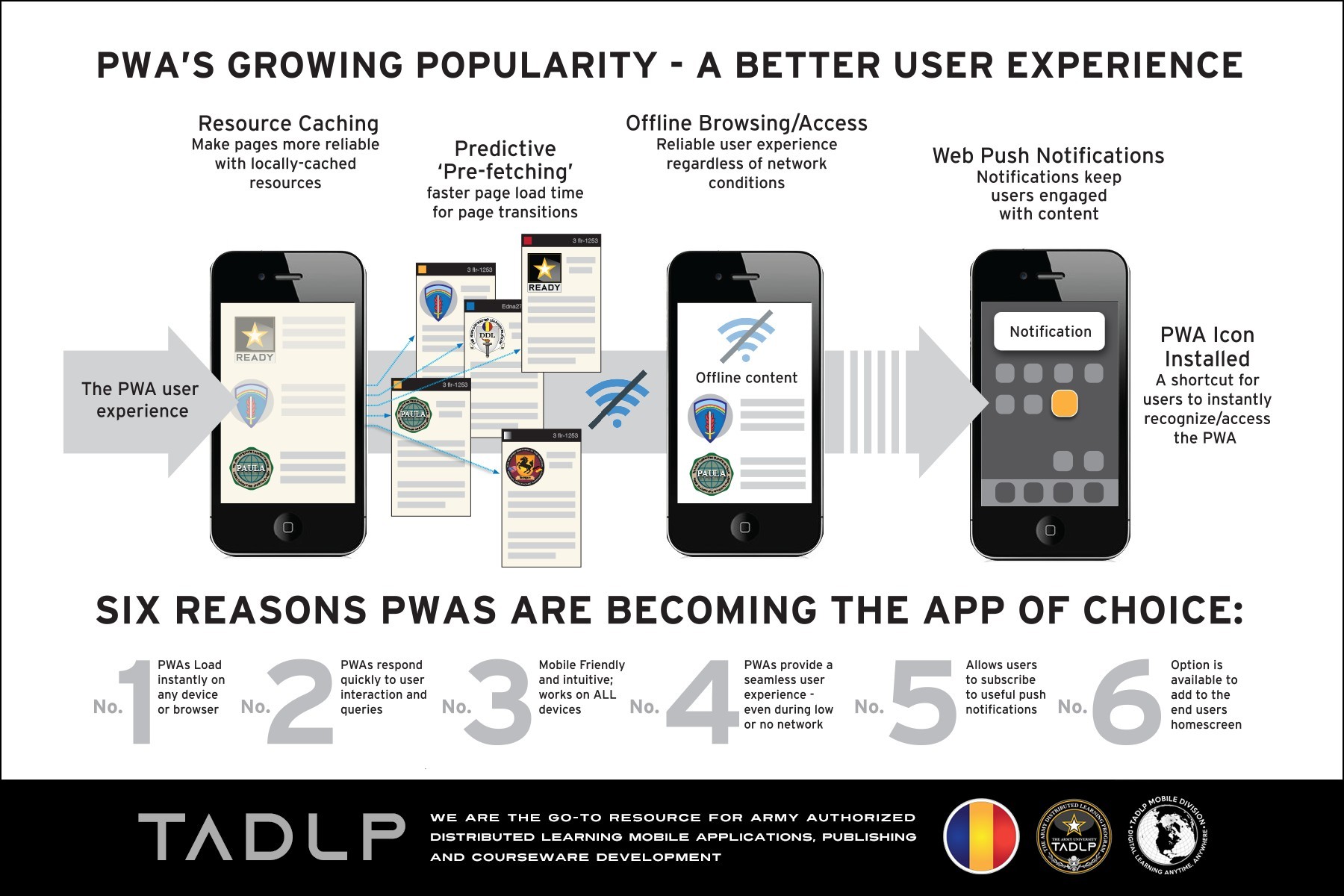
A hallmark of PWAs is their ability to load instantly and reliably, even in uncertain network conditions or completely offline. This is primarily achieved through Service Workers, a powerful JavaScript API that acts as a client-side proxy, intercepting network requests and caching resources. When a user revisits a PWA, the Service Worker can serve cached content, ensuring a consistent and uninterrupted experience, much like a native app. This eliminates the “dinosaur game” scenario and provides a resilient user experience.
Speed: Instant Loading and Smooth Interactions
Performance is paramount for user retention. PWAs are engineered for speed, offering near-instant loading times and smooth, fluid interactions. By leveraging techniques like app shell architecture, efficient caching, and optimized asset delivery, PWAs minimize load times and eliminate janky scrolling, providing a highly responsive user interface that feels native. Fast loading leads to lower bounce rates and higher conversion rates.
Engagement: Push Notifications and Home Screen Installation
PWAs can deliver a deeply engaging experience. They support Web Push Notifications, allowing businesses to re-engage users with timely, personalized updates and promotions, even when the browser is closed. Furthermore, users can “install” a PWA directly to their device’s home screen, granting it a dedicated icon and launching it in a standalone, browser-chrome-free window, indistinguishable from a native app. This eliminates the overhead of app store downloads and updates.
Responsiveness: Adaptable Across Devices
Just like any modern website, PWAs are designed to be responsive, meaning their layout and interface adapt seamlessly to fit any screen size or device, from desktops and tablets to smartphones. This ensures a consistent and optimal viewing experience regardless of how the user accesses the application, adhering to the “build once, deploy everywhere” philosophy.
Security: HTTPS Protocol
Security is a non-negotiable aspect of PWAs. They must be served over HTTPS (Hypertext Transfer Protocol Secure), ensuring that all data transmitted between the user’s browser and the server is encrypted and protected from eavesdropping or tampering. This secure context is a fundamental requirement for Service Workers and other PWA features, safeguarding user privacy and data integrity.
Discoverability: SEO Friendliness
Unlike native apps which rely on app store optimization (ASO), PWAs are inherently discoverable through standard web search engines. Since they are essentially websites, they can be indexed by Google and other search providers, benefiting from existing SEO strategies. This broadens their reach and makes it easier for new users to find and access the application without an intermediary app store.
Key Technologies Powering PWAs
The capabilities of Progressive Web Apps are built upon a foundation of modern web technologies, working in concert to deliver an enhanced user experience.
Service Workers: The Heart of Offline Capability
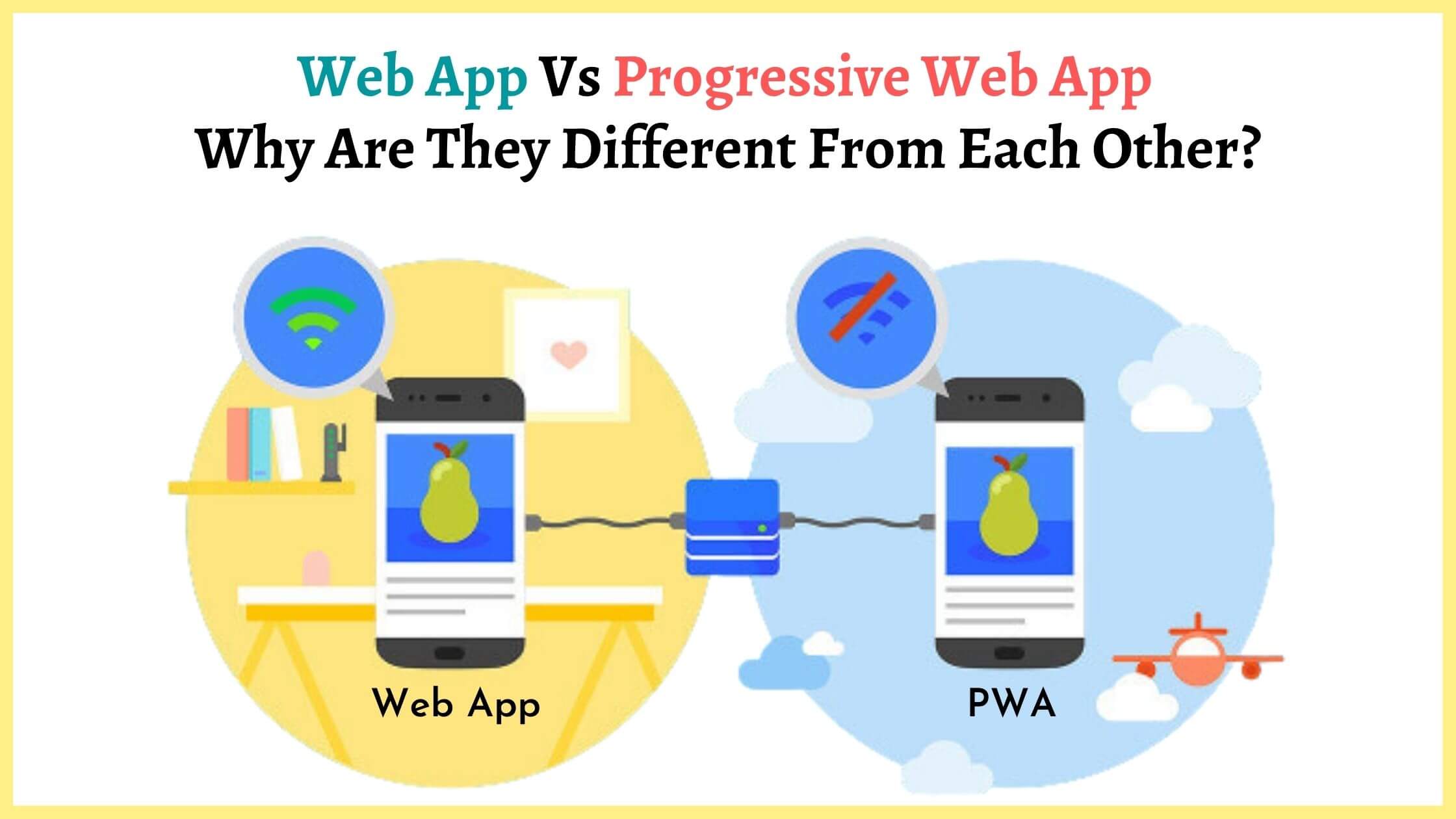
Service Workers are a pivotal technology for PWAs. They are client-side JavaScript files that run in the background, separate from the web page itself. This allows them to intercept network requests, cache resources, and serve content from the cache even when offline. Service Workers enable features such as push notifications, background synchronization, and predictable performance by giving developers fine-grained control over network requests. They fundamentally transform the web’s reliability.
Web App Manifest: Defining the User Experience
The Web App Manifest is a simple JSON file that provides information about the application, such as its name, authors, icons, start URL, display mode (e.g., fullscreen, standalone), and theme colors. This manifest is crucial for allowing users to install the PWA to their home screen, defining how it appears and behaves as a standalone application on the user’s device. It gives the PWA an app-like identity and integration into the operating system.
HTTPS: Ensuring Secure Communication
As mentioned, HTTPS is a strict requirement for PWAs. It encrypts all communications between the user and the server, protecting sensitive data and preventing malicious attacks. Beyond security, HTTPS is also a prerequisite for many advanced web features, including Service Workers, thereby underpinning the entire PWA architecture.
Application Shell Architecture: Optimizing Performance
The Application Shell Architecture is a development pattern commonly used in PWAs to deliver instant, reliable performance. The “app shell” refers to the minimal HTML, CSS, and JavaScript required to power the user interface, acting as a skeleton. This shell is cached by the Service Worker, allowing it to load instantly on repeat visits. Dynamic content is then fetched and displayed within this stable shell, creating a smooth and seamless user experience that feels remarkably fast.
Advantages of PWAs for Users and Businesses
The adoption of Progressive Web Apps offers significant benefits to both the end-users and the organizations deploying them.
For Users: Enhanced Performance and Accessibility
Users gain from PWAs through faster load times, reliable performance even offline, and an engaging, app-like experience without the burden of app store downloads or constant updates. They consume less data than native apps and often take up significantly less storage space on a device. The ease of access – simply navigating to a URL – lowers the barrier to entry, making powerful applications available to a broader audience.
For Businesses: Broader Reach, Lower Development Costs, and Improved Engagement
For businesses, PWAs present a compelling value proposition. They offer a single codebase that works across multiple platforms (web, Android, iOS), drastically reducing development and maintenance costs compared to building separate native applications for each. Their discoverability via search engines expands reach beyond app stores, leading to higher user acquisition rates. Improved loading speeds and offline capabilities enhance user experience, resulting in lower bounce rates, higher conversion rates, and increased user engagement through features like push notifications and home screen installation. Many companies have reported substantial improvements in key performance indicators after switching to a PWA model.

PWA vs. Native Apps vs. Responsive Websites
Understanding where PWAs fit in requires a comparative look at the other dominant forms of digital presence.
A Responsive Website is designed to adapt its layout and content to various screen sizes. While accessible and discoverable, it typically lacks offline capabilities, push notifications, and home screen installation, making it purely a browser-based experience without the ‘app-like’ feel. It’s the baseline for any modern web presence.
Native Apps are built specifically for a particular operating system (iOS or Android) using platform-specific languages (e.g., Swift/Objective-C for iOS, Kotlin/Java for Android). They offer the highest performance, deepest device integration, and richest user experience. However, they come with high development and maintenance costs, require app store approval, and face user friction for download and installation.
Progressive Web Apps occupy the sweet spot between these two. They offer many of the advantages of native apps—offline access, push notifications, home screen installation, and fast performance—but are built with standard web technologies. They provide a native-like experience through a web browser, eliminating app store hurdles and costly platform-specific development.
The choice depends on specific needs. For applications requiring extensive hardware access (e.g., advanced gaming, complex photo editing), a native app might still be superior. For a broad reach, lower development cost, and an excellent, reliable user experience that rivals native apps, PWAs are often the optimal solution. When a basic, content-focused online presence is sufficient, a responsive website might suffice.
In essence, Progressive Web Apps are not just another buzzword; they represent a fundamental shift in how web experiences are designed and delivered. By prioritizing speed, reliability, and engagement using open web standards, PWAs are empowering developers to create more accessible, performant, and delightful applications that bridge the gap between the web and native mobile environments, shaping the future of digital interaction.
aViewFromTheCave is a participant in the Amazon Services LLC Associates Program, an affiliate advertising program designed to provide a means for sites to earn advertising fees by advertising and linking to Amazon.com. Amazon, the Amazon logo, AmazonSupply, and the AmazonSupply logo are trademarks of Amazon.com, Inc. or its affiliates. As an Amazon Associate we earn affiliate commissions from qualifying purchases.