
Car insurance is a mandatory expense for most vehicle owners, a financial safety net designed to protect you from the potentially devastating costs of accidents, theft, or other damages. However, it’s also a significant line item in many household budgets, with premiums varying wildly based on a multitude of factors. The quest for affordable car insurance often feels like navigating a complex labyrinth, with countless providers, policies, and discounts to consider. This guide aims to demystify the process, offering actionable strategies and insights to help you not just find, but secure the cheapest car insurance that still provides adequate protection for your needs. In an era where every dollar counts, optimizing your insurance spend is a smart financial move that can free up significant funds for other important investments or savings goals.
Decoding Car Insurance: Understanding What You’re Buying
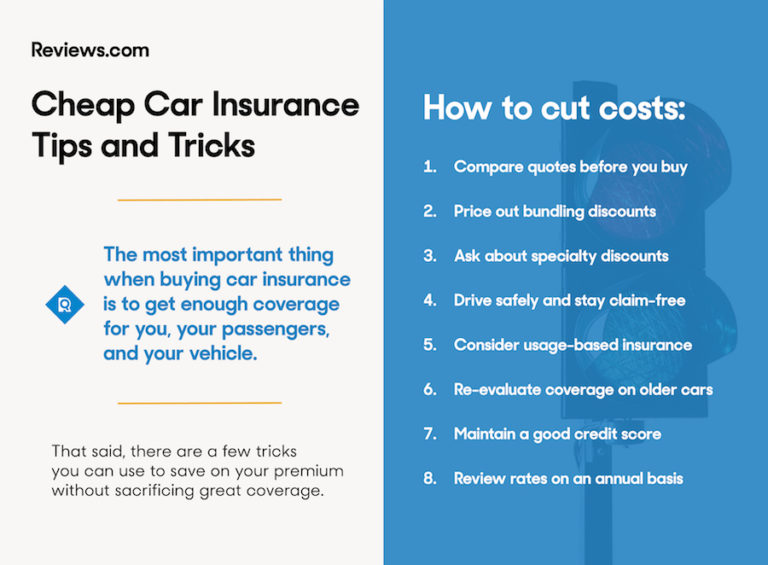
Before you can effectively shop for the cheapest car insurance, it’s crucial to understand the fundamental components of a policy and what factors directly influence your premium. A clear grasp of these basics empowers you to make informed decisions, ensuring you don’t overpay for coverage you don’t need or under-insure yourself against critical risks.
Essential Types of Coverage and Their Impact on Cost
Car insurance isn’t a single product; it’s a bundle of different types of coverage, each addressing specific risks. The mix and limits you choose will significantly dictate your overall premium.
- Liability Coverage: This is the most basic and often legally required coverage. It pays for damages and injuries you cause to other people and their property in an at-fault accident. It’s split into bodily injury liability (per person and per accident) and property damage liability. Opting for higher liability limits, while increasing your premium slightly, offers crucial protection against potentially ruinous lawsuits. Cheaper policies often have minimum limits, but these might leave you exposed.
- Collision Coverage: This pays for damages to your own car resulting from a collision with another vehicle or object, regardless of who is at fault. If you have a car loan or lease, this is typically mandatory. For older vehicles, dropping collision can save money, but you’d be responsible for repairs if you crash.
- Comprehensive Coverage: This covers damage to your own car from non-collision incidents such as theft, vandalism, fire, natural disasters (hail, floods), or hitting an animal. Like collision, it’s often required for financed vehicles. Dropping this on an older, less valuable car can be a cost-saving strategy.
- Personal Injury Protection (PIP) / Medical Payments (MedPay): These cover medical expenses for you and your passengers after an accident, regardless of fault. PIP is more extensive, sometimes including lost wages and rehabilitation. Required in “no-fault” states, optional elsewhere.
- Uninsured/Underinsured Motorist (UIM/UM) Coverage: This protects you if you’re hit by a driver who has no insurance or insufficient insurance to cover your damages. Given the number of uninsured drivers, this is a highly recommended and relatively inexpensive addition.
Understanding these components allows you to tailor your policy to your actual needs and risk tolerance, preventing unnecessary spending while maintaining essential protection.
Key Factors That Influence Your Premiums
Insurance companies assess risk to determine your premium. Numerous personal and vehicle-related factors are weighed, and understanding them can help you identify areas for potential savings.
- Your Driving Record: A clean record with no accidents or traffic violations is the single biggest factor in securing lower rates. Conversely, a history of claims, speeding tickets, or DUIs will significantly increase your premiums.
- Age and Gender: Younger, less experienced drivers (especially males under 25) typically face higher rates due to statistical accident risks. As drivers mature and gain experience, rates generally decrease.
- Location: Where you live and park your car matters. Areas with higher theft rates, vandalism, or dense traffic tend to have higher premiums. Urban areas are usually more expensive than rural ones.
- Vehicle Type: The make, model, year, and safety features of your car play a crucial role. Expensive cars, sports cars, vehicles with high theft rates, or those costly to repair will incur higher premiums. Safety features, however, can sometimes lead to discounts.
- Annual Mileage: The more you drive, the higher your risk of being in an accident. Low-mileage drivers may qualify for discounts.
- Credit Score: In most states, insurers use a credit-based insurance score (which differs from a standard credit score) to predict the likelihood of you filing a claim. A higher score often translates to lower premiums.
- Deductible Amount: Your deductible is the amount you pay out-of-pocket before your insurance kicks in for collision and comprehensive claims. Choosing a higher deductible (e.g., $1,000 instead of $500) will lower your premium, but means you pay more if you have a claim.
Being aware of these factors allows you to proactively manage your risk profile and discuss potential impacts with your insurer.
Strategic Shopping: The Smart Way to Compare and Save
Finding the cheapest car insurance isn’t about picking the first quote you see; it’s about strategic comparison and leveraging all available avenues for savings. This proactive approach ensures you’re getting the best possible rate without compromising on essential coverage.
Get Multiple Quotes from Diverse Sources
This is perhaps the most fundamental and effective strategy. Insurance rates vary significantly between companies for the exact same coverage. Relying on a single quote means you’re almost certainly leaving money on the table.
- Online Comparison Sites: Websites like The Zebra, NerdWallet, or Compare.com allow you to enter your information once and receive multiple quotes from various insurers simultaneously. This offers a broad overview of the market quickly.
- Direct Insurers: Don’t forget to check rates directly with large insurers that might not be on all comparison sites, such as GEICO, Progressive, or State Farm. They often have proprietary discounts or unique pricing models.
- Independent Insurance Agents: These agents work with multiple insurance companies and can shop around on your behalf, often finding deals or niche policies that might be harder to discover on your own. They can also provide personalized advice and explain complex policy details.
- Captive Agents: Agents who work for a single company (e.g., a State Farm agent) can be valuable for their deep knowledge of that company’s products and discounts, but remember they can’t quote competitors.
Aim to get at least 3-5 quotes for identical coverage limits and deductibles to make a true apples-to-apples comparison. This process should ideally be repeated annually at renewal time.
Leverage Every Available Discount
Insurance companies offer a plethora of discounts, and stacking them can lead to substantial savings. Many drivers miss out simply because they don’t ask or aren’t aware.
- Bundling Discounts: Combine your car insurance with other policies like home, renters, or life insurance from the same provider. This is one of the most significant discounts available.
- Safe Driver/Good Driver Discounts: If you have a clean driving record for a specified period (e.g., 3-5 years without accidents or tickets), you’ll likely qualify.
- Low Mileage Discounts: If you drive fewer miles than average (e.g., less than 7,500-10,000 miles per year), you could get a discount.
- Good Student Discounts: Students with a “B” average or better (typically 3.0 GPA) can often receive discounts, especially if they are under 25.
- Anti-Theft Device Discounts: Cars equipped with alarms, immobilizers, or tracking devices may qualify.
- Vehicle Safety Feature Discounts: Cars with modern safety features like automatic emergency braking, lane departure warning, or adaptive cruise control can sometimes get discounts.
- Professional/Group Affiliation Discounts: Check if your employer, alumni association, credit union, or professional organization offers group discounts through specific insurers.
- Defensive Driving Course Discounts: Completing an approved defensive driving course can sometimes lead to a small discount, particularly for younger drivers or those with minor infractions.
Always ask your insurer or agent about every possible discount you might qualify for. A few minutes of questioning could save you hundreds of dollars.
Optimizing Your Profile and Policy for Maximum Savings
Beyond comparing quotes and securing discounts, there are proactive steps you can take to make yourself a more attractive (and thus less expensive) client for insurance companies. These strategies focus on long-term financial prudence and responsible behavior.
Enhance Your Driver Profile
Your behavior behind the wheel and your personal financial habits directly influence your perceived risk.
- Maintain a Clean Driving Record: This cannot be stressed enough. Avoiding accidents and traffic violations is the single most powerful way to keep your premiums low. Points on your license or a history of claims signal higher risk to insurers. Even minor infractions can push up rates for years.
- Manage Your Credit Score: In most states, your credit-based insurance score is a significant factor. Insurers view individuals with higher credit scores as more responsible and less likely to file claims. Paying bills on time, keeping credit utilization low, and monitoring your credit report can indirectly lead to cheaper insurance.
- Consider Usage-Based Insurance (UBI): Many insurers offer programs (e.g., Progressive’s Snapshot, GEICO’s DriveEasy) that use telematics devices or smartphone apps to monitor your driving habits (speed, braking, mileage, time of day). Safe drivers can earn substantial discounts, sometimes up to 30%. This is particularly beneficial for low-mileage drivers or those with excellent driving habits.
These actions not only save you money on insurance but also contribute to overall financial health and safety.
Fine-Tune Your Policy and Vehicle Choices
The choices you make about your vehicle and your policy structure also hold significant sway over your premiums.
- Adjust Your Deductibles and Coverage Limits: As mentioned earlier, increasing your deductibles for collision and comprehensive coverage will lower your premiums. If you have a robust emergency fund, a higher deductible is a calculated risk that can save you money annually. Similarly, review your liability limits. While higher limits are crucial for protection, ensure they align with your assets and risk tolerance, not just the highest possible coverage.
- Drop Unnecessary Coverage for Older Cars: For vehicles that are old or have low market value, the cost of collision and comprehensive coverage might outweigh the potential payout if the car is totaled. If your car is worth less than a few thousand dollars, consider dropping these coverages to save. Just be prepared to self-insure for damage to your own vehicle.
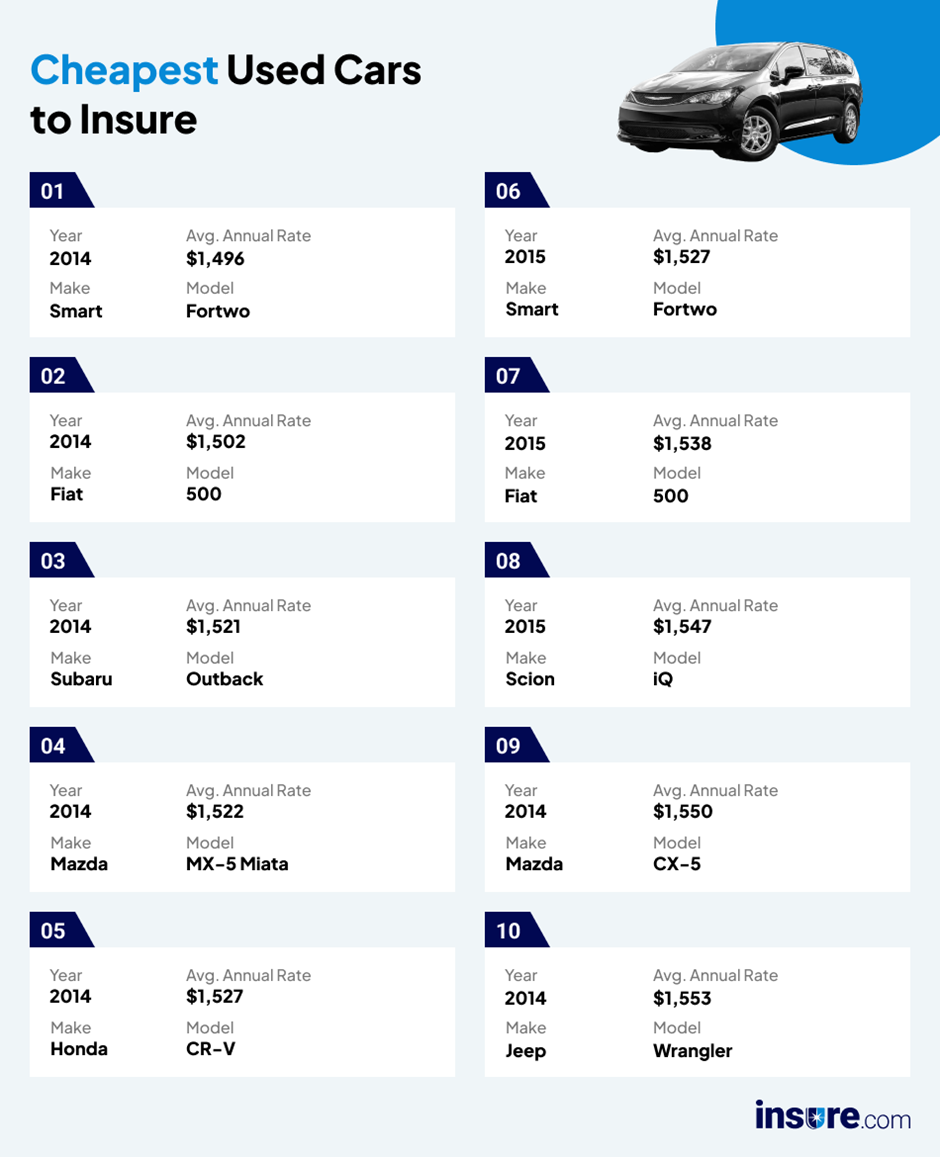
- Choose a “Cheaper to Insure” Vehicle: When purchasing a new car, research insurance costs before you buy. Vehicles with high safety ratings, lower repair costs, and those less likely to be stolen typically have lower insurance premiums. Family sedans or SUVs often cost less to insure than high-performance sports cars or luxury vehicles.
- Pay Annually (if possible): Many insurance companies charge installment fees if you pay your premium monthly or quarterly. Paying your entire premium upfront, if financially feasible, can often save you 3-5% on your total annual cost.
These adjustments can make a tangible difference in your annual insurance expenditure.
Long-Term Savings: Maintaining Low Rates Over Time
Finding cheap car insurance isn’t a one-time event; it’s an ongoing process. Market rates, your circumstances, and even the competitive landscape among insurers change constantly. Proactive management of your policy ensures you continue to benefit from the best possible rates.
Don’t Be Afraid to Switch Insurers
Loyalty doesn’t always pay off in the insurance world. While some companies offer “loyalty discounts,” these are often offset by higher overall rates compared to what a new customer might get elsewhere.
- Shop Around Annually: Make it a habit to obtain fresh quotes from multiple insurers every 12-24 months, especially around your renewal period. This forces your current insurer to remain competitive and ensures you’re not missing out on better deals from rivals.
- Inquire About Price Guarantees/Matching: If you find a significantly lower quote from a reputable competitor, contact your current insurer. They might be willing to match or beat the offer to retain your business, saving you the hassle of switching.
- Understand the Switching Process: Switching insurers is usually straightforward. Once you’ve secured a new policy, your new insurer can often help you cancel your old one, and any unused premium from your previous policy will be refunded.
Switching can be the most powerful tool in your arsenal for long-term savings.
Re-evaluate Your Needs Regularly
Life changes, and so should your insurance policy. What was appropriate a few years ago might not be suitable now.
- Major Life Events: Getting married, moving to a new area, having a child, changing jobs (especially if it impacts your commute or mileage), or even a child going off to college can all affect your insurance needs and rates. Inform your insurer of these changes.
- Vehicle Changes: If you buy a new car, sell an old one, or your car’s value significantly depreciates, reassess your coverage. You might be able to drop collision/comprehensive on an aging vehicle or need different limits for a brand new one.
- Driving Habits: If you’ve started working from home and your annual mileage has plummeted, inquire about low-mileage discounts or consider usage-based insurance.
Regularly reviewing your policy ensures it aligns with your current reality and financial goals.

Understand the Impact of Claims
While insurance is there to protect you, filing a claim, especially an at-fault one, can impact your future premiums.
- Consider Paying Small Damages Out-of-Pocket: For minor damage that’s just slightly above your deductible, it might be more cost-effective in the long run to pay for repairs yourself rather than filing a claim. A claim, even a small one, could lead to a premium increase that costs you more over several years than the initial repair.
- No-Fault vs. At-Fault: Be aware of how different types of claims might affect your rates. A no-fault claim (e.g., hit by an uninsured driver, comprehensive claim for hail damage) typically has less impact than an at-fault accident.
- Accident Forgiveness: Some insurers offer “accident forgiveness” programs for long-term, claim-free customers, preventing a rate hike after your first at-fault accident. This can be a valuable feature to consider.
Striking the right balance between utilizing your insurance when truly needed and being strategic about minor incidents is key to maintaining low rates over time.
In conclusion, finding the cheapest car insurance is less about a single trick and more about a diligent, multi-faceted approach. By understanding the basics, strategically shopping for quotes, leveraging every possible discount, proactively managing your driver profile, and regularly reviewing your policy, you can significantly reduce your insurance costs without sacrificing essential protection. This proactive financial management not only saves you money but also ensures peace of mind on the road, knowing you’re adequately covered at the best possible price.
aViewFromTheCave is a participant in the Amazon Services LLC Associates Program, an affiliate advertising program designed to provide a means for sites to earn advertising fees by advertising and linking to Amazon.com. Amazon, the Amazon logo, AmazonSupply, and the AmazonSupply logo are trademarks of Amazon.com, Inc. or its affiliates. As an Amazon Associate we earn affiliate commissions from qualifying purchases.