
Car insurance is a mandatory financial necessity for vehicle owners across most of the globe. Far from being a luxury, it provides a vital safety net, protecting drivers, passengers, and other road users from the potentially crippling financial aftermath of accidents, theft, or damage. However, for many, the cost of car insurance can feel like a significant burden, prompting a universal question: “How do I find the cheapest car insurance?” The quest for affordability often leads to confusion and frustration, with a myriad of providers, policies, and prices. The key isn’t simply finding the lowest number, but understanding how to strategically secure comprehensive coverage at the most competitive price without compromising essential protection. This article delves into the financial intricacies of car insurance, offering a professional and insightful guide to navigating the market and significantly reducing your premiums.
Understanding the Fundamentals of Car Insurance Costs
Before embarking on the hunt for cheaper car insurance, it’s crucial to grasp the fundamental factors that dictate your premium. Insurance companies are businesses built on risk assessment. The price you pay is a direct reflection of how much risk they perceive you to pose. By understanding these variables, you can begin to identify areas where you might influence your costs.
Key Factors Influencing Your Premium
Insurance premiums are not arbitrary; they are meticulously calculated based on a complex algorithm of personal and external factors.
-
Driver Profile: Your personal characteristics are paramount.
- Age and Experience: Younger, less experienced drivers (especially those under 25) typically face higher premiums due to statistical likelihood of accidents. Senior drivers might also see increases.
- Driving Record: A clean driving record—free of accidents, speeding tickets, or other moving violations—is one of the most significant factors in securing lower rates. Conversely, a history of claims or infractions will invariably drive up your costs.
- Marital Status: Married individuals often receive slightly lower rates, as statistics suggest they are generally more stable and less prone to risky driving behaviors.
- Gender: In some regions, gender can still be a factor, though its influence is diminishing or prohibited in others.
- Location: Where you live and park your car significantly impacts your premium. Urban areas with higher traffic density, crime rates (theft, vandalism), and accident statistics typically incur higher costs than rural or suburban locales.
- Credit Score: In many jurisdictions, insurers use a credit-based insurance score (which is related to, but not identical to, your regular credit score) as a predictor of claim likelihood. A higher score often correlates with lower premiums.
-
Vehicle Characteristics: The car you drive is another major determinant.
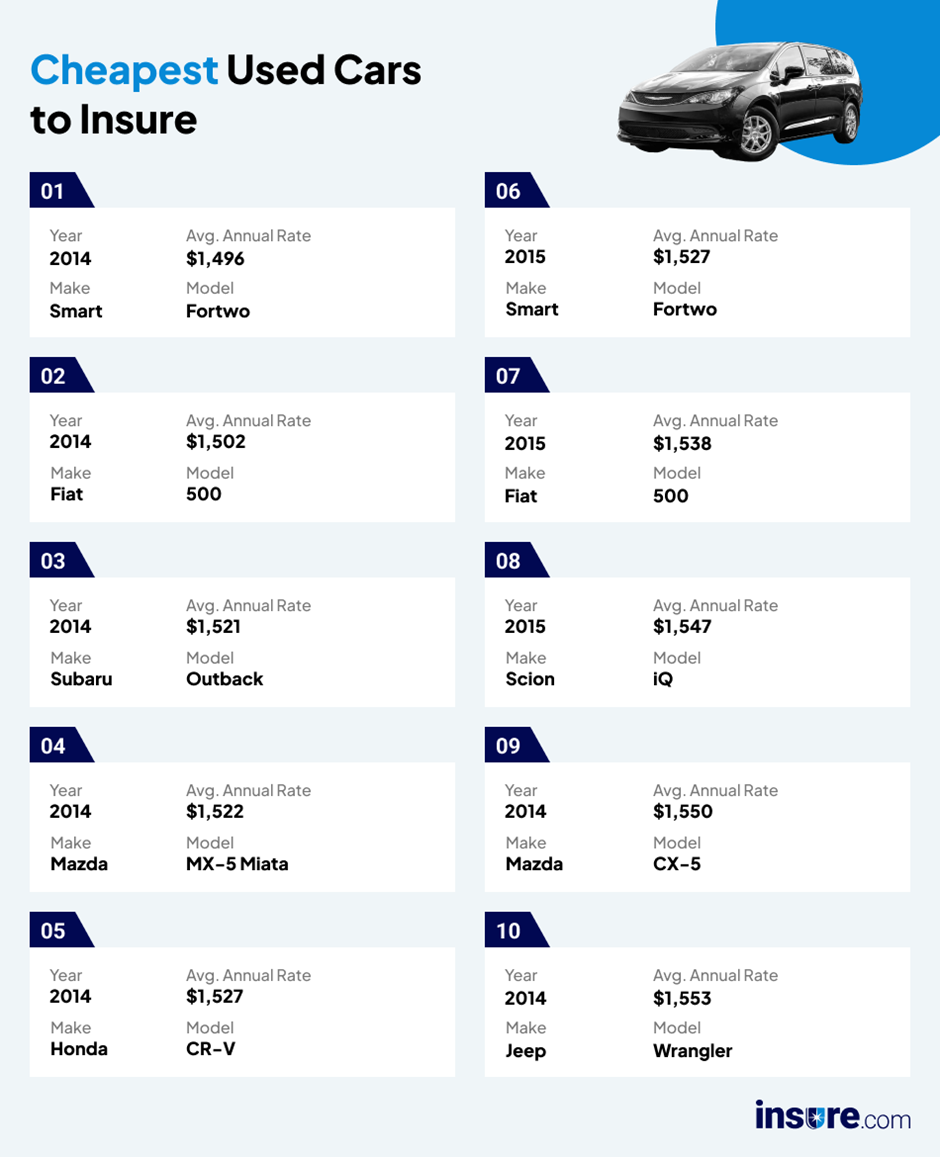
- Make, Model, and Year: Luxury, sports, or high-performance vehicles typically cost more to insure due to higher repair costs, greater theft appeal, and potential for higher speed-related accidents. Conversely, older, safer, and more common models are often cheaper.
- Safety Features: Cars equipped with advanced safety features (e.g., anti-lock brakes, airbags, adaptive cruise control, lane-departure warnings) can qualify for discounts.
- Theft Likelihood: Vehicles that are statistically more likely to be stolen will have higher comprehensive coverage premiums.
- Repair Costs: Cars with expensive parts or specialized repair requirements will lead to higher collision and comprehensive costs.
-
Coverage Choices and Deductibles: The specifics of your policy play a direct role.
- Liability Limits: This mandatory coverage protects you if you cause an accident. Opting for state minimums will be cheapest initially, but inadequate coverage can leave you financially exposed. Higher limits increase premiums but offer greater protection.
- Collision and Comprehensive: These optional coverages protect your own vehicle. Collision covers damage from an accident (regardless of fault), while comprehensive covers non-collision events (theft, vandalism, natural disasters). Choosing these will increase your premium.
- Additional Coverages: Uninsured/underinsured motorist, medical payments, personal injury protection (PIP), roadside assistance, and rental car reimbursement all add to your cost.
- Deductibles: This is the amount you pay out-of-pocket before your insurance kicks in for collision or comprehensive claims. A higher deductible means you take on more initial risk, and in return, the insurer charges a lower premium.
The Difference Between “Cheap” and “Value”
When seeking the “cheapest” car insurance, it’s vital to distinguish between a low premium and genuine value. A policy that seems cheap might only offer minimum state-mandated liability, leaving you critically underinsured in the event of a significant accident. The true value of car insurance lies in finding an affordable premium that still provides adequate protection for your assets and financial well-being. Always aim for a balance that protects you from potential catastrophic losses without overpaying for unnecessary coverage.
Strategic Approaches to Reducing Your Insurance Premiums
Finding affordable car insurance requires a proactive and strategic approach. It’s not about settling for inadequate coverage but about intelligently navigating the market and leveraging available options to your advantage.
Smart Shopping and Comparison
The single most effective strategy for finding cheaper car insurance is diligent comparison shopping.
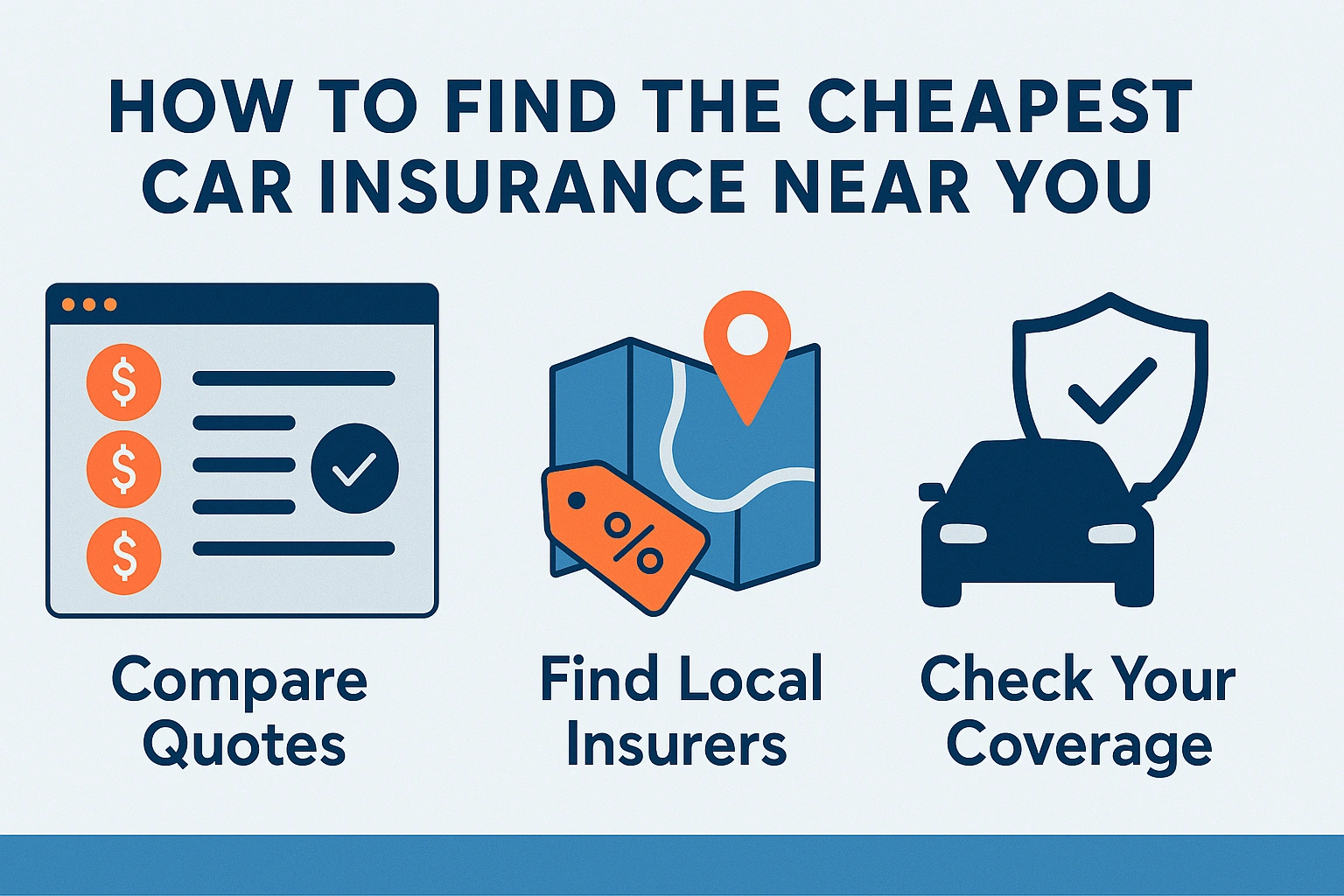
- Get Multiple Quotes: Never accept the first quote you receive. Insurance rates can vary wildly between providers for the exact same coverage. Obtain quotes from at least 3-5 different companies.
- Online Comparison Tools: Websites that aggregate quotes from multiple insurers can be a great starting point, offering a broad overview. However, always verify these quotes directly with the insurers, as sometimes the details can differ.
- Independent Agents vs. Captive Agents:
- Independent Agents work with multiple insurance companies and can shop around on your behalf to find the best rates and policies. They are great for saving time and getting tailored advice.
- Captive Agents work for a single insurance company (e.g., State Farm, Allstate). While they can offer expertise on their company’s products, they can’t compare rates with competitors.
- Review Annually: Don’t just auto-renew your policy. Your circumstances, the insurance market, and even your vehicle’s depreciation can change, making a previously competitive policy less so. Make it a habit to shop around every year or two.
Leveraging Discounts and Bundles
Insurance companies offer a plethora of discounts, and simply asking about them can significantly reduce your premium.
- Multi-Policy/Bundling Discounts: Most insurers offer substantial savings if you bundle multiple policies, such as car and home insurance, or car and renters insurance. This is often one of the largest available discounts.
- Good Driver Discounts:
- Accident-Free Discount: For maintaining a clean record over several years.
- Defensive Driving Course Discount: Completing an approved defensive driving course can reduce your premium, especially if you have points on your license.
- Safe Driver Programs (Telematics): Many insurers offer devices or apps that monitor your driving habits (speed, braking, mileage). If you demonstrate safe driving, you can earn discounts.
- Vehicle-Related Discounts:
- Anti-Theft Devices: Alarm systems, vehicle recovery systems, and immobilizers can reduce comprehensive coverage costs.
- New Car Discount: Some insurers offer discounts for newer vehicles.
- Low Mileage Discount: If you drive fewer miles than average (e.g., working from home, using public transport), you might qualify for a discount.
- Policy-Related Discounts:
- Pay-in-Full Discount: Paying your annual premium upfront, rather than monthly, often leads to a discount.
- Auto-Pay/Paperless Billing: Setting up automatic payments and opting for paperless statements can also result in small savings.
- Affiliation Discounts: Check if your professional organization, alumni association, employer, or military service qualifies you for special rates.
Adjusting Your Policy and Habits
Beyond shopping around and claiming discounts, you can also make direct adjustments to your policy and daily habits to lower costs.
- Raise Your Deductible: As discussed, choosing a higher deductible for collision and comprehensive coverage will lower your premium. Ensure you have enough in savings to comfortably cover the deductible if you need to file a claim.
- Drop Unnecessary Coverage: For older vehicles with low market value, the cost of collision and comprehensive coverage might outweigh the potential payout. If your car is only worth a few thousand dollars, consider whether paying hundreds annually for these coverages makes financial sense.
- Improve Your Driving Record: This is a long-term strategy, but avoiding accidents and traffic violations over time will eventually lead to lower premiums.
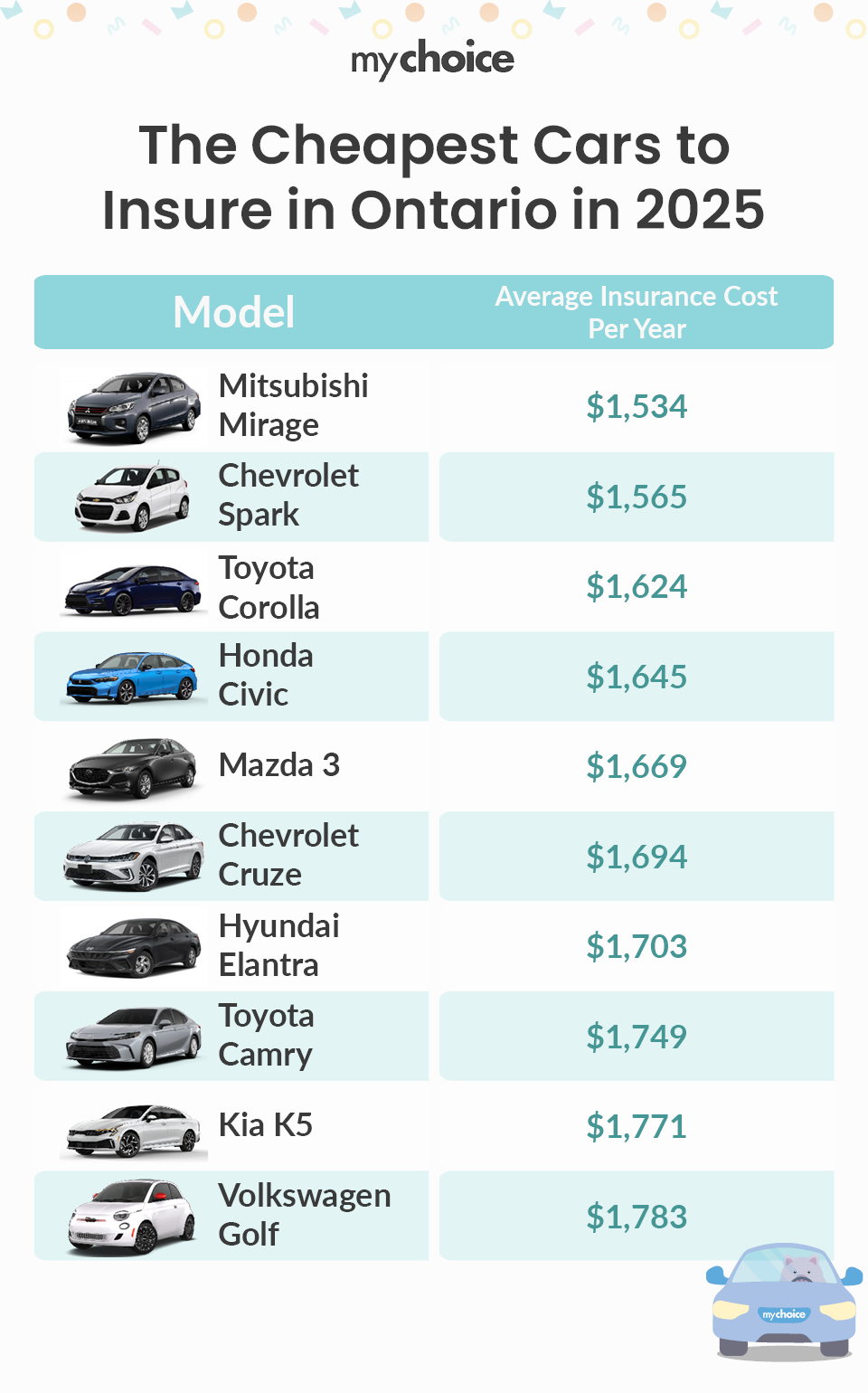
- Consider Your Vehicle Choice: If you’re in the market for a new car, research its insurance costs before you buy. Some models are inherently more expensive to insure due to factors like repair costs, theft rates, and performance characteristics.
Navigating the Car Insurance Marketplace
The car insurance marketplace is vast and diverse. Understanding the different types of insurers and how to interpret their offerings is crucial for making an informed financial decision.
Understanding Different Types of Insurers
Not all insurance companies are created equal, and their operational models can affect their pricing and customer service.
- Standard Carriers: These are the large, well-known national and international insurance companies (e.g., GEICO, Progressive, Allstate, State Farm, Farmers). They typically offer a wide range of policies and discounts and cater to drivers with average or better driving records.
- Non-Standard Carriers: These insurers specialize in providing coverage to high-risk drivers, such as those with multiple accidents, DUI convictions, or a history of significant traffic violations. While they offer a necessary service, their premiums are generally much higher.
- Direct Insurers vs. Agent-Based Insurers:
- Direct Insurers: Companies like GEICO or Progressive operate primarily online or over the phone, cutting out the middleman (agents). This can sometimes lead to lower premiums due to reduced overhead.
- Agent-Based Insurers: Companies like State Farm or Allstate rely on a network of local agents. While premiums might be slightly higher to account for agent commissions, you benefit from personalized service, local expertise, and an advocate who can guide you through the complexities of your policy and claims.
Reading Between the Lines of a Quote
When comparing quotes, it’s critical to ensure you’re comparing apples to apples. A seemingly cheaper quote might hide critical differences.
- Same Coverage Limits and Deductibles: Ensure that all quotes specify identical liability limits, collision/comprehensive deductibles, and any additional coverages. A lower quote might simply be offering less protection.
- Hidden Fees or Charges: Inquire about any administrative fees, installment fees, or other charges that might not be prominently displayed in the initial quote.
- Customer Service and Claims Process: While not directly a cost factor, a cheaper policy from an insurer with a poor claims reputation could end up costing you more in frustration and delays during a time of need. Check independent ratings (e.g., JD Power, AM Best for financial strength) and read customer reviews. A good claims process is invaluable.
Maintaining Affordability and Optimizing Your Policy
Finding the cheapest car insurance isn’t a one-time event; it’s an ongoing process. Life changes, market dynamics, and personal circumstances can all impact your rates, necessitating regular review and adjustment.
Regular Review and Adjustment
Your insurance needs and eligibility for discounts can change frequently.
- Life Changes: Get married, move to a new home, change your commute, or buy a new vehicle? Each of these life events can significantly impact your premium. Inform your insurer and re-evaluate your coverage. For instance, moving to a safer neighborhood could lower your rates.
- Annual Policy Review: Make it a habit to review your policy at least once a year, preferably before renewal. Confirm that your coverage still meets your needs and that you’re not overpaying.
- Inquire About New Discounts: Insurance companies frequently introduce new discounts. Proactively ask your insurer if there are any new savings opportunities you qualify for.
What to Do if You’re Considered High-Risk
If you have a challenging driving record or other factors that label you as “high-risk,” finding affordable insurance can be particularly tough.
- SR-22 Requirements: In many states, after certain violations (like DUIs), you might be required to file an SR-22 (or similar form) that certifies you have adequate insurance. This is a red flag for insurers and will increase your rates.
- Finding Specialized Insurers: Some non-standard carriers specialize in high-risk drivers. While their rates will be higher than standard insurers, they can provide the necessary coverage.
- Strategies to Reduce Risk Over Time: The best long-term strategy is to drive safely, avoid further infractions, and complete defensive driving courses. Over time, as your record improves, you’ll gradually become eligible for lower rates from standard insurers.
In conclusion, finding the “cheapest” car insurance is less about a single magic trick and more about an informed, strategic, and proactive approach to managing your personal finance. By understanding the factors that influence your premiums, diligently comparing quotes, leveraging every possible discount, and regularly reviewing your policy, you can significantly reduce your car insurance expenses without compromising the vital protection it provides. Remember, the true goal is to find the optimal balance between cost and adequate coverage, ensuring your financial security on the road.
aViewFromTheCave is a participant in the Amazon Services LLC Associates Program, an affiliate advertising program designed to provide a means for sites to earn advertising fees by advertising and linking to Amazon.com. Amazon, the Amazon logo, AmazonSupply, and the AmazonSupply logo are trademarks of Amazon.com, Inc. or its affiliates. As an Amazon Associate we earn affiliate commissions from qualifying purchases.