
The desire to grow wealth is a universal aspiration, driving countless individuals to explore the vast and often complex world of investing. In an era marked by fluctuating economic landscapes and evolving financial instruments, the question “What can I invest in and make money?” is more pertinent than ever. It speaks to a fundamental human need for financial security, independence, and the pursuit of future prosperity. This article aims to demystify the investment landscape, offering a comprehensive guide to various avenues that hold the potential for wealth creation, alongside the critical considerations necessary for a successful journey.

Investing is not merely about putting money into an asset; it’s about strategically allocating capital with the expectation of generating a return over time. This return can manifest in different forms: capital appreciation, dividends, interest payments, or rental income. The key to successful investing lies in understanding your personal financial situation, risk tolerance, and long-term objectives, then aligning these with suitable investment vehicles.
Understanding the Fundamentals of Investing
Before diving into specific investment opportunities, it’s crucial to lay a solid foundation of understanding. Investing isn’t a one-size-fits-all endeavor; it requires self-assessment and strategic planning.
Defining Your Financial Goals
The first step in any investment journey is to clearly define what you want to achieve. Are you saving for retirement, a down payment on a house, your children’s education, or simply aiming to build a substantial nest egg? Your goals will dictate your investment horizon (short-term vs. long-term) and, consequently, the types of investments that are most appropriate. For instance, short-term goals might necessitate less volatile assets, while long-term goals can accommodate higher-risk, higher-reward strategies. Specific, measurable, achievable, relevant, and time-bound (SMART) goals provide a roadmap for your financial decisions.
Assessing Your Risk Tolerance
Risk tolerance is a deeply personal metric that reflects your comfort level with potential financial losses. All investments carry some degree of risk, but the magnitude varies widely. A high-risk investment might offer the potential for substantial returns but also significant losses. Conversely, low-risk investments tend to yield modest returns but provide greater principal protection. Your age, income stability, existing savings, and even psychological makeup all contribute to your risk tolerance. It’s vital to be honest with yourself about how much volatility you can stomach without losing sleep. Investing beyond your comfort zone can lead to panic selling during market downturns, undermining your long-term strategy.
The Power of Diversification
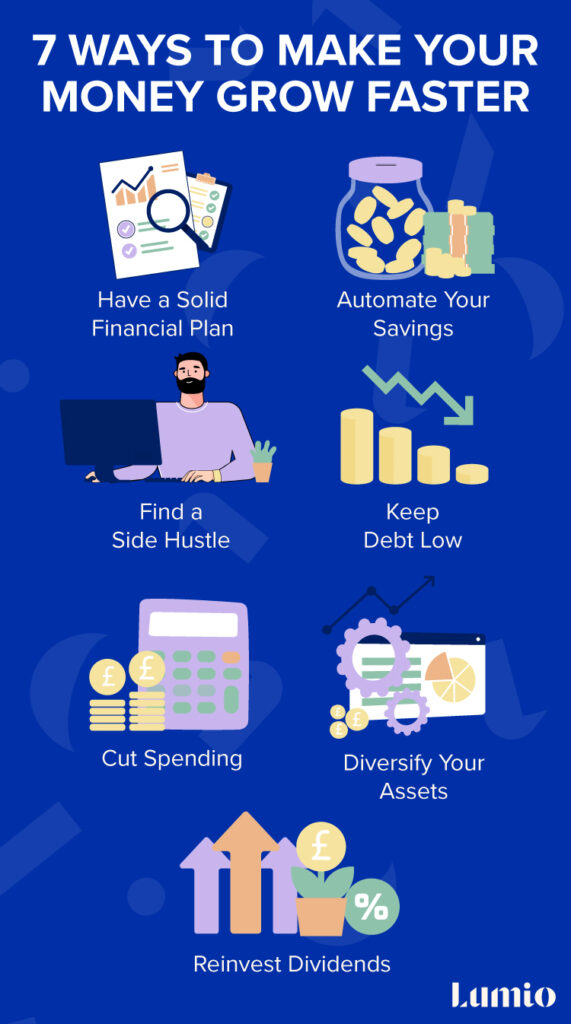
Diversification is often called the only “free lunch” in investing. It involves spreading your investments across various asset classes, industries, and geographical regions to minimize risk. The principle is simple: if one investment performs poorly, others might perform well, offsetting the losses and stabilizing your overall portfolio. A diversified portfolio might include a mix of stocks, bonds, real estate, and potentially alternative assets. This strategy protects against market fluctuations and single-asset risks, providing a more robust and resilient investment foundation.
Traditional Investment Avenues
For centuries, certain asset classes have formed the bedrock of wealth creation. These traditional avenues remain highly relevant and accessible for most investors.
Stocks: Ownership in Public Companies
Investing in stocks means purchasing shares of publicly traded companies, effectively making you a part-owner. As the company grows and profits, the value of its shares typically increases, leading to capital appreciation. Additionally, many companies distribute a portion of their earnings to shareholders as dividends. Stocks offer the potential for significant long-term growth, but they are also subject to market volatility, company-specific risks, and economic downturns. Researching a company’s financial health, management, and industry outlook is crucial before investing.
Bonds: Lending to Governments and Corporations
When you buy a bond, you are essentially lending money to a government or a corporation for a specified period, in exchange for regular interest payments. At the end of the bond’s term (maturity date), your principal investment is returned. Bonds are generally considered less risky than stocks, making them a popular choice for conservative investors or those nearing retirement who prioritize income stability and capital preservation. However, their returns are typically lower than stocks, and they are subject to interest rate risk and inflation risk.
Real Estate: Tangible Assets with Income Potential
Real estate investing involves purchasing properties—residential, commercial, or industrial—with the expectation of generating income through rent or profiting from appreciation in property value. This can include direct ownership, real estate investment trusts (REITs), or crowdfunding platforms. Real estate offers tangible assets, potential for passive income, and often acts as a hedge against inflation. However, it requires substantial capital, involves ongoing management responsibilities (for direct ownership), and can be illiquid, meaning it might be challenging to sell quickly.
Mutual Funds and ETFs: Diversification Made Easy
For investors seeking diversification without the complexity of managing individual stocks and bonds, mutual funds and Exchange Traded Funds (ETFs) are excellent options.
- Mutual Funds: These are professionally managed portfolios that pool money from multiple investors to buy a diversified collection of stocks, bonds, or other securities. They offer built-in diversification and professional management but typically come with various fees.
- ETFs: Similar to mutual funds, ETFs also hold a basket of assets, but they trade on stock exchanges like individual stocks. They offer flexibility, lower expense ratios compared to many mutual funds, and often track specific indices (e.g., S&P 500), sectors, or commodities. Both provide a cost-effective way to gain exposure to broad markets or specific niches.
Modern and Alternative Investment Strategies
Beyond the traditional, the financial landscape has broadened to include innovative and often higher-risk avenues that cater to different investment appetites.
Peer-to-Peer Lending: Direct Investment in Individuals and Small Businesses
Peer-to-peer (P2P) lending platforms connect individual lenders directly with borrowers, bypassing traditional financial institutions. Investors can earn interest by funding personal loans, small business loans, or even real estate projects. While offering potentially higher returns than traditional savings accounts or bonds, P2P lending carries credit risk (the risk of borrowers defaulting) and liquidity risk. Thorough due diligence on platforms and borrowers is essential.
Cryptocurrencies: Volatility and Potential for High Returns
Cryptocurrencies like Bitcoin and Ethereum have captured significant attention due to their decentralized nature and the potential for explosive growth. They represent a digital asset class built on blockchain technology. Investing in cryptocurrencies can offer extraordinary returns, but it comes with extreme volatility, regulatory uncertainty, and security risks. It’s a highly speculative investment not suitable for all investors, and any capital invested should be money one can afford to lose.
Crowdfunding: Supporting Startups and Projects
Crowdfunding allows individuals to invest small amounts of money in startups, real estate projects, or creative endeavors in exchange for equity, debt, or rewards. This democratizes access to early-stage investments that were once limited to venture capitalists. Equity crowdfunding, in particular, offers the potential for high returns if the startup succeeds, but it also carries high risk due to the early stage and inherent failure rate of new businesses. It requires patience and a tolerance for illiquidity.
Digital Businesses and Online Income Streams
Investing in or building digital businesses and online income streams has become a viable path for many. This can range from creating an e-commerce store, developing an app, running a successful blog with affiliate marketing, to investing in established online ventures. The initial investment might be time and skill rather than just capital, but the scalability and low overheads of many digital models offer significant income potential. Understanding digital marketing, SEO, and content creation are often key to success in this realm.
Strategic Approaches to Maximizing Returns
Beyond selecting the right assets, the way you manage your investments significantly impacts your ultimate returns.
Long-Term Growth vs. Short-Term Gains
A fundamental distinction in investing is between strategies focused on long-term growth and those targeting short-term gains. Long-term investing, often called “buy and hold,” involves investing in quality assets and holding them for years, benefiting from compounding returns and riding out market fluctuations. Short-term trading, conversely, aims to profit from rapid price movements, requiring intense market analysis, quick decision-making, and often incurring higher transaction costs. For most individual investors, particularly those new to the market, a long-term growth strategy is generally more prudent and less stressful.
Reinvesting Dividends and Profits
One of the most powerful tools for wealth accumulation is the reinvestment of dividends and profits. Instead of taking cash payouts, allowing these earnings to buy more shares or increase your investment principal triggers the magic of compounding. Over time, this snowball effect can dramatically accelerate your portfolio’s growth, turning modest initial investments into substantial wealth. Many brokerage accounts offer automated dividend reinvestment plans (DRIPs) to simplify this process.
Continuous Learning and Adaptability
The financial markets are dynamic, constantly evolving with new technologies, regulations, and economic shifts. Successful investors are lifelong learners, committed to understanding market trends, economic indicators, and the performance of their investments. This doesn’t mean chasing every hot tip, but rather maintaining an informed perspective. Adaptability is equally crucial; being able to adjust your strategy in response to changing personal circumstances or market conditions, without panic, is a hallmark of a disciplined investor.
Essential Considerations Before You Start
Embarking on your investment journey requires more than just picking assets; it demands preparedness and a responsible approach.
Starting Small and Consistent Contributions
You don’t need a fortune to start investing. Many platforms allow you to begin with just a few dollars, often through fractional shares. The key is consistency. Regularly contributing even small amounts, through dollar-cost averaging, can mitigate risk by averaging out your purchase price over time and building your portfolio steadily. The discipline of regular contributions is far more impactful than waiting for a large sum to invest all at once.
The Importance of a Solid Emergency Fund
Before you invest, ensure you have a robust emergency fund. This is typically 3-6 months’ worth of living expenses saved in an easily accessible, liquid account (like a high-yield savings account). An emergency fund prevents you from having to sell investments prematurely during unforeseen circumstances (job loss, medical emergency, car repair), potentially locking in losses or derailing your long-term plans. It’s the financial buffer that allows your investments to do their job without interruption.
Seeking Professional Financial Advice
While this article provides a general overview, your financial situation is unique. A qualified financial advisor can offer personalized guidance, help you define your goals, assess your risk tolerance accurately, construct a diversified portfolio, and navigate complex financial decisions. They can also provide valuable insights into tax implications and estate planning. While not strictly necessary for everyone, especially those with simpler financial needs, a good advisor can be an invaluable partner in achieving your financial aspirations.

Avoiding Get-Rich-Quick Schemes
The promise of quick, effortless wealth is a siren song that has lured many to financial ruin. Legitimate investing is a marathon, not a sprint. Any investment opportunity promising guaranteed high returns with little to no risk, or urging you to act immediately without proper due diligence, should be viewed with extreme skepticism. True wealth creation through investing requires patience, discipline, and a realistic understanding of market dynamics.
In conclusion, the question “What can I invest in and make money?” opens the door to a world of possibilities. From the stability of bonds and real estate to the growth potential of stocks and the innovation of cryptocurrencies and digital businesses, the options are diverse. However, success in this realm is not found by simply choosing an asset but by coupling informed decision-making with a clear understanding of your goals, a disciplined approach, and a commitment to continuous learning. By building a solid financial foundation and embracing a strategic mindset, you can navigate the investment landscape confidently and embark on a rewarding journey towards financial prosperity.
aViewFromTheCave is a participant in the Amazon Services LLC Associates Program, an affiliate advertising program designed to provide a means for sites to earn advertising fees by advertising and linking to Amazon.com. Amazon, the Amazon logo, AmazonSupply, and the AmazonSupply logo are trademarks of Amazon.com, Inc. or its affiliates. As an Amazon Associate we earn affiliate commissions from qualifying purchases.