
The aspiration to accumulate substantial wealth is a universal drive, fueling innovation, entrepreneurship, and personal growth across societies. While the concept of “a lot of money” is subjective, ranging from financial independence to generational wealth, the underlying principles and strategies for achieving it remain remarkably consistent. This isn’t about get-rich-quick schemes, but rather a strategic, long-term approach rooted in value creation, diligent effort, and astute financial management. Making a significant amount of money requires a profound shift in mindset, a commitment to skill development, and a systematic application of financial intelligence.
The Mindset Shift: Foundations of Wealth Creation
True wealth creation begins not with external opportunities, but with an internal paradigm shift. It’s about cultivating a perspective that sees possibilities where others see limitations, and understanding that money is a tool, not merely an end.

Beyond Basic Income: Defining Your Financial Goals
Before embarking on any journey, one must know the destination. For wealth building, this means defining what “a lot of money” truly signifies for you. Is it the freedom to quit a job, fund a passion project, achieve early retirement, or build a lasting legacy? Vague desires lead to vague outcomes. Specific, measurable, achievable, relevant, and time-bound (SMART) financial goals are crucial. For example, instead of “I want to be rich,” think “I will accumulate a net worth of $5 million by age 50 through a diversified investment portfolio and a successful entrepreneurial venture.” This clarity provides direction, motivation, and a benchmark for progress. It forces you to think about the lifestyle you desire, the impact you wish to make, and the resources required to achieve it.
Cultivating a Growth and Abundance Mentality
A scarcity mindset, characterized by fear of loss, envy, and a belief that resources are limited, is a significant impediment to wealth. Conversely, an abundance mindset fosters creativity, collaboration, and an understanding that wealth can be created and expanded. It involves believing in your capacity to learn, adapt, and overcome challenges. This mindset embraces risk as a component of reward, views failure as a learning opportunity, and understands that contributing value to others is a direct pathway to personal prosperity. Surround yourself with individuals who share this positive outlook, read books that inspire financial wisdom, and consistently challenge your own limiting beliefs about money and what you are capable of achieving.
Understanding Value Creation and Problem Solving
Money, at its core, is a medium of exchange for value. To make a lot of money, you must create a lot of value for a lot of people. This means identifying problems, needs, or desires in the market and offering effective, scalable solutions. Whether through a product, a service, or a unique skill set, your ability to solve significant problems for others directly correlates with your earning potential. Think about the most successful individuals and companies: they address fundamental human needs (food, shelter, security), desires (entertainment, convenience, luxury), or inefficiencies (technology solutions, productivity tools). Develop an eye for inefficiencies, unmet needs, or overlooked opportunities, and then dedicate yourself to crafting superior solutions.
Building High-Income Skills and Professional Leverage
While mindset sets the foundation, tangible skills are the building blocks. The modern economy rewards specialized knowledge and the ability to execute complex tasks that are in high demand and difficult to automate.
Identifying and Developing Market-Demanded Skills
The landscape of high-income skills is constantly evolving. Today, areas such as artificial intelligence, data science, cybersecurity, advanced digital marketing, software development, cloud computing, and complex sales are commanding significant salaries. However, “soft skills” like critical thinking, problem-solving, emotional intelligence, leadership, and effective communication remain universally valuable and amplify the impact of technical expertise. Regularly audit your skill set against current market demands. Are there emerging fields or technologies that align with your interests? Commit to lifelong learning through online courses, certifications, workshops, and mentorship. The investment in your own human capital is often the most lucrative investment you can make.
The Power of Specialization and Expertise
In a world saturated with generalists, specialists stand out. Deep expertise in a narrow, high-value niche can dramatically increase your earning potential. Instead of being a “marketing person,” become a “performance marketing expert specializing in B2B SaaS lead generation.” This focus allows you to command higher fees, become indispensable, and develop a reputation as the go-to authority. Specialization doesn’t mean limiting yourself; it means concentrating your efforts to achieve mastery, which then allows you to diversify or pivot from a position of strength. Research industries and roles where specialists are highly rewarded and commit to becoming one of the best.
Negotiating for Higher Compensation and Career Advancement
Many people undervalue their contributions, especially in traditional employment settings. Learning to effectively negotiate your salary, benefits, and career progression is a crucial skill for accumulating wealth. Understand your market value by researching industry benchmarks and similar roles. Articulate your achievements in terms of quantifiable value delivered to your employer. Be prepared to advocate for yourself, demonstrating how your skills and experience translate into tangible benefits for the organization. Beyond salary, strategically pursue promotions, take on leadership roles, and seek out projects that increase your visibility and leverage within your company or industry. Building a strong professional network can also open doors to higher-paying opportunities.
Entrepreneurship and Business Ventures: Your Own Economic Engine
While high-paying jobs are a path to wealth, entrepreneurship offers unparalleled potential for exponential growth, as it liberates your income from direct hourly correlation and allows for scalability.
From Idea to Income: Starting and Scaling a Business
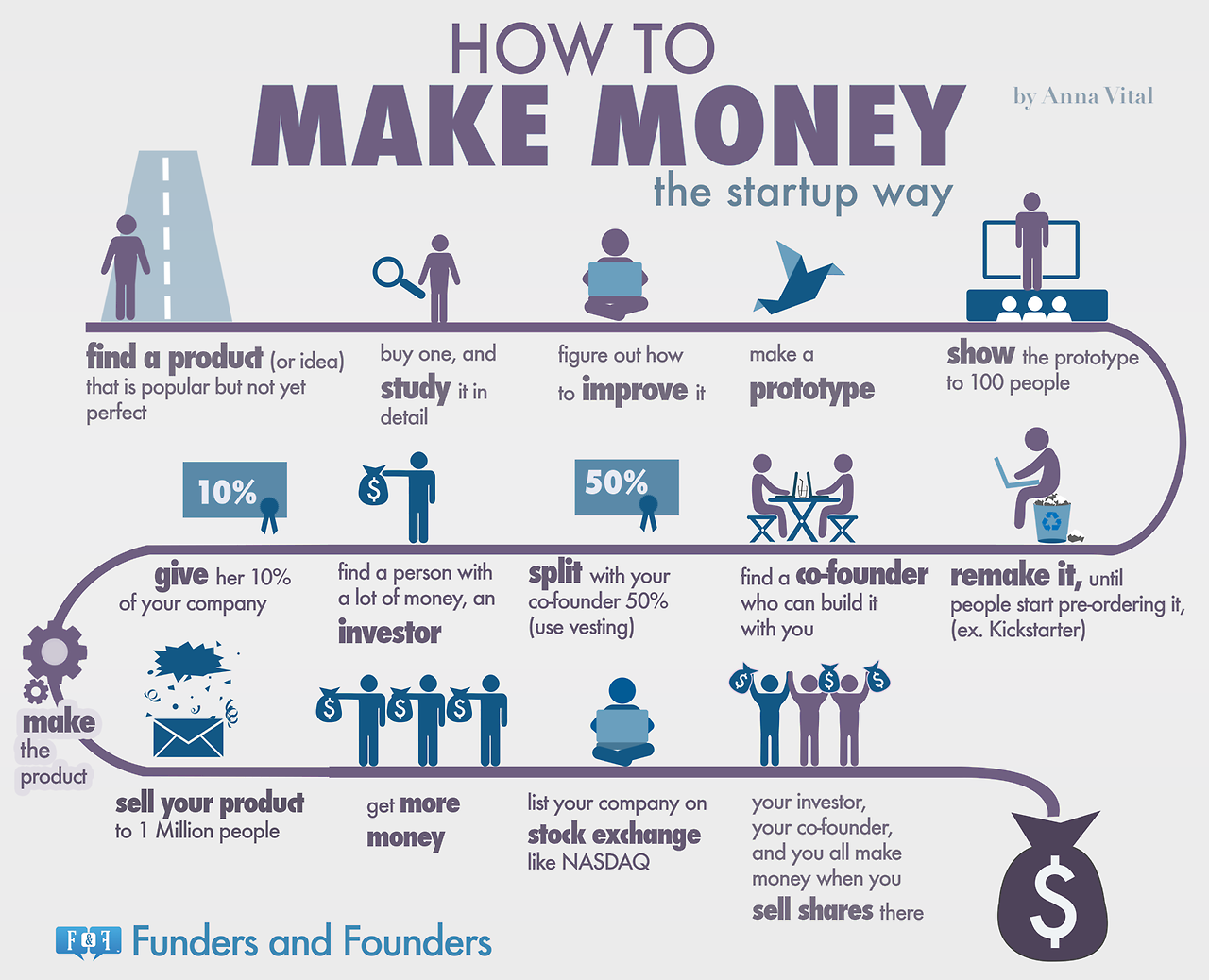
The leap into entrepreneurship can be daunting, but the rewards can be immense. Starting a business involves identifying a market need, developing a solution, and bringing it to market. This could be a product, a service, or a platform. The key is to start small, validate your idea with real customers, and be prepared to iterate rapidly based on feedback. Focus on creating a minimum viable product (MVP) to test your assumptions without significant upfront investment. Once validated, the focus shifts to scaling: expanding your customer base, optimizing operations, building a strong team, and leveraging technology to increase efficiency and reach. Scaling effectively is what separates a small business from a highly profitable enterprise.
Identifying Market Gaps and Niche Opportunities
The most successful businesses often arise from identifying underserved markets or novel solutions to existing problems. This requires keen observation, market research, and a willingness to think outside the box. Look for areas where existing solutions are inadequate, too expensive, or non-existent. Can you serve a specific demographic better than anyone else? Can you offer a unique value proposition that differentiates you from competitors? Niche markets, though smaller, often have less competition and more loyal customers, allowing for higher profit margins. For instance, instead of launching another generic e-commerce store, consider one that specializes in sustainable pet products for urban dwellers.
The Importance of Business Models and Automation
A robust business model defines how your company creates, delivers, and captures value. This includes revenue streams, cost structures, key resources, and customer relationships. A well-designed business model ensures profitability and sustainability. Crucially, look for opportunities to automate repetitive tasks and processes within your business. Automation, through software, AI, or carefully designed systems, can dramatically increase efficiency, reduce costs, and free up your time to focus on strategic growth. Examples include automated customer service chatbots, marketing automation platforms, and streamlined order fulfillment processes. The goal is to build a system that can generate income even when you are not directly involved in every step.
Strategic Investing: Making Your Money Work for You
Earning a high income is only one part of the wealth equation; making that money grow through wise investments is equally, if not more, important for accumulating significant wealth.
Understanding Investment Vehicles: Stocks, Real Estate, and More
The world of investing offers a diverse range of vehicles, each with its own risk and return profile.
- Stocks: Represent ownership in companies. Investing in individual stocks, or more commonly, diversified index funds (ETFs, mutual funds) that track broad markets like the S&P 500, offers growth potential and liquidity.
- Real Estate: Can provide rental income and capital appreciation. This can range from residential properties to commercial real estate, or even real estate investment trusts (REITs). It often requires more capital and management, but can be a powerful wealth builder.
- Bonds: Debt instruments issued by governments or corporations, generally lower risk than stocks but also lower returns. They provide stability and income.
- Alternative Investments: Include commodities, private equity, venture capital, and even cryptocurrencies. These often carry higher risks but can offer significant returns for those with the knowledge and risk tolerance.
It’s crucial to educate yourself on these options, understanding their mechanics, risks, and potential returns before allocating capital.
The Principles of Compounding and Long-Term Growth
Albert Einstein reportedly called compound interest “the eighth wonder of the world.” Compounding is the process of earning returns on your initial investment and on the accumulated interest from previous periods. Over long periods, even modest returns can grow into substantial sums due to this exponential effect. Starting early, investing consistently, and reinvesting returns are the cornerstones of harnessing the power of compounding. Patience is a virtue in investing; resisting the urge to chase short-term gains and instead focusing on consistent, long-term growth is paramount for making “a lot of money.”
Risk Management and Diversification Strategies
No investment is without risk. Smart investors understand, mitigate, and manage risk, rather than avoiding it entirely. Diversification is a primary tool for risk management: spreading your investments across different asset classes (stocks, bonds, real estate), industries, geographies, and investment styles. This prevents any single poor-performing asset from devastating your entire portfolio. Understand your personal risk tolerance and align your investment strategy accordingly. Regularly rebalance your portfolio to maintain your desired asset allocation. Moreover, continuously educate yourself, stay informed about market trends, and consider consulting with a qualified financial advisor to help tailor a strategy that aligns with your specific goals and risk profile.
Optimizing Income Streams and Financial Management
Making a lot of money isn’t just about earning and investing; it’s also about effective management of your existing resources and continuously seeking ways to expand your financial capacity.
Diversifying Income Through Side Hustles and Passive Sources
Relying on a single income source, no matter how high-paying, exposes you to significant risk. Developing multiple income streams builds financial resilience and accelerates wealth accumulation.
- Side Hustles: Offer opportunities to leverage existing skills or develop new ones outside of your primary employment. This could involve freelance consulting, teaching, content creation, ride-sharing, or e-commerce. A successful side hustle can evolve into a significant revenue stream or even a full-time business.
- Passive Income: The holy grail of wealth building, where income is generated with minimal ongoing effort after the initial setup. Examples include rental properties, dividend stocks, royalties from intellectual property (books, music, software), affiliate marketing, or high-yield savings accounts. Building passive income requires upfront investment of time or capital, but ultimately frees your time and provides continuous cash flow.
Smart Budgeting, Saving, and Debt Elimination
While often seen as restrictive, a strategic budget is a powerful tool for directing your money towards your goals. It allows you to track where your money goes, identify areas for reduction, and intentionally allocate funds towards savings and investments. The goal is to live below your means, regardless of how much you earn. Aggressively pay down high-interest debt (credit cards, personal loans), as interest payments are a direct drain on your wealth. Once high-interest debt is eliminated, prioritize building an emergency fund (3-6 months of living expenses) before funneling more money into investments. Automated savings and investment contributions remove the mental burden and ensure consistency.

Protecting and Growing Your Wealth: Tax Efficiency and Legacy Planning
Accumulating wealth is one challenge; preserving and growing it while minimizing taxes and planning for the future is another.
- Tax Efficiency: Understand the tax implications of your income and investments. Utilize tax-advantaged accounts like 401(k)s, IRAs, HSAs, and 529 plans, which offer tax deferral or tax-free growth. Consult with a tax professional to develop strategies that legally minimize your tax burden and maximize your net returns.
- Legacy Planning: As your wealth grows, it becomes essential to think about its future. Estate planning, through wills, trusts, and power of attorney, ensures your assets are distributed according to your wishes and minimizes legal complexities for your beneficiaries. Consider long-term care insurance and other protective measures to safeguard your assets against unforeseen events. Furthermore, think about how you might use your wealth to create a lasting positive impact, whether through philanthropy or setting up foundations.
Making “a lot of money” is a journey that demands continuous learning, adaptability, and a strategic approach across multiple financial disciplines. It’s a marathon, not a sprint, built on the foundations of a growth mindset, developed skills, strategic investments, and diligent financial management. By consistently applying these principles, anyone can significantly enhance their financial standing and achieve true financial prosperity.
aViewFromTheCave is a participant in the Amazon Services LLC Associates Program, an affiliate advertising program designed to provide a means for sites to earn advertising fees by advertising and linking to Amazon.com. Amazon, the Amazon logo, AmazonSupply, and the AmazonSupply logo are trademarks of Amazon.com, Inc. or its affiliates. As an Amazon Associate we earn affiliate commissions from qualifying purchases.