
Increasing your income is a multi-faceted endeavor that often requires a combination of strategic planning, skill development, and a proactive approach to financial opportunities. It’s not merely about working harder, but often about working smarter, diversifying income streams, and making astute financial decisions. For anyone looking to bolster their financial standing, understanding the various avenues available and how to effectively navigate them is crucial. This guide delves into actionable strategies across different domains to help you achieve significant income growth.
Building a Foundation for Income Growth
Before embarking on specific income-generating strategies, it’s essential to establish a robust financial foundation. This involves understanding your current financial position and setting clear, achievable goals.

Assessing Your Current Financial Landscape
The first step is to gain absolute clarity on your existing financial situation. This means conducting a thorough audit of your income, expenses, assets, and liabilities. Use spreadsheets or financial tracking apps to categorize every dollar coming in and going out. Identify your net worth, which is the total value of your assets minus your liabilities. Understanding where you stand financially provides a realistic starting point and highlights areas for potential improvement or where additional income would have the most impact. Pinpointing discretionary spending allows you to understand how much you might be able to reallocate towards investments or income-generating activities.
Setting Clear Financial Goals
Vague aspirations rarely lead to concrete results. Instead, define specific, measurable, achievable, relevant, and time-bound (SMART) financial goals. Do you want to save for a down payment, pay off debt, invest a certain amount, or simply increase your monthly disposable income by a specific percentage? Quantify these goals. For example, instead of “make more money,” aim for “increase my take-home pay by $500 per month within the next 12 months.” Clearly defined goals provide direction and motivation, allowing you to tailor your income-increasing strategies effectively.
Budgeting and Expense Management
While increasing income is the primary focus, effective expense management acts as a powerful lever for immediate financial improvement. A well-structured budget is paramount. It allows you to consciously allocate your money, prioritize needs over wants, and identify areas where you can cut back. Every dollar saved from unnecessary expenses is a dollar that doesn’t need to be earned elsewhere, or can be reinvested into income-generating ventures. Implement a “pay yourself first” philosophy by automatically transferring a portion of your income into savings or investment accounts before you have a chance to spend it. This discipline frees up capital to be deployed strategically towards income growth.
Leveraging Your Existing Skills and Employment
Often, the quickest path to increased income lies within your current professional sphere. Maximizing your value in your existing role or industry can yield significant returns.
Negotiating for Higher Salary
Many individuals underestimate their worth and shy away from salary negotiations. Research industry benchmarks for your role, experience level, and geographic location. Document your achievements, contributions, and any new skills you’ve acquired. When approaching your employer, focus on the value you bring to the organization and how your contributions justify a higher compensation package. Be prepared to articulate specific examples of how you’ve exceeded expectations or taken on additional responsibilities. This negotiation should be a professional discussion grounded in data and demonstrated value, not merely a request.
Upskilling and Professional Development
The job market is constantly evolving, and possessing in-demand skills can significantly boost your earning potential. Identify skills gaps in your current role or industry that are highly valued. This could involve pursuing certifications, enrolling in online courses, attending workshops, or even acquiring new language proficiencies. Investing in your education and professional development signals commitment and competence, making you a more valuable asset to your current employer or more attractive to prospective ones. Focus on skills that are directly correlated with higher wages and increased responsibility.
Exploring Internal Opportunities and Promotions
Before looking externally, assess opportunities for advancement within your current organization. Express your ambitions to your manager and HR, actively seek out projects that will expose you to new areas, and demonstrate leadership potential. A promotion often comes with a significant salary bump and increased responsibilities that align with your growth trajectory. Understanding the career paths available internally and strategically positioning yourself for the next step can be a highly effective way to increase your income without changing companies.
Exploring Diversified Income Streams
Relying on a single source of income can be precarious. Diversifying your income streams provides financial resilience and accelerates wealth accumulation.
The Power of Side Hustles
Side hustles have become an increasingly popular and accessible way to boost income. They leverage existing skills or cultivate new ones outside of your primary employment.
Freelancing and Gig Economy
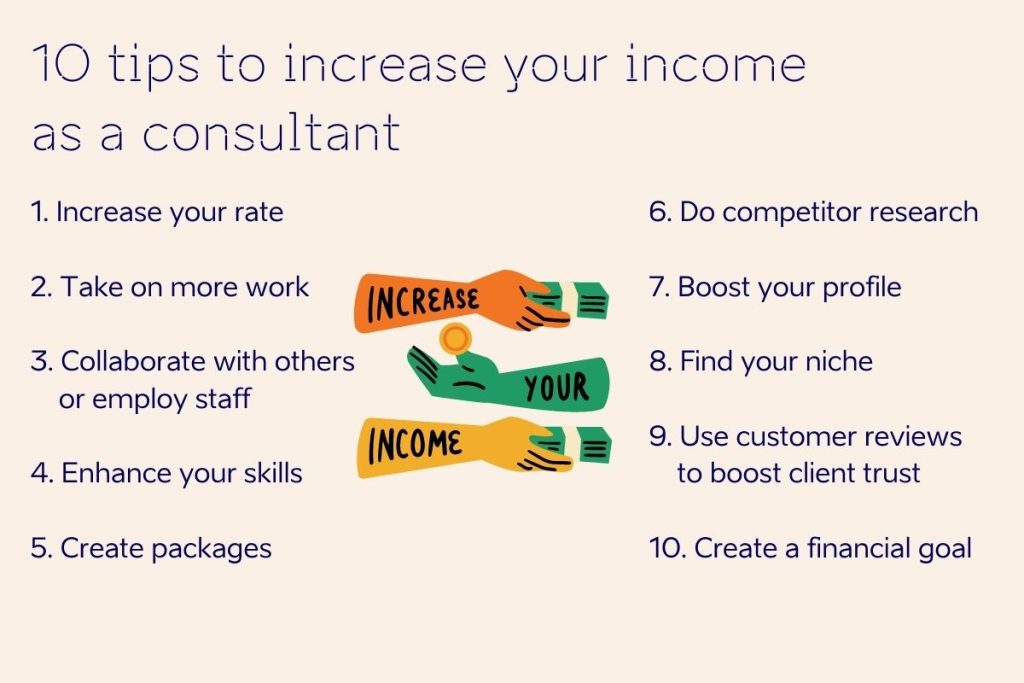
Platforms like Upwork, Fiverr, and many niche-specific sites connect freelancers with clients seeking various services, including writing, graphic design, web development, consulting, virtual assistance, and more. If you have a marketable skill, the gig economy offers immense flexibility to set your own hours and rates, allowing you to supplement your main income significantly.
E-commerce and Online Sales
Selling products online, whether through platforms like Etsy, eBay, Amazon FBA, or your own e-commerce store, can generate substantial income. This could involve dropshipping, selling handmade goods, reselling curated items, or creating your own unique products. Understanding market demand, effective marketing, and efficient logistics are key to success in this arena.
Content Creation and Digital Products
The digital age has opened doors for content creators. Starting a blog, YouTube channel, podcast, or social media presence can generate income through advertising, sponsorships, affiliate marketing, or direct sales of digital products (e.g., e-books, online courses, templates). Building an audience and providing consistent value are central to monetizing content effectively.
Passive Income Generation
Passive income involves earning money with minimal ongoing effort after the initial setup. While often requiring upfront capital or significant initial work, the long-term benefits are substantial.
Investing in Securities (Stocks, Bonds, ETFs)
The stock market offers various avenues for passive income. Dividend stocks pay regular income distributions. Bonds provide fixed interest payments. Exchange-Traded Funds (ETFs) can offer diversified exposure to income-generating assets. A disciplined investment strategy, often guided by professional advice, is crucial for long-term growth and income generation from the markets. Reinvesting dividends and interest can compound returns over time.
Real Estate Investments
Real estate can be a powerful source of passive income through rental properties. This requires significant initial capital or financing, but can provide consistent cash flow, property appreciation, and tax benefits. Other options include REITs (Real Estate Investment Trusts), which allow you to invest in real estate portfolios without direct property ownership.
Royalties and Licensing
If you create intellectual property—such as a book, music, software, or design—you can earn royalties each time your creation is sold, used, or licensed. This involves significant upfront creative effort but can yield ongoing income for years.
Entrepreneurship and Business Ventures
For those with a higher risk tolerance and an entrepreneurial spirit, starting and scaling a business can lead to exponential income growth.
Starting a Small Business
Identify a problem you can solve or a need you can fulfill in the market. Starting a small business, whether service-based or product-based, allows you to control your earning potential directly. This requires dedication, market research, a solid business plan, and resilience. Begin with a lean startup approach, testing your ideas and iterating based on feedback, to minimize initial investment and risk.
Leveraging Technology for Business Growth
Technology can significantly amplify your business’s reach and efficiency. Utilize online platforms for marketing, sales, customer service, and operations. Automation tools can streamline tasks, freeing up your time to focus on strategic growth. Embrace digital marketing strategies, including SEO, social media marketing, and email campaigns, to connect with a wider audience and drive sales.
Scaling Your Operations
Once your business gains traction, focus on scaling. This could involve expanding your product/service offerings, entering new markets, hiring employees to delegate tasks, or optimizing your existing processes for greater output. Scaling requires careful financial management, strategic planning, and often additional investment, but it is the path to truly significant income increases through entrepreneurship.
Strategic Financial Planning for Long-Term Wealth
Increasing income isn’t solely about the immediate gains, but also about how you manage and grow that income over the long term.
Automating Savings and Investments
Make saving and investing effortless by setting up automated transfers from your checking account to your savings, retirement, and investment accounts. This ensures that a portion of your increased income is consistently channeled towards wealth accumulation before you have a chance to spend it. Automation removes the psychological barrier of manually initiating transfers and builds financial discipline.
Minimizing Debt
High-interest debt, such as credit card debt, acts as a significant drag on your financial progress. Allocate a portion of your increased income towards aggressively paying down these debts. The money saved on interest payments can then be redirected towards investments or other income-generating activities, effectively increasing your net income and improving your financial health.

Consulting with Financial Advisors
As your income and financial complexity grow, consider engaging with a qualified financial advisor. They can provide personalized guidance on investment strategies, tax planning, retirement planning, and estate planning. A professional can help you optimize your financial decisions, ensure your income growth aligns with your long-term wealth goals, and navigate complex financial landscapes. This can be particularly beneficial for entrepreneurs or individuals with multiple income streams.
By adopting a proactive and multi-pronged approach, leveraging both immediate opportunities and long-term strategies, anyone can significantly increase their income and build a more secure financial future.
aViewFromTheCave is a participant in the Amazon Services LLC Associates Program, an affiliate advertising program designed to provide a means for sites to earn advertising fees by advertising and linking to Amazon.com. Amazon, the Amazon logo, AmazonSupply, and the AmazonSupply logo are trademarks of Amazon.com, Inc. or its affiliates. As an Amazon Associate we earn affiliate commissions from qualifying purchases.