
The seemingly simple question, “What’s playing on USA right now?”, transcends a mere inquiry into a television schedule. For a brand like USA Network, the answer is a meticulously crafted statement of identity, a strategic declaration of its target audience, and a dynamic reflection of its position within the fiercely competitive media landscape. In an era of content saturation, where viewers have unprecedented control over what, when, and how they consume media, a network’s programming slate is its most powerful branding tool. It’s not just about entertainment; it’s about curated experiences, thematic consistency, and a deliberate effort to forge a connection with its audience. This article will dissect the layers behind USA Network’s programming, exploring how its content choices are intrinsic to its brand strategy, market positioning, and enduring appeal.
Decoding the USA Network Brand: More Than Just Entertainment
At its core, USA Network is a brand built on specific entertainment pillars. Its current programming, and indeed its historical trajectory, reveals a conscious effort to cultivate a distinct brand personality. Understanding “what’s playing” involves looking beyond individual show titles to grasp the overarching themes and strategic intent behind the lineup.
Evolution of a Brand: From “Characters Welcome” to Today’s Niche
USA Network has undergone several brand evolutions, each reflected in its programming. Perhaps its most iconic era was defined by the “Characters Welcome” tagline, which perfectly encapsulated its lineup of character-driven dramas and procedurals. Shows like Monk, Psych, Burn Notice, and Suits weren’t just popular; they established a recognizable brand identity: smart, witty, often light-hearted yet engaging dramas with memorable protagonists. This period solidified USA’s reputation for delivering accessible, high-quality scripted content that felt premium without being overly niche or demanding.
Today, while the specific tagline may have shifted, the essence of that brand appeal continues to inform its content strategy. The network seeks to blend original scripted series with high-profile acquired content, often leaning into genres that resonate with its established viewer base. This includes a mix of drama, thrillers, and reality programming, along with a significant presence in live sports. The evolution isn’t about abandoning its roots but adapting them to a fragmented media environment where linear TV complements, rather than competes solely with, on-demand streaming. The brand narrative is now one of diverse entertainment, maintaining its strength in scripted series while strategically diversifying its offerings to capture broader attention.
Target Audience and Demographic Appeal
A brand’s content strategy is always inextricably linked to its target audience. For USA Network, “what’s playing right now” is designed to appeal to a broad yet identifiable demographic. Historically, its programming attracted a significant adult audience, particularly those seeking engaging storytelling that offered an escape without being overly dark or gritty. This translates to shows with strong narrative arcs, compelling characters, and often a degree of aspirational or escapist fantasy.
In the current landscape, this target has expanded to include sports enthusiasts, particularly through its integration with NBCUniversal’s sports properties. The inclusion of wrestling (WWE Raw), major league sports events, and Olympic coverage broadens its demographic reach significantly, pulling in a younger, more male-skewing audience than some of its traditional dramas might. This strategic blend means that at any given moment, USA Network is attempting to capture the attention of different viewer segments – from the dedicated wrestling fan to the viewer looking for a captivating drama or a light-hearted reality show. The key is to offer enough variety to maintain relevance across these groups while ensuring each piece of content still subtly reinforces the broader brand promise of engaging entertainment.
Thematic Pillars: What Defines USA’s Programming?
The content currently airing on USA Network, whether it’s an original series, an acquired film, or a live sporting event, typically adheres to certain thematic pillars that define the network’s brand.
- Compelling Drama and Mystery: Even with diversification, the network maintains its commitment to dramatic storytelling, often with elements of mystery, legal intrigue, or character-driven conflict. These shows are designed to draw viewers in with intricate plots and relatable, albeit often extraordinary, characters.
- Pop Culture Relevance: USA often features programming that taps into current pop culture trends, whether through reality TV that resonates with contemporary interests or through acquired movies that have strong popular appeal.
- Live Event Spectacle: The significant investment in live sports and entertainment events, particularly WWE, positions USA as a destination for shared, real-time viewing experiences. This pillar is crucial in an on-demand world, as live events drive immediate tune-in and social media engagement, fostering a sense of community around the brand.
- Accessible Entertainment: Unlike some niche cable channels that cater to extremely specific tastes, USA’s programming generally aims for broad accessibility. This means content that is engaging without being overly niche, offering a comfortable and familiar viewing experience.
These pillars are not rigid rules but guiding principles that help shape “what’s playing” into a coherent brand statement, ensuring that despite the variety, there’s an underlying consistency that viewers come to expect and appreciate from the USA Network.
The Strategic Playbook: Crafting a Competitive Content Lineup
“What’s playing on USA right now” is the culmination of a sophisticated strategic playbook. It’s about more than just filling airtime; it’s about making deliberate choices to build brand equity, capture market share, and adapt to evolving consumption habits.
Original Series vs. Acquired Content: A Balancing Act
A core aspect of USA’s content strategy involves a delicate balance between investing in original scripted series and licensing popular acquired content, including movies and syndicated shows. Original programming is crucial for brand differentiation. It allows USA to cultivate unique intellectual property, define its creative voice, and build a loyal fanbase around specific franchises. These shows are the primary drivers of brand identity and often garner critical acclaim and industry recognition.
However, originals are expensive and risky. Acquired content, on the other hand, provides a cost-effective way to fill scheduling gaps, attract viewers with familiar titles, and offer immediate gratification. A blockbuster movie or a popular syndicated series can draw significant audiences, providing a strong lead-in for original programming or simply keeping viewers tuned to the channel. The “what’s playing right now” answer almost always includes a mix of both, strategically deployed to maximize viewership and reinforce the brand’s position as a provider of diverse, engaging entertainment. The ratio between these two types of content is a dynamic decision, constantly adjusting to market trends, budget realities, and the performance of individual titles.
Event Programming and Live Sports: Expanding Brand Reach
The increasing emphasis on live event programming, particularly sports, represents a significant strategic shift for USA Network, expanding its brand reach beyond traditional scripted dramas. In an age where DVRs and streaming allow viewers to avoid commercials and watch on their own schedule, live events are appointment viewing. They generate real-time buzz, drive social media conversations, and deliver large, engaged audiences that are highly valuable to advertisers.
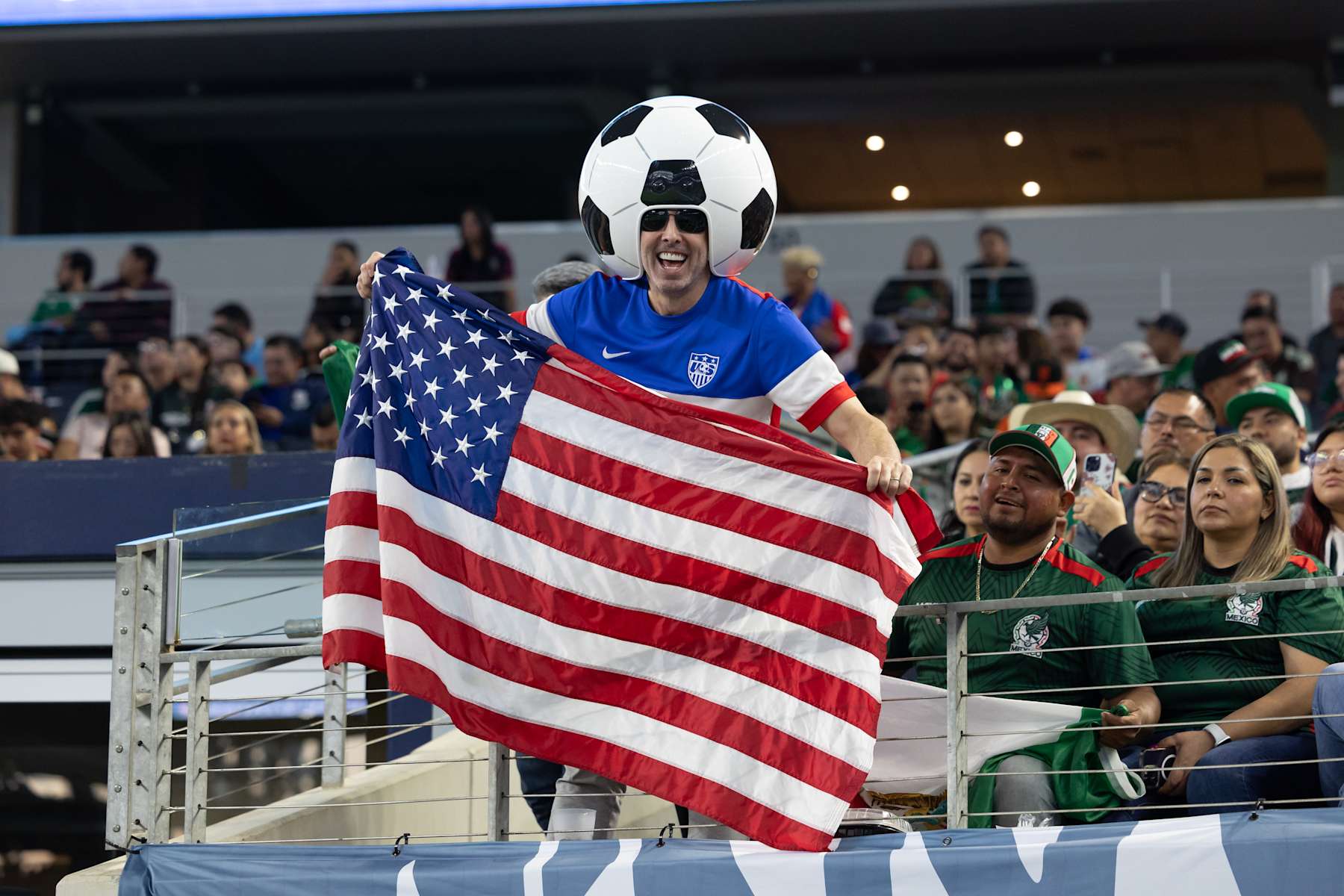
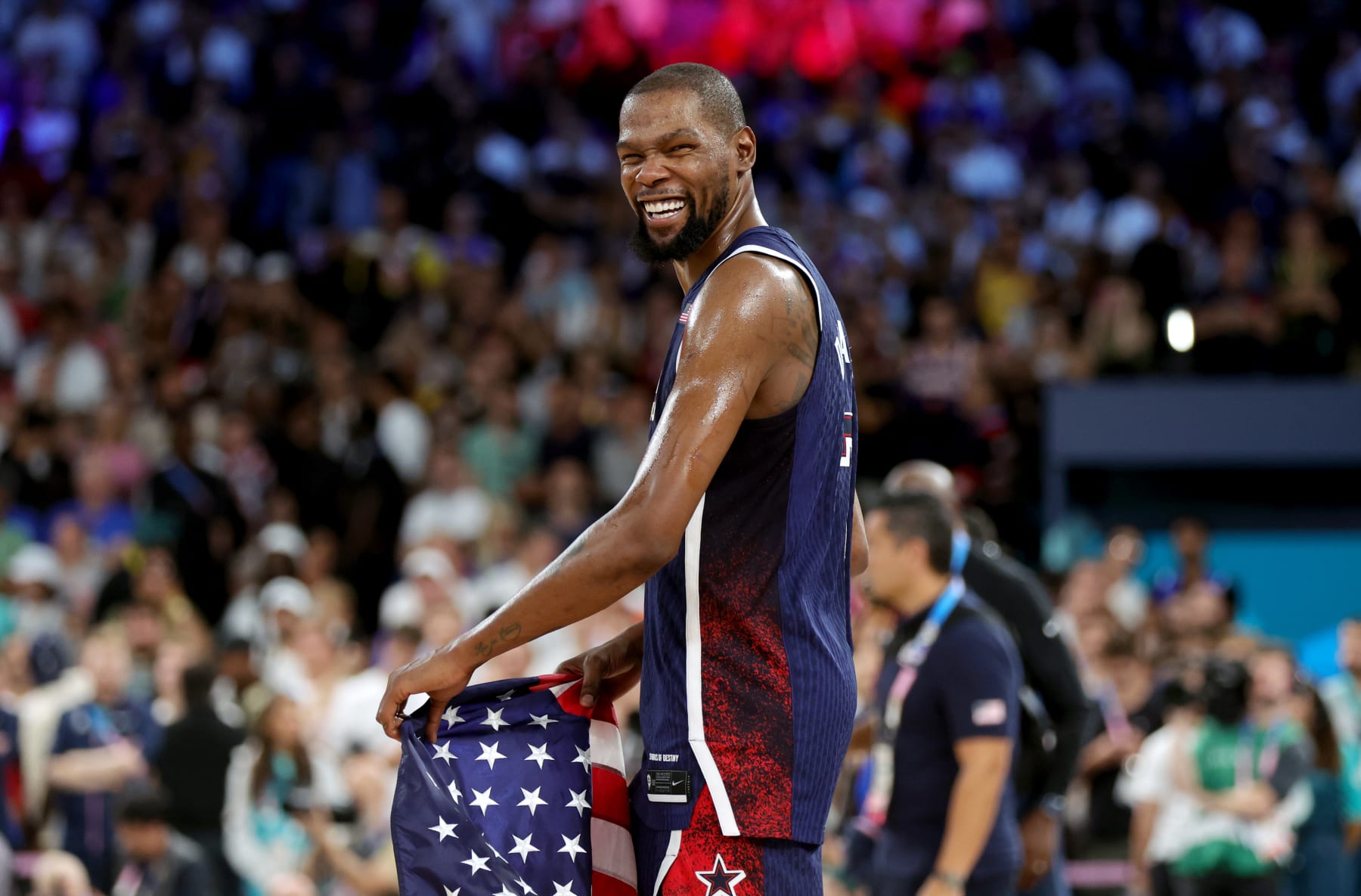
USA’s role as a key broadcast partner for WWE Raw, and its increasing participation in Olympic coverage, Premier League soccer, and other sports, fundamentally alters its brand perception. It positions USA not just as a channel for dramas but as a destination for must-see, shared experiences. This strategy diversifies its revenue streams, introduces the brand to new demographics who might not typically tune into its scripted content, and provides a powerful counter-narrative to the idea that linear television is dying. By offering compelling live content, USA strengthens its position as a relevant and dynamic player in the modern media ecosystem.
Scheduling Dynamics: Maximizing Viewer Engagement
The precise timing of “what’s playing” is a strategic art form known as scheduling. This involves more than just plugging shows into time slots; it’s about understanding viewer habits, creating logical flow, and maximizing audience retention. Programmers consider factors like lead-in shows, competitive programming, and peak viewing times. For instance, a highly anticipated original drama might be paired with a strong lead-in to capture residual viewership, or placed after a major sporting event to capitalize on a large existing audience.
Furthermore, marathons of popular series, themed programming blocks, and holiday specials are all tactical scheduling decisions designed to keep viewers engaged and coming back. In the context of a 24/7 broadcast schedule, “what’s playing right now” is the result of a complex algorithm of audience analytics, competitive intelligence, and brand positioning, all aimed at optimizing viewership and, by extension, advertising revenue and brand loyalty. The goal is to make the channel a habit, ensuring that viewers intuitively know what kind of content to expect at certain times, reinforcing the brand’s predictability and comfort.
Measuring Brand Success Through “What’s Playing”
The impact of “what’s playing on USA right now” is not just about immediate viewership numbers; it’s about the long-term health and success of the USA Network brand. The content strategy is a critical metric for evaluating brand performance.
Audience Engagement Metrics: Beyond Ratings
While traditional Nielsen ratings remain important, brand success today is measured by a more comprehensive set of audience engagement metrics. These include not only live viewership but also delayed viewing (DVR), video-on-demand (VOD) consumption, streaming numbers on associated platforms (like Peacock), and social media mentions. A show might have moderate live ratings but generate significant buzz online, leading to increased VOD engagement and building brand equity over time.
For USA Network, tracking these diverse metrics helps to understand the full impact of its programming choices. It informs decisions on renewals, acquisitions, and scheduling. It also provides insights into which types of content resonate most deeply with its target demographics, guiding future investment. The goal isn’t just to get eyes on the screen, but to foster active engagement and build a community around the brand’s offerings.
Brand Perception and Loyalty
The ongoing programming slate directly shapes brand perception and fosters viewer loyalty. A consistent delivery of high-quality, on-brand content reinforces what viewers expect from USA Network. When “what’s playing” aligns with the brand promise, it builds trust and encourages repeat viewership. Conversely, a departure from brand identity or a decline in content quality can erode trust and lead to viewer attrition.
Loyalty is particularly crucial in a fragmented media environment. USA Network aims to be a preferred destination for certain types of entertainment, meaning viewers actively choose its channel over myriad other options. This loyalty is built show by show, moment by moment, through the consistent delivery of content that entertains, informs, or inspires. The brand’s ability to retain its core audience while attracting new viewers through diversified content is a key indicator of its long-term viability and strength.
Adapting to the Streaming Era: Content Distribution Strategies
The question of “what’s playing on USA right now” has evolved significantly with the rise of streaming services. The brand’s content strategy now includes a robust distribution plan that extends beyond linear television. Key original series often find a second life, or even an initial premiere, on NBCUniversal’s streaming platform, Peacock. This dual-platform approach ensures maximum reach and monetization for its valuable content.
This adaptation isn’t just about making content available elsewhere; it’s a strategic move to future-proof the brand. By leveraging streaming, USA Network maintains relevance among younger demographics who are cord-cutters or cord-nevers. It ensures that its brand identity and content continue to be accessible across various consumption models, reinforcing its position as a multi-platform entertainment provider rather than solely a traditional cable channel. The current slate of programming, therefore, is designed not just for immediate broadcast, but for an extended lifecycle across various digital touchpoints.
Future Forward: Sustaining Brand Relevance in a Fragmented Media Landscape
To remain a vital and relevant brand, USA Network’s content strategy must continually evolve. The answer to “what’s playing on USA right now” in the future will be shaped by ongoing innovation and a keen awareness of emerging trends.
The Role of Digital Platforms and Social Media
The future of “what’s playing” will be increasingly intertwined with digital platforms and social media. These platforms are not just promotional tools; they are extensions of the brand itself. Engaging with viewers on Twitter, Instagram, Facebook, and TikTok during live broadcasts of shows or sports events creates a richer, more interactive experience. It fosters community, generates buzz, and allows the brand to gather real-time feedback.
For USA Network, this means integrating social media strategies directly into its content planning. Creating shareable moments, encouraging fan discussions, and even featuring user-generated content can amplify the reach and impact of its programming, turning passive viewers into active brand advocates. The conversation around “what’s playing” becomes as important as the content itself.
Innovation in Storytelling and Format
To avoid stagnation, USA Network must continue to innovate in its storytelling and embrace new formats. This could mean experimenting with limited series, docuseries, or even interactive content that blurs the lines between traditional television and digital media. The brand needs to be agile, willing to take calculated risks on fresh voices and unconventional narratives that can break through the clutter.
The goal is to ensure that “what’s playing” always feels current, exciting, and reflective of contemporary cultural sensibilities, without abandoning the core thematic pillars that define the brand. This balance between tradition and innovation is crucial for sustaining long-term brand relevance and appealing to new generations of viewers.

Building a Sustainable Content Pipeline
Ultimately, the long-term success of the USA Network brand hinges on its ability to build and maintain a sustainable content pipeline. This involves strategic investments in development, nurturing relationships with talented creators, and a clear vision for its future programming slate. A strong pipeline ensures a steady stream of fresh, high-quality content that keeps the brand dynamic and engaging.
“What’s playing on USA right now” is just a snapshot. The strategic imperative for the brand is to ensure that the answer to that question will always be compelling, aligned with its identity, and capable of capturing the attention and loyalty of viewers for years to come. By consistently delivering on its brand promise through diverse and engaging content, USA Network can navigate the complexities of the modern media landscape and secure its place as a cherished entertainment destination.
aViewFromTheCave is a participant in the Amazon Services LLC Associates Program, an affiliate advertising program designed to provide a means for sites to earn advertising fees by advertising and linking to Amazon.com. Amazon, the Amazon logo, AmazonSupply, and the AmazonSupply logo are trademarks of Amazon.com, Inc. or its affiliates. As an Amazon Associate we earn affiliate commissions from qualifying purchases.