
More than just an automotive manufacturer, Tesla has etched its name into the global consciousness as a symbol of innovation, disruption, and a radical vision for the future. To ask “what does Tesla stand for?” is to delve deep into the intricate tapestry of its corporate identity, its strategic brand pillars, and the profound cultural impact it has cultivated since its inception. It’s a brand that has transcended mere product offerings to represent a movement, challenging established norms and forging a path that many now follow.
At its core, Tesla stands for an audacious commitment to accelerating the world’s transition to sustainable energy. This mission isn’t just a marketing slogan; it’s the fundamental operating principle that dictates every product, every strategic decision, and every communication output. It’s a corporate identity meticulously crafted not just around electric vehicles, but around an ecosystem of sustainable energy solutions, all underpinned by a brand narrative of pushing the boundaries of what’s possible.
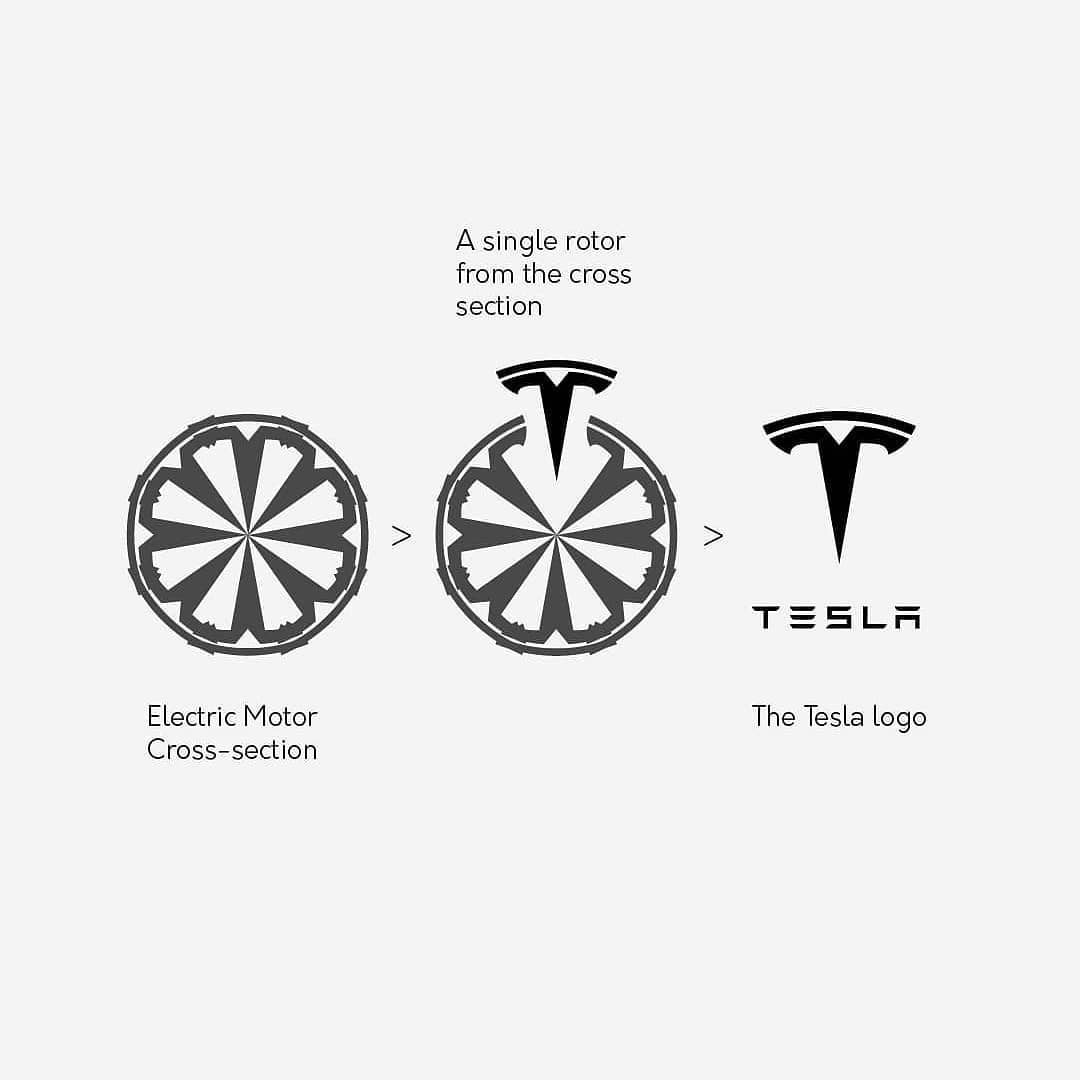
A Visionary Mission Beyond Electric Vehicles
Tesla’s brand strategy is unique in its unwavering focus on a grand, almost existential mission. Unlike traditional corporations that might prioritize quarterly profits above all else, Tesla consistently communicates a higher purpose, which resonates deeply with a specific, forward-thinking demographic. This mission serves as the North Star for its corporate identity and brand messaging.
Accelerating the World’s Transition to Sustainable Energy
The brand’s foundational promise is encapsulated in its mission statement: “to accelerate the world’s transition to sustainable energy.” This isn’t just about selling electric cars; it’s about fundamentally changing how humanity generates, stores, and consumes energy. This expansive vision allows Tesla to position itself beyond the automotive industry, encompassing energy storage solutions (Powerwall, Megapack) and solar energy products. The brand communicates a sense of urgency and global responsibility, which fosters a passionate community of customers and advocates who see themselves as part of a larger, impactful movement. This mission-driven approach builds a strong emotional connection, making the brand about shared values rather than just transactional purchases. It’s a masterclass in purpose-driven branding, where the product is merely a vehicle (pun intended) for a greater good.
Innovation as a Core Tenet
Tesla’s brand is synonymous with relentless innovation. From battery technology and electric drivetrain efficiency to autonomous driving capabilities and revolutionary manufacturing processes, the company consistently positions itself at the bleeding edge. This commitment to pushing technological boundaries is woven into the fabric of its corporate identity. The brand fosters an image of a company that doesn’t just react to market demands but proactively invents the future. This is evident in its over-the-air software updates that continuously improve vehicle functionality, its daring Gigafactory construction, and ambitious projects like Optimus, the humanoid robot. This narrative of ceaseless innovation attracts early adopters, tech enthusiasts, and individuals who align with a brand that defies complacency and redefines what’s achievable. It makes the brand feel perpetually fresh and exciting, always with something new on the horizon.
Challenging the Status Quo and Industry Giants
From its inception, Tesla’s brand identity has been deeply rooted in its role as a disruptor. It entered a centuries-old automotive industry dominated by colossal, entrenched players and dared to redefine its rules. This defiance of convention is a powerful brand attribute. Tesla doesn’t just offer an alternative; it challenges the very foundations of traditional car ownership, manufacturing, and even sales models (direct-to-consumer). This rebellious spirit resonates with consumers who feel disenfranchised by traditional corporations and are drawn to brands that advocate for change and challenge established norms. The brand thrives on being an underdog (initially) and now a formidable challenger, constantly forcing competitors to adapt and innovate, thereby solidifying its position as a transformative force. This disruptive narrative is a powerful tool for differentiation and building a distinct brand personality.
The Cult of Personality: Elon Musk and Brand Identity
Few companies have their corporate identity so deeply intertwined with the persona of their CEO as Tesla does with Elon Musk. His visionary leadership, unconventional communication style, and audacious aspirations are inextricably linked to the Tesla brand, creating a unique and often polarizing brand dynamic.
The Entrepreneur as the Brand Embodiment
Elon Musk is not just Tesla’s CEO; he is, for many, the physical embodiment of the brand itself. His personal brand – characterized by ambition, engineering prowess, a future-forward outlook, and a penchant for pushing boundaries – directly translates into the perception of Tesla. He communicates directly with the public, often via social media, shaping narratives and setting expectations. This direct, unfiltered approach fosters a sense of authenticity and transparency (even if sometimes controversial) that many consumers crave. His personal story, his successes, and even his failures become part of the Tesla narrative, creating a strong, singular identity that is hard to replicate. This personal connection makes the brand feel more human, more driven by a singular vision, rather than a faceless corporation.
Building Community Through Vision and Hype
Musk’s unique communication style and ability to articulate a grand vision have been instrumental in fostering an incredibly loyal and engaged community around the Tesla brand. He generates immense hype around upcoming products and technological advancements, often years before they materialize, building anticipation and a sense of shared excitement. This approach bypasses traditional advertising channels, relying instead on word-of-mouth, social media virality, and the inherent allure of participating in a futuristic endeavor. The Tesla community often feels like an exclusive club, united by a belief in Musk’s vision and the brand’s potential. This strong community aspect is a powerful brand asset, creating evangelists who actively promote the brand and defend its mission.
The Double-Edged Sword of Personal Branding
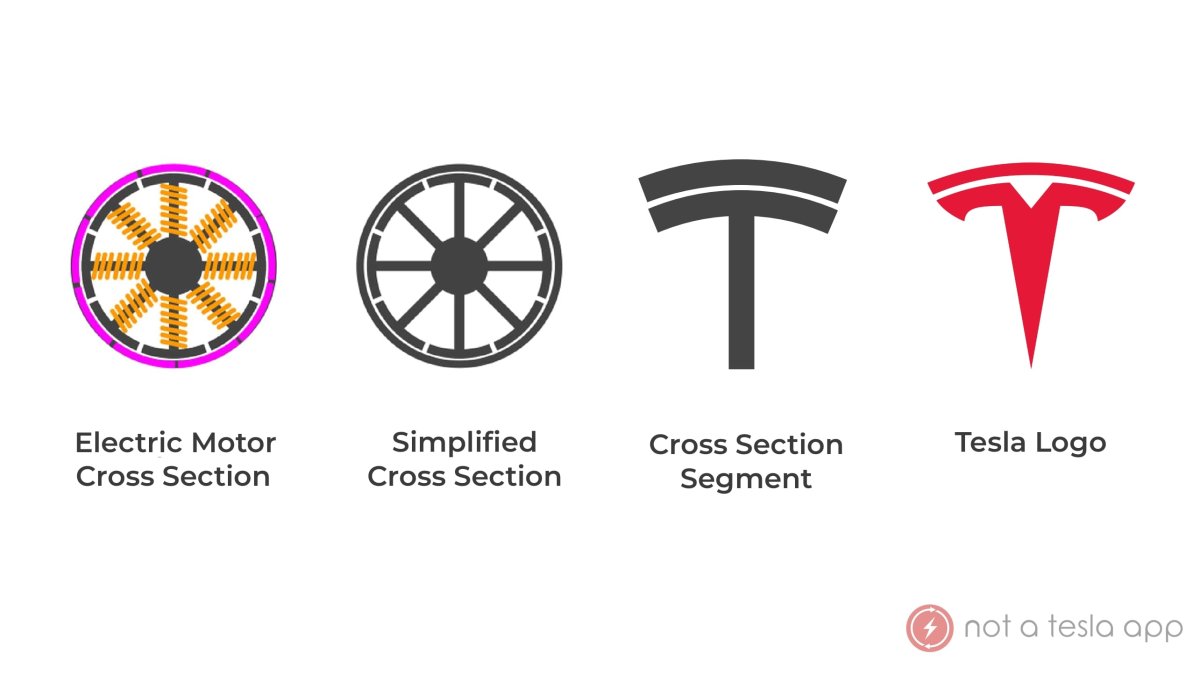
While Musk’s leadership has been a significant driver of Tesla’s brand strength, it also represents a unique vulnerability. The brand’s dependence on his personal image means that his public statements, controversies, and personal reputation can directly impact Tesla’s stock performance and brand perception. This symbiotic relationship creates both immense brand leverage and inherent risks. A negative perception of Musk can easily bleed into the perception of Tesla, making the brand susceptible to public sentiment surrounding one individual. Managing this delicate balance is a continuous challenge for the brand, requiring strategic communication that both leverages Musk’s vision and reinforces Tesla’s institutional strength independent of its leader. It’s a masterclass in how personal branding, when tied to a corporate entity, can be both an extraordinary asset and a potential liability.
Design, Experience, and the Premium Perception
Beyond its mission and leadership, Tesla’s brand identity is powerfully expressed through its distinctive design language and the holistic user experience it provides. These elements work in concert to position Tesla as a premium, aspirational lifestyle brand.
Minimalism and Future-Forward Aesthetics
Tesla vehicles are instantly recognizable by their sleek, minimalist design. Exteriors are smooth and aerodynamic, often devoid of traditional grilles and unnecessary embellishments, conveying a sense of efficiency and modernity. Interiors are equally spartan yet sophisticated, dominated by large central touchscreens that serve as the primary interface for almost all vehicle functions. This aesthetic choice communicates a brand that is focused on essentialism, technology, and a clean, uncluttered future. It’s a departure from the often busy and button-laden dashboards of traditional cars, signaling a brand that dares to be different and believes in intuitive, software-driven experiences. This design language reinforces the brand’s innovative image and appeals to consumers who value cutting-edge design and a refined user interface.
The End-to-End User Experience
Tesla’s brand extends far beyond the vehicle itself, encompassing an entire ecosystem that delivers a unique end-to-end user experience. This includes its proprietary Supercharger network, which addresses range anxiety and provides a seamless charging experience; its direct-to-consumer sales model, which bypasses traditional dealerships and offers a consistent brand experience; and its over-the-air software updates, which continuously improve vehicle performance and add new features. These elements are not just operational choices; they are integral parts of the brand strategy. They create a cohesive, user-centric experience that reinforces Tesla’s image as a technology company first and an automotive company second. This holistic approach differentiates Tesla from competitors and fosters unparalleled customer loyalty, as users become accustomed to a consistent, high-tech experience at every touchpoint.
Crafting a Lifestyle Brand
Tesla has successfully transcended being merely a car company to become a lifestyle brand. Owning a Tesla signifies more than just driving an electric vehicle; it often implies an alignment with a certain set of values: environmental consciousness, technological savviness, an embrace of innovation, and a desire to be at the forefront of change. The brand has cultivated an aspirational quality, positioning its products as status symbols for a modern, progressive demographic. It evokes a sense of being part of an exclusive club, a community that is shaping the future. This lifestyle branding is crucial for creating emotional resonance and building a brand that customers don’t just use, but actively identify with and aspire to. It’s a testament to powerful brand storytelling and consistent message delivery.
Global Impact and Future Brand Trajectory
Tesla’s brand influence extends far beyond its direct customers, profoundly impacting industries worldwide and setting new benchmarks for corporate responsibility and technological ambition. Its brand trajectory continues to evolve, pushing into new sectors and cementing its legacy as a truly transformative entity.
Shaping the Automotive Landscape
Tesla’s brand has fundamentally reshaped the automotive industry. Its undeniable success and technological advancements have forced traditional automakers to accelerate their own electric vehicle programs and embrace technologies like over-the-air updates and advanced driver-assistance systems. The brand acted as a powerful catalyst, proving the viability and desirability of electric vehicles on a global scale. Its disruptive presence created a competitive environment where innovation is now a prerequisite for survival. This impact solidifies Tesla’s brand as not just a leader, but a trendsetter and a benchmark against which all others are measured. Its brand stands for pioneering change on an industry-wide level.
Beyond Vehicles: Energy and AI Aspirations
Tesla’s brand identity, while strongly associated with cars, is strategically designed to encompass a broader vision. Its energy division (Tesla Energy) with products like Powerwall, Powerpack, and solar roofs, positions the brand as a comprehensive sustainable energy provider. More recently, its foray into AI and robotics, particularly with the Optimus project, signals an expansion into general-purpose AI, furthering its long-term mission of creating a sustainable and technologically advanced future. These ventures strengthen the brand’s narrative as a holistic technology company rather than a mere car manufacturer. They reinforce the idea that Tesla stands for a multi-faceted approach to solving humanity’s grand challenges, expanding its brand relevance and potential impact far beyond its current product lines. This continuous expansion of its brand portfolio under a unified mission is a key component of its long-term brand strategy.
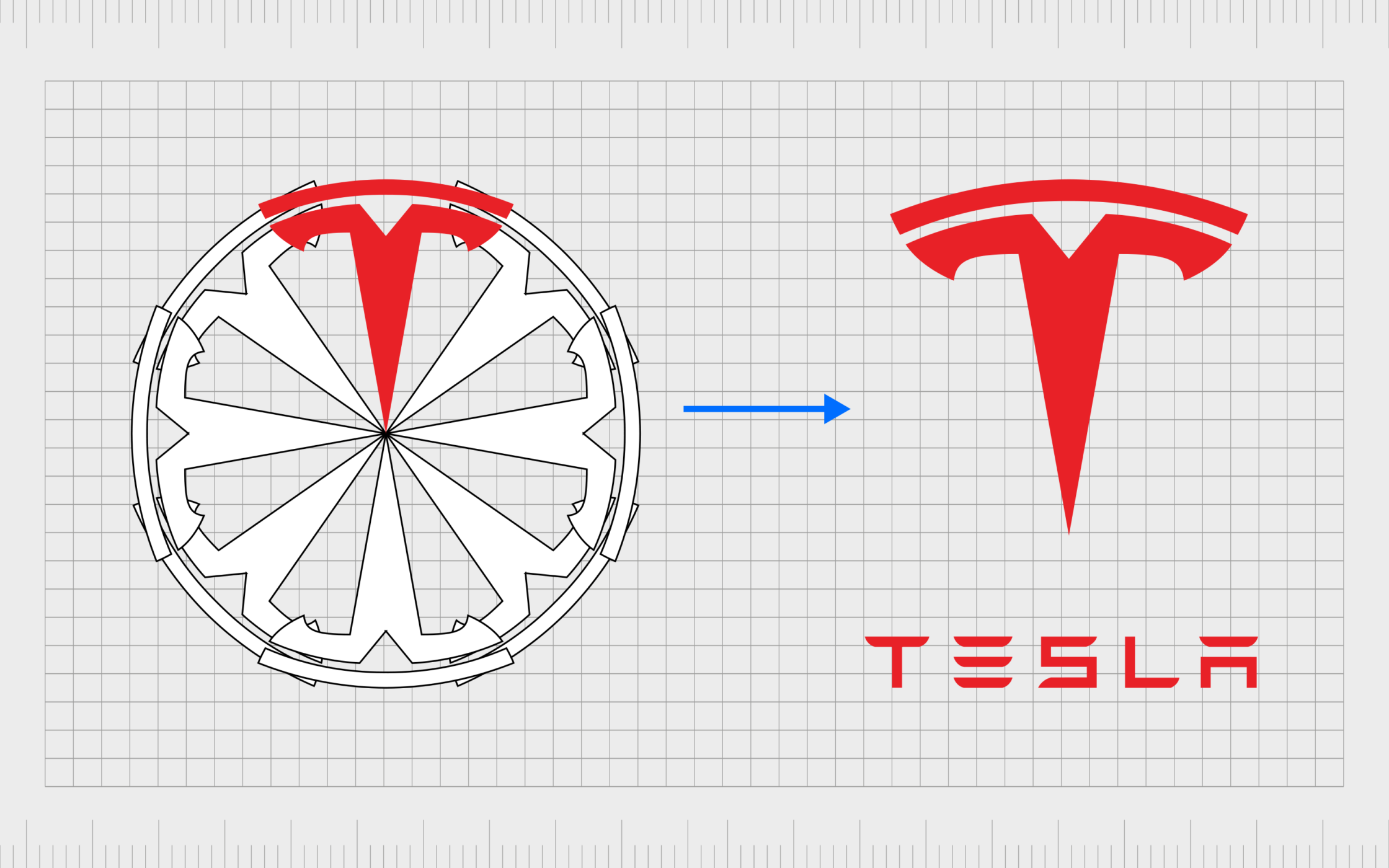
Sustaining Brand Relevance in a Competitive Future
As the electric vehicle market matures and competition intensifies from both legacy automakers and new EV startups, Tesla faces the challenge of sustaining its brand relevance and maintaining its leading edge. The brand will need to continue its relentless innovation, enhance its customer service, and refine its messaging to stay ahead. The focus will shift from proving the viability of EVs to consistently delivering superior products and experiences in an increasingly crowded market. Maintaining a strong brand identity will require balancing its disruptive roots with the demands of a larger, more established market presence. Tesla’s future brand trajectory will depend on its ability to evolve, adapt, and consistently deliver on its promise of accelerating sustainable change, all while retaining the unique, visionary spirit that defines its corporate identity.
In conclusion, “what does Tesla stand for?” is a question with a multi-layered answer deeply rooted in its brand strategy. It stands for an ambitious, world-changing mission to transition to sustainable energy, powered by relentless innovation and a disruptive spirit. It embodies the visionary leadership of Elon Musk, whose personal brand is intricately woven into the company’s identity. Furthermore, it represents a commitment to minimalist design, an unparalleled end-to-end user experience, and the aspiration of a future-forward lifestyle. Tesla is not just a company; it is a powerful brand symbol of technological progress, environmental stewardship, and the audacious pursuit of a better tomorrow.
aViewFromTheCave is a participant in the Amazon Services LLC Associates Program, an affiliate advertising program designed to provide a means for sites to earn advertising fees by advertising and linking to Amazon.com. Amazon, the Amazon logo, AmazonSupply, and the AmazonSupply logo are trademarks of Amazon.com, Inc. or its affiliates. As an Amazon Associate we earn affiliate commissions from qualifying purchases.