
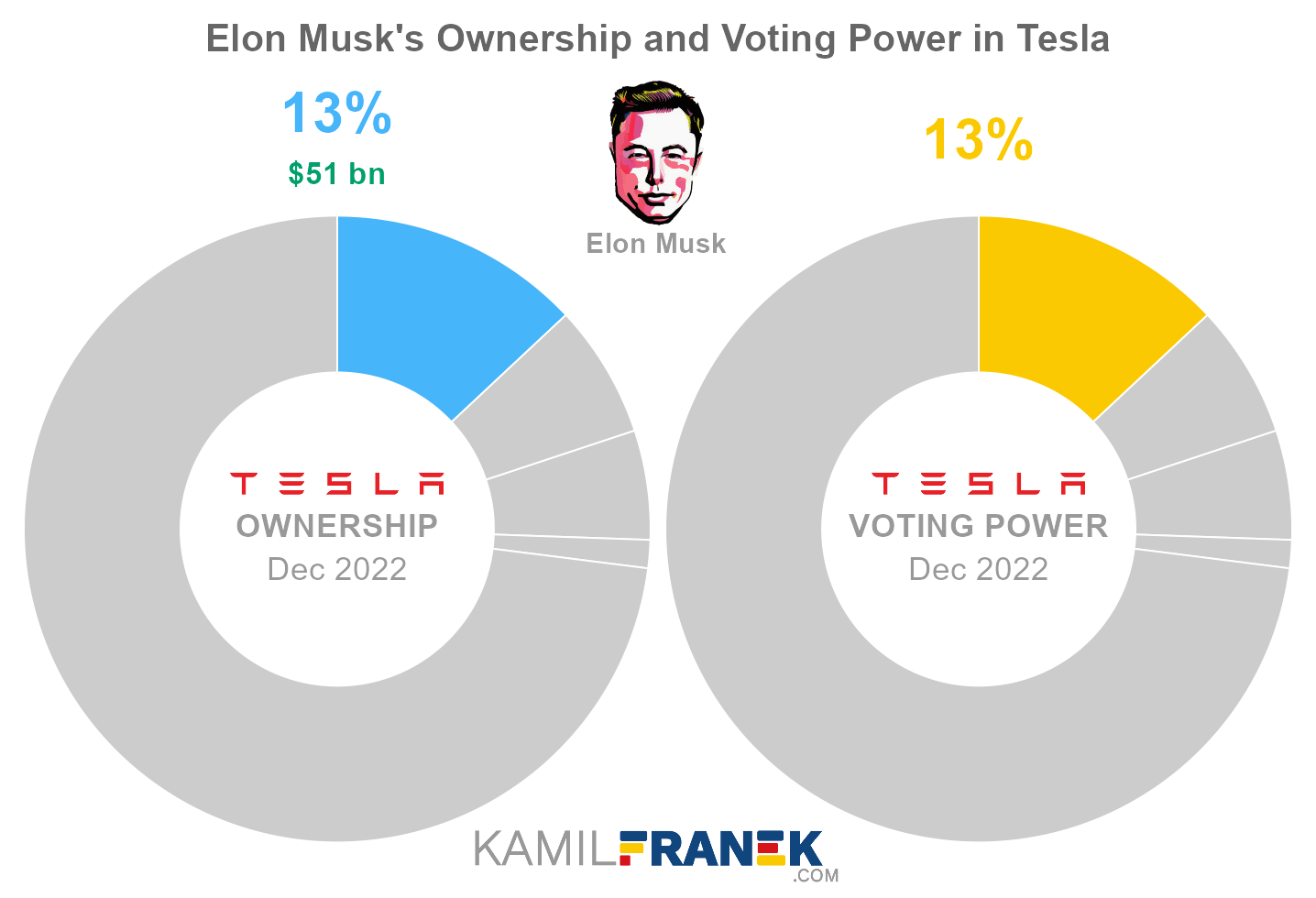
The question of how many Tesla shares Elon Musk owns is not merely a trivial factoid; it’s a critical piece of information for investors, market analysts, and anyone interested in the future trajectory of one of the world’s most valuable companies. As the co-founder, CEO, and public face of Tesla, Musk’s personal stake in the company is inextricably linked to its strategic direction, financial health, and investor confidence. His ownership percentage influences everything from corporate governance to market sentiment, and understanding its nuances requires delving into the complexities of executive compensation, stock sales, and the dynamic nature of public filings. Pinpointing an exact, static number is virtually impossible due to continuous adjustments from stock options, compensation packages, sales for tax purposes, and other financial activities. However, by examining the mechanisms of his ownership, we can gain a profound insight into his financial alignment with Tesla’s shareholders and the broader implications for the company’s future.
The Evolving Landscape of Executive Ownership
Elon Musk’s ownership of Tesla shares has been a dynamic figure, shaped by initial investments, performance-based compensation, and strategic sales. It’s a reflection of his journey from a major investor to the company’s pivotal leader, with his personal wealth deeply intertwined with Tesla’s market capitalization.
Initial Stakes and Founding Influence
Musk’s involvement with Tesla dates back to its early days. While not a co-founder in the traditional sense of the company’s very first inception, he became the largest shareholder and Chairman in 2004, playing a crucial role in its Series A funding round. He later assumed the roles of CEO and Product Architect, steering the company through its formative years and public offering. His initial substantial investment provided the foundational block of his ownership, demonstrating early conviction in the electric vehicle and renewable energy vision. This early and significant financial commitment established a strong alignment between his personal success and Tesla’s long-term viability, a factor that continues to resonate with investors today. His transformation of the company from a niche startup to a global automotive and energy giant has massively amplified the value of this initial stake.
Compensation Packages and Stock Options
A significant portion of Elon Musk’s Tesla ownership has stemmed from highly unconventional and performance-based compensation packages. Unlike many CEOs who receive regular cash salaries and annual bonuses, Musk has historically drawn a minimal salary, with the vast majority of his compensation tied to achieving ambitious operational and market capitalization milestones. The most notable example is the 2018 performance award, a massive, all-or-nothing stock option grant designed to incentivize extraordinary growth. This package was structured into 12 tranches, each vesting upon Tesla hitting specific market capitalization targets (e.g., $100 billion, $150 billion, up to $650 billion) and operational goals (e.g., revenue, adjusted EBITDA). As Tesla achieved these targets, Musk became eligible to exercise millions of stock options, allowing him to purchase Tesla shares at a deeply discounted strike price. This mechanism has been a primary driver of his increasing share count, rewarding him for achieving unprecedented shareholder value creation.
Sales, Taxes, and Philanthropy
While stock options have significantly increased his share count, Musk has also made headlines for substantial share sales. These sales are primarily driven by two main factors:
- Tax Obligations: When executive stock options vest and are exercised, the difference between the strike price and the market price is considered taxable income. For awards of Musk’s magnitude, these tax liabilities can run into billions of dollars. To cover these immense tax bills, executives often sell a portion of the newly acquired shares. Musk has publicly stated that his large sales in late 2021 and 2022 were largely to cover tax obligations related to exercising expiring stock options.
- Diversification and Personal Endeavors: While Musk is deeply committed to Tesla, even the wealthiest individuals seek some level of financial diversification, especially when the vast majority of their net worth is concentrated in a single, volatile asset. Sales can also fund other ventures, such as his acquisition of Twitter (now X), which required significant personal capital and necessitated further Tesla stock sales to finance the deal. While less frequently discussed, philanthropic endeavors can also lead to share disposals. These sales, while reducing his direct share count, do not necessarily signal a lack of confidence in Tesla but rather reflect the practicalities of managing an immense personal fortune and funding ambitious new projects.
Unpacking the Numbers: A Dynamic Calculation
Determining an exact, current number of Tesla shares Elon Musk owns is challenging because it’s a constantly moving target. The figure changes due to option exercises, sales, and even company actions like stock splits.
Direct Holdings vs. Indirect Influence
When discussing Musk’s ownership, it’s important to differentiate between shares he directly holds in his name and those he might control indirectly. Direct holdings are straightforward, appearing in his personal brokerage accounts. However, a portion of his shares might be held through trusts or other entities designed for wealth management or estate planning. While these might not be “personally” held in the strictest sense, they are still under his ultimate control and contribute to his overall voting power and influence within the company. Furthermore, some options may be exercisable but not yet converted into actual shares, representing potential future ownership. Investors often look at his total voting power as a more comprehensive measure of his influence, as this includes both direct holdings and any options he can convert into shares to vote.
The Impact of Stock Splits
Tesla has undergone several stock splits throughout its history, most notably a 5-for-1 split in August 2020 and a 3-for-1 split in August 2022. Stock splits dramatically increase the number of shares outstanding but do not change the total value of a shareholder’s investment or their percentage of ownership. For example, if Musk owned 10 million shares before a 5-for-1 split, he would own 50 million shares afterward, but his percentage of Tesla would remain the same. This makes historical comparisons of share counts tricky and underscores why focusing on percentage ownership or total value is often more illuminating than a raw number of shares when tracking a founder’s stake over time. Any reported share count must be understood within the context of the company’s historical stock splits.
Public Filings and Transparency
The most reliable source for tracking Elon Musk’s Tesla ownership are the public filings with the U.S. Securities and Exchange Commission (SEC). As an insider and a large shareholder, Musk is required to disclose his transactions and holdings.
- Form 4: This form is used to report changes in beneficial ownership of securities by company insiders (officers, directors, and 10%+ owners). When Musk exercises options or sells shares, these transactions are typically reported on Form 4 within two business days.
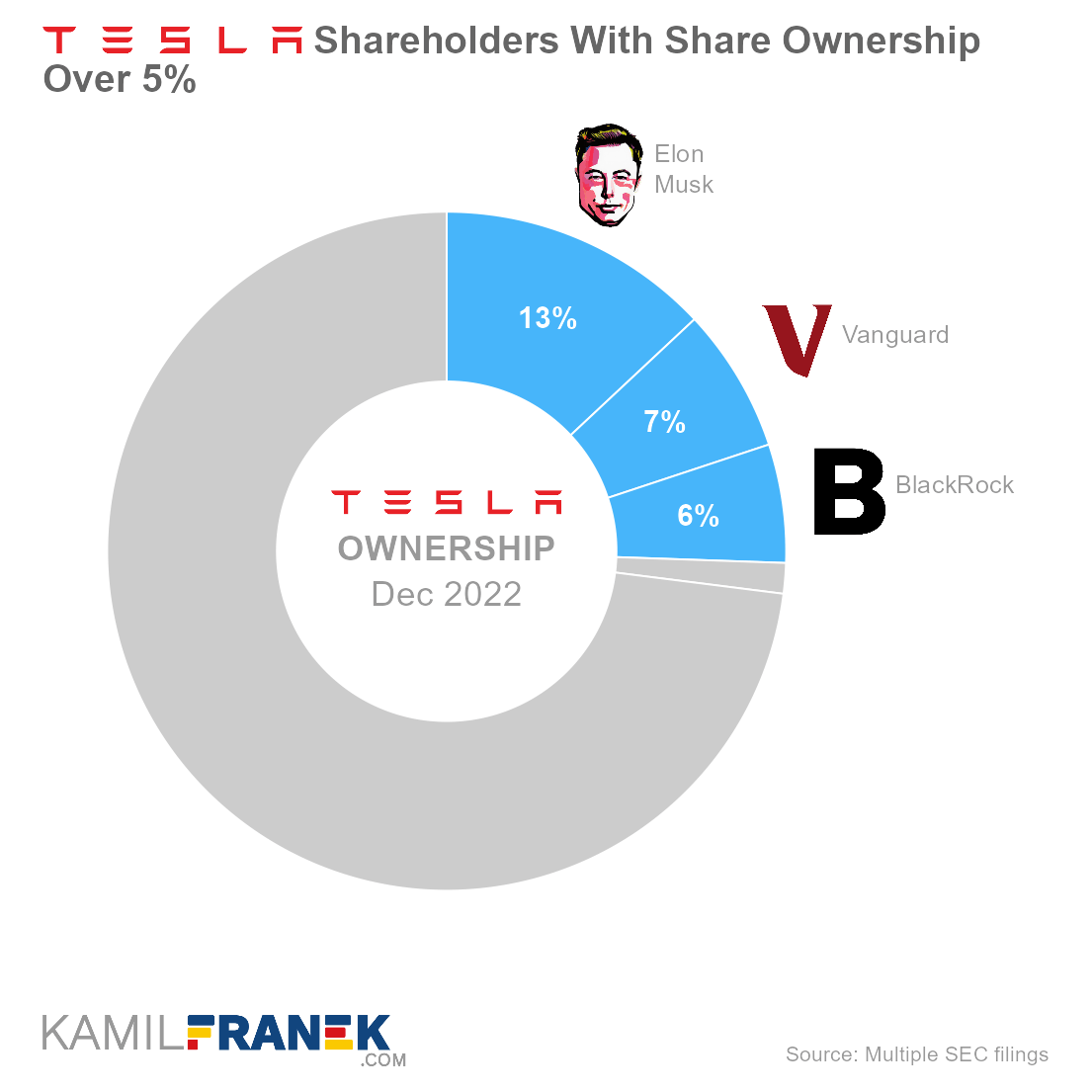
- Schedule 13D and 13G: These forms are filed by beneficial owners of more than 5% of a company’s stock. Schedule 13D (for active investors) and 13G (for passive investors) provide a snapshot of large shareholders’ overall holdings and any significant changes.
These filings offer a transparent, albeit lagging, view into his ownership. The dynamic nature of his holdings means that the exact figure reported in any single filing is a snapshot, constantly evolving with market activity and his personal financial decisions. Therefore, while these filings provide the most accurate data points, they rarely offer a real-time, definitive number for the current moment.

Why Musk’s Ownership Matters to Investors
Elon Musk’s substantial ownership stake in Tesla is more than just a testament to his wealth; it has profound implications for all shareholders and the company’s future direction.
Alignment of Interests
A large personal stake in a company’s stock is often viewed positively by investors because it creates a strong alignment of interests between the CEO and the shareholders. When the CEO’s personal fortune is heavily tied to the company’s stock performance, they are highly incentivized to make decisions that drive long-term shareholder value. Musk’s commitment to Tesla’s success, evidenced by his massive holdings, reassures investors that his strategic choices are likely geared towards increasing the company’s valuation, directly benefiting all who own its stock. This “skin in the game” mentality fosters trust and reduces concerns about a CEO pursuing personal agendas that might not align with shareholder wealth maximization.
Market Confidence and Investor Sentiment
Elon Musk is arguably one of the most influential figures in modern business, and his actions and statements can significantly sway market sentiment. His substantial ownership stake acts as a strong vote of confidence in Tesla’s future. When he holds a significant percentage of the company, it signals to the market that the person most intimately involved with the company’s operations and vision believes in its continued success. This can bolster investor confidence, stabilize the stock during volatile periods, and attract new investors who see his commitment as a strong indicator of future growth. Conversely, any significant reduction in his stake, especially if perceived as a lack of confidence rather than for tax or diversification purposes, could negatively impact sentiment.
Voting Power and Corporate Governance
Musk’s ownership translates directly into significant voting power. While his percentage ownership fluctuates, he typically holds enough voting rights to exert substantial influence over key corporate decisions, including board appointments, major strategic shifts, mergers, and acquisitions. This level of control means that while he is accountable to the board and shareholders, his vision for Tesla is heavily weighted in corporate governance. For some investors, this is a positive, as it allows a visionary leader to execute long-term strategies without being bogged down by short-term pressures. For others, it raises concerns about excessive concentration of power and potential challenges to independent oversight. Understanding his voting block is crucial for any investor assessing the company’s governance structure.
Liquidity and Market Impact
The sheer size of Elon Musk’s holdings means that any decision he makes to buy or sell shares can have a measurable impact on Tesla’s stock price and market liquidity. Large block sales, even if announced in advance and for legitimate reasons (like tax obligations), can temporarily depress the stock price due to the increased supply of shares on the market. Conversely, if he were to purchase a significant amount of shares, it could signal strong confidence and potentially drive the price up. Traders and institutional investors closely monitor his activity, as his transactions can create short-term volatility or indicate future trends. His actions, simply by their scale, move markets.
The Future of Musk’s Tesla Stake
Elon Musk’s Tesla ownership will likely remain a dynamic aspect of his financial profile, influenced by various personal and corporate factors.
Debt Obligations and Potential Sales
Musk’s acquisition of Twitter (now X) involved taking on significant personal debt, much of which was secured by his Tesla shares. While he has publicly stated his desire to minimize further sales of Tesla stock, managing these debt obligations might necessitate additional share disposals in the future, particularly if X’s financial performance doesn’t meet expectations or if interest rates on his personal loans remain high. The need to service debt can create ongoing pressure on his holdings, requiring a careful balance between maintaining his stake and fulfilling financial commitments. Investors will continue to watch for any signals that might indicate forthcoming sales.
Long-Term Vision vs. Short-Term Needs
Musk has a demonstrated long-term vision for Tesla, aiming to revolutionize transportation and energy. His significant stake is a testament to this commitment. However, even a billionaire CEO faces short-term financial realities, whether for tax payments, philanthropic ventures, or funding new ambitious projects (like SpaceX or Neuralink) that may require personal capital. Reconciling this long-term vision with immediate financial needs will be an ongoing challenge. While his ultimate goal is to see Tesla succeed, periodic adjustments to his shareholding are a practical necessity in managing his vast and complex financial empire.
Succession Planning and Legacy
As Tesla matures and discussions about long-term leadership and succession planning become more pertinent, Musk’s ownership stake will play a crucial role in shaping the company’s future. His substantial holdings ensure that his influence will extend far beyond his direct tenure as CEO. His legacy and strategic vision are embedded in his ownership, providing a powerful continuity of purpose. Whether he decides to transfer shares to a trust, to family members, or to a philanthropic foundation, these decisions will have a lasting impact on Tesla’s governance and strategic direction for decades to come, shaping the company’s identity long after his active leadership concludes.
In conclusion, Elon Musk’s ownership of Tesla shares is a complex and continually evolving figure, reflecting his pivotal role in the company’s journey and his intricate personal finance strategies. While the precise number fluctuates, his substantial stake—typically ranging between 12% and 15% of the company’s outstanding shares, depending on the exact calculation of exercisable options and excluding potential derivative effects—remains a cornerstone of Tesla’s corporate identity and market perception. It serves as a powerful alignment of interests, a driver of market confidence, and a significant determinant of corporate governance. For investors, tracking Musk’s ownership is more than an academic exercise; it’s a vital part of understanding the present and future financial landscape of one of the world’s most innovative and impactful companies.
aViewFromTheCave is a participant in the Amazon Services LLC Associates Program, an affiliate advertising program designed to provide a means for sites to earn advertising fees by advertising and linking to Amazon.com. Amazon, the Amazon logo, AmazonSupply, and the AmazonSupply logo are trademarks of Amazon.com, Inc. or its affiliates. As an Amazon Associate we earn affiliate commissions from qualifying purchases.