
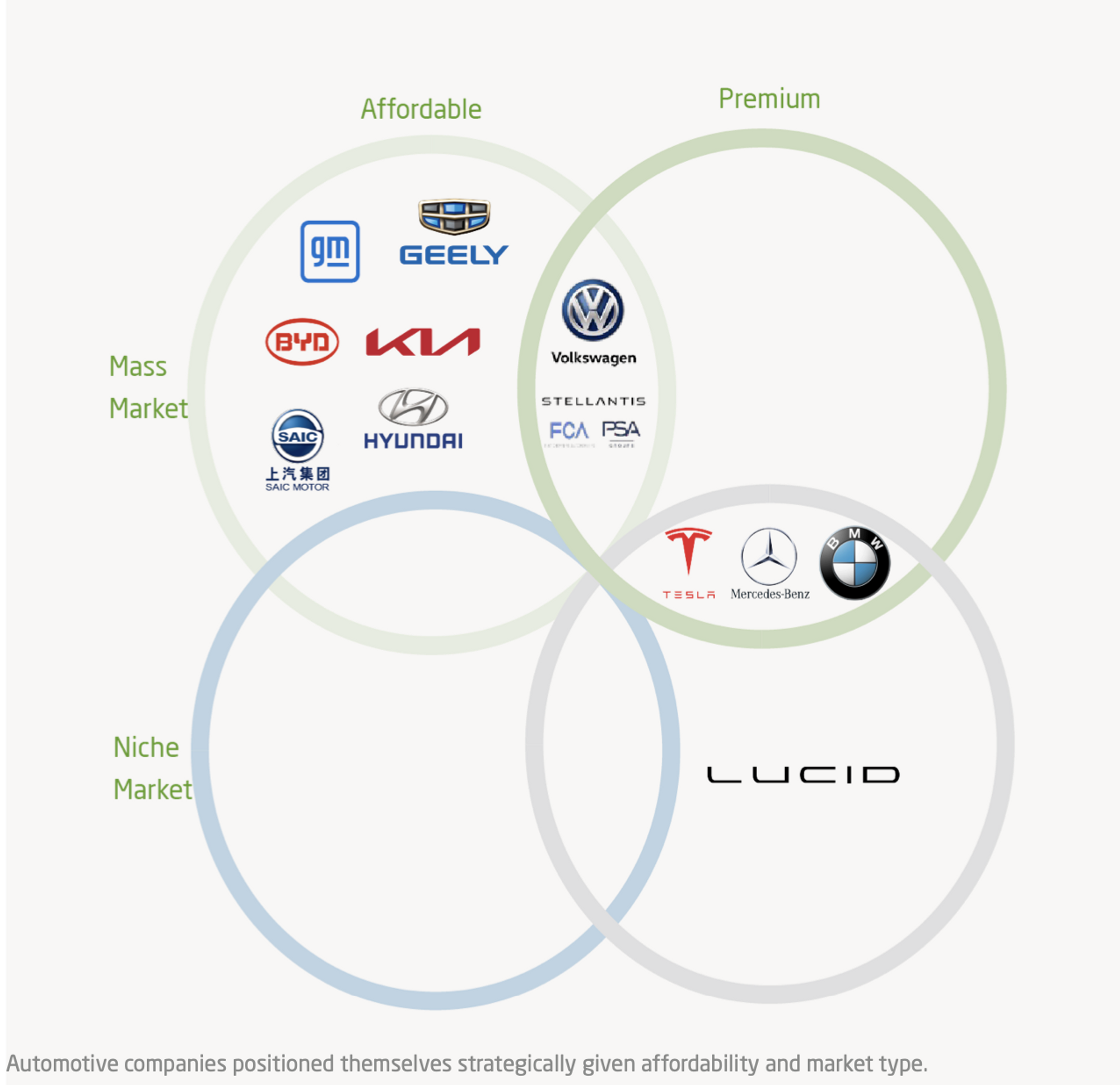
Tesla Inc. stands as a unique and often debated entity in the global economy, consistently defying easy categorization into traditional industry silos. While most prominently recognized for its electric vehicles, a closer examination reveals that Tesla is not merely an automotive company; it is a multifaceted technological conglomerate deeply embedded in, and actively shaping, several high-tech industries simultaneously. From cutting-edge software and artificial intelligence to advanced battery technology and renewable energy solutions, Tesla’s core identity is anchored in relentless innovation and the seamless integration of diverse technologies. This article delves into the technological fabric of Tesla, dissecting the various high-tech industries it operates within, and showcasing why its true nature can only be understood through a multi-industry, tech-centric lens.

Automotive Innovation: Beyond Traditional Car Manufacturing
Tesla’s initial disruption began in the automotive sector, but it quickly distinguished itself by approaching vehicle manufacturing from a fundamentally technological perspective, effectively redefining what it means to be a “car company.”
Electric Vehicle (EV) Leadership and Battery Prowess
At its heart, Tesla is an electric vehicle pioneer. It moved beyond early niche markets to bring high-performance, long-range electric cars to a mass audience. This leadership stems directly from its advanced battery technology and electric powertrain design. Unlike traditional automakers, Tesla developed its battery packs and electric motors in-house, achieving unparalleled energy density, efficiency, and safety. Its Gigafactories are not just assembly plants but massive battery production facilities, showcasing a vertical integration strategy that sees battery chemistry, cell design (like the 4680 cells), and module/pack assembly as core technological competencies. This focus on batteries places Tesla squarely in the advanced materials and energy storage technology industries, underpinning its automotive dominance. The vehicles themselves are complex integrations of hardware and software, designed from the ground up to be electric, rather than retrofitting existing combustion engine platforms.
Autonomous Driving and AI at the Core
Perhaps one of the most compelling arguments for Tesla’s tech industry classification is its aggressive pursuit of autonomous driving. The company’s advanced driver-assistance systems (ADAS) and its ambitious Full Self-Driving (FSD) software are powered by sophisticated artificial intelligence and machine learning algorithms. Tesla leverages an extensive fleet of vehicles to collect vast amounts of real-world driving data, which is then used to train its neural networks. This data-driven approach, combined with custom-designed AI chips (the FSD computer), positions Tesla not just as an automaker but as a leading AI company. The development, deployment, and continuous improvement of FSD involves immense computational power, cutting-edge machine learning research, and a deep understanding of computer vision and robotics – domains typically associated with pure-play tech giants, not car manufacturers. Its autonomous driving efforts are a testament to its identity as a software and AI firm as much as a vehicle producer.
Software-Defined Vehicles (SDV) and Over-the-Air Updates
Tesla vehicles are often described as “computers on wheels.” This isn’t just a metaphor; it’s a statement of fact that solidifies its position in the software industry. Every Tesla car features a central computing platform that controls virtually all vehicle functions, from propulsion and steering to climate control and infotainment. Crucially, these systems are continually improved and updated via over-the-air (OTA) updates, much like a smartphone or a laptop. These updates can introduce new features, enhance performance, improve safety, and even fix issues, all without requiring a visit to a service center. This software-defined vehicle architecture allows Tesla to maintain a dynamic relationship with its customers and rapidly iterate on its product, a hallmark of technology companies. The development of robust operating systems, user interfaces, cybersecurity protocols, and the backend infrastructure for OTA updates are all highly specialized software engineering endeavors.
Energy Solutions: Powering a Sustainable Future
Beyond transportation, Tesla has made significant inroads into the renewable energy sector, demonstrating its commitment to a sustainable future through technological innovation in energy generation and storage.
Battery Technology and Grid-Scale Energy Storage
Tesla’s expertise in battery technology extends far beyond powering its vehicles. The company is a major player in stationary energy storage solutions with products like the Powerwall for residential use, Powerpack for commercial and industrial applications, and the massive Megapack for utility-scale grid stabilization. These battery storage systems are critical components of a modern, resilient, and renewable energy grid. They enable the storage of surplus solar and wind energy, provide backup power, and help balance grid loads. Tesla’s technological advancements in battery chemistry, thermal management, and inverter technology are driving down costs and improving the performance of these essential energy infrastructure components, making it a prominent force in the energy storage industry.
Solar Energy Generation and Integration
Further broadening its energy footprint, Tesla offers solar energy solutions, most notably its distinctive Solar Roof tiles and traditional solar panels. The Solar Roof, in particular, is an innovative product that integrates solar photovoltaic cells seamlessly into architectural design, transforming a home’s roof into an electricity generator without the aesthetic compromises of traditional panels. Tesla’s approach is to offer an integrated energy ecosystem, where solar generation feeds into Powerwall storage, all managed by intelligent software. This positions Tesla squarely in the renewable energy generation and management industry, providing comprehensive solutions for homes and businesses to produce, store, and consume their own clean energy.
Charging Infrastructure as a Technological Ecosystem
The Supercharger network is another technological marvel developed by Tesla. Far from being just a collection of charging stations, it represents a proprietary, global, and highly integrated fast-charging ecosystem. The Superchargers themselves incorporate advanced power electronics and communication protocols to deliver high power quickly and efficiently. The network’s intelligent routing and predictive maintenance capabilities, managed by sophisticated backend software, ensure reliability and convenience for Tesla owners. This infrastructure is not just a service; it’s a critical technological asset that differentiates Tesla and demonstrates its capability in developing, deploying, and managing complex, distributed energy infrastructure networks. The move to open up the Supercharger network to other EV brands further solidifies its role as a key infrastructure provider in the broader EV ecosystem.
AI and Robotics: The Unseen Core and Future Endeavors
While often perceived through its visible products, much of Tesla’s strategic depth and future potential lies in its foundational investments in artificial intelligence and advanced robotics.
Data-Driven AI Development and Neural Networks
The sheer scale of data collected by Tesla’s fleet is unprecedented in the automotive world. Millions of vehicles continuously feed real-world driving scenarios, sensor data, and human driving behavior back to Tesla’s data centers. This treasure trove of information is the fuel for its AI development, enabling the training of incredibly complex neural networks that underpin its FSD system. Tesla’s approach to AI is profoundly data-centric, utilizing techniques like unsupervised learning and simulation to accelerate its progress. The company operates at the very forefront of practical AI application, solving real-world challenges in perception, prediction, and control in highly dynamic environments, reinforcing its identity as a sophisticated AI company.
Optimus and General Purpose Robotics
Tesla’s ambition in robotics extends beyond vehicles. The development of the Tesla Bot, or Optimus, represents a significant foray into general-purpose humanoid robotics. Optimus is envisioned as a versatile robot capable of performing repetitive and dangerous tasks, initially within Tesla’s own factories, and eventually in broader societal applications. This project leverages the same AI and neural network architecture developed for its autonomous vehicles, adapting it for bipedal locomotion and dexterous manipulation. This long-term vision positions Tesla as a serious contender in the advanced robotics industry, aiming to revolutionize manufacturing, labor, and daily life through intelligent, autonomous machines.
Dojo Supercomputer: Fueling AI Breakthroughs
To support its massive AI training requirements, Tesla has invested in and developed its own custom AI training supercomputer, named Dojo. Dojo is designed specifically for machine learning workloads, particularly for training large neural networks with video data. By developing its own hardware and software stack for AI training, Tesla aims to achieve unprecedented efficiency and speed in iterating on its autonomous driving algorithms. This move demonstrates Tesla’s commitment to pushing the boundaries of computational infrastructure, placing it among a select few companies globally that design their own custom silicon and supercomputing architectures for AI, firmly rooting it in the high-performance computing and AI infrastructure industries.
Vertical Integration and Manufacturing Innovation: Technology in Production
Tesla’s technological prowess isn’t limited to product design and software; it extends deeply into its manufacturing processes, treating production itself as a technology.
Gigafactory Philosophy and Advanced Automation
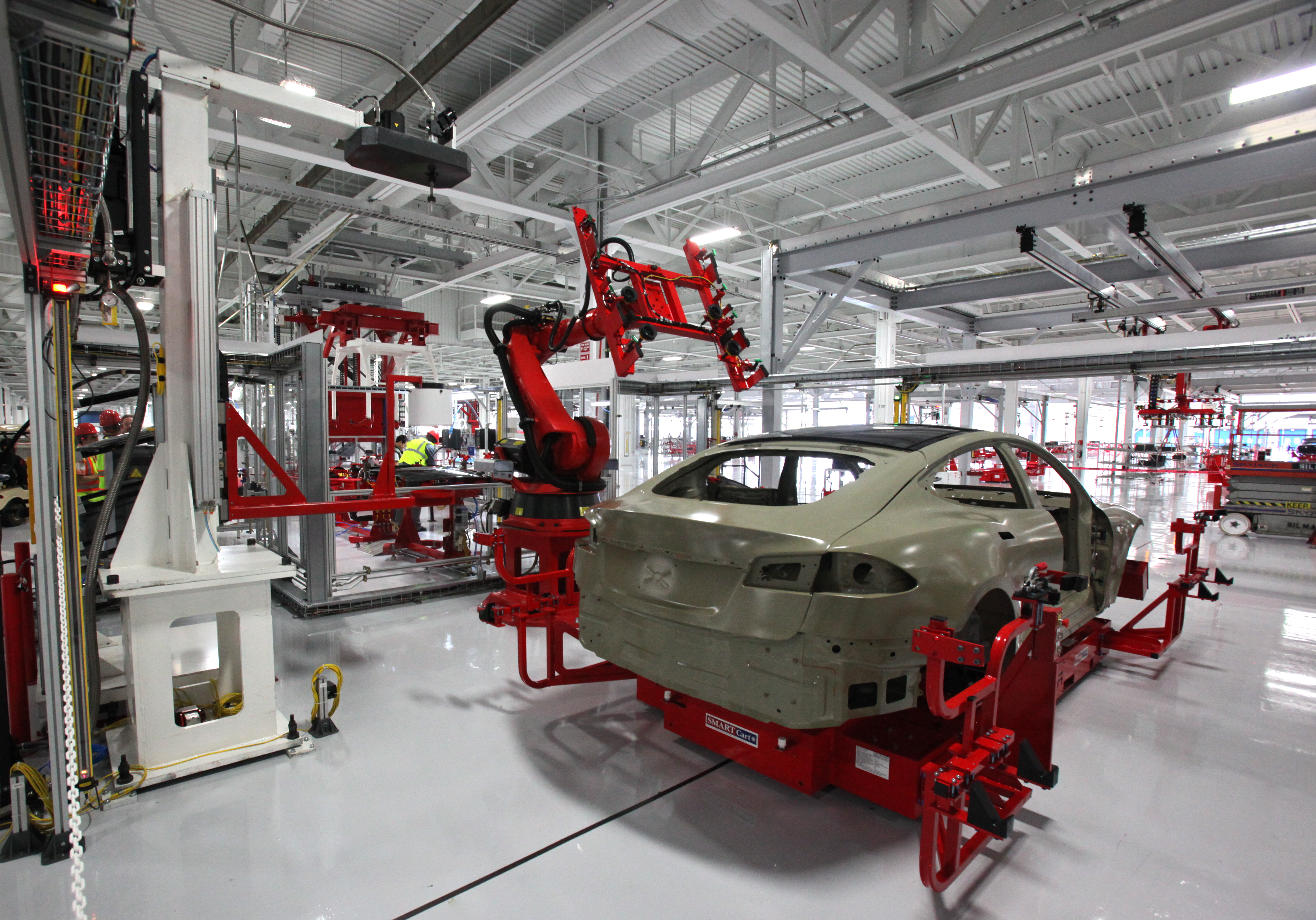
The concept of the Gigafactory is central to Tesla’s manufacturing strategy. These colossal facilities are designed to be “machine that builds the machine,” integrating every stage of production – from raw material processing and battery cell manufacturing to final vehicle assembly – under one roof. This vertical integration allows Tesla to control quality, optimize supply chains, and rapidly iterate on manufacturing processes. The Gigafactories employ advanced robotics, sophisticated automation, and intricate logistics systems, pushing the boundaries of what is possible in high-volume, high-precision manufacturing. Tesla views its factories as products in themselves, constantly seeking to apply technological solutions to increase efficiency, reduce waste, and improve output.
Die-Casting and Structural Batteries: Engineering Materialized
Tesla has pioneered innovations in vehicle architecture and manufacturing like Giga Casting, which allows for the creation of massive single-piece castings for vehicle underbodies, replacing hundreds of individual parts. This not only simplifies the manufacturing process but also improves structural integrity and reduces weight. Similarly, the development of structural battery packs, where the battery itself becomes a load-bearing structural component of the vehicle chassis, represents a significant engineering breakthrough. These innovations demonstrate Tesla’s deep expertise in material science, advanced manufacturing engineering, and complex system integration, treating the physical creation of its products as a continuously evolving technological frontier.
Conclusion
To ask “what industry is Tesla in?” is to grapple with the complexities of modern technological convergence. Tesla is undeniably an electric vehicle manufacturer, but it is simultaneously a leading artificial intelligence company, a sophisticated software developer, a significant player in battery technology and renewable energy solutions, and an innovator in advanced manufacturing and robotics. It operates not within a single industry but across a dynamic ecosystem of high-tech sectors, blurring traditional boundaries and creating new paradigms.
Tesla’s identity is defined by its relentless pursuit of technological advancement and its holistic approach to problem-solving, seeking to integrate disparate technologies to achieve its vision of sustainable energy and autonomous systems. This multi-faceted technological identity makes Tesla a bellwether for future industrial trends, showcasing how companies will increasingly need to be agile, vertically integrated, and technologically diverse to remain competitive and impactful in the 21st century. Ultimately, Tesla is a technology company, with its products and services serving as manifestations of its core technological capabilities across multiple domains.
aViewFromTheCave is a participant in the Amazon Services LLC Associates Program, an affiliate advertising program designed to provide a means for sites to earn advertising fees by advertising and linking to Amazon.com. Amazon, the Amazon logo, AmazonSupply, and the AmazonSupply logo are trademarks of Amazon.com, Inc. or its affiliates. As an Amazon Associate we earn affiliate commissions from qualifying purchases.