
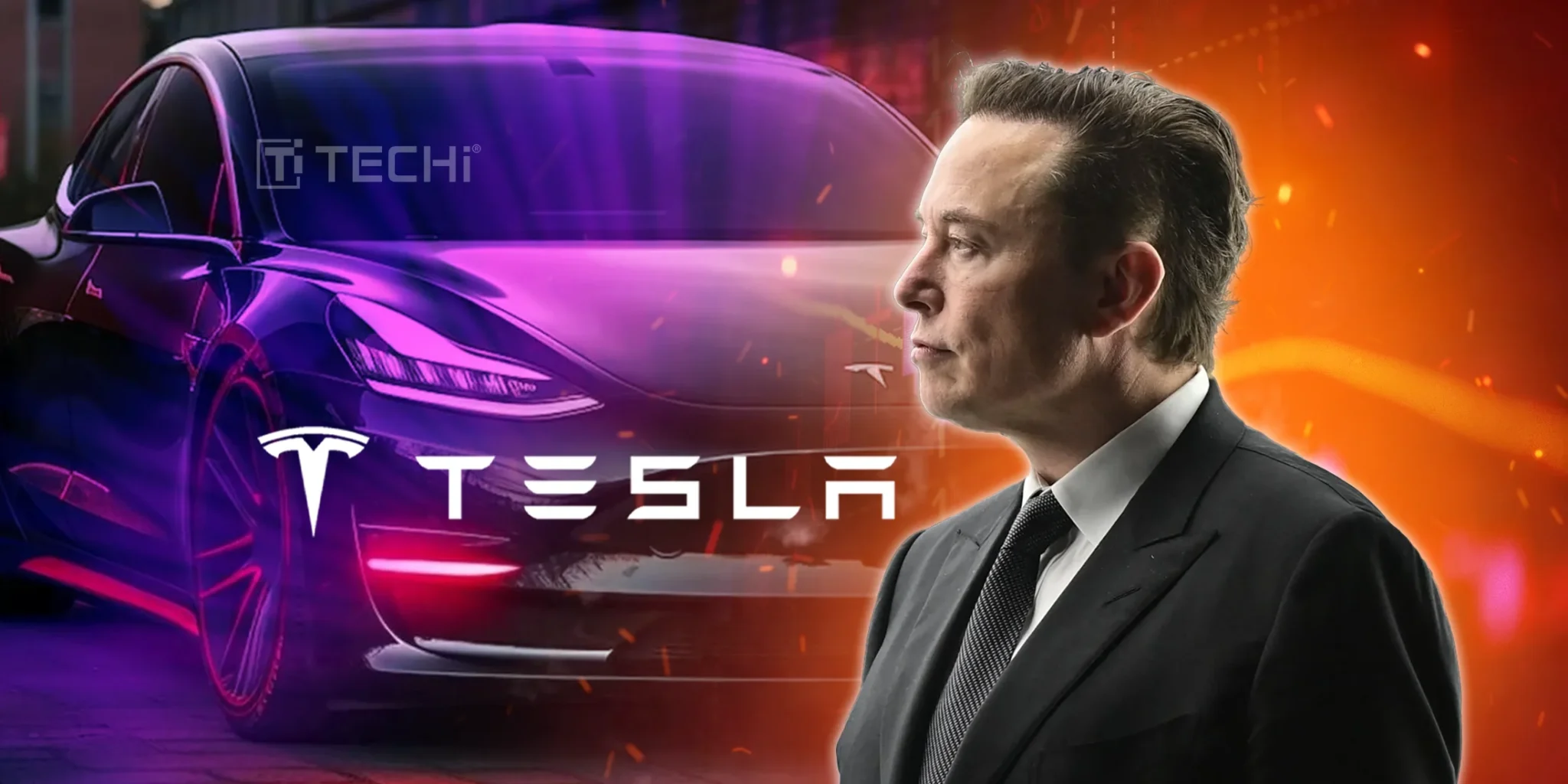
Understanding the precise value of Elon Musk’s stake in Tesla, Inc. is a dynamic exercise, akin to tracking a high-velocity financial asset in real-time. As the visionary CEO and a principal architect of Tesla’s meteoric rise, Musk’s personal fortune is inextricably linked to the electric vehicle giant’s stock performance. This isn’t merely about counting shares; it involves navigating complex compensation structures, market volatility, and strategic financial decisions that collectively paint a picture of one of history’s most significant individual wealth accumulations. For anyone delving into personal finance, investing, or business finance, dissecting Musk’s Tesla holdings offers a masterclass in high-stakes wealth management and the incredible leverage of equity ownership in a hyper-growth company.

The Billionaire’s Biggest Bet: Understanding Elon Musk’s Tesla Stake
Elon Musk’s journey with Tesla began not as a founder in the traditional sense, but as an early investor and chairman who quickly assumed leadership, reshaping the company’s trajectory. His initial investment laid the groundwork for a fortune that would eventually rival that of many nation-states. Today, his stake isn’t just a testament to his belief in the company but a foundational element of global financial discourse.
The Genesis of a Fortune: Musk’s Early Investment in Tesla
Musk first invested in Tesla in 2004, leading its Series A funding round and becoming chairman of the board. He later took on the roles of CEO and product architect. His initial financial commitment was substantial for the time, a bold bet on a then-nascent electric vehicle startup. This early investment, combined with subsequent capital injections and, crucially, a compensation structure heavily weighted towards performance-based stock options, became the bedrock of his financial empire. Unlike traditional salaries, Musk’s wealth grew overwhelmingly through equity, aligning his personal financial success directly with Tesla’s market capitalization and operational achievements. This model not only motivated him but also sent a clear signal to investors: his skin was very much in the game, demonstrating unwavering confidence in Tesla’s long-term potential.
Stock Ownership vs. Direct Control: What it Means to Be the Largest Shareholder
Being the largest individual shareholder of Tesla, Musk wields significant influence over the company’s direction. While he doesn’t own 100% of the company, his substantial stake—typically hovering around 13-17% (post-sales for X/Twitter acquisition and pre-new compensation packages), though this percentage fluctuates with stock sales and option exercises—grants him formidable voting power and a commanding voice in strategic decisions. This direct link between ownership and control is a critical aspect of corporate governance. It means that major strategic shifts, technological pivots, and even the company’s long-term vision are often heavily influenced, if not directly driven, by Musk’s perspective. For investors, understanding this concentration of ownership is key to evaluating governance risks and opportunities. His personal wealth, therefore, is not just a passive portfolio but an active instrument of corporate strategy.
Dynamic Valuation: Why the Number is Always Shifting
The “worth” of Elon Musk’s Tesla stock is never a static figure. It’s a highly dynamic valuation, fluctuating by billions, if not tens of billions, of dollars daily, sometimes even hourly. This constant flux is primarily driven by Tesla’s stock price movements on the public markets. Factors such as quarterly earnings reports, production milestones, regulatory news, global economic trends, competitor announcements, and even Musk’s own pronouncements on social media can send TSLA shares soaring or plummeting. Furthermore, Musk frequently exercises stock options and occasionally sells shares for various reasons—funding other ventures, covering tax obligations, or fulfilling philanthropic commitments—which directly impacts his total share count and thus his net worth derived from Tesla. For financial analysts and individual investors alike, tracking these movements requires continuous monitoring and an understanding of the multifaceted forces at play in the capital markets.
Deconstructing Musk’s Tesla Equity: Shares, Options, and Performance Awards
Musk’s ownership structure in Tesla is more intricate than simply holding common shares. It includes a substantial component of performance-based stock options, meticulously designed to reward monumental achievements rather than mere time served. This multi-layered compensation structure is critical to understanding the true scope of his wealth and his financial incentives.
Common Stock Holdings: The Core of His Investment
At the heart of Elon Musk’s Tesla wealth are his direct holdings of common stock. These are the publicly traded shares (TSLA) that investors buy and sell on exchanges. His total number of common shares can fluctuate due to stock splits, purchases, and sales. Historically, while he’s sold blocks of shares, notably to fund his acquisition of X (formerly Twitter) and to cover tax obligations on option exercises, he remains a significant holder. These common shares represent his established ownership and provide direct exposure to Tesla’s market valuation. The value of this portion of his wealth is straightforward: multiply the number of shares by the current market price per share. This forms the bedrock of his publicly reported net worth and is the most liquid component of his Tesla wealth, assuming he decides to sell.
Performance-Based Options: The 2018 Compensation Plan and Its Tranches
A major driver of Musk’s extraordinary wealth accumulation, and indeed, Tesla’s aggressive growth targets, has been the highly ambitious 2018 CEO Performance Award plan. This plan granted Musk the potential to earn 12 tranches of stock options, each vesting only if Tesla achieved increasingly challenging market capitalization milestones and operational targets (such as revenue and adjusted EBITDA). These weren’t simply time-based options; they required unprecedented growth. Each tranche allowed Musk to purchase a fixed number of shares (e.g., 8.44 million shares, post-stock split, for each tranche) at a deeply discounted “exercise price.” The successful achievement of each market cap and operational target meant an enormous financial windfall as the exercise price was vastly lower than Tesla’s soaring market price. This structure tied his personal financial incentives directly to creating immense shareholder value, making him arguably the most incentivized CEO in corporate history.
Vesting Schedules and Exercise Prices: The Path to Trillions
The 2018 compensation plan’s design means that the “worth” of these options isn’t fully realized until they are vested and exercised. Vesting occurs when Tesla hits both the market cap and operational milestones for a given tranche. Once vested, Musk gains the right to buy the shares at a predetermined, much lower exercise price (e.g., around $70.01 per share post-split). The difference between this exercise price and the current market price of TSLA stock represents the “in-the-money” value of the option. When Musk exercises these options, he essentially purchases shares at a bargain price and then typically sells a portion of them to cover the substantial tax liabilities (ordinary income tax) incurred on the “spread”—the difference between the exercise price and the market price on the day of exercise. The remaining shares become part of his common stock holdings, further increasing his direct ownership. This intricate dance of vesting, exercising, and selling is a recurring event that profoundly impacts his net worth and tax obligations.
The Impact of Tesla’s Volatility on Musk’s Personal Wealth
Tesla stock (TSLA) is renowned for its volatility, making it a favorite among speculative traders and a significant source of fascination for financial observers. For Elon Musk, whose wealth is so heavily concentrated in this single asset, this volatility translates directly into dramatic swings in his personal net worth, underscoring the high-risk, high-reward nature of his financial strategy.
Market Swings and Their Immediate Effect on Net Worth

Given that a substantial portion of Musk’s wealth is tied to Tesla stock, even minor percentage changes in TSLA’s share price can translate into multi-billion dollar fluctuations in his net worth. A 5% rise in Tesla’s stock on a given day, when its market capitalization is in the hundreds of billions or even trillions, can add billions to his paper wealth. Conversely, a sharp decline can erase similar amounts. This immediate, often dizzying, impact is a direct consequence of his concentrated portfolio. For an individual focused on personal finance, this illustrates the principle of diversification; for a titan like Musk, it’s the cost and benefit of extreme conviction. His net worth often serves as a proxy for Tesla’s short-term market performance, making him a frequent subject of “richest person in the world” headlines based on daily stock movements.
The Tesla Stock as a Collateral and Its Implications
Musk has historically leveraged his Tesla stock as collateral for personal loans, a common practice among ultra-high-net-worth individuals to gain liquidity without selling shares and incurring immediate capital gains taxes. While this strategy offers financial flexibility, it also introduces significant risk. If Tesla’s stock price were to fall below a certain threshold, triggering a “margin call,” Musk could be forced to either provide additional collateral or sell shares to repay the loans. Such forced sales, particularly large ones, could put downward pressure on Tesla’s stock price, creating a negative feedback loop. This highlights a critical, often overlooked, aspect of extreme wealth: even the wealthiest individuals face liquidity challenges and strategic risks associated with their holdings, especially when those holdings are highly concentrated in a single, volatile asset.
Diversification, Or Lack Thereof: Why Tesla is So Central
In conventional personal finance advice, diversification is paramount to mitigate risk. However, Elon Musk’s financial strategy defies this norm, with Tesla remaining overwhelmingly central to his wealth. While he has stakes in other ventures like SpaceX and Neuralink, these are privately held and their value less liquid and transparent. For his public wealth, Tesla is the undisputed anchor. This lack of broad public market diversification is a testament to his deep belief in Tesla’s future and his willingness to embrace immense risk for commensurate reward. It also means that his financial fortunes are almost entirely dependent on the continued success and market valuation of Tesla, making his wealth a pure, undiluted bet on the company’s trajectory and his leadership.
Tax Implications and Philanthropy: The Financial Ripple Effects
The immense scale of Elon Musk’s Tesla wealth also brings with it equally enormous tax obligations and opportunities for philanthropy. These financial ripple effects are not just academic; they represent significant transactions that can influence markets and illustrate the mechanics of wealth distribution at the highest level.
Capital Gains and Income Tax: The Cost of Cashing Out
When Elon Musk exercises his stock options, the “spread” (the difference between the exercise price and the market price on the exercise date) is typically taxed as ordinary income, which can be subject to the highest marginal tax rates. When he sells vested common shares that he’s held for over a year, those profits are subject to long-term capital gains tax. Given the astronomical appreciation of Tesla stock, these tax bills can run into the billions of dollars, making him one of the largest individual taxpayers in U.S. history during periods of significant option exercises and sales. These tax obligations are a primary reason for some of his major stock sales, underscoring that even vast paper wealth eventually incurs a significant cost when converted to liquid funds. Understanding this interplay between option exercise, income generation, and tax liability is crucial for grasping the true net financial impact of his holdings.
Strategic Stock Sales: Funding Other Ventures and Tax Obligations
Musk’s sales of Tesla stock are often highly strategic. While a portion is undoubtedly for tax purposes, another significant driver is to fund his other ambitious ventures, most notably SpaceX, Neuralink, and potentially X. These companies, particularly SpaceX, require massive capital investments for research, development, and scaling. By selling Tesla stock, Musk converts a highly liquid asset into capital for these long-term, privately held enterprises, thereby diversifying his operational interests even if his public wealth remains concentrated. These sales, often announced via regulatory filings, are closely watched by the market as they provide insights into Musk’s financial strategy and the funding needs of his broader ecosystem of companies.
The Philanthropic Aspect: Donations of Tesla Stock
While often discussed in the context of his entrepreneurial endeavors and personal net worth, Musk has also engaged in substantial philanthropy, often utilizing Tesla stock. Donating highly appreciated stock to charitable organizations allows the donor to deduct the fair market value of the stock from their taxes, often avoiding capital gains tax on the appreciation. This is a common strategy among the wealthy. Musk has made significant donations of Tesla shares to various causes, demonstrating another channel through which his Tesla wealth impacts the broader economy and society. These acts of giving, while reducing his personal share count, contribute to the public good and provide an additional layer to the complex financial tapestry woven by his Tesla holdings.
Beyond the Balance Sheet: The Broader Economic Significance
Elon Musk’s Tesla stock isn’t just a personal fortune; it’s a barometer of market sentiment, a driver of innovation, and a powerful symbol in the global financial landscape. Its influence extends far beyond Musk’s personal balance sheet, touching upon broader economic trends and investor psychology.
Tesla’s Market Cap: A Reflection of Investor Confidence and Future Growth
The sheer size of Tesla’s market capitalization, often fluctuating between hundreds of billions and over a trillion dollars, is a direct reflection of investor confidence in the company’s future growth prospects, its technological leadership, and Elon Musk’s vision. This market cap isn’t just a number; it represents the collective belief of millions of investors that Tesla will continue to innovate, dominate the EV market, expand into new areas like AI and robotics, and disrupt traditional industries. Musk’s stock worth is thus a derivative of this massive market capitalization. When investors believe in Tesla’s future, his wealth swells; when doubts emerge, it contracts. This makes his fortune a real-time gauge of the market’s conviction in the future of sustainable energy and autonomous technology.
The Wealth Effect: How Musk’s Fortune Influences Markets
The “wealth effect” refers to how changes in asset prices can influence consumer spending and economic activity. While primarily applied to broad consumer behavior, the wealth effect for an individual like Musk has a unique, almost macro-economic impact. His immense wealth, largely derived from Tesla, empowers him to fund audacious projects (SpaceX, Neuralink) that create jobs, drive technological advancement, and attract further investment. His financial clout allows him to influence entire industries and market segments. The narrative surrounding his net worth also captures public imagination, potentially inspiring new investors and entrepreneurs, thereby contributing to the broader financial ecosystem and risk-taking behavior essential for innovation.
Long-Term Outlook: What Drives Tesla’s Value Going Forward
Looking ahead, the long-term value of Elon Musk’s Tesla stock will continue to be driven by a confluence of factors. Tesla’s ability to maintain its competitive edge in electric vehicles, successfully scale its Full Self-Driving (FSD) technology, expand into new markets and energy solutions, and achieve its ambitious production targets will be paramount. Global economic conditions, regulatory environments, and the intensity of competition will also play critical roles. For Musk, his ongoing leadership, innovation, and strategic decisions will remain central to sustaining and growing this value. From an investment perspective, understanding these fundamental drivers, rather than just daily price movements, is key to comprehending the enduring significance of Elon Musk’s Tesla fortune and its profound impact on both personal wealth management and global financial markets.
aViewFromTheCave is a participant in the Amazon Services LLC Associates Program, an affiliate advertising program designed to provide a means for sites to earn advertising fees by advertising and linking to Amazon.com. Amazon, the Amazon logo, AmazonSupply, and the AmazonSupply logo are trademarks of Amazon.com, Inc. or its affiliates. As an Amazon Associate we earn affiliate commissions from qualifying purchases.