
Understanding the share structure of a publicly traded company like Tesla (TSLA) is far more than just a numerical curiosity; it’s a foundational element for investors, analysts, and market observers to comprehend its valuation, ownership, and financial health. The question “how many shares does Tesla have?” delves into the core mechanics of a company that has captivated the global market with its innovative spirit and often volatile stock performance. Tesla, under the visionary leadership of Elon Musk, has not only revolutionized the automotive and energy industries but has also carved out a unique narrative in the financial markets, making its share count a critical data point for anyone tracking its trajectory.
This comprehensive exploration will dissect the intricacies of Tesla’s share capital, examining its historical evolution, the impact of strategic decisions like stock splits, and how these factors collectively shape its market capitalization and investor perception. From institutional behemoths to individual retail investors, the ownership landscape of TSLA is diverse and dynamic, reflecting the company’s broad appeal and strategic importance. By delving into the concept of shares outstanding, the forces that influence its fluctuation, and the implications for financial analysis, we aim to provide an insightful and engaging perspective on a topic central to understanding one of the world’s most talked-about companies.
Understanding Tesla’s Share Capital
At its core, a company’s share capital represents the ownership units into which the company’s equity is divided. For a publicly traded entity like Tesla, this figure, specifically the “shares outstanding,” is a constantly evolving number that provides crucial context for its market valuation and financial metrics.
What is “Shares Outstanding”?
Shares outstanding refers to the total number of a company’s shares currently held by all its shareholders, including institutional investors, retail investors, and restricted shares held by company insiders. It’s a key distinction from “authorized shares” (the maximum number of shares a company is legally permitted to issue) or “issued shares” (the total number of shares that have ever been created, which may include treasury shares). Shares outstanding are critical because they are used in calculating fundamental per-share metrics such as Earnings Per Share (EPS), Dividends Per Share (DPS), and Book Value Per Share (BVPS), all of which are vital for assessing a company’s profitability and intrinsic value. A company’s market capitalization, a widely cited measure of its size, is directly calculated by multiplying its current share price by its shares outstanding. For Tesla, this number has been particularly dynamic due to its rapid growth and strategic capital actions.
Tesla’s Evolution of Share Count
Tesla’s journey as a public company, which began with its IPO in June 2010, has seen its share count undergo significant transformations. Initially, with a relatively modest number of shares, the company’s rapid expansion and need for capital often involved issuing new shares to fund operations, research and development, and Gigafactory construction. While new share issuances can lead to dilution for existing shareholders, they are a common method for high-growth companies like Tesla to fuel ambitious projects without incurring significant debt. Throughout its history, Tesla has also periodically utilized equity offerings, further contributing to the growth in its outstanding share count. Unlike many mature companies that might engage in significant share buyback programs to reduce share count and boost EPS, Tesla has historically prioritized reinvestment into growth, thus maintaining a generally upward trend in its shares outstanding, albeit punctuated by major events.
The Impact of Stock Splits
Two significant events have dramatically reshaped Tesla’s share count and made its stock more accessible to a broader range of investors: its stock splits.
The first major event occurred in August 2020, when Tesla executed a 5-for-1 stock split. This meant that for every share an investor owned, they received four additional shares, effectively increasing the total number of shares outstanding by five times. Then, in August 2022, Tesla implemented a 3-for-1 stock split, further tripling the number of shares for existing shareholders.
These stock splits, while increasing the number of shares outstanding, do not change the total market capitalization of the company or the total value of an investor’s holdings. For example, owning one share at $1500 before a 3-for-1 split is economically equivalent to owning three shares at $500 after the split. The primary motivations behind these splits were to make the stock more affordable on a per-share basis, thereby increasing its appeal to individual retail investors and potentially improving liquidity by encouraging more trading activity. By lowering the entry price, Tesla aimed to broaden its ownership base, align with its mission of democratizing access to sustainable energy solutions, and potentially fuel continued investor interest and growth. These events significantly inflated the nominal share count, making the “how many shares” question even more pertinent post-split.
Decoding Tesla’s Ownership Structure
The ownership of Tesla’s vast number of shares is distributed across a complex ecosystem of investors, each with their own motivations and investment horizons. Understanding this distribution provides critical insights into the company’s stability, potential for volatility, and governance.
Institutional vs. Retail Ownership
Tesla’s shareholder base is primarily divided between institutional investors and retail investors. Institutional investors include large entities such as mutual funds, hedge funds, pension funds, and asset management companies. These sophisticated investors often hold substantial blocks of shares and are typically driven by long-term investment strategies, diversification, and rigorous financial analysis. Their buying and selling activities can move markets, but they also provide a degree of stability due to their often-calculated approaches.
Retail investors, on the other hand, are individual investors who buy and sell shares for their personal portfolios. Tesla has an exceptionally large and passionate retail investor base, often referred to as “Teslarati.” This group is known for its strong conviction in Tesla’s mission and products, and its collective trading activity can contribute significantly to the stock’s renowned volatility. The accessibility offered by recent stock splits has further empowered retail investors, making Tesla one of the most widely held stocks among individual traders. The interplay between these two groups creates a dynamic and sometimes unpredictable market for TSLA shares.
Key Institutional Holders
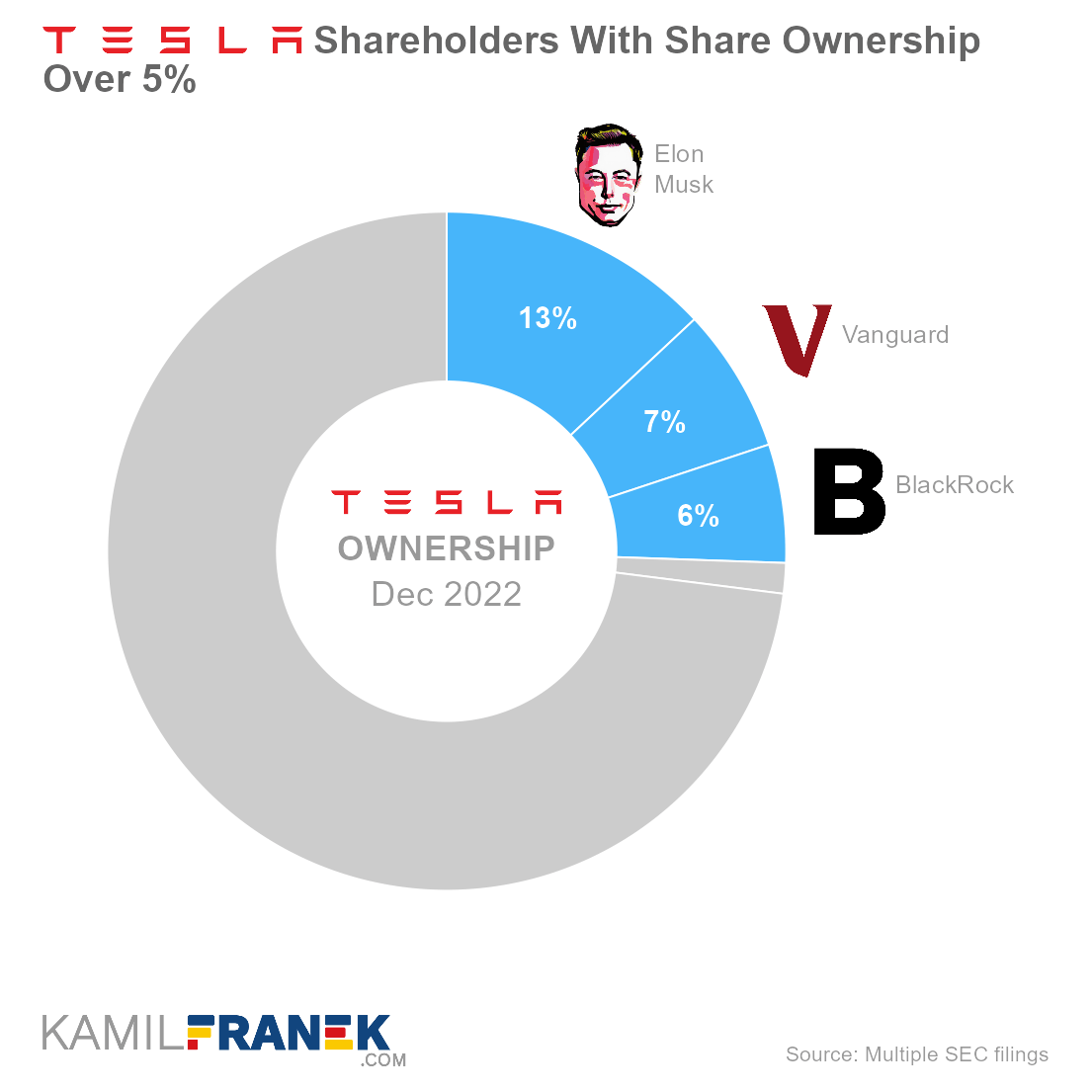
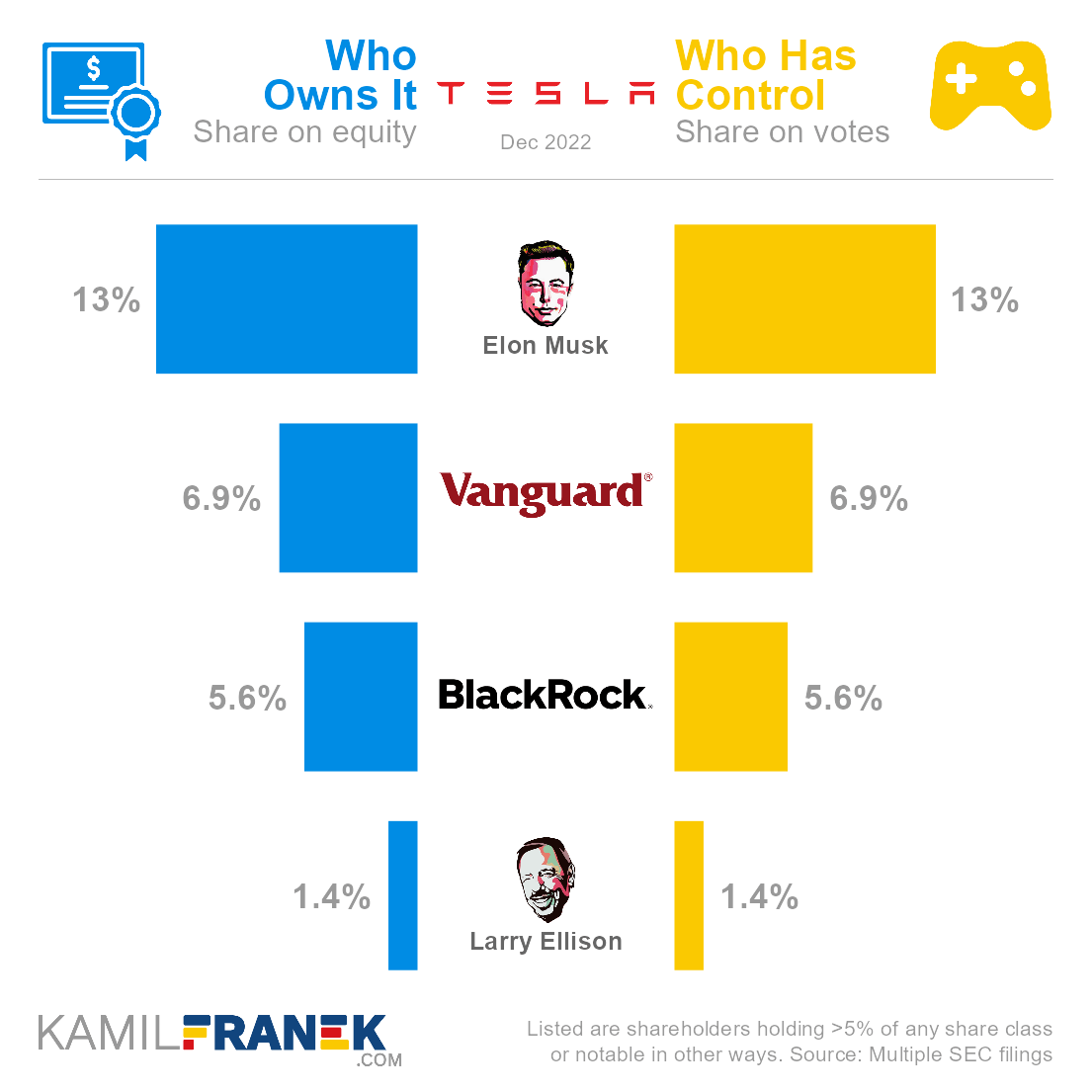
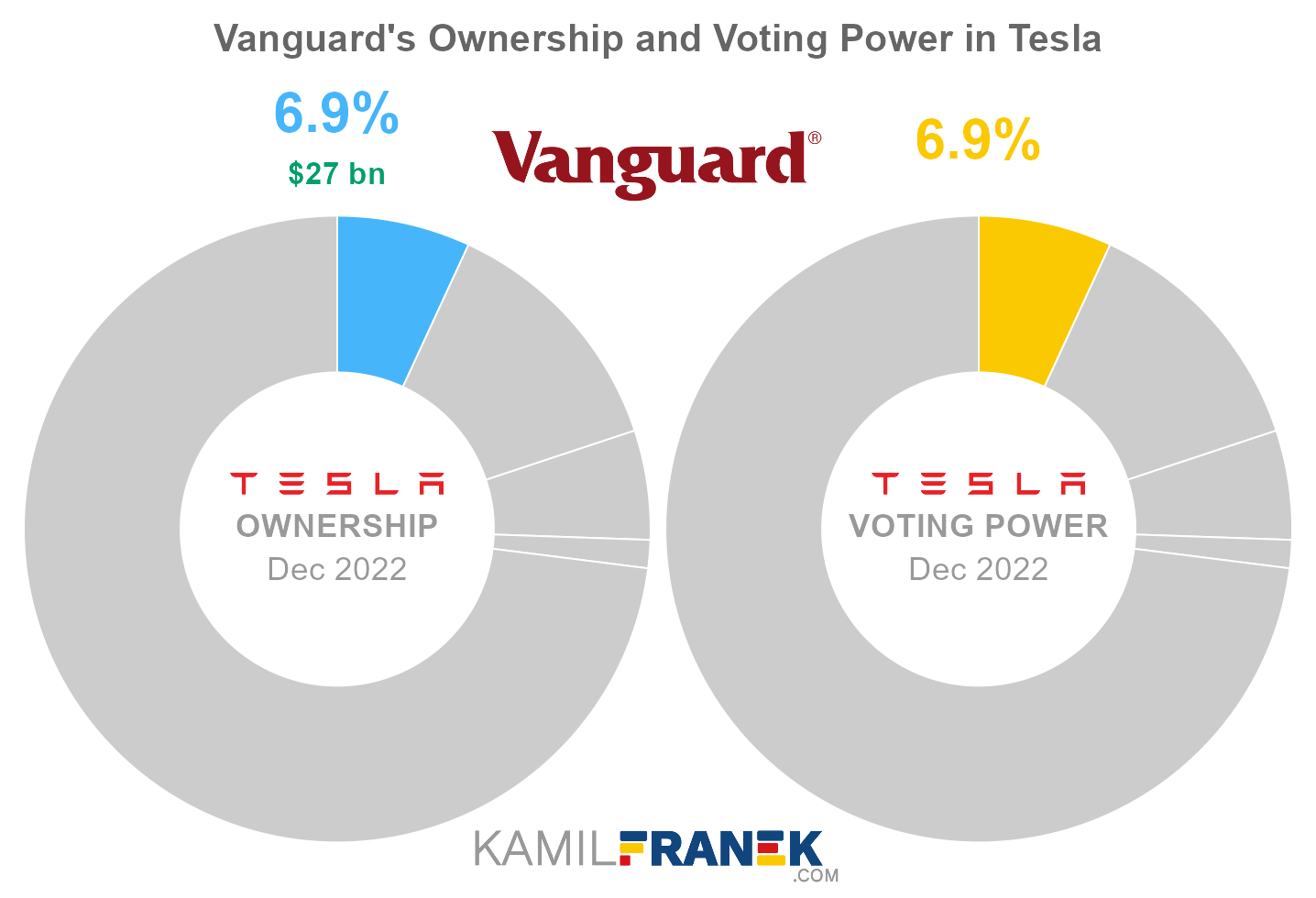
While the precise list fluctuates with quarterly filings, major institutional players consistently feature among Tesla’s top shareholders. Vanguard Group, BlackRock, State Street Corporation, and Capital Research Global Investors are often prominent names, holding billions of dollars worth of TSLA shares across various funds and portfolios. These firms, through their vast indexed funds and actively managed strategies, represent a significant portion of the “smart money” invested in Tesla. Their investment decisions are influenced by factors ranging from environmental, social, and governance (ESG) considerations to macroeconomic outlooks and Tesla’s specific financial performance and future prospects. The collective stake of these institutional giants can provide a powerful voting bloc in corporate governance matters and can signal confidence (or lack thereof) in the company’s long-term direction.
Elon Musk’s Stake
Elon Musk, Tesla’s CEO, is by far the largest individual shareholder, holding a substantial percentage of the company’s outstanding shares. His significant ownership stake is a double-edged sword: it aligns his personal wealth directly with the company’s performance, providing a powerful incentive for success. However, it also means his personal financial decisions, such as selling shares to fund other ventures (like his acquisition of Twitter/X), can have a notable impact on the stock price and market sentiment. Musk’s direct involvement and outspoken nature mean that his actions and statements often directly influence investor perception and, consequently, the value of TSLA shares. His ownership is typically comprised of direct holdings and options that vest over time, tying his compensation heavily to long-term shareholder value creation.
Employee Stock Options and Vesting
A significant portion of potential future shares outstanding stems from employee stock options and restricted stock units (RSUs). Tesla, like many high-growth tech companies, uses equity-based compensation as a powerful tool to attract, retain, and incentivize top talent. Employees are granted options to purchase shares at a predetermined price or receive RSUs that vest over several years, contingent on performance or continued employment. As these options are exercised or RSUs vest, they convert into actual shares, adding to the circulating supply. This ongoing process of vesting and exercise contributes to a gradual increase in shares outstanding over time, representing a form of dilution for existing shareholders but also a crucial mechanism for employee alignment and motivation. The company’s transparency in its financial filings (e.g., in its 10-K and 10-Q reports) allows investors to track the potential impact of these equity compensation plans on future share counts.
Factors Influencing Tesla’s Share Count and Valuation
The number of shares outstanding is not static; it is a dynamic figure influenced by a company’s financial strategy, capital needs, and market interactions. For Tesla, these factors play a critical role in shaping its valuation and investor sentiment.
Capital Raises and Dilution
As a rapidly growing company with ambitious plans, Tesla has historically required substantial capital for its research and development, factory expansion (Gigafactories), and scaling production. One common method for raising such capital is through equity offerings, where the company issues new shares to investors in exchange for cash. While these capital raises provide the necessary funds for growth and innovation, they also lead to an increase in the number of shares outstanding. This process is known as dilution, as it spreads the company’s earnings and ownership percentage over a larger number of shares, potentially reducing the per-share value for existing shareholders. Investors closely watch these events, weighing the benefits of increased funding for growth against the potential impact of dilution on their stake. Tesla has successfully used this mechanism multiple times to fund its expansion, demonstrating investor confidence in its long-term vision despite the short-term dilutive effects.
Share Repurchases (and Tesla’s Stance)
Conversely, share repurchases, or buybacks, occur when a company buys its own shares back from the open market. This action reduces the number of shares outstanding, thereby increasing the ownership stake of remaining shareholders, boosting per-share metrics like EPS, and often signaling management’s confidence in the company’s undervaluation. While many mature, profitable companies regularly engage in buybacks to return capital to shareholders, Tesla has historically shown a strong preference for reinvesting its profits and capital into further growth and expansion rather than returning it via buybacks or dividends. This strategic choice underscores its status as a growth-oriented company that sees more value in future innovation and market capture than in short-term shareholder remuneration. Although there have been discussions and calls from some investors for Tesla to initiate a buyback program, the company’s focus has remained firmly on accelerating its mission and reinvesting capital for long-term growth.
Market Capitalization Explained
Market capitalization (market cap) is one of the most fundamental metrics used to determine a company’s size and total value in the stock market. It is calculated by multiplying the current share price by the total number of shares outstanding. For Tesla, its substantial share count, combined with its often high per-share price (even post-splits), results in a market capitalization that places it among the world’s most valuable companies. A high market cap indicates investor confidence and a large perceived value of the company’s future earnings potential. Changes in shares outstanding, therefore, directly impact market cap. If the share count increases due to dilution, the market cap will increase proportionally if the share price remains constant. More commonly, market cap fluctuates daily based on changes in the share price, but the underlying share count provides the multiplier.
The Role of Share Count in Financial Metrics
The number of shares outstanding is a critical input for several key financial ratios and metrics that investors use to evaluate a company’s performance. For instance, Earnings Per Share (EPS) is calculated by dividing a company’s net income by its shares outstanding. An increase in shares outstanding (without a proportional increase in net income) will dilute EPS, making the company appear less profitable on a per-share basis. Similarly, the Price-to-Earnings (P/E) ratio, a widely used valuation multiple, is derived using EPS. A lower EPS due to higher share count will result in a higher P/E ratio if the stock price remains constant, potentially making the stock appear more expensive. Investors must track changes in shares outstanding carefully to accurately interpret these metrics and avoid misjudging Tesla’s financial health and valuation. Diluted EPS, which accounts for the potential exercise of stock options and convertible securities, provides an even more conservative and comprehensive view of per-share profitability.
Implications for Investors and Market Analysis
The precise number of shares Tesla has outstanding, and how that number changes, holds significant implications for investors, influencing everything from trading dynamics to long-term valuation perspectives.
Liquidity and Trading Volume
A higher number of shares outstanding, especially after stock splits, generally contributes to increased liquidity in the market. Liquidity refers to how easily an asset can be converted into cash without affecting its market price. When a stock has a large number of readily available shares, it typically facilitates higher trading volumes. This means investors can buy or sell large quantities of shares without causing significant price fluctuations. For Tesla, its massive share count post-splits has significantly enhanced its liquidity, making it easier for both institutional and retail investors to enter and exit positions. High trading volume is often seen as a positive indicator, suggesting strong investor interest and the ability to efficiently trade the stock. This increased accessibility helps maintain a dynamic and efficient market for TSLA shares.
Volatility and Investor Sentiment
Tesla’s stock is renowned for its volatility, and while many factors contribute to this, the composition and behavior of its shareholder base play a significant role. The large retail investor presence, often driven by strong conviction and social media trends, can amplify price movements. Furthermore, the sheer number of shares available means that both positive news (e.g., production milestones, new product announcements) and negative news (e.g., regulatory challenges, production delays, Elon Musk’s tweets) can trigger substantial buying or selling pressure.
Investor sentiment surrounding Tesla is uniquely powerful, often influenced by the company’s visionary goals, the cult of personality around Elon Musk, and its disruptive impact on traditional industries. Changes in the share count, particularly those stemming from dilution or buyback rumors, can directly impact this sentiment, causing swift reactions in the stock price. Understanding the current shares outstanding provides a baseline against which to measure the impact of these sentiment-driven movements on market capitalization.
Analyzing Share Count Trends
Savvy investors and analysts closely monitor trends in a company’s shares outstanding. A consistent increase due to ongoing equity compensation or capital raises can signal a growth-focused strategy but also potential dilution. Conversely, a reduction in shares outstanding through buybacks can indicate a company returning value to shareholders or believing its stock is undervalued. For Tesla, the historical trend has largely been an increase, primarily due to stock splits and capital-raising activities to fuel its aggressive expansion.
Analyzing these trends helps investors understand management’s capital allocation strategy. Is the company prioritizing growth at all costs, even if it means dilution? Or is it maturing to a point where shareholder returns become a focus? For Tesla, understanding that its share count has significantly expanded over time—notably from less than 200 million pre-2020 split to well over 3 billion post-2022 split—is crucial for contextualizing its current valuation metrics and future potential. This evolution reflects its journey from a niche electric vehicle startup to a global automotive and energy powerhouse.
Future Outlook and Potential Share Dilution/Concentration
Looking ahead, Tesla’s share count will continue to be a dynamic figure. Future capital needs for new Gigafactories, technological advancements (e.g., AI, robotics), or potential acquisitions could necessitate further equity raises, leading to more dilution. Conversely, if Tesla enters a more mature phase of sustained profitability and robust cash flow, it might consider initiating share buybacks to optimize its capital structure and enhance shareholder value, which would reduce the shares outstanding.
Elon Musk’s future role and potential sales of shares (e.g., for personal endeavors or tax purposes) will also continue to be a factor affecting the available float and investor perception. Furthermore, the ongoing vesting of employee stock options and RSUs will exert a continuous, albeit gradual, upward pressure on the share count. Investors must remain attuned to these potential scenarios, as changes in shares outstanding can significantly alter per-share metrics, influence market capitalization, and ultimately impact the long-term investment thesis for TSLA.
Conclusion
The question “how many shares does Tesla have?” leads us down a path of financial inquiry that is fundamental to understanding this innovative company. While the exact number of shares outstanding is a fluctuating figure, typically hovering in the billions post-splits, its significance lies not just in the quantity itself but in what it reveals about Tesla’s financial strategies, ownership structure, and market dynamics. From the impact of strategic stock splits designed to enhance accessibility and liquidity, to the complex interplay between institutional and retail investors, and the influence of Elon Musk’s substantial stake, every aspect of Tesla’s share capital tells a story.
For investors, comprehending the evolution of Tesla’s shares outstanding, the forces of dilution and potential future buybacks, and its role in calculating critical financial metrics is paramount. It provides the necessary context to accurately assess valuation, interpret earnings reports, and anticipate future market movements. As Tesla continues its mission to accelerate the world’s transition to sustainable energy, its share structure will remain a vital element in its ongoing narrative, a testament to its growth, investor engagement, and enduring impact on the global financial landscape. Understanding this core financial metric is not just about a number; it’s about grasping the intricate financial architecture of one of the world’s most revolutionary companies.
aViewFromTheCave is a participant in the Amazon Services LLC Associates Program, an affiliate advertising program designed to provide a means for sites to earn advertising fees by advertising and linking to Amazon.com. Amazon, the Amazon logo, AmazonSupply, and the AmazonSupply logo are trademarks of Amazon.com, Inc. or its affiliates. As an Amazon Associate we earn affiliate commissions from qualifying purchases.