
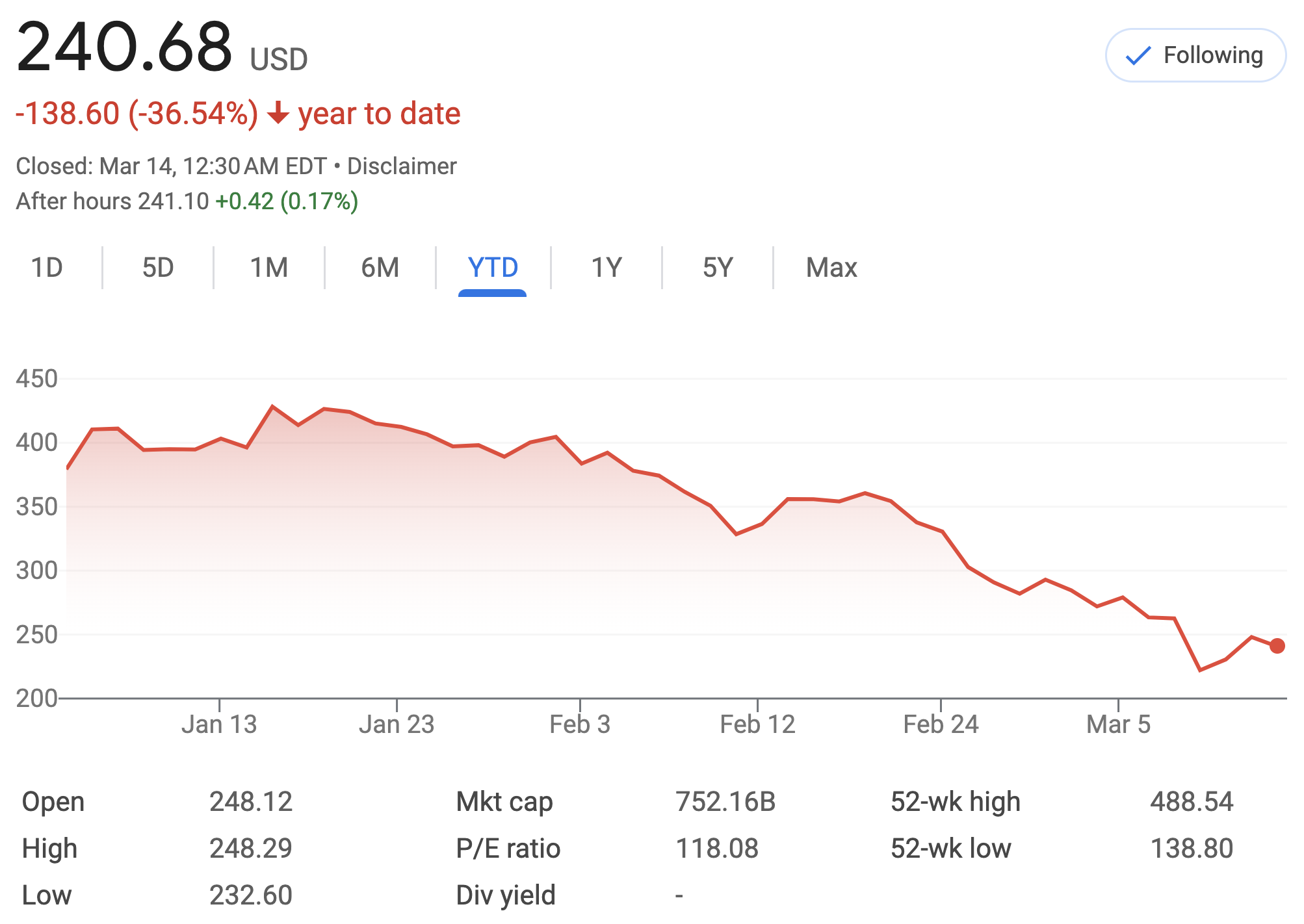
The question “how much is Tesla stock?” is more complex than a simple numerical answer. While readily available through various financial platforms, the stock price of Tesla, Inc. (TSLA) is a dynamic figure, a snapshot in time reflecting a myriad of influencing factors. For investors, prospective shareholders, or even casual observers, understanding this price requires delving into the principles of market valuation, the company’s fundamentals, macroeconomic forces, and the unique narrative surrounding one of the world’s most disruptive companies. This article aims to unpack the layers behind Tesla’s stock price, providing a professional and insightful guide for those navigating the intricate world of financial markets.
Understanding Tesla’s Stock (TSLA): More Than Just a Number
At its core, a stock price represents the last transacted value for a single share of a company on a public exchange. For Tesla, this price is a constantly fluctuating figure, influenced by millions of buy and sell orders executed every second during market hours. To truly comprehend “how much” TSLA stock is, one must look beyond the immediate quote and consider the mechanisms that drive its valuation.
What is a Stock Price? The Basics of Market Valuation
A stock price is a reflection of supply and demand for a company’s shares. When more investors want to buy shares than sell them, the price tends to rise. Conversely, when more want to sell than buy, the price falls. This seemingly simple interplay is, in reality, a complex dance orchestrated by diverse market participants, each with their own analyses, expectations, and risk appetites. For TSLA, this dynamic is often amplified due to its high-profile status, volatile nature, and the fervent loyalty of its investor base. The price you see quoted is merely the prevailing equilibrium point at the moment of inquiry, subject to immediate change based on new information, market sentiment, or broader economic shifts.
Where to Find Real-time TSLA Stock Price
For anyone seeking the immediate answer to “how much is Tesla stock?”, numerous reliable sources provide real-time or near real-time quotes. These include:
- Brokerage Platforms: If you have an investment account, your broker’s platform will typically display live stock prices, often with advanced charting tools and analytical data.
- Financial News Websites: Major financial news outlets (e.g., Bloomberg, Reuters, Wall Street Journal, Yahoo Finance) offer up-to-the-minute stock quotes for TSLA and other publicly traded companies.
- Market Data Providers: Specialized services like Google Finance, Investing.com, or directly from exchanges like NASDAQ, offer comprehensive data, including pre-market and after-hours trading prices.
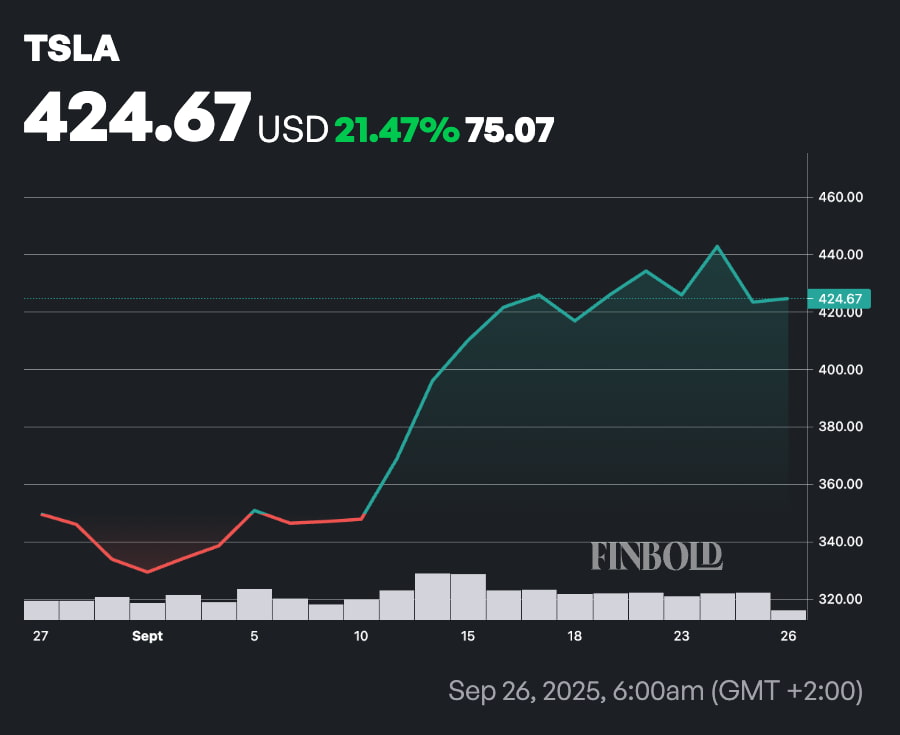
It’s crucial to note the time stamp on any quote you reference, as prices can change rapidly, especially during peak trading hours or in response to significant news events.
The Dynamic Nature of Stock Valuation: Why TSLA Never Stands Still
Tesla’s stock price is a living entity, constantly re-evaluated by the market. This dynamism is inherent to all publicly traded stocks but is particularly pronounced for high-growth, innovative companies like Tesla. Factors contributing to this continuous re-evaluation include:
- Earnings Reports: Quarterly and annual financial reports provide concrete data on revenue, profitability, production, and forecasts, which often lead to significant price movements.
- News & Announcements: Product launches, technological breakthroughs, regulatory approvals, recalls, or even executive comments (especially from Elon Musk) can immediately swing investor sentiment.
- Analyst Ratings: Investment bank analysts frequently issue ratings (buy, hold, sell) and price targets, influencing institutional and retail investors alike.
- Market Sentiment: Broader market trends, such as a bull or bear market, sector-specific movements, or shifts in investor confidence, can pull TSLA’s price along with them.
- Liquidity: As a highly liquid stock, TSLA is traded frequently, allowing even small imbalances in buy/sell pressure to impact its price.
Understanding this constant flux is the first step in appreciating the true nature of “how much is Tesla stock” at any given moment.
Key Factors Influencing TSLA Stock Price
Beyond the immediate supply and demand dynamics, several fundamental and external factors critically shape Tesla’s stock valuation. These elements are what analysts and sophisticated investors scrutinize to form their long-term price targets and investment theses.
Company Performance and Financials: The Core Drivers
The bedrock of any stock’s valuation lies in the company’s operational performance and financial health. For Tesla, this encompasses several critical metrics:
- Vehicle Deliveries and Production: As an automotive manufacturer, the number of vehicles produced and delivered each quarter is a primary indicator of growth and operational efficiency. Missing or exceeding these targets significantly impacts investor confidence.
- Revenue Growth: Tesla’s ability to increase sales from vehicles, energy storage, solar, and services is paramount. Sustained high revenue growth signals continued market penetration and expansion.
- Profitability and Margins: Net income, operating income, and gross margins are crucial. Investors look for consistent profitability and strong margins, especially as the company scales. Tesla’s profitability has been a key area of focus for investors, distinguishing it from earlier growth phases.
- Cash Flow: Free cash flow generation is vital for funding future projects, paying down debt, and potentially returning capital to shareholders. Positive and growing cash flow demonstrates financial strength.
- Balance Sheet Health: Low debt levels, sufficient cash reserves, and manageable liabilities contribute to a strong balance sheet, which reassures investors about the company’s resilience.
Market Sentiment and Investor Confidence: The Human Element
While financials provide the quantitative backbone, qualitative factors, particularly market sentiment and investor confidence, play an outsized role in Tesla’s valuation.
- Elon Musk’s Influence: Tesla’s CEO, Elon Musk, is a highly visible and often controversial figure. His statements, social media activity, and actions related to Tesla or his other ventures (e.g., SpaceX, X/Twitter) frequently trigger significant reactions in TSLA’s stock price. His vision, leadership, and public persona are deeply intertwined with the company’s brand and investor perception.
- Analyst Ratings and Price Targets: The collective opinion of institutional analysts can sway large pools of capital. Upgrades or downgrades, along with changes in price targets, are closely watched by the market.
- News Flow and Speculation: Rumors about new models, battery breakthroughs, autonomous driving progress, or competitive challenges can quickly ignite speculative trading, driving prices up or down irrespective of immediate financial data.
- Retail Investor Engagement: Tesla has a famously passionate retail investor base, whose collective buying or selling can generate considerable momentum. Social media sentiment often plays a role in this segment.
Macroeconomic Conditions: The Broader Economic Tide
Tesla’s stock price does not exist in a vacuum; it is subject to broader economic forces that affect all companies and sectors.
- Interest Rates and Inflation: Higher interest rates can make future earnings less valuable in present terms, impacting growth stock valuations. Inflation can increase production costs and potentially dampen consumer demand.
- Economic Growth and Consumer Spending: A strong economy generally means higher consumer confidence and spending power, benefiting sales of high-ticket items like Tesla vehicles. Conversely, recessions can significantly curb demand.
- Energy Prices: As an EV company, while not directly tied to oil prices in the same way traditional automakers are, fluctuating energy costs (including electricity prices for charging) can indirectly influence consumer decisions regarding EV adoption.
- Global Supply Chains: Geopolitical events, trade tensions, or global health crises can disrupt supply chains, impacting Tesla’s ability to source components, manufacture, and deliver vehicles, thus affecting its financials and stock price.
Industry Trends and Competition: The Evolving Landscape
Tesla operates in highly dynamic and competitive industries: electric vehicles, energy storage, and artificial intelligence/autonomous driving.
- EV Adoption Rates: The pace at which consumers globally transition to electric vehicles directly impacts Tesla’s primary market opportunity. Government incentives and charging infrastructure development are key enablers.
- Technological Advancements: Breakthroughs in battery technology, charging speed, manufacturing processes, or autonomous driving capabilities by Tesla or its competitors can dramatically alter competitive advantages and market perceptions.
- Competitive Landscape: The entry of traditional automakers (Ford, GM, Volkswagen) and new EV startups (Lucid, Rivian, Nio) with compelling products intensifies competition, potentially impacting Tesla’s market share and pricing power.
- Regulatory Environment: Government policies, such as emissions standards, EV subsidies, or regulations concerning autonomous driving, can create tailwinds or headwinds for Tesla’s business.
Investing in Tesla Stock: A Financial Perspective
For those looking to move beyond just knowing “how much is Tesla stock” to actually investing in it, a robust financial perspective is essential. Investing in a single, volatile stock like TSLA requires careful consideration of personal financial goals, risk tolerance, and a clear understanding of investment strategies.
Direct Stock Purchase vs. ETFs/Mutual Funds
There are different avenues to gain exposure to Tesla’s performance:
- Direct Stock Purchase: This involves buying individual shares of TSLA through a brokerage account. It offers direct exposure and potential for high returns but also carries concentrated risk.
- ETFs (Exchange Traded Funds): Many ETFs focus on sectors like “electric vehicles,” “innovation,” “growth,” or “tech.” Investing in such an ETF provides diversification across several companies, including Tesla, reducing the risk associated with a single stock’s volatility.
- Mutual Funds: Similar to ETFs, mutual funds often hold a basket of stocks. Some actively managed funds might have significant holdings in TSLA, while passively managed index funds might include it based on its market capitalization. This offers professional management and diversification but with potentially higher fees.
Risk and Reward Considerations: The High-Stakes Game
Tesla’s stock has historically been one of the most volatile large-cap stocks. This volatility presents both significant risks and substantial reward potential.
- High Volatility: TSLA’s price can swing dramatically in short periods, meaning investors can experience rapid gains or losses. This requires a strong stomach and a long-term perspective.
- Growth Stock Premium: Tesla trades at a premium valuation compared to traditional automakers, reflecting its high growth potential and perceived technological lead. This premium means its stock price is highly sensitive to expectations and future performance.
- Execution Risk: The company’s ambitious goals (e.g., full self-driving, robotaxis, new factories, diversified energy solutions) come with execution risk. Failure to meet these targets could negatively impact the stock.
- Disruption Potential: On the reward side, Tesla remains a leading disruptor. Continued innovation and market expansion could lead to substantial long-term gains for investors who believe in its vision.

Fundamental vs. Technical Analysis: Approaches to Valuation
Investors often employ different analytical frameworks to decide whether to buy, sell, or hold TSLA stock.
- Fundamental Analysis: This involves evaluating the intrinsic value of Tesla by analyzing its financial statements (revenue, earnings, assets, liabilities), management quality, competitive landscape, industry trends, and macroeconomic factors. Fundamental analysts might look at metrics like Price-to-Earnings (P/E) ratio, Price-to-Sales (P/S) ratio, and discounted cash flow (DCF) models to determine if the stock is undervalued or overvalued.
- Technical Analysis: This approach focuses on studying past market data, primarily price and volume charts, to identify patterns and predict future price movements. Technical analysts use indicators, trends, and chart formations to make trading decisions, often with a shorter-term outlook than fundamental analysis.
Many successful investors combine elements of both approaches to form a comprehensive investment strategy.
Diversification and Portfolio Management: Mitigating Risk
Even for investors bullish on Tesla, the principles of sound portfolio management dictate the importance of diversification.
- Spread Your Bets: Do not put all your investment capital into a single stock, no matter how promising it seems. Diversifying across different companies, sectors, asset classes (stocks, bonds, real estate), and geographies helps mitigate the impact of any single investment performing poorly.
- Asset Allocation: Determine an asset allocation strategy that aligns with your financial goals, time horizon, and risk tolerance. This might mean a certain percentage in growth stocks like TSLA, balanced by more stable investments.
- Regular Review and Rebalancing: Periodically review your portfolio’s performance and rebalance it to maintain your desired asset allocation. If TSLA grows significantly, it might become an outsized portion of your portfolio, necessitating a trim to restore balance.
The Investor’s Dilemma: Valuing Tesla
Tesla often presents a unique challenge for investors attempting to determine its “true” value. It defies easy categorization and prompts deep debates about traditional valuation metrics versus future growth potential.
Growth Stock vs. Value Stock: The TSLA Debate
Traditionally, stocks are categorized as either “growth” or “value.”
- Growth stocks are typically companies with high revenue and earnings growth rates, often trading at high P/E ratios because investors expect strong future expansion.
- Value stocks are companies that appear to be undervalued by the market, trading at lower multiples relative to their earnings, assets, or dividends.
Tesla has historically been the quintessential growth stock, commanding a high valuation based on its potential for disrupting multiple industries (automotive, energy, AI). For years, its P/E ratio was astronomical, or even negative, as it prioritized growth over immediate profitability. While it has achieved consistent profitability, its valuation still reflects significant future expectations rather than just current earnings. This makes it a challenging stock for value investors to embrace, while growth investors continue to see vast potential.
Future Potential vs. Current Reality: The Balancing Act
A significant portion of Tesla’s valuation is tied to its future potential – promises of full self-driving technology, robotaxi networks, energy grid solutions, and sustained exponential growth in EV sales. Investors must weigh this exciting, yet unproven, future against the company’s current financial reality.
- Forecasting Challenges: Projecting Tesla’s future revenue and earnings is inherently difficult due to the rapidly evolving technological landscape and intense competition. Different analysts will have vastly different assumptions, leading to wide discrepancies in price targets.
- Disruptive Technology Premium: The market often assigns a premium to companies believed to be fundamentally disrupting existing industries. Tesla has undeniably done this in EVs, but the question remains: how much of that disruption is already “priced in” to the current stock?
- Capital Expenditure and Innovation: Tesla consistently invests heavily in R&D and expanding manufacturing capacity. While crucial for future growth, these expenditures can impact short-term profitability and cash flow, which investors must factor into their valuation models.
Understanding Market Cap and Valuation Metrics
Beyond the per-share price, the overall market capitalization is a key indicator of a company’s size and total market value. Market cap is calculated by multiplying the current stock price by the total number of outstanding shares. For TSLA, this figure often places it among the world’s largest companies, reflecting the market’s collective belief in its potential.
Other important valuation metrics include:
- P/E Ratio (Price-to-Earnings Ratio): Compares the stock price to the company’s earnings per share. A higher P/E often indicates that investors are willing to pay more for each dollar of earnings, expecting higher future growth.
- P/S Ratio (Price-to-Sales Ratio): Compares the stock price to the company’s revenue per share. Useful for companies that are growing rapidly but may not yet be consistently profitable.
- EV/EBITDA (Enterprise Value to Earnings Before Interest, Taxes, Depreciation, and Amortization): A more comprehensive metric that considers debt and cash, often used to compare companies with different capital structures.
These metrics, when compared against industry averages and historical data, provide a more nuanced answer to “how much is Tesla stock” by framing its price within the context of its financial performance and market expectations.
Navigating the Investment Journey with TSLA
For those who decide to invest in Tesla, the journey involves more than just buying shares; it requires ongoing engagement, informed decision-making, and an awareness of the broader financial landscape.
Starting Your Investment Journey: Getting Set Up
The first practical step is to open a brokerage account. Reputable online brokers offer platforms for buying and selling stocks, often with low or zero commissions. When choosing a broker, consider factors like user interface, research tools, customer service, and available investment products. Once the account is funded, you can place orders to buy TSLA shares. It’s advisable to start with an amount you are comfortable losing, given the inherent risks of stock market investing.
Due Diligence and Research: Informed Decisions are Key
Before and during your investment, continuous due diligence is crucial.
- Read Financial Reports: Review Tesla’s 10-K (annual) and 10-Q (quarterly) filings with the SEC. These provide detailed financial statements and management discussions.
- Follow Industry News: Stay updated on developments in the EV, battery, and AI sectors, as well as broader economic news that could impact Tesla.
- Analyze Competitors: Understand how Tesla stacks up against its rivals in terms of technology, production, market share, and financial performance.
- Consider Diverse Perspectives: Read analyses from various financial commentators and analysts, but always form your own conclusions based on the data.
An informed investor makes better decisions than one swayed by hype or fear.
Long-term vs. Short-term Trading: Different Strategies for Different Goals
Your investment horizon significantly influences your approach to TSLA.
- Long-term Investing: This strategy involves holding shares for several years or even decades, with the belief that Tesla’s fundamental business growth will drive its stock price higher over time. Long-term investors typically ride out short-term volatility.
- Short-term Trading: This involves buying and selling shares over days, weeks, or months, attempting to profit from price fluctuations. Short-term trading is significantly riskier, requires constant attention to market movements, and is often driven by technical analysis rather than fundamental value. For most individual investors, especially beginners, a long-term approach is generally recommended.
Tax Implications of Stock Investing: Don’t Forget the Details
Finally, it’s essential to understand the tax implications of investing in stocks like Tesla.
- Capital Gains Tax: When you sell shares for a profit, you incur a capital gain. If you held the shares for less than a year, it’s considered a short-term capital gain, taxed at your ordinary income rate. If you held them for over a year, it’s a long-term capital gain, typically taxed at a lower preferential rate.
- Dividends: While Tesla has not historically paid dividends, if it were to do so in the future, these payments would also be taxable income.
- Tax Loss Harvesting: If you sell shares at a loss, you can often use those losses to offset capital gains and potentially a limited amount of ordinary income.
Consulting with a qualified tax advisor is always recommended to understand how stock investments impact your personal tax situation.
In conclusion, “how much is Tesla stock?” is an invitation to explore the intricate mechanisms of financial markets, the specific drivers of a unique growth company, and the broader principles of sound investing. It’s a question whose answer is never static, but whose underlying dynamics offer profound insights into the world of money.
aViewFromTheCave is a participant in the Amazon Services LLC Associates Program, an affiliate advertising program designed to provide a means for sites to earn advertising fees by advertising and linking to Amazon.com. Amazon, the Amazon logo, AmazonSupply, and the AmazonSupply logo are trademarks of Amazon.com, Inc. or its affiliates. As an Amazon Associate we earn affiliate commissions from qualifying purchases.