
Understanding “how much is Tesla stock” is far more nuanced than simply looking up its current trading price. For savvy investors, the question delves into the complex interplay of financial fundamentals, market sentiment, technological advancements, and the unique brand ecosystem that Tesla (TSLA) has cultivated. As one of the most talked-about and often volatile stocks in the market, TSLA’s valuation is a dynamic puzzle, reflecting not just current performance but also immense future expectations. This article will provide a comprehensive financial perspective, offering insights into the factors that drive TSLA’s price and what potential investors should consider.
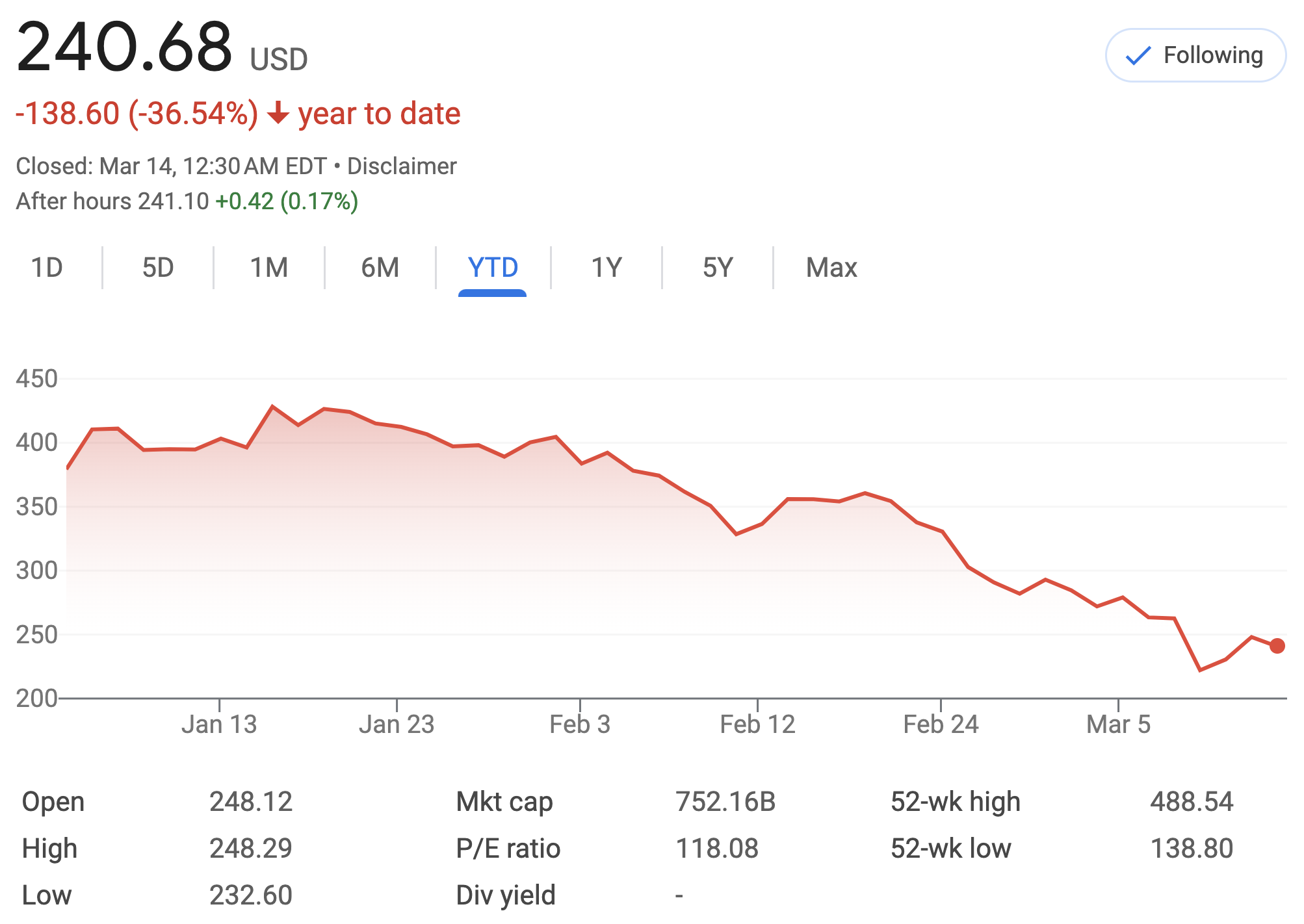
Understanding Tesla’s Stock Price Dynamics
At its core, a stock price reflects the market’s collective assessment of a company’s current value and future earnings potential. For a company like Tesla, this assessment is particularly complex due to its growth trajectory and disruptive nature.
The Basics of Stock Valuation
A company’s market capitalization, or market cap, is the total value of all its outstanding shares, calculated by multiplying the current share price by the total number of shares. Tesla’s market cap has historically fluctuated wildly, reflecting significant investor interest and, at times, speculative trading. The individual share price, therefore, is a fraction of this total value, influenced by the classic economic principles of supply and demand. High demand relative to available shares pushes the price up, while increased supply or decreased demand can pull it down.
Key Factors Influencing TSLA’s Price
Tesla’s stock price is a complex barometer, sensitive to a multitude of internal and external factors. Its valuation is constantly recalibrated by:
- Company Performance: Quarterly earnings reports, revenue figures, vehicle production and delivery numbers, and profitability metrics (like net income and earnings per share) are crucial. Growth in these areas typically boosts investor confidence.
- Macroeconomic Conditions: Broader economic trends significantly impact TSLA. Interest rates, for instance, can affect the cost of capital for growth companies and influence consumer spending on big-ticket items like cars. Inflation, economic growth forecasts, and even geopolitical events can sway market sentiment.
- Industry Trends: The acceleration of electric vehicle (EV) adoption, advancements in battery technology, the competitive landscape with both legacy automakers and new EV startups, and the global push for renewable energy all directly bear on Tesla’s perceived market position and future growth.
- Investor Sentiment and Market Speculation: Tesla is unique in its ability to generate intense market speculation. News cycles, analyst upgrades/downgrades, and particularly the public statements and actions of its CEO, Elon Musk, can trigger substantial price movements, often irrespective of underlying financial data.
Navigating Volatility: A TSLA Hallmark
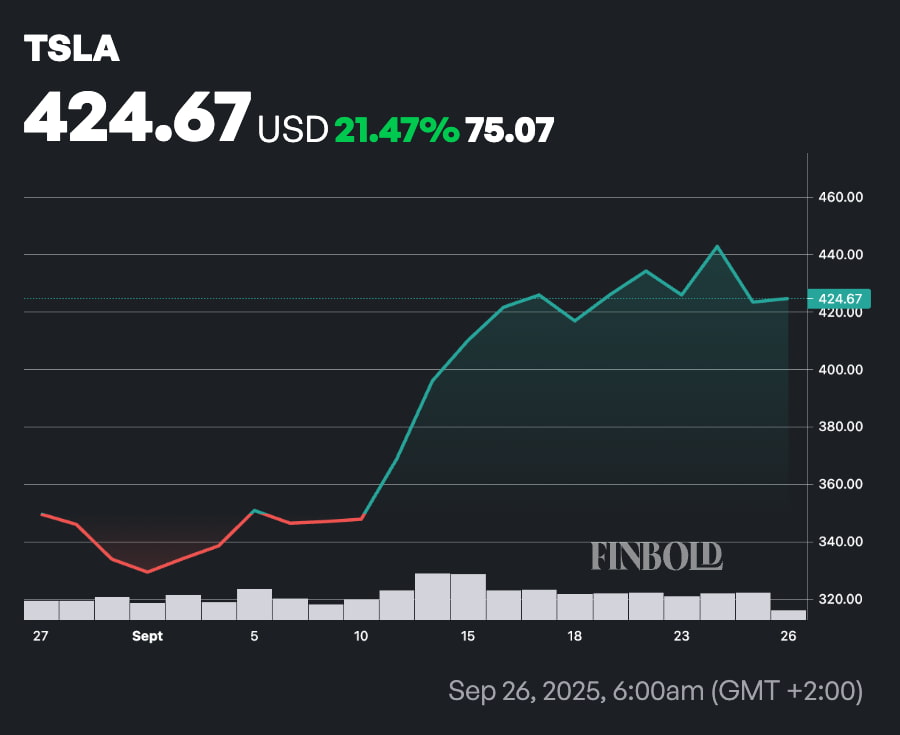
Tesla’s stock has become synonymous with volatility. Its journey from a niche automaker to a global EV and energy giant has been anything but smooth on the charts. This high volatility stems from several factors. As a “growth stock,” much of its valuation is based on future potential rather than current profits, making it susceptible to shifts in market expectations. The fervent interest from retail investors and the substantial short interest from skeptics often create dramatic tug-of-war scenarios. Furthermore, Elon Musk’s highly public persona and occasional controversial statements add another layer of unpredictability, making TSLA a stock that demands constant attention from its investors.
Fundamental Analysis: Beneath the Hood of Tesla’s Financials
To truly understand “how much is Tesla stock,” one must delve into its financial statements, applying fundamental analysis to assess its intrinsic value beyond speculative noise.
Revenue Growth and Profitability
Tesla’s primary revenue streams include automotive sales (vehicles, regulatory credits), energy generation and storage (solar panels, Powerwall batteries), and services (supercharging, maintenance). Analyzing the growth rate of these segments is vital. Investors look for consistent, strong revenue expansion as a sign of market penetration and product demand. Equally important is profitability, measured by metrics like net income and earnings per share (EPS). While Tesla historically traded at a premium with limited profits, its increasing profitability has been a critical turning point. Gross margins (revenue minus cost of goods sold) and operating margins (revenue minus operating expenses) reveal how efficiently Tesla converts sales into profit, a key indicator of its operational health and scalability.
Balance Sheet Strength and Cash Flow
A robust balance sheet is the backbone of any healthy company. For Tesla, evaluating its assets (cash, property, inventory), liabilities (debt, accounts payable), and shareholder equity provides a snapshot of its financial stability. A strong cash position indicates resilience and the ability to fund ambitious projects without excessive borrowing. Free cash flow (cash generated from operations minus capital expenditures) is particularly critical for a growth company like Tesla, as it shows the actual cash available to pay down debt, buy back shares, or reinvest in the business. Sustained positive free cash flow suggests a self-funding growth engine.
Valuation Metrics: Is TSLA Overpriced, Underpriced, or Fairly Valued?
Determining if Tesla stock is “worth” its price involves scrutinizing various valuation metrics and comparing them to industry peers or historical averages.
- P/E Ratio (Price-to-Earnings): This widely used metric compares a company’s share price to its earnings per share. Tesla’s P/E ratio has historically been exceptionally high, reflecting its high-growth status and investor expectations for future earnings. Comparing it to the automotive industry average or broader market P/E can indicate if it’s trading at a significant premium.
- PEG Ratio (Price/Earnings-to-Growth): The PEG ratio accounts for a company’s earnings growth rate, offering a more nuanced view for rapidly expanding firms. A PEG ratio around 1 is often considered fair value, while a significantly higher number might suggest overvaluation relative to its growth prospects.
- Price-to-Sales (P/S): This ratio compares the stock price to the company’s revenue per share and can be useful for companies with inconsistent or low earnings, like many high-growth tech firms.
- Enterprise Value to EBITDA (EV/EBITDA): This metric provides a broader view of valuation by including debt and cash in the calculation and comparing it to earnings before interest, taxes, depreciation, and amortization. It can be particularly insightful for capital-intensive businesses.
Investors often accept a “growth premium” for Tesla, meaning they are willing to pay more for its future potential. However, a deep dive into these metrics helps determine if that premium is justified by the underlying financial performance and future outlook.
Technical Analysis and Market Sentiment

Beyond the fundamentals, the short-to-medium term movements of “how much is Tesla stock” are often influenced by technical analysis and prevailing market sentiment.
Chart Patterns and Indicators
Technical analysis involves studying historical price and volume data to predict future price movements. For TSLA, traders often look at:
- Moving Averages: These smooth out price data over a period, helping to identify trends and potential support/resistance levels. Crossovers of different moving averages can signal bullish or bearish shifts.
- RSI (Relative Strength Index): This momentum oscillator measures the speed and change of price movements, indicating whether a stock is overbought or oversold.
- MACD (Moving Average Convergence Divergence): This trend-following momentum indicator shows the relationship between two moving averages of a stock’s price.
- Support and Resistance Levels: These are price points where a stock tends to stop falling (support) or stop rising (resistance) due to concentrated buying or selling interest.
While not predictive science, technical analysis can offer insights into market psychology and potential entry or exit points for short-term traders.
Analyst Ratings and Price Targets
Wall Street analysts regularly publish research reports on Tesla, offering their buy/hold/sell ratings and specific price targets. These targets represent an analyst’s estimate of a stock’s future value over a set period (usually 12 months). While these ratings can influence market perception, it’s important to note the wide divergence in analyst opinions on TSLA, reflecting its contentious valuation. Upgrades or downgrades from influential firms can cause immediate price reactions, but savvy investors consider the rationale behind these ratings rather than blindly following them.
The Role of Social Media and Retail Investors
Tesla is one of the few companies where the CEO’s social media activity directly and significantly impacts its stock price. Elon Musk’s tweets, ranging from production updates to market-moving statements, have often caused instantaneous shifts in TSLA’s valuation. Furthermore, a large, dedicated community of retail investors, often organized on platforms like Reddit, has shown the collective power to influence short-term price movements, particularly during periods of high short interest. This unique dynamic adds an element of social influence to TSLA’s market valuation, distinguishing it from many traditional stocks.
Investing in TSLA: Considerations for Potential Investors
For those asking “how much is Tesla stock” with an eye toward investment, it’s crucial to weigh the compelling growth potential against inherent risks.
Long-Term Growth Potential
Tesla’s investment thesis extends far beyond just selling electric cars. Its long-term potential rests on:
- Continued EV Market Leadership: Despite increasing competition, Tesla continues to innovate and expand its global manufacturing footprint (Gigafactories).
- Energy Generation & Storage: Its Powerwall, Powerpack, and Megapack solutions position it strongly in the growing renewable energy storage market.
- AI and Software Dominance: Full Self-Driving (FSD) capabilities, AI-driven robotics (Optimus), and potential future ventures offer significant growth avenues.
- Supercharging Network: Tesla’s extensive global charging infrastructure remains a key competitive advantage.
These diversification efforts and pioneering spirit suggest that Tesla could evolve into a much broader technology and energy conglomerate, justifying a premium valuation for those with a long-term horizon.
Risks and Challenges
No investment is without risk, and TSLA carries several notable ones:
- Intensifying Competition: Legacy automakers are rapidly electrifying their fleets, and new EV startups are emerging globally, threatening Tesla’s market share.
- Regulatory Hurdles and Supply Chain Issues: Global regulations, trade tensions, and disruptions in the supply chain for critical components (e.g., semiconductors, batteries) can impact production and profitability.
- Dependence on Elon Musk: While a visionary leader, Musk’s often-unpredictable behavior and involvement in multiple ventures pose a key person risk.
- Valuation Risk: If Tesla’s growth slows down or future promises fail to materialize, its high valuation could rapidly correct, leading to significant investor losses.
Portfolio Diversification and Risk Management
Given TSLA’s historical volatility and unique risk profile, it is paramount for investors to practice prudent portfolio diversification. Avoiding an overconcentration in any single stock, no matter how promising, is a cornerstone of sound financial planning. Aligning investment decisions with personal financial goals and risk tolerance is essential. For many, techniques like dollar-cost averaging (investing a fixed amount regularly) can help mitigate the impact of price volatility over time.
Conclusion
The question “how much is Tesla stock” is a gateway to a sophisticated financial analysis that encompasses fundamental strength, market sentiment, technological innovation, and visionary leadership. Tesla’s stock price is not merely a number; it’s a dynamic reflection of its revolutionary impact on multiple industries, tempered by market expectations and inherent risks. For investors, understanding TSLA requires a comprehensive perspective, looking beyond daily fluctuations to appreciate its long-term potential while acknowledging its unique challenges. Ultimately, investing in Tesla, like any high-growth company, demands thorough research, a clear understanding of one’s own financial objectives, and a willingness to navigate a dynamic and often unpredictable market landscape.
aViewFromTheCave is a participant in the Amazon Services LLC Associates Program, an affiliate advertising program designed to provide a means for sites to earn advertising fees by advertising and linking to Amazon.com. Amazon, the Amazon logo, AmazonSupply, and the AmazonSupply logo are trademarks of Amazon.com, Inc. or its affiliates. As an Amazon Associate we earn affiliate commissions from qualifying purchases.