
Navigating the landscape of tax obligations can often feel like a complex journey, with one of the most fundamental questions being: “Where exactly do I send my IRS payment?” For individuals, businesses, and organizations alike, understanding the various channels available for remitting taxes is crucial for ensuring compliance, avoiding penalties, and maintaining sound financial health. The Internal Revenue Service (IRS) offers a range of payment methods designed to accommodate different preferences and circumstances, from modern digital solutions to traditional paper-based approaches. This guide delves into each option, providing clarity and strategic insights to help you choose the method that best suits your financial situation.
The goal isn’t just to point you to a mailing address; it’s to empower you with the knowledge to make informed decisions about your tax payments, integrating seamlessly with your personal or business financial management strategy. Whether you’re making an estimated tax payment, settling your annual tax bill, or addressing a past due amount, selecting the right payment method can significantly impact convenience, security, and timeliness.
Navigating the Digital Landscape: Online Payment Methods
In an increasingly digital world, the IRS has embraced technology to streamline the tax payment process, offering several secure and convenient online options. These methods are generally preferred for their speed, accuracy, and instant confirmation, which can be invaluable for financial record-keeping.
Direct Pay: The IRS’s Free, Secure Option
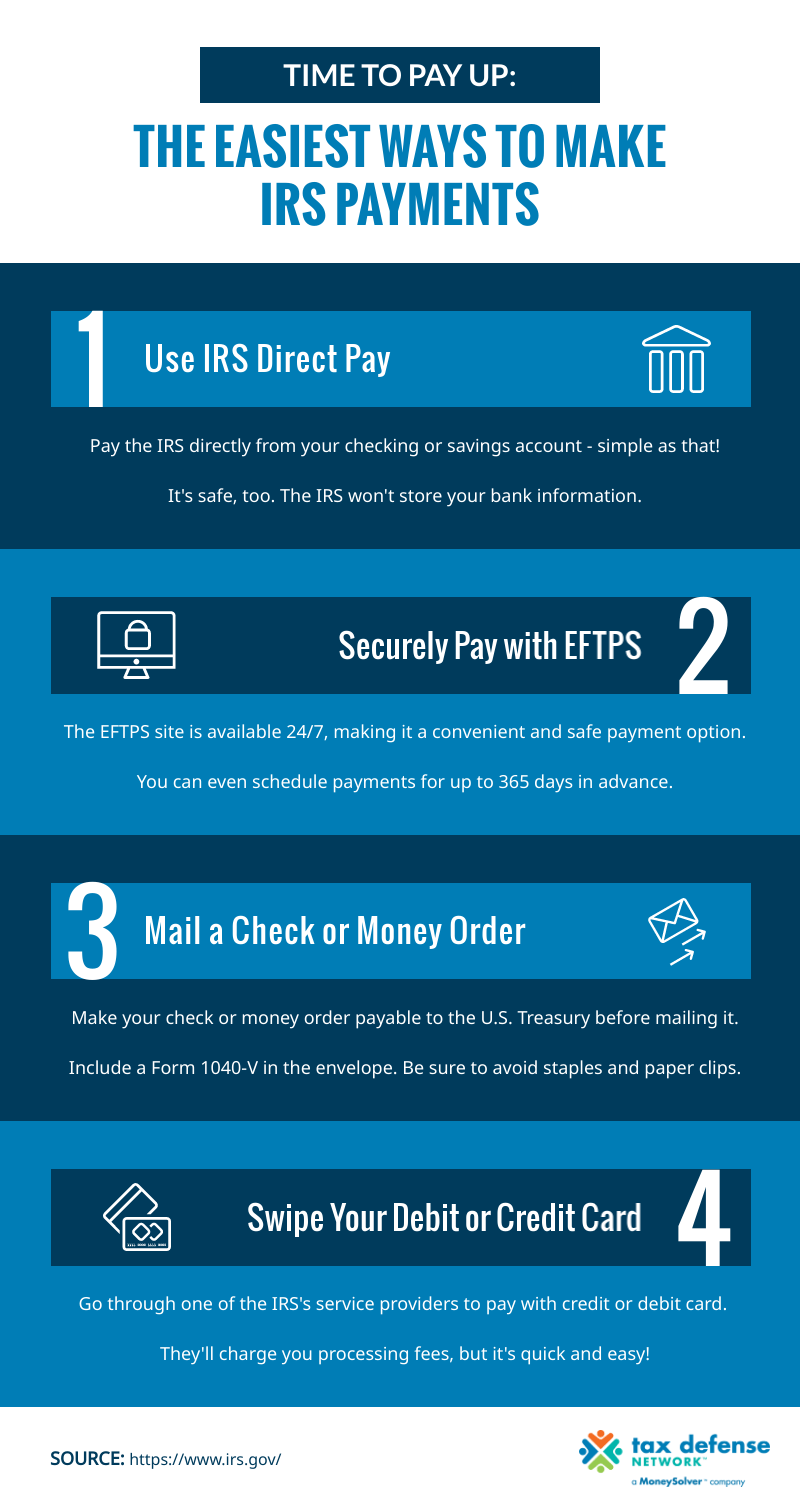
IRS Direct Pay stands out as one of the most straightforward and cost-effective ways to pay your taxes directly from your checking or savings account. This free service allows taxpayers to schedule payments up to 365 days in advance, providing flexibility and peace of mind. You can use Direct Pay for various tax forms, including Form 1040 (individual income tax), Form 940 (unemployment tax), Form 941 (employer’s quarterly federal tax), and estimated taxes.
The process is intuitive: you simply visit the IRS website, select “Direct Pay,” verify your identity using a few pieces of personal information (such as your Social Security number, date of birth, and filing status), and enter your bank account details. The system provides an immediate confirmation number, which you should save for your records. This method eliminates the need for checks, stamps, and trips to the post office, making it an excellent choice for many taxpayers.
Payment Through Your Tax Software or Tax Preparer
If you use tax preparation software (like TurboTax, H&R Block, or TaxAct) or work with a professional tax preparer, you can often initiate your payment directly through their platforms. When you e-file your return, most software programs offer an integrated option to schedule an electronic funds withdrawal (EFW) from your bank account. This is a highly convenient method as it ties your payment directly to your tax return submission, reducing the chance of errors or missed deadlines.
Similarly, if a tax professional prepares your return, they can often facilitate the electronic payment on your behalf, often through the same EFW system. This streamlines the entire filing and payment process, ensuring consistency and professional oversight. Always double-check the payment details and confirmation before finalizing the transaction.
Paying by Debit Card, Credit Card, or Digital Wallet
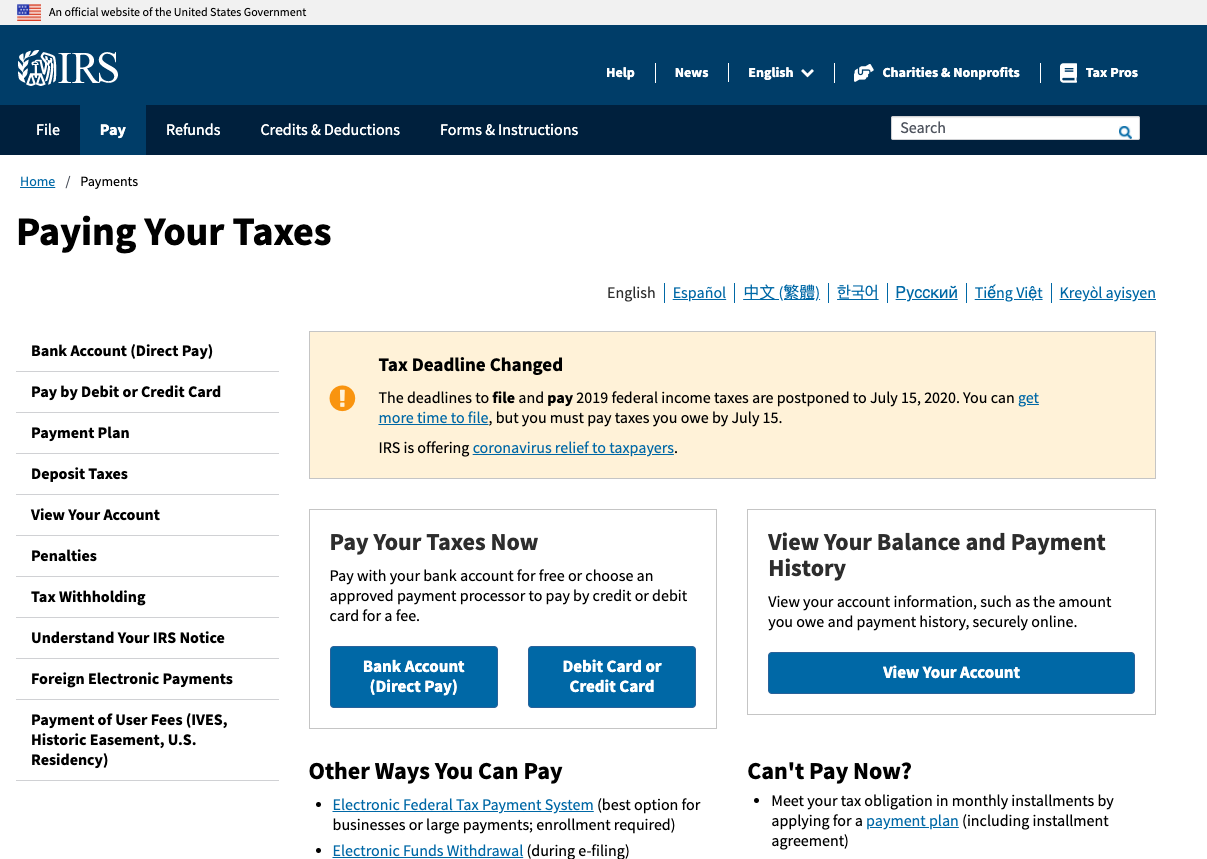
For those who prefer the flexibility and potential rewards of using a debit or credit card, the IRS partners with several third-party payment processors. While these services typically charge a small processing fee (which varies depending on the processor and card type), they offer an immediate payment confirmation and the ability to earn credit card rewards. Some taxpayers find this fee a small price to pay for the convenience, security, or the ability to manage cash flow through credit.
Digital wallets like PayPal and others are also becoming increasingly accepted through these third-party processors. When choosing this option, you’ll be redirected from the IRS website to a secure payment processor’s site to complete the transaction. It’s crucial to ensure you are using an authorized processor listed on the IRS website to protect your financial information.
EFTPS: The Electronic Federal Tax Payment System for Businesses
For businesses, especially those with larger or more frequent tax obligations, the Electronic Federal Tax Payment System (EFTPS) is a cornerstone of tax compliance. This free service, managed by the U.S. Department of the Treasury, allows individuals and businesses to make all types of federal tax payments electronically, 24/7. While Direct Pay is excellent for individuals, EFTPS offers more robust features and is specifically designed for businesses to manage payroll taxes, estimated taxes, and other federal tax liabilities.
To use EFTPS, you must first enroll and receive an EFTPS Personal Identification Number (PIN). Once enrolled, you can schedule payments up to 365 days in advance through the website or by phone using the EFTPS Voice Response System. EFTPS provides a detailed payment history and confirmation, making it an indispensable tool for business financial management and audit preparedness.
Traditional Approaches: Mail and In-Person Payments
While digital options dominate, the IRS still provides traditional methods for those who prefer physical transactions or have specific circumstances that preclude online payments. These methods, while slower, remain reliable if executed correctly.
Paying by Check or Money Order: The Paper Trail
The classic method of sending a check or money order remains a viable option. When paying by mail, it’s critical to make your check or money order payable to the “U.S. Treasury.” On the payment, clearly write your name, address, daytime phone number, Social Security number (or Employer Identification Number for businesses), the tax year, and the related tax form or notice number. This information helps the IRS accurately apply your payment.
The mailing address for your payment will depend on the type of return you’re filing and the state you live in. The IRS provides specific mailing addresses in the instructions for each tax form. Always use the correct address to avoid delays. Remember that the payment is considered timely based on the postmark date, so mail it well in advance of the deadline. Using certified mail with a return receipt can provide proof of mailing and delivery, offering an extra layer of security and record-keeping.
Cash Payments Through Retail Partners
For individuals who prefer or need to pay in cash, the IRS has partnered with various retail stores across the country to offer a secure cash payment option. This method allows you to make payments using a barcode provided by the IRS, which is then scanned at a participating retail location (e.g., 7-Eleven, Family Dollar, CVS).
To use this method, you must first register online at an approved payment processor’s website (links available on IRS.gov) to receive a payment barcode via email or text. You then take this barcode to a participating retailer, where you can make your cash payment. There may be a small fee for this service, and there are daily payment limits. You’ll receive a receipt confirming your payment, which you should retain for your records. This option is particularly useful for unbanked individuals or those dealing with cash-intensive businesses.
Electronic Funds Withdrawal During E-Filing
While technically an online method, it bears mention here for its integration with the filing process. When you e-file your federal tax return, you can authorize an electronic funds withdrawal (EFW) from your bank account to cover any taxes due. This is a one-time direct debit initiated by the IRS on a specific date you designate (up to the filing deadline). It’s a convenient and secure way to pay, as your payment details are submitted simultaneously with your return, minimizing the risk of errors or forgotten payments. This method is often preferred for annual tax payments associated with Form 1040.
Understanding Payment Deadlines and Penalties
Knowing where to send your payment is only half the battle; understanding when to send it is equally critical for effective financial planning and compliance.
Key Deadlines and Extensions
The primary federal tax deadline for most individual income tax returns (Form 1040) is typically April 15th each year (or the next business day if April 15th falls on a weekend or holiday). However, various other deadlines apply throughout the year for estimated tax payments, business tax returns, and payroll taxes. It’s essential to consult IRS Publication 509, “Tax Calendars,” or the specific form instructions for all relevant dates.
If you cannot file your return by the deadline, you can typically request an extension, usually Form 4868 for individuals. While an extension grants you more time to file your return, it does not extend the time to pay any taxes due. You must still pay your estimated tax liability by the original deadline to avoid penalties and interest.
Avoiding Late Payment Penalties and Interest
Failure to pay your taxes by the due date can result in penalties and interest charges. The penalty for failure to pay is typically 0.5% of the unpaid taxes for each month or part of a month that taxes remain unpaid, up to a maximum of 25% of your unpaid tax bill. Additionally, interest is charged on underpayments, which can compound over time.
Strategic financial planning involves estimating your tax liability accurately throughout the year and making timely payments, particularly through estimated taxes for those with income not subject to withholding. If you find yourself unable to pay, it’s better to file your return on time and explore payment options with the IRS rather than ignoring the problem.
Estimated Tax Payments: Staying Ahead of the Curve
Many taxpayers, including self-employed individuals, retirees, and those with significant investment income, are required to pay estimated taxes quarterly throughout the year. This ensures that tax liability is met as income is earned, preventing a large tax bill and potential underpayment penalties at year-end. The payment methods discussed above (Direct Pay, EFTPS, mail) are all suitable for estimated tax payments. Financial discipline in making these quarterly payments is a cornerstone of responsible personal and business finance.
Special Circumstances and Considerations
Life can throw unexpected curveballs, making it difficult to meet tax obligations. The IRS recognizes this and offers programs for taxpayers facing financial hardship.
Installment Agreements: When You Can’t Pay in Full
If you owe taxes but cannot pay the full amount by the due date, you may be eligible for an IRS installment agreement. This allows you to make monthly payments over an extended period (typically up to 72 months). While interest and penalties still apply, entering an agreement can prevent further enforcement actions like levies or liens. You can apply for an installment agreement online, by mail, or by phone. It’s a crucial financial tool for managing tax debt responsibly without defaulting.
Offers in Compromise: Settling Your Tax Debt
An Offer in Compromise (OIC) allows certain taxpayers to settle their tax debt with the IRS for a lower amount than what they originally owe. The IRS considers an OIC when there’s doubt about the taxpayer’s ability to pay the full amount, doubt about the amount of tax owed, or when collecting the full amount would create economic hardship. This is a complex process and typically requires a detailed financial analysis, but it can provide a fresh start for those facing severe financial distress due to tax debt. Seeking professional financial or tax advice is highly recommended when considering an OIC.
Payments for Prior Year Taxes and Amended Returns
The methods discussed above generally apply to current and prior year tax payments. If you need to pay for a prior tax year or are submitting an amended return (Form 1040-X), the same payment options are available. When mailing a payment for a prior year, ensure you clearly indicate the tax year on your check or money order and on any accompanying payment voucher. For amended returns, if additional tax is due, you should submit the payment with the amended return or through one of the electronic methods, carefully indicating that it’s for an amended filing.
Best Practices for Secure and Timely Payments
Beyond knowing the “where,” adopting best practices ensures your payments are processed smoothly and your financial integrity is maintained.
Verifying IRS Communication and Avoiding Scams
Unfortunately, tax season is also prime time for scammers. The IRS will never demand immediate payment through specific methods like gift cards, wire transfers, or cryptocurrency, nor will they threaten immediate arrest. Always verify the legitimacy of any communication demanding payment. Use only official IRS channels (IRS.gov) for making payments or obtaining payment instructions. If in doubt, contact the IRS directly using the official phone numbers listed on their website, not numbers provided in suspicious communications.
Keeping Meticulous Records
Regardless of the payment method you choose, maintaining meticulous records is paramount. Save all confirmation numbers, bank statements showing debits, copies of checks, and receipts. For mailed payments, consider using certified mail. These records serve as your proof of payment and are invaluable in case of any discrepancies or audits. Good financial record-keeping is not just a best practice; it’s a fundamental aspect of responsible tax management.

Seeking Professional Guidance
The complexity of tax laws and payment options can sometimes be overwhelming. If you have unique financial circumstances, a substantial tax liability, or simply feel unsure about the best payment strategy, consider consulting with a qualified tax professional or financial advisor. They can provide personalized advice, help you navigate complex situations, and ensure you’re utilizing the most advantageous and compliant payment methods for your specific needs. Their expertise can offer significant peace of mind and help optimize your financial outcomes.
In conclusion, successfully navigating “where to send your IRS payment” involves more than just picking a method; it requires understanding the implications of each choice on your financial security, convenience, and compliance. By leveraging the diverse array of payment options available, from cutting-edge digital platforms to time-tested traditional routes, you can fulfill your tax obligations efficiently and confidently, contributing to your overall financial well-being.
aViewFromTheCave is a participant in the Amazon Services LLC Associates Program, an affiliate advertising program designed to provide a means for sites to earn advertising fees by advertising and linking to Amazon.com. Amazon, the Amazon logo, AmazonSupply, and the AmazonSupply logo are trademarks of Amazon.com, Inc. or its affiliates. As an Amazon Associate we earn affiliate commissions from qualifying purchases.