
The allure of the stock market has captivated individuals for centuries, offering a gateway to wealth creation, corporate ownership, and economic participation. However, transitioning from a curious observer to a proficient trader requires more than just capital; it demands a disciplined approach, a deep understanding of market mechanics, and a robust psychological framework. Trading stocks is not a “get rich quick” scheme, but rather a sophisticated craft that rewards those who treat it with the seriousness of a professional business. This guide explores the essential pillars of stock trading, from foundational setups to advanced analytical strategies.
Establishing a Strong Financial Foundation
Before placing your first trade, it is imperative to build a structural foundation that protects your capital and aligns with your financial goals. Success in the equity markets is as much about preparation as it is about execution.
Choosing the Right Brokerage Platform
Your choice of a brokerage is your primary interface with the global markets. In the modern era, the barrier to entry has never been lower, with many platforms offering zero-commission trades. However, low cost should not be the only factor. A professional trader looks for a platform that provides high-speed execution, robust research tools, real-time data feeds, and reliable customer support. Whether you choose a legacy firm or a modern fintech app, ensure the platform is regulated by major financial authorities, such as the SEC or FINRA, to guarantee the safety of your funds.
Determining Your Risk Tolerance and Capital Allocation
One of the most common mistakes beginners make is trading with money they cannot afford to lose. Before entering the market, you must establish a “trading bankroll”—capital separate from your emergency fund or living expenses. Furthermore, you must define your risk tolerance. Are you a conservative investor looking for steady dividends, or are you a high-growth trader willing to endure significant volatility for the chance of outsized returns? Understanding your emotional reaction to price swings is critical to preventing panic-driven decisions.
Understanding Market Participants and Order Types
To trade effectively, you must understand who you are trading against. The market is a mosaic of retail investors, institutional hedge funds, high-frequency algorithms, and market makers. Each participant influences price action differently. Additionally, mastering the “mechanics” of a trade is vital. You should know the difference between a Market Order (buying at the current price), a Limit Order (buying only at a specific price or better), and a Stop-Loss Order (automatically selling to prevent further losses). These tools are your first line of defense in managing risk.
Mastering Market Analysis: Fundamentals vs. Technicals
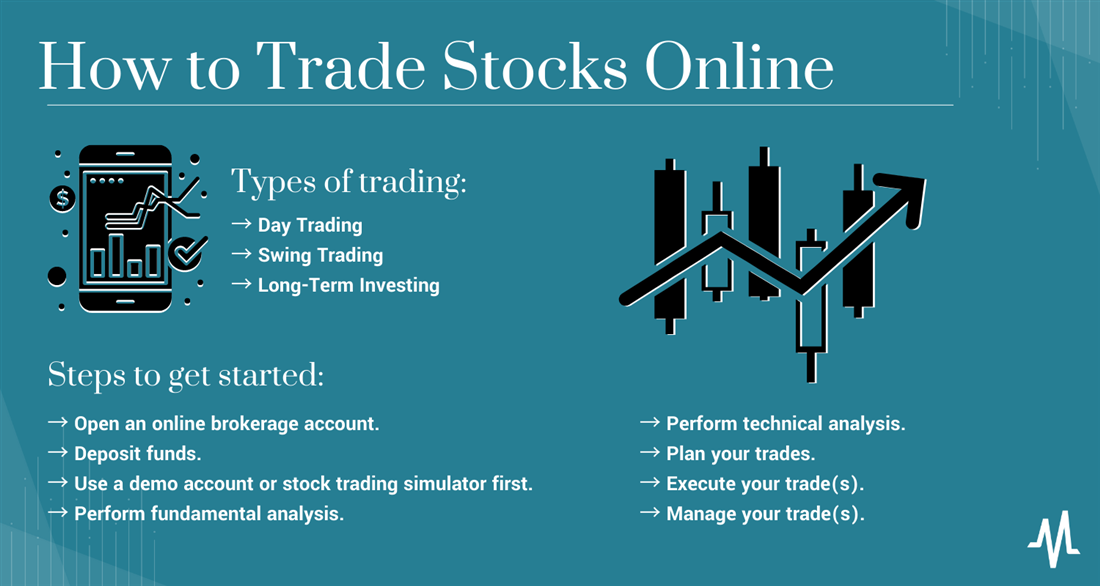
To decide which stocks to buy and when to buy them, traders generally rely on two primary schools of thought: fundamental analysis and technical analysis. While some traders specialize in one, the most successful often use a “blended” approach to gain a holistic view of the market.
The Power of Fundamental Analysis
Fundamental analysis is the study of a company’s intrinsic value. It involves diving deep into financial statements—the balance sheet, the income statement, and the cash flow statement. Key metrics to monitor include the Price-to-Earnings (P/E) ratio, Earnings Per Share (EPS), and Return on Equity (ROE). Beyond the numbers, fundamental analysis looks at qualitative factors such as the strength of the management team, the company’s “moat” (competitive advantage), and the overall health of the industry. This approach is essential for identifying high-quality companies that are undervalued by the market.
Charting the Path with Technical Analysis
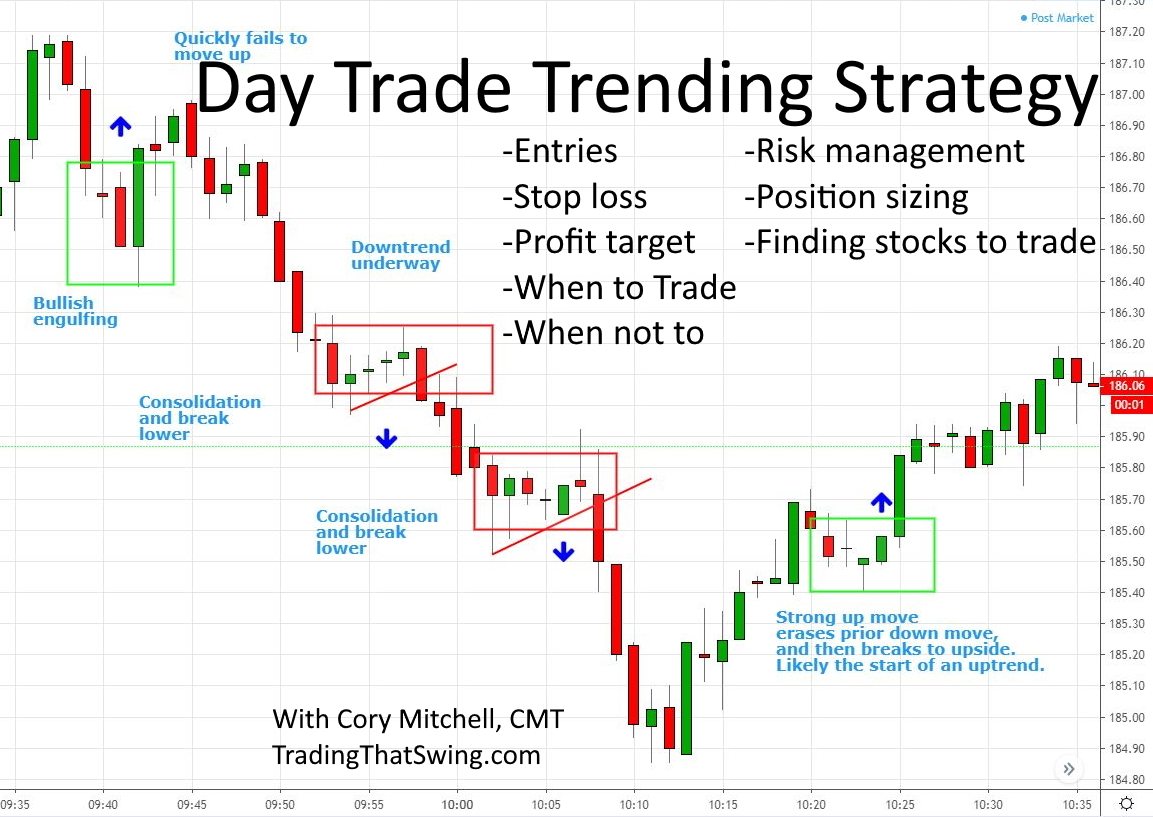
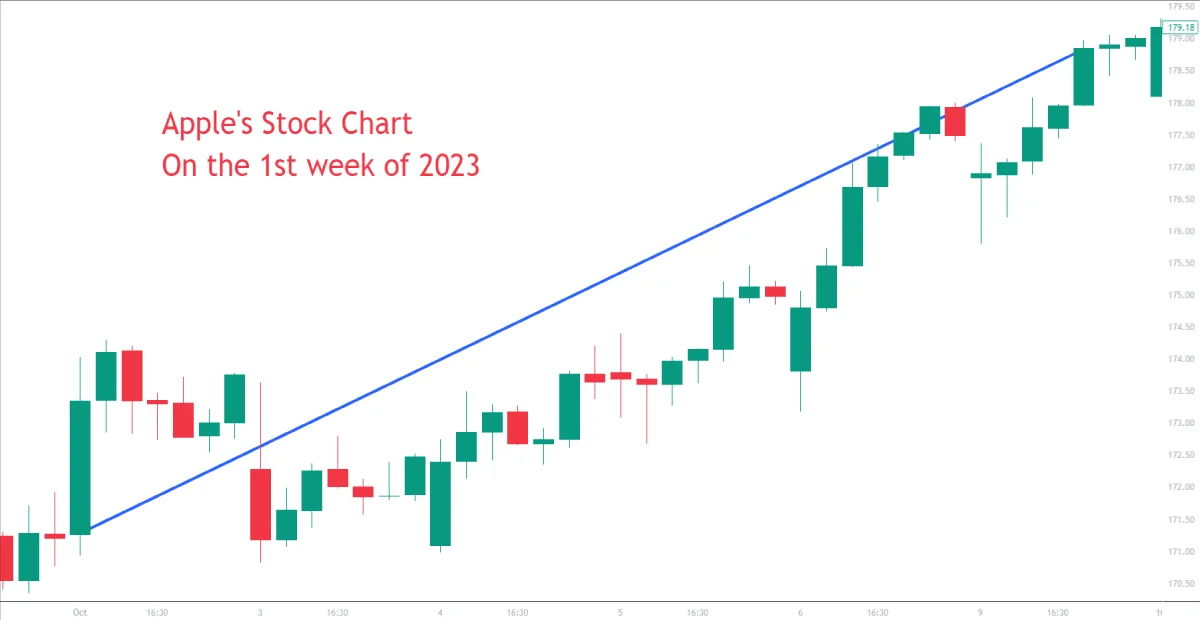
While fundamentals tell you what to buy, technical analysis helps you determine when to buy. This discipline involves studying historical price charts and volume data to identify patterns and trends. Technical traders use indicators such as Moving Averages (which smooth out price action), the Relative Strength Index (RSI) to identify overbought or oversold conditions, and Candlestick patterns to gauge market sentiment. By recognizing support levels (where price tends to stop falling) and resistance levels (where price tends to stop rising), traders can enter positions with higher statistical probabilities of success.
The Role of Macroeconomics in Trading
Individual stocks do not move in a vacuum; they are heavily influenced by the broader economic environment. Interest rates set by central banks, inflation data, and geopolitical events can shift entire sectors in an instant. For example, rising interest rates often put pressure on growth-oriented tech stocks while benefiting financial institutions. A successful trader stays informed about the “macro” picture, as the overall market trend—the “tide”—often lifts or sinks all boats regardless of individual company strength.
Executing a Disciplined Trading Strategy
Once you have analyzed a potential trade, the focus shifts to execution and portfolio management. A trade is not just a single event; it is a process that includes entry, holding, and exit.
Developing a Repeatable Trading Plan
Consistency is the hallmark of a professional. A trading plan acts as a constitution for your financial activities. It should clearly define your entry triggers, your target profit taking points, and your “uncle point”—the price at which you admit you were wrong and exit the trade. By having a written plan, you remove the element of “gut feeling,” which is often a disguise for emotional impulse. If a trade does not meet your predefined criteria, you simply do not take it.
The Importance of Portfolio Diversification
“Don’t put all your eggs in one basket” is the oldest adage in finance for a reason. Diversification is the only “free lunch” in investing, allowing you to reduce unsystematic risk. By spreading your capital across different sectors (e.g., healthcare, energy, technology) and different asset classes (e.g., large-cap stocks, ETFs, or bonds), you ensure that a single company’s failure does not derail your entire financial future. A well-diversified portfolio provides smoother returns over time, making it easier to stick to your long-term strategy.
Position Sizing and Risk-Reward Ratios
Risk management is the most critical aspect of stock trading. Professional traders rarely risk more than 1% to 2% of their total account value on a single trade. This is managed through “position sizing.” If you have a $10,000 account, a 1% risk means you should only lose $100 if the trade goes against you. Additionally, you should seek a favorable risk-reward ratio, such as 1:3. This means that for every $1 you risk, you have the potential to make $3. With this ratio, you can be wrong more than half the time and still remain profitable in the long run.
The Psychology of Trading and Long-Term Success
In the world of money, your greatest enemy is often yourself. The stock market is a psychological arena where fear and greed drive price action, and the ability to control your emotions is what separates the winners from the losers.
Overcoming Common Emotional Biases
Human beings are biologically hardwired to make poor trading decisions. We suffer from Loss Aversion, where the pain of losing money is twice as powerful as the joy of gaining it, often leading us to hold onto losing stocks for too long in hopes they will “break even.” We also fall victim to FOMO (Fear Of Missing Out), chasing stocks after they have already rallied significantly. Recognizing these biases is the first step toward neutralizing them. Successful traders maintain a neutral, almost stoic, emotional state regardless of whether they just had a winning or losing day.
The Necessity of a Trading Journal
To improve, you must measure your performance. Keeping a detailed trading journal is a non-negotiable habit for serious traders. Record the ticker symbol, the reason for entry, the emotional state you were in, the outcome, and what you learned. Over months and years, this journal becomes a data-rich document that reveals your strengths and exposes your recurring mistakes. It allows you to refine your edge and treat trading as a data-driven evolution rather than a series of random guesses.
Commitment to Continuous Education
The financial markets are dynamic and ever-evolving. New technologies, changing regulations, and shifting global dynamics mean that what worked yesterday might not work tomorrow. To stay competitive, you must commit to being a lifelong student. Read books by legendary investors, follow reputable financial news outlets, and stay updated on technological advancements in the trading space. The moment you believe you have “figured out” the market is often the moment the market humbles you.
In conclusion, trading stocks is a journey that combines analytical rigor, strategic planning, and deep self-awareness. By establishing a solid foundation, mastering both fundamental and technical analysis, and adhering to strict risk management protocols, you can navigate the complexities of the market with confidence. While the path to profitability requires patience and resilience, the rewards of financial independence and market mastery are well worth the effort. Treat every trade as a lesson, every loss as an investment in your education, and every win as a validation of your discipline.
aViewFromTheCave is a participant in the Amazon Services LLC Associates Program, an affiliate advertising program designed to provide a means for sites to earn advertising fees by advertising and linking to Amazon.com. Amazon, the Amazon logo, AmazonSupply, and the AmazonSupply logo are trademarks of Amazon.com, Inc. or its affiliates. As an Amazon Associate we earn affiliate commissions from qualifying purchases.