
Navigating the complexities of tax season can be daunting, and for many, a lingering question often arises: “Do I owe the IRS?” The thought of an outstanding tax debt can cause significant anxiety, and rightly so, as unpaid taxes can lead to penalties, interest, and even more serious consequences. However, the good news is that understanding your tax obligations and proactively verifying your status with the Internal Revenue Service is a straightforward process when you know where to look. This comprehensive guide will illuminate the various avenues available to determine if you owe the IRS, equipping you with the knowledge and tools to manage your tax affairs with confidence and peace of mind.
Being proactive about your tax situation isn’t just about avoiding penalties; it’s a fundamental aspect of sound personal finance. Ignoring potential liabilities won’t make them disappear. Instead, it can escalate interest and penalties, making the eventual resolution more burdensome. By taking the initiative to regularly check your standing, you maintain control over your financial health and prevent unwelcome surprises. This article, firmly rooted in the “Money” category, will focus exclusively on the financial aspects of tax verification and resolution.
Decoding Your Tax Liabilities: The Foundation
Before diving into specific methods of checking with the IRS, it’s crucial to understand the common scenarios that can lead to a tax debt. Identifying the root cause can often provide an early indication of a potential liability and guide your verification process.
Core Reasons for Owing
Several situations can result in you owing the IRS. The most frequent culprits include:
- Under-withholding from Paychecks: If you don’t have enough federal income tax withheld from your salary throughout the year, as determined by your Form W-4, you’ll owe the difference at tax time. This is a very common reason, especially if you’ve changed jobs, had a pay raise, or not updated your W-4 after life events like marriage or having children.
- Estimated Tax Shortfalls: For self-employed individuals, freelancers, gig workers, or those with significant income not subject to withholding (like interest, dividends, capital gains, or rental income), estimated taxes must be paid quarterly. If these payments are insufficient, a balance will be due.
- Unexpected Income or Gains: A sudden windfall, such as a large bonus, the sale of assets (like stocks or property), or even gambling winnings, can push you into a higher tax bracket or generate taxable income that wasn’t adequately covered by prior withholdings or estimated payments.
- Calculation Errors on Your Return: While tax software and professionals minimize these, human error in manual calculations or overlooking certain income or deduction rules can lead to an incorrect assessment, resulting in an underpayment.
- Non-filing or Late Filing: Even if you don’t think you owe, failing to file a tax return by the deadline can trigger a failure-to-file penalty. If you do owe and don’t file, you’ll incur both failure-to-file and failure-to-pay penalties, plus interest.
The Power of Accurate Records
Maintaining meticulous financial records is the bedrock of accurate tax preparation and, consequently, understanding your tax obligations. Without proper documentation, it’s incredibly difficult to ascertain your true tax picture. Key documents you should always keep organized include:
- Income Statements: W-2 forms from employers, 1099 forms (1099-NEC for non-employee compensation, 1099-INT for interest, 1099-DIV for dividends, 1099-B for stock sales, etc.), and Schedule K-1 for partnership/S-corp income.
- Deduction and Credit Documentation: Receipts for eligible business expenses, medical expenses, charitable contributions, student loan interest statements (Form 1098-E), mortgage interest statements (Form 1098), and education expense forms (Form 1098-T).
- Prior Year Tax Returns: These provide a valuable historical record and can help identify consistent patterns or changes in your income and deductions.
- Proof of Payments: Records of any estimated tax payments made throughout the year, as well as any prior payments towards a tax liability.
Having these records readily accessible not only helps you prepare an accurate return but also allows you to quickly verify information if you receive correspondence from the IRS or need to check your account status.
Official IRS Resources for Verification
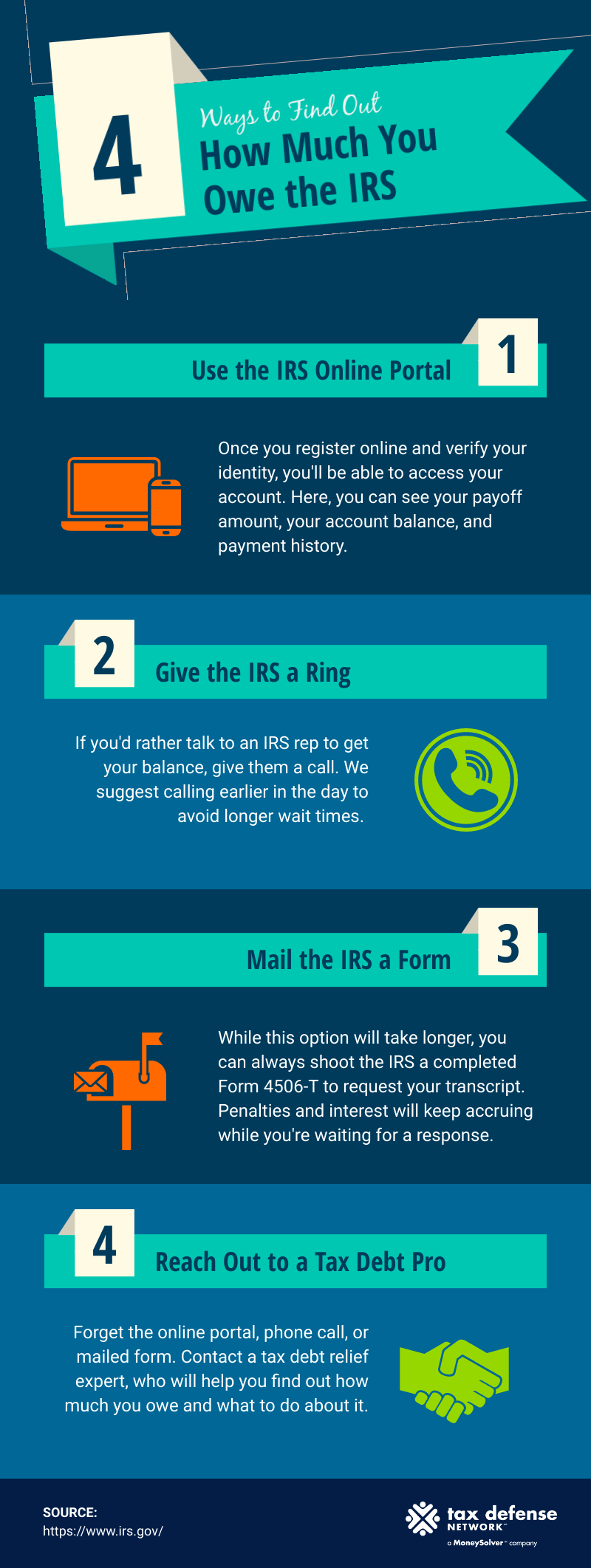
The most authoritative way to determine if you owe the IRS is to go directly to the source. The IRS provides several official channels designed to help taxpayers check their account status, view balances, and understand any outstanding liabilities.
Leveraging Your IRS Online Account
The IRS Online Account is arguably the most powerful and convenient tool for taxpayers. It provides a comprehensive, secure digital portal to access a wealth of personal tax information.
To set up an account, you’ll need to verify your identity, which typically involves providing personal details and answering security questions based on credit bureau data. Once set up, you can:
- View Your Balance Due: See the total amount you owe, including tax, penalties, and interest.
- Access Tax Records: View tax transcripts for the current and prior years. These transcripts provide a summary of your tax return information, wage and income data, and account balances.
- Review Payment History: See all your past tax payments, ensuring they were correctly applied.
- View Payment Plan Details: If you have an existing installment agreement, you can view the details and your payment history.
- Make Payments: Directly pay your taxes online.
Regularly checking your IRS Online Account is an excellent proactive measure, especially after filing your return or if you suspect an issue.
Interpreting IRS Notices and Letters
The IRS primarily communicates with taxpayers through mail. Ignoring official correspondence from the IRS is one of the biggest financial mistakes you can make. These letters are critical and often indicate a specific issue regarding your tax account.
Common types of notices that might indicate you owe money include:
- CP Notices: These generally relate to discrepancies found during processing, underpayments, or changes to your account. For example, a CP14 notice is typically a balance due reminder.
- LTR Notices: These are more general letters that might inform you of a proposed change to your return, a penalty assessment, or an audit initiation.
- Notices of Deficiency: These are more serious, informing you of a proposed increase in your tax liability after an audit and giving you the right to appeal.
Always read IRS letters carefully. They will explain the issue, the amount owed (if any), and provide instructions on how to respond or what actions to take. If you don’t understand a letter, do not hesitate to seek professional advice.
Direct Communication with the IRS
While online tools are convenient, sometimes direct communication with the IRS is necessary, especially for complex issues or if you can’t access your online account.

- IRS Phone Numbers: The IRS offers various phone lines for different types of inquiries. For general account inquiries, you can call their toll-free number. Be prepared for potentially long wait times, especially during peak tax season.
- What to Have Ready: When calling, have your Social Security Number, date of birth, address, and your most recent tax return handy. The IRS agent will ask verification questions to confirm your identity.
- In-Person Assistance: The IRS Taxpayer Assistance Centers (TACs) offer face-to-face help. Services are by appointment only. This can be beneficial for complex issues or if you need help understanding specific notices.
- Taxpayer Advocate Service: If you’re experiencing significant financial hardship due to an IRS issue, or if you’ve tried to resolve a tax problem through normal channels and haven’t succeeded, the Taxpayer Advocate Service (TAS) can help. It’s an independent organization within the IRS that helps taxpayers resolve problems.
Self-Assessment: Reviewing Your Own Financial Data
Beyond official IRS channels, you can also perform a preliminary self-assessment using your own financial records and the tax return you filed (or plan to file). This can help you anticipate potential liabilities.
Reconciling Your Tax Return
After you’ve filed your Form 1040, take the time to compare your tax liability (Line 24 for 2023 tax year returns, “Total Tax”) with the total federal income tax withheld from your wages (W-2 Box 2 amounts) and any estimated payments you made.
- If your “Total Tax” is higher than your total payments and withholdings, you likely owe the difference.
- If your total payments and withholdings are higher than your “Total Tax,” you are due a refund.
This reconciliation is a critical step that many people overlook, but it’s essential for understanding the outcome of your tax filing. For those who make estimated tax payments, ensure you have a record of all four quarterly payments and that they cover your annual tax obligation.
Proactive Tax Planning and Software
Many tax preparation software programs (like TurboTax, H&R Block, TaxAct) offer features that estimate your tax liability throughout the year or as you enter your data. These tools can provide real-time feedback on whether you’re likely to owe or receive a refund.
- During the Year: Adjusting your W-4 based on life changes or estimated tax payment calculations can prevent a surprise bill at year-end. Many online tax calculators can help with this.
- During Preparation: Tax software will alert you if you have a balance due before you even hit the “file” button. This gives you time to review your entries, look for missed deductions or credits, or simply mentally prepare for the payment.
- Professional Assistance: A tax professional (CPA, EA, or tax attorney) can prepare your return, ensuring accuracy and identifying any potential liabilities well in advance. They can also provide tax planning advice to minimize future tax debts.
Navigating an IRS Debt: Your Action Plan
Discovering you owe the IRS can be unsettling, but it’s important to act calmly and strategically. There are established procedures and options for resolving tax debts.
Understanding Penalties and Interest
The IRS charges penalties for various reasons, with the most common being:
- Failure to File Penalty: 5% of the unpaid taxes for each month or part of a month that a tax return is late, capped at 25% of your unpaid taxes.
- Failure to Pay Penalty: 0.5% of the unpaid taxes for each month or part of a month that taxes remain unpaid, capped at 25% of your unpaid taxes.
- Interest: Interest is charged on underpayments, including any penalties, from the due date of the tax until it’s paid in full. The interest rate is adjusted quarterly.
These penalties and interest can significantly increase your total debt over time, underscoring the importance of addressing any tax liability promptly.
IRS Payment Solutions
If you owe the IRS and cannot pay the full amount immediately, several options are available:
- Full Payment: The simplest solution, if affordable. You can pay online, by phone, or by mail.
- Short-Term Payment Plan: You may be granted up to 180 days to pay your tax liability in full, although interest and penalties still apply.
- Installment Agreement (IA): This allows you to make monthly payments for up to 72 months. You’ll still incur interest and penalties, but they may be reduced. You can often set this up online if your combined tax, penalties, and interest are below certain thresholds ($50,000 for individuals).
- Offer in Compromise (OIC): An OIC allows certain taxpayers to resolve their tax liability with the IRS for a lower amount than what they originally owe. The IRS considers your ability to pay, income, expenses, and asset equity. An OIC is typically granted when there’s genuine doubt about your ability to pay the full amount or when collecting the full amount would cause economic hardship. This is a complex process.
- Currently Not Collectible (CNC): If you are experiencing severe financial hardship, the IRS may temporarily delay collection until your financial condition improves. This is not a forgiveness of debt, and interest and penalties continue to accrue.
When to Seek Professional Tax Help
For complex tax situations, significant debts, or if you’re unsure how to proceed, consulting a tax professional is highly advisable.
- Enrolled Agent (EA): Federally authorized tax practitioners who can represent taxpayers before the IRS in all matters, including audits, collections, and appeals.
- Certified Public Accountant (CPA): Licensed accountants who can prepare tax returns, offer tax planning advice, and represent clients before the IRS.
- Tax Attorney: Lawyers specializing in tax law, particularly useful for complex legal matters, significant disputes, or when an OIC is being considered.
These professionals can help you understand your options, negotiate with the IRS, prepare necessary forms, and ensure you comply with all regulations. Their expertise can save you money, time, and stress in the long run.

Conclusion
Knowing your current tax standing with the IRS is a crucial component of sound financial management. Whether you’re a seasoned taxpayer or new to navigating the intricacies of federal income tax, the tools and resources are available to help you ascertain if you owe the IRS. By diligently maintaining records, leveraging official IRS online services, interpreting correspondence, and performing self-assessments, you empower yourself to proactively manage your tax obligations.
Should you discover a tax debt, remember that avenues for resolution exist. From understanding penalties and interest to exploring various payment plans or seeking professional guidance, a clear action plan can alleviate stress and lead to a favorable outcome. Embrace financial vigilance; it’s the key to maintaining peace of mind and ensuring your financial well-being in the complex world of personal finance.
aViewFromTheCave is a participant in the Amazon Services LLC Associates Program, an affiliate advertising program designed to provide a means for sites to earn advertising fees by advertising and linking to Amazon.com. Amazon, the Amazon logo, AmazonSupply, and the AmazonSupply logo are trademarks of Amazon.com, Inc. or its affiliates. As an Amazon Associate we earn affiliate commissions from qualifying purchases.