
In today’s economy, accepting credit card payments is not merely a convenience but a financial necessity for small businesses. Consumers increasingly rely on plastic and digital wallets, expecting the flexibility to pay with their preferred method. For a small business, offering this option can significantly impact revenue, cash flow, and overall financial health. Understanding the various mechanisms and their financial implications is crucial for making an informed decision that supports sustainable growth.
The Financial Imperative: Why Accept Credit Cards?
For any small business owner, the decision to accept credit cards is fundamentally a financial one, driven by multiple strategic advantages that directly impact profitability and operational efficiency.
Expanding Customer Reach and Sales
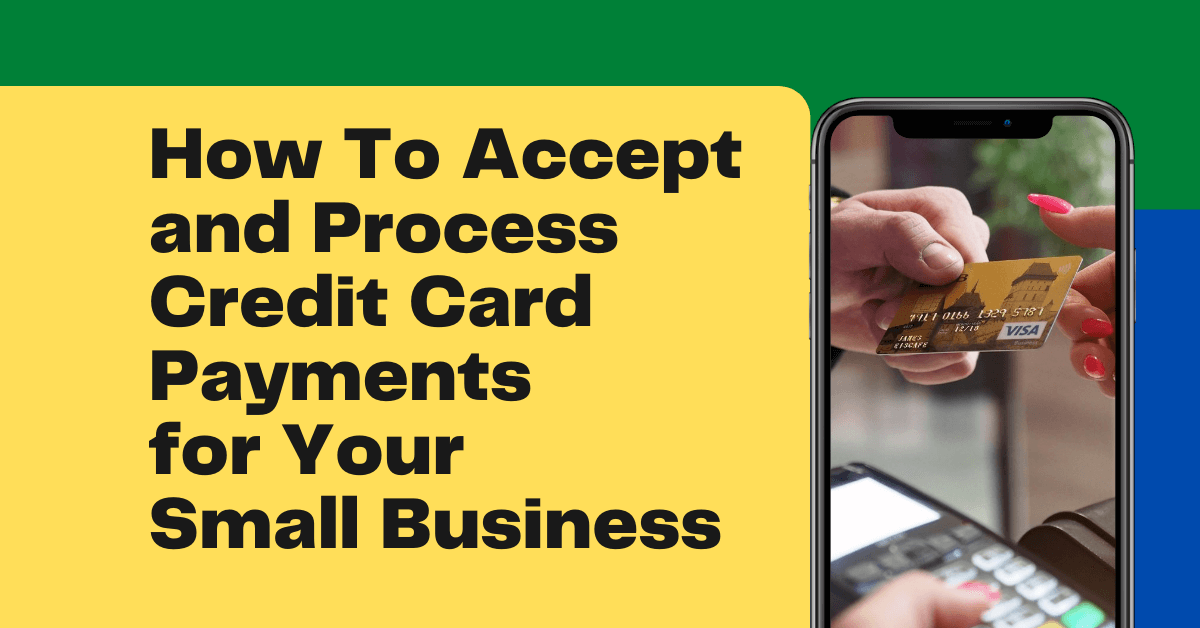
One of the most immediate financial benefits is the potential to increase sales. Many customers prefer, or even exclusively use, credit and debit cards for transactions. By not accepting them, a business effectively turns away a segment of the market, losing potential revenue. Data consistently shows that businesses that accept cards generally see higher transaction values and overall sales volumes compared to cash-only establishments. This is partly because customers are not limited by the cash they have on hand, encouraging larger purchases.
Improving Cash Flow and Record Keeping
Credit card transactions typically settle within 1-3 business days, providing a predictable and often faster influx of funds compared to waiting for checks to clear or managing large amounts of physical cash. This improved cash flow can be vital for covering operational expenses, managing inventory, and reinvesting in the business. Furthermore, every credit card transaction generates a digital record. This automated record-keeping simplifies financial reconciliation, reduces human error, and streamlines accounting processes, saving valuable time and potentially reducing costs associated with manual bookkeeping. These digital trails are invaluable for tax purposes, audits, and analyzing sales trends to make smarter financial decisions.
Professionalism and Competitive Edge
From a financial perspective, accepting credit cards projects an image of modernity and professionalism. It signals to customers that the business is established, reliable, and equipped to handle modern financial transactions. In a competitive market, this can be a distinguishing factor. Businesses that offer diverse payment options are often perceived as more customer-centric, fostering trust and loyalty, which can translate into repeat business and stronger long-term financial performance. Conversely, a cash-only policy can make a business appear outdated or inconvenient, potentially driving customers to competitors.
Decoding Payment Processing Systems for Small Business Finance
To effectively accept credit card payments, small businesses must navigate a landscape of payment processing solutions, each designed for different operational needs and financial models. Understanding these categories is key to selecting a system that aligns with your business type and financial goals.
Point-of-Sale (POS) Systems: Retail and Restaurant Focus
POS systems are comprehensive solutions typically found in physical retail stores, restaurants, and service-based businesses with a physical storefront. They consist of both hardware (card readers, receipt printers, cash drawers, touchscreens) and software. Beyond processing credit card payments, modern POS systems often integrate a suite of financial management tools: inventory management, sales tracking, employee management, customer relationship management (CRM), and detailed financial reporting. For a small business, a robust POS system centralizes financial operations, providing a holistic view of sales, stock levels, and customer data, which can be invaluable for financial forecasting and operational efficiency. Key players include Square POS, Toast, Shopify POS, and Clover.
Mobile Payment Processors: On-the-Go Transactions
Mobile payment processors are ideal for businesses that operate outside a traditional storefront—think food trucks, pop-up shops, home service providers, or artisans at craft fairs. These solutions typically involve a small, portable card reader that connects wirelessly (via Bluetooth or headphone jack) to a smartphone or tablet. The associated app processes transactions, often allowing for itemized sales, digital receipts, and basic financial tracking. Their low upfront cost and flexibility make them an attractive entry point for small businesses with mobile operations. Examples include Square Reader, PayPal Here, and Zettle by PayPal. While offering basic financial reporting, they may lack the extensive features of full POS systems.
Online Payment Gateways: E-commerce and Remote Sales
For small businesses conducting sales online, an online payment gateway is essential. This is a secure service that authorizes credit card payments for e-commerce websites and other online platforms. When a customer enters their credit card details on a website, the payment gateway encrypts the information and transmits it to the payment processor, which then communicates with the card networks and issuing bank. Integrated with e-commerce platforms like Shopify, WooCommerce, or BigCommerce, gateways provide the secure financial infrastructure for online sales. They are critical for managing online revenue streams and protecting sensitive customer financial data. Popular gateways include Stripe, PayPal, and Authorize.net.
Virtual Terminals: Phone and Mail Orders
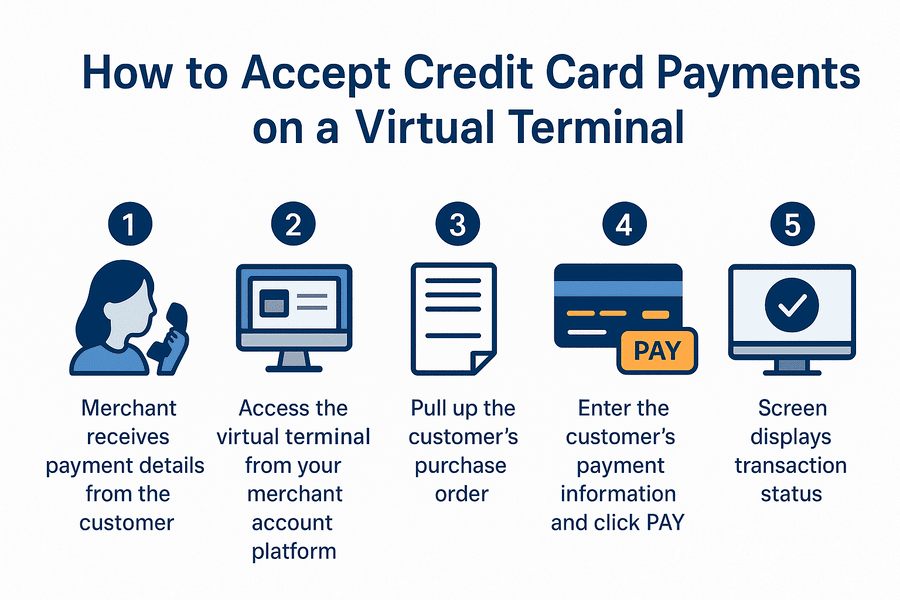
A virtual terminal allows a small business to accept credit card payments manually via a computer connected to the internet. Instead of a physical card reader, the business owner or an employee logs into a secure web-based application and manually keys in the customer’s credit card information. This solution is perfect for businesses that primarily take orders over the phone, through mail, or receive emailed orders. It’s a cost-effective way to process remote payments without needing an e-commerce website or a physical POS system, offering financial flexibility for specific business models. Many payment processors (like Square, Stripe, PayPal) offer virtual terminal functionalities as part of their broader suite of services.
Understanding the Cost Structure of Credit Card Processing
While accepting credit cards offers significant financial benefits, it also comes with associated costs. A clear understanding of these fees is crucial for small businesses to accurately calculate profit margins and choose the most cost-effective payment processing solution.
Interchange Fees: The Core Cost
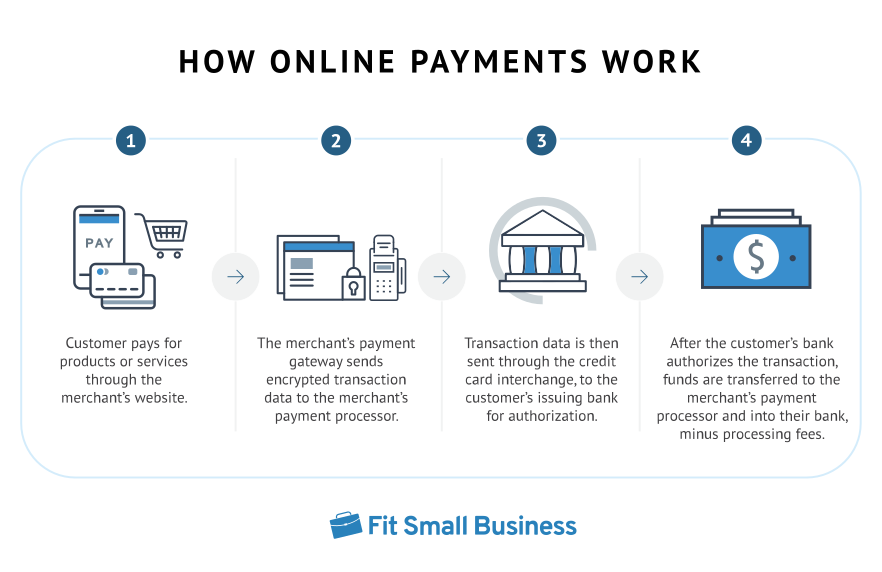
This is the largest component of credit card processing fees and is non-negotiable by the merchant. Interchange fees are paid by the merchant’s acquiring bank (their payment processor) to the customer’s issuing bank (the bank that issued the credit card). These fees compensate the issuing bank for the risk and cost of providing credit and processing the transaction. Interchange rates vary based on several factors: the type of card (e.g., standard, rewards, business), the transaction method (card-present, card-not-present), and the industry. These rates are set by the card networks (Visa, Mastercard, Discover, American Express) and are typically a percentage of the transaction amount plus a flat fee (e.g., 1.5% + $0.10).
Assessment Fees: Card Brand Charges
Also known as network fees, these are paid directly to the credit card networks (Visa, Mastercard, etc.) for using their infrastructure and brand. These fees are generally a small percentage of the transaction volume and are less variable than interchange fees. They cover the costs associated with maintaining the network, ensuring security, and facilitating global transactions.
Processor Markup: The Service Fee
This is the fee charged by your payment processor (e.g., Square, Stripe, PayPal, your merchant service provider) for their services. This is where small businesses have the most flexibility to negotiate or choose between different providers. Processor markups can vary widely based on the pricing model:
- Interchange-Plus Pricing: This model adds a fixed markup (e.g., 0.30% + $0.05) on top of the raw interchange and assessment fees. It is generally the most transparent and cost-effective for businesses with higher transaction volumes, as you see the actual interchange cost.
- Tiered Pricing: The processor groups interchange rates into 3-4 tiers (e.g., “qualified,” “mid-qualified,” “non-qualified”). Each tier has a different fixed rate. This model can be less transparent and potentially more expensive, as transactions may be “downgraded” to a higher-cost tier by the processor, even if they would qualify for a lower interchange rate.
- Flat-Rate Pricing: Processors like Square and Stripe offer a single, fixed percentage rate plus a small flat fee per transaction (e.g., 2.6% + $0.10 for in-person, 2.9% + $0.30 for online). This model is highly predictable and simple to understand, making it popular for small businesses with lower transaction volumes or those just starting out. While it may seem higher per transaction than interchange-plus, the simplicity and lack of hidden fees often make it appealing.
Beyond these core fees, small businesses might encounter other charges such as PCI compliance fees, monthly statement fees, batch fees, and chargeback fees. It’s vital to request a detailed fee schedule and understand all potential costs before committing to a processor.
Selecting the Best Financial Tool for Your Business
Choosing the right credit card processing solution is a strategic financial decision that can impact your business’s efficiency, customer satisfaction, and bottom line. Several factors should guide your selection process.
Transaction Volume and Value
The volume and average value of your transactions are paramount. For businesses with low transaction volumes or infrequent credit card sales, flat-rate processors like Square or PayPal might be the most cost-effective due to their simplicity and lack of monthly fees. For businesses with high transaction volumes and significant average transaction values, an interchange-plus model, often offered by traditional merchant service providers, can result in lower overall processing costs, despite potentially having monthly fees. Analyzing your current and projected sales data is crucial for this assessment.
Business Type and Operational Needs
Your specific business model dictates the type of processing solution required. A brick-and-mortar retail store needs a robust POS system with inventory management. An online-only business requires a reliable payment gateway integrated with its e-commerce platform. A mobile service provider or pop-up shop will benefit from a mobile payment processor. Consider whether you need to accept payments in person, online, over the phone, or a combination of these. The chosen solution must seamlessly integrate into your daily operations rather than creating bottlenecks.
Integration with Existing Financial Systems
To maintain clean financial records and streamline accounting, consider how the payment processor integrates with your existing financial tools. Does it sync with your accounting software (e.g., QuickBooks, Xero)? Does it provide detailed financial reports that are easy to export and analyze? Seamless integration reduces manual data entry, minimizes errors, and provides a clearer, real-time picture of your financial performance, which is invaluable for making informed business decisions and simplifying tax preparation.
Security, Compliance, and Fraud Prevention
Protecting customer financial data is not just a legal requirement but a fundamental aspect of maintaining trust and avoiding costly breaches. Ensure any chosen payment processor is PCI DSS (Payment Card Industry Data Security Standard) compliant. Look for features like end-to-end encryption, tokenization, and built-in fraud detection tools. While these features might come with associated costs (like PCI compliance fees), they are essential investments that protect your business from financial liabilities, reputational damage, and potential fines associated with data breaches.
Optimizing Your Payment Strategy for Financial Growth
Accepting credit cards is just the first step. To truly leverage this capability for financial growth, small businesses must continually optimize their payment strategy.
Negotiating Fees and Comparing Providers
The payment processing industry is competitive. Don’t be afraid to compare rates and services from multiple providers. If you have a significant transaction volume, you may have leverage to negotiate better rates or have certain fees waived. Periodically review your processing statements to understand all charges and ensure you are getting the best value. Small differences in percentage points or flat fees can accumulate into substantial savings over time, directly impacting your profit margins.
Leveraging Reporting for Financial Insights
Modern payment processing systems offer robust reporting features. Utilize these tools to gain deeper financial insights. Track sales trends by product, time of day, or customer segment. Analyze average transaction values, identify peak selling periods, and understand customer purchasing behavior. These data points are critical for inventory management, staffing decisions, marketing campaigns, and overall financial planning, allowing for more strategic resource allocation and targeted growth initiatives.
Planning for Scalability
As your small business grows, your payment processing needs may evolve. Choose a solution that can scale with you. Can it handle increased transaction volumes? Can it integrate new features (like gift cards, loyalty programs, or advanced analytics) as your business expands? Selecting a flexible and scalable payment partner from the outset can prevent costly and disruptive system migrations down the line, ensuring your financial infrastructure supports your long-term growth ambitions.
aViewFromTheCave is a participant in the Amazon Services LLC Associates Program, an affiliate advertising program designed to provide a means for sites to earn advertising fees by advertising and linking to Amazon.com. Amazon, the Amazon logo, AmazonSupply, and the AmazonSupply logo are trademarks of Amazon.com, Inc. or its affiliates. As an Amazon Associate we earn affiliate commissions from qualifying purchases.