
In an increasingly interconnected world, the ability to send money online has transformed from a niche convenience into a fundamental necessity. Whether you’re splitting a bill with friends, sending funds to family across continents, paying for services, or managing international business transactions, digital money transfers offer unparalleled speed, security, and flexibility compared to traditional methods. Gone are the days when bank wires were the only option for significant transfers, or when mailing a check was the norm for smaller payments. Today, a vast ecosystem of platforms and services caters to virtually every financial transfer need.
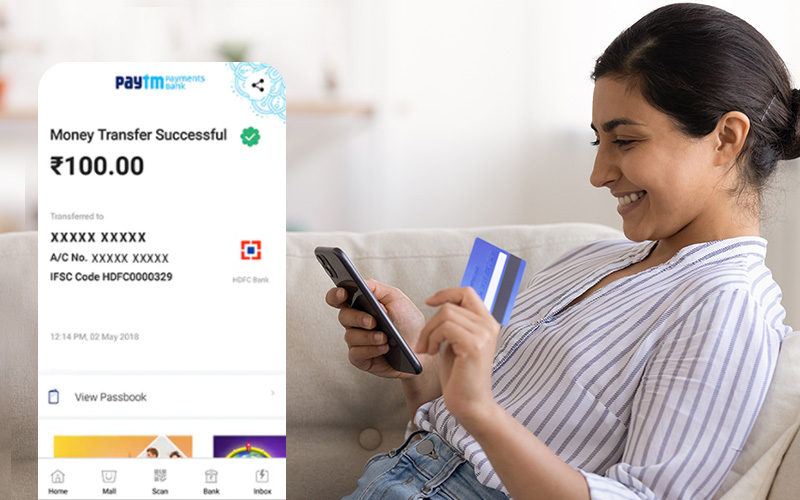
This guide will demystify the process of sending money online, exploring the diverse methods available, outlining the critical factors to consider, and providing essential tips to ensure your transactions are secure and efficient. By understanding your options and making informed choices, you can navigate the digital financial landscape with confidence.
Understanding the Landscape of Online Money Transfers
The digital revolution has profoundly impacted how we interact with money. The internet and mobile technology have given rise to innovative financial tools that make transferring funds faster, cheaper, and more accessible than ever before.
The Digital Transformation of Remittances
Historically, sending money, especially internationally, was a cumbersome and expensive process dominated by traditional banks and money transfer agents. High fees, unfavorable exchange rates, and lengthy processing times were common frustrations. The advent of fintech (financial technology) companies has disrupted this model, introducing platforms that leverage technology to streamline transfers. These new players often offer more competitive rates, transparent fee structures, and user-friendly interfaces, pushing traditional institutions to adapt and innovate their own digital offerings. This shift has democratized financial services, making it easier for individuals and businesses alike to move money seamlessly across borders and between accounts.
Why Online Transfers Are Gaining Popularity
Several compelling reasons contribute to the widespread adoption of online money transfers:
- Convenience: Transfers can be initiated anytime, anywhere, using a smartphone or computer, eliminating the need to visit a physical branch or agent.
- Speed: Many digital transfers are instant or completed within minutes, especially for domestic peer-to-peer payments, significantly reducing wait times compared to traditional banking methods.
- Lower Fees: Competition among online services has driven down transaction costs, particularly for international transfers, making them more economical than traditional bank wires.
- Global Reach: Online platforms facilitate transfers to virtually any country, often with multiple payout options tailored to the recipient’s location and preferences.
- Transparency and Tracking: Most services provide real-time tracking, allowing senders and recipients to monitor the status of their funds, offering peace of mind.
- Security: Reputable online platforms employ advanced encryption and fraud prevention measures to protect transactions and personal data.
Popular Methods for Sending Money Online
The method you choose will depend on factors like the amount you’re sending, the recipient’s location, the urgency, and your budget for fees.
Peer-to-Peer (P2P) Payment Apps
P2P apps are ideal for sending money quickly and easily to friends, family, or small businesses, primarily for domestic transfers.
- Examples: PayPal, Venmo, Zelle, Cash App.
- How they work: Users link their bank accounts or debit/credit cards to the app and can send money directly to another user’s account using their email address or phone number.
- Pros: Often instant for standard transfers, incredibly convenient for splitting costs or repaying small debts, many offer social features.
- Cons: Primarily for domestic use (though PayPal has international capabilities), fees may apply for instant transfers, credit card funding, or business transactions. Transaction limits can also be a factor.
Online Money Transfer Services
These services specialize in cross-border payments and often provide better exchange rates and lower fees for international transfers than traditional banks.
- Examples: Wise (formerly TransferWise), Xoom (a PayPal service), Remitly, WorldRemit.
- How they work: You send money via their website or app, specifying the recipient’s bank account details, mobile wallet, or cash pickup location. They convert your currency and send the equivalent in the local currency.
- Pros: Excellent for international remittances, transparent and competitive exchange rates, lower fees compared to bank wire transfers, diverse payout options (bank deposit, cash pickup, mobile wallet).
- Cons: Fees can vary based on the amount, transfer speed, and destination country; some may have maximum transfer limits.
Bank-to-Bank Transfers (Online Banking)
Most banks offer online platforms that allow customers to send money directly from their account to another.
- Examples: Your personal bank’s online portal or mobile app.
- How they work: You log into your online banking, navigate to the transfer section, and enter the recipient’s bank account number and routing information (for domestic transfers) or SWIFT/IBAN details (for international wires).
- Pros: Highly secure and reliable, especially for larger domestic transfers, convenient if you already manage your finances with that bank.
- Cons: Can be slower than P2P or dedicated services (especially international wires), often incur higher fees for international transfers, and exchange rates might not be as favorable as specialized services.
Cryptocurrencies
Sending money via cryptocurrency involves using digital assets like Bitcoin or Ethereum.
- Examples: Bitcoin, Ethereum, Ripple, various stablecoins.
- How they work: You purchase cryptocurrency and then send it to the recipient’s crypto wallet address. The recipient can then hold the crypto or convert it to their local fiat currency.
- Pros: Decentralized (no single authority), can be very fast for international transfers (depending on the network and congestion), potentially lower transaction fees than traditional banks.
- Cons: High price volatility can lead to value fluctuations during transfer, complex for beginners, not universally accepted or understood, regulatory landscapes are still evolving.
Key Factors to Consider Before Sending Money Online
Choosing the right platform requires careful consideration of several crucial aspects to ensure a smooth, cost-effective, and secure transaction.
Fees and Exchange Rates
This is often the most significant factor. Don’t just look at the upfront fee; calculate the total cost, including the exchange rate markup. Some services offer “no fee” transfers but might embed their profit into a less favorable exchange rate. Always compare the “receive amount” across different platforms for the exact same send amount.
Speed of Transfer
How quickly does the money need to arrive? P2P apps are often instant domestically. International transfers can range from minutes to several business days, depending on the service, payment method (e.g., bank transfer vs. debit card funding), and the recipient’s payout method. Faster transfers often come with higher fees.
Security Measures
Your financial safety is paramount. Ensure the platform uses robust encryption (look for “https://” in the URL), offers two-factor authentication (2FA), and has clear fraud prevention policies. Reputable services are regulated by financial authorities in their operating countries.
Transfer Limits

Most services impose daily, weekly, or monthly limits on how much money you can send. These limits can vary based on your account verification level and the specific service. If you need to send a large sum, check the limits beforehand and plan accordingly.
Recipient’s Access and Preferences
Consider how the recipient needs to receive the money. Do they have a bank account? Do they prefer cash pickup? Is a mobile wallet popular in their region? Choose a service that offers payout options convenient for your recipient.
Customer Support
While often overlooked, reliable customer support is invaluable if something goes wrong. Check reviews for a platform’s customer service responsiveness and effectiveness in resolving issues.
Ensuring the Security of Your Online Money Transfers
While online transfers offer convenience, vigilance is key to protecting your funds and personal information.
Verify Recipient Details Meticulously
A single incorrect digit in an account number or a misspelled name can send your money to the wrong person, and reversing such a transfer can be incredibly difficult, if not impossible. Always double-check names, account numbers, email addresses, and phone numbers before confirming any transfer. For international transfers, ensure you have the correct SWIFT/BIC codes and IBANs.
Use Strong, Unique Passwords and Two-Factor Authentication (2FA)
Protect your online accounts with complex passwords that are unique to each service. Enable 2FA whenever possible; this adds an extra layer of security by requiring a second verification step (like a code from your phone) in addition to your password.
Beware of Scams and Phishing Attempts
Be extremely cautious of unsolicited requests for money, especially from unknown individuals or organizations. Scammers often pose as authorities, loved ones in distress, or offer “too good to be true” deals. Never click on suspicious links or provide personal financial details in response to unexpected emails or messages. If in doubt, contact the alleged sender through a verified channel.
Understand Refund and Resolution Policies
Familiarize yourself with the platform’s policies regarding failed transfers, errors, or disputes. Knowing your rights and the steps to take if an issue arises can save you significant stress and potential financial loss. While most services offer some form of buyer/sender protection, it’s not always guaranteed for all types of transactions.
Avoid Public Wi-Fi for Financial Transactions
Public Wi-Fi networks are often unsecured and vulnerable to eavesdropping by cybercriminals. Always conduct financial transactions on a secure, private network or use a reputable VPN if you must use public Wi-Fi.
Making the Right Choice: A Scenario-Based Approach
To illustrate how to apply these considerations, let’s look at a few common scenarios:
Sending Money to a Friend for Dinner (Domestic, Small Amount)
- Best Options: P2P apps like Venmo, Zelle, or Cash App. They are typically free for standard transfers, instant, and incredibly convenient for everyday expenses among friends.
- Considerations: Confirm your friend also uses the app and link it to your bank account for free transfers.
Paying a Freelancer in Another Country (International, Medium Amount)
- Best Options: Online money transfer services such as Wise, Remitly, or WorldRemit. These services offer competitive exchange rates and lower fees for international transfers than traditional banks.
- Considerations: Compare the total cost (fees + exchange rate) across a few services. Check their transfer limits and ensure the recipient has a preferred payout method (bank account, mobile wallet) supported by the chosen service.
Transferring a Large Sum to Your Own Account in Another Bank (Domestic/International, Large Amount)
- Best Options: For domestic transfers, your bank’s online platform is secure and reliable. For international large sums, specialized online services or even traditional bank wire transfers might be considered, with careful attention to limits, fees, and security protocols.
- Considerations: Verify daily/weekly limits. For international transfers, closely compare exchange rates and fees. Some services offer better rates for larger amounts. Ensure all recipient bank details are flawless.
Gifting Money to Family Abroad (International, Varying Amounts)
- Best Options: Online money transfer services like Xoom, WorldRemit, or Remitly, which often provide multiple payout options including bank deposit, cash pickup, or mobile wallet top-ups, depending on the recipient country.
- Considerations: The convenience for the recipient is key. If they don’t have a bank account, cash pickup or mobile wallet options are vital. Check the availability of these options in their specific region.

Conclusion
The digital age has ushered in an era of unprecedented convenience and choice for sending money online. From splitting bills with friends to supporting family across borders, a robust array of platforms and services stands ready to facilitate your financial transactions. By prioritizing security, meticulously comparing fees and exchange rates, understanding transfer speeds, and considering the recipient’s preferences, you can make informed decisions that align with your financial goals. Embrace the power of digital transfers, but always proceed with caution and diligence. With the right approach, sending money online can be a seamless, cost-effective, and secure experience, empowering you to manage your finances effectively in our increasingly connected world.
aViewFromTheCave is a participant in the Amazon Services LLC Associates Program, an affiliate advertising program designed to provide a means for sites to earn advertising fees by advertising and linking to Amazon.com. Amazon, the Amazon logo, AmazonSupply, and the AmazonSupply logo are trademarks of Amazon.com, Inc. or its affiliates. As an Amazon Associate we earn affiliate commissions from qualifying purchases.