
In today’s digital-first economy, the ability to accept credit card payments online is no longer a luxury but a fundamental necessity for any business aiming for growth, stability, and expanded reach. For entrepreneurs, small businesses, and established enterprises alike, mastering the art of online payment processing is a direct pathway to unlocking significant online income, streamlining business finance, and offering unparalleled convenience to customers. This guide delves into the essential financial tools and strategic considerations required to effectively integrate online credit card payments into your business model.

Boosting Your Online Income: The Imperative of Digital Payments
The decision to accept credit card payments online is a strategic move that directly impacts your bottom line. It’s about more than just transactions; it’s about optimizing your financial ecosystem for sustained growth and profitability.
The Financial Advantage of Accepting Credit Cards
The primary benefit of accepting credit cards online is a tangible increase in sales and revenue. Credit cards represent purchasing power, and by enabling their use, businesses remove a significant barrier to customer conversion. Studies consistently show that customers are more likely to complete a purchase when convenient payment options are available. This means less abandoned carts and more successful transactions, directly translating into higher online income. Furthermore, the ease of use encourages impulse purchases and larger order values, as customers aren’t constrained by immediate cash availability. From a financial perspective, this immediate access to funds can improve cash flow, a critical aspect of business finance.
Expanding Your Market Reach and Revenue Potential
Online credit card payments obliterate geographical boundaries. A local shop can suddenly sell its products or services to customers across the country or even worldwide. This global accessibility translates into a significantly expanded potential customer base and, consequently, an exponential increase in revenue potential. Beyond geographical reach, online payments enable businesses to operate 24/7. Your digital storefront is always open, allowing customers to make purchases at their convenience, regardless of time zones or traditional business hours. This constant availability means your business is continuously generating income, even when you’re not actively working, a cornerstone of effective online income generation. Moreover, online payments facilitate recurring revenue models, such as subscriptions and memberships, providing a stable and predictable income stream vital for financial planning and business expansion.
Demystifying Online Payment Processing: Financial Tools and Mechanisms
Understanding the financial tools and mechanisms behind online credit card payments is crucial for selecting the right solution for your business. These tools facilitate the secure transfer of funds from the customer’s bank to yours.
Understanding Payment Gateways and Merchant Accounts
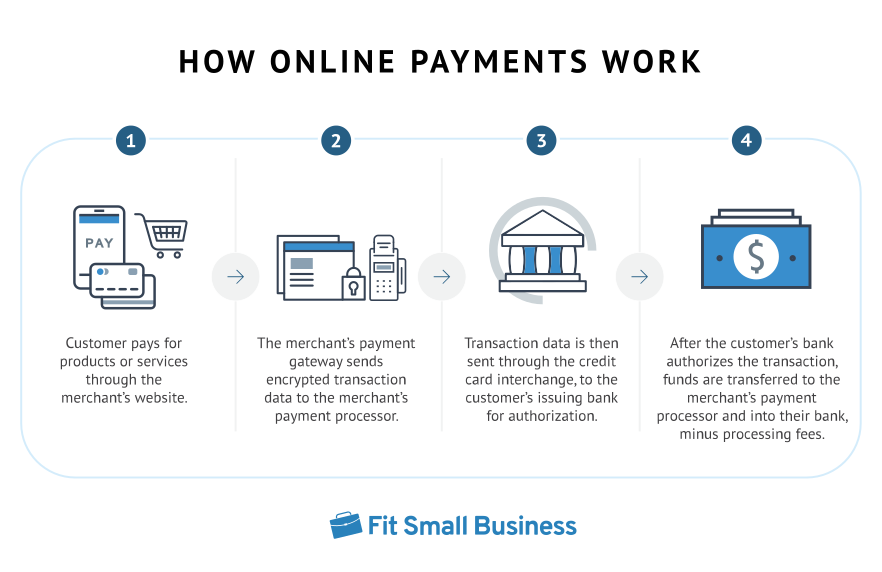
At the core of online payment processing are payment gateways and merchant accounts, two distinct but interconnected financial tools. A merchant account is a special bank account that temporarily holds funds from credit and debit card sales before they are transferred to your main business bank account. It’s essentially an agreement with a bank to accept credit card payments.
A payment gateway, on the other hand, is the technological service that authorizes credit card payments for online businesses. It securely encrypts sensitive credit card details from the customer’s browser, sends them to the merchant account provider for processing, and then relays the approval or denial back to the customer and the merchant. Think of it as the digital cashier that connects your website to the financial networks. Choosing a payment gateway involves assessing transaction fees, setup costs, security features, and integration capabilities, all of which have direct financial implications for your business.
E-commerce Platforms with Integrated Payment Solutions
For many businesses, particularly those starting out or with a strong focus on selling products, e-commerce platforms offer an all-in-one solution that bundles website building, inventory management, and integrated payment processing. Platforms like Shopify, WooCommerce (for WordPress), Squarespace, and BigCommerce often include their own payment gateways or have seamless integrations with popular third-party processors.
The financial benefit here is simplicity and reduced complexity. Instead of individually sourcing a website host, a separate payment gateway, and a merchant account, these platforms streamline the entire process. Their integrated solutions often simplify compliance requirements like PCI DSS (Payment Card Industry Data Security Standard), reducing the financial burden and risk associated with managing these standards independently. While they might charge platform fees, the convenience and integrated financial management often outweigh the costs, especially for businesses seeking to quickly establish an online presence and generate income.
Standalone Payment Processors: Flexibility for Diverse Businesses
For businesses that prefer a more modular approach or have unique operational needs, standalone payment processors offer significant flexibility. Services like Stripe, PayPal, and Square provide robust payment gateway and merchant account services that can be integrated into various websites, apps, and even physical point-of-sale systems.
These processors are often favored for their ease of setup, transparent pricing models (typically pay-as-you-go per transaction), and powerful APIs that allow for extensive customization. Financially, they often appeal to startups and businesses with fluctuating sales volumes because they typically don’t impose monthly fees or long-term contracts. Businesses can compare their transaction fees, dispute resolution processes, and payout schedules to find the most cost-effective and financially beneficial option. For instance, Stripe is often preferred by developers for its API capabilities, while PayPal offers brand recognition and consumer trust, potentially boosting conversion rates. Square is excellent for businesses needing a unified solution for online and in-person payments, streamlining financial reporting.
Navigating the Costs and Financial Implications of Online Transactions
While essential for online income, accepting credit card payments online comes with associated costs. Understanding these financial implications is paramount for maintaining profitability and making informed business decisions.
Decoding Transaction Fees and Hidden Charges
The most common cost associated with online credit card payments is the transaction fee. This is typically a percentage of the transaction amount plus a fixed per-transaction fee (e.g., 2.9% + $0.30). This fee is charged by the payment processor and covers the costs of the payment gateway, interchange fees (paid to the card-issuing bank), and assessment fees (paid to the credit card network like Visa or Mastercard).
Beyond these standard fees, businesses must be aware of potential “hidden” charges that can impact their business finance. These might include:
- Monthly fees: Some processors charge a fixed monthly fee, especially for dedicated merchant accounts.
- Setup fees: One-time charges to establish your account.
- PCI compliance fees: For verifying your adherence to security standards, if not bundled.
- Chargeback fees: A significant fee incurred when a customer disputes a transaction and the funds are returned. These can range from $15 to $50 per dispute, impacting profitability.
- Currency conversion fees: For international transactions.
- Refund fees: Some processors may not refund their transaction fee when you issue a refund.
Diligent research and clear understanding of the fee structure are critical to accurately project your payment processing costs and protect your profit margins.
The True Cost of Inaction: Why Not Accepting Payments is More Expensive
While payment processing fees represent an expense, the financial cost of not accepting online credit card payments is often far greater. The “cost of inaction” includes:
- Lost Sales: Customers who can’t pay conveniently will take their business elsewhere.
- Reduced Customer Satisfaction: A clunky or limited payment experience frustrates customers, leading to negative reviews and reduced loyalty.
- Missed Growth Opportunities: Limiting your payment options stifles your ability to expand market reach and capitalize on online income streams.
- Competitive Disadvantage: In competitive markets, businesses that don’t offer modern payment options quickly fall behind, impacting long-term financial viability.
Investing in robust online payment solutions is an investment in your business’s future financial health and growth.
Strategic Pricing and Profitability with Online Payments
Understanding payment processing costs allows for strategic pricing decisions. Businesses can factor these fees into their product or service pricing to maintain desired profit margins. While directly passing on credit card fees to customers is often disallowed by card networks and can be poor for customer experience, adjusting overall pricing to absorb these costs is a common and financially sound practice. For high-value transactions, negotiating lower percentage rates with processors or exploring alternative payment methods (like ACH transfers for larger B2B payments) can also be financially beneficial. Regular review of your payment processor statements against your sales data is vital for optimizing profitability and managing business finance effectively.
Ensuring Financial Security and Compliance in Online Payments
Security is paramount in online transactions, not just for protecting customer data but also for safeguarding your business’s financial integrity and reputation. Non-compliance or security breaches can lead to devastating financial penalties and loss of trust.
Protecting Your Business and Customer Finances: PCI DSS Compliance
PCI DSS (Payment Card Industry Data Security Standard) is a set of security standards designed to ensure that all companies that accept, process, store, or transmit credit card information maintain a secure environment. Compliance is not optional; it’s a mandatory requirement from the major credit card brands (Visa, Mastercard, American Express, Discover, JCB).
For businesses, PCI DSS compliance protects against data breaches, which can result in hefty fines, legal action, damage to reputation, and ultimately, a significant financial blow. Adhering to these standards involves implementing secure networks, protecting cardholder data, maintaining vulnerability management programs, strong access control measures, regular monitoring, and security testing. Utilizing a reputable payment gateway or e-commerce platform that handles much of the PCI burden can simplify this process and reduce your direct financial risk and responsibility.
Mitigating Financial Risk: Fraud Prevention and Chargeback Management
Online fraud is a constant threat, and businesses must employ robust strategies to prevent financial losses. Fraud prevention tools include Address Verification Service (AVS), Card Verification Value (CVV) checks, 3D Secure (e.g., Visa Secure, Mastercard Identity Check), and fraud detection algorithms provided by payment processors. These tools help identify suspicious transactions before they are processed, saving your business from losing products, shipping costs, and the original payment.
Chargebacks are another significant financial risk. When a customer disputes a charge with their bank, the funds are temporarily (or permanently) debited from your merchant account, along with a chargeback fee. Effective chargeback management involves clear refund policies, excellent customer service to resolve issues before they escalate, maintaining detailed transaction records, and sometimes challenging fraudulent chargebacks with compelling evidence. Proactive fraud prevention and efficient chargeback handling are essential for protecting your online income and overall business finance.
Seamless Financial Record-Keeping and Reconciliation
Accurate financial record-keeping is critical for any business, and online payments require particular diligence. Every online transaction generates a data trail, which needs to be meticulously recorded for accounting, tax purposes, and financial analysis. Payment processors typically provide detailed transaction reports, but integrating these with your accounting software (e.g., QuickBooks, Xero) can automate reconciliation, saving time and reducing errors.
Proper reconciliation ensures that the money flowing into your bank account matches your sales records and that all fees are accounted for. This clarity is vital for budgeting, forecasting, and making informed financial decisions. It also simplifies the process of tax preparation, avoiding potential penalties and ensuring your business operates within financial regulations.
Scaling Your Business: Advanced Strategies for Online Income Growth
Once you’ve established the foundation for online credit card payments, you can leverage these capabilities for strategic growth, expanding your income streams and market presence.
International Payments: Unlocking Global Markets and Revenue Streams
For businesses looking beyond domestic borders, accepting international credit card payments is a powerful way to unlock new revenue streams. Payment processors like Stripe and PayPal facilitate multi-currency transactions, allowing you to display prices and accept payments in local currencies, which enhances customer experience and conversion rates. While international transactions may involve additional currency conversion fees or slightly higher processing rates, the potential for vastly increased online income from a global customer base often far outweighs these costs. Understanding exchange rates and how they impact your payouts is an important aspect of managing international business finance.
Implementing Subscription and Recurring Billing Models
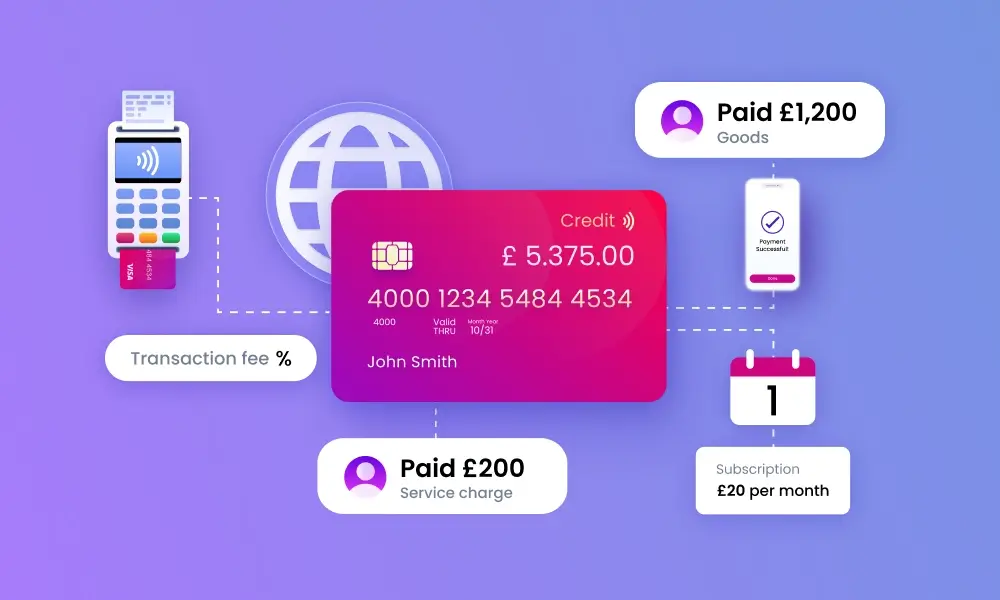
Subscription and recurring billing models are highly effective for creating stable and predictable online income. This approach is ideal for SaaS companies, membership sites, digital content providers, and even physical product subscriptions. Payment processors offer features specifically designed to manage recurring payments, automating billing cycles and securely storing customer card information (in a PCI-compliant manner, often via tokenization). The financial stability provided by predictable monthly or annual revenue streams is invaluable for budgeting, strategic investments, and long-term business planning.
Leveraging Analytics for Financial Performance Insights
Most modern payment processors and e-commerce platforms offer robust analytics and reporting tools. These aren’t just for tracking sales; they provide deep insights into customer behavior, peak sales times, average order values, refund rates, and even fraud attempts. By analyzing this financial data, businesses can identify trends, optimize pricing strategies, pinpoint popular products, and refine marketing efforts. Leveraging these financial insights allows for data-driven decisions that can significantly improve profitability, enhance customer lifetime value, and strategically steer your business towards sustained online income growth.
In conclusion, taking credit card payments online is a multifaceted endeavor that intersects technology, security, and ultimately, finance. By strategically choosing the right financial tools, diligently managing costs and risks, and leveraging advanced features, businesses can transform their online payment capabilities from a mere necessity into a powerful engine for significant online income generation and sustainable financial growth.
aViewFromTheCave is a participant in the Amazon Services LLC Associates Program, an affiliate advertising program designed to provide a means for sites to earn advertising fees by advertising and linking to Amazon.com. Amazon, the Amazon logo, AmazonSupply, and the AmazonSupply logo are trademarks of Amazon.com, Inc. or its affiliates. As an Amazon Associate we earn affiliate commissions from qualifying purchases.