
In the intricate dance of modern personal finance, paying bills is a fundamental and recurring rhythm. It’s more than just an obligation; it’s a critical component of financial health, impacting everything from your credit score to your mental peace. While the act itself seems straightforward, understanding the nuances of bill payment methods, strategic management, and potential pitfalls can transform a mundane chore into an empowering act of financial control. This comprehensive guide delves into the world of bill payments, offering insights and practical advice to help you navigate your financial responsibilities with confidence and efficiency, ensuring your money works for you, not against you.
Understanding Your Bills: Beyond Just the Amount Due
Before you can effectively manage and pay your bills, you must first understand what you’re paying. Bills are not just a simple sum at the bottom of a statement; they are a detailed record of your consumption, agreements, and financial commitments. A thorough understanding empowers you to identify errors, optimize spending, and plan your finances more effectively.
Decoding Bill Statements: Key Information to Look For
Every bill statement, whether for utilities, credit cards, or loans, contains vital information beyond the total amount due. It’s crucial to cultivate the habit of reviewing these statements meticulously. Look for the service period, which details the dates your usage or charges apply to. Identify the itemized charges, which break down the total into individual components—this is especially important for utilities where usage rates and various fees might apply. Pay close attention to the due date, as this is the absolute deadline for payment to avoid penalties. The minimum payment amount (for credit cards or loans) and the total balance due are also critical for planning. Additionally, familiarize yourself with your account number, customer service contact information, and any notices about changes in terms or services. Understanding these details can help you spot discrepancies, understand your consumption patterns, and make informed financial decisions.
Differentiating Bill Types: Utilities, Credit, Loans, Subscriptions
Bills come in various forms, each with its own characteristics and implications.
- Utilities (electricity, water, gas, internet) are typically variable based on usage, though some might have fixed charges. Timely payment prevents service disruption and can sometimes influence rates.
- Credit Card Bills represent revolving debt. While a minimum payment keeps your account in good standing, paying the full balance avoids interest charges that can quickly accumulate.
- Loan Payments (mortgage, auto, student) are usually fixed amounts over a set period. Missing these payments can have severe consequences, including damage to your credit and potential asset seizure.
- Subscriptions (streaming services, gym memberships, software) are often fixed monthly or annual payments that might automatically renew. While seemingly minor, they can add up and might be overlooked in budgeting if not regularly reviewed. Recognizing these different types allows for tailored payment strategies and appropriate financial prioritization.
The Importance of Due Dates and Billing Cycles
The due date is perhaps the most critical piece of information on any bill. Missing a due date can trigger late fees, penalty interest rates, and negative marks on your credit report, which can impact your ability to secure future loans or favorable interest rates. Understanding your billing cycle—the period covered by the bill and when it’s generated—is equally important. If you know your internet bill is generated on the 10th and due on the 30th, you can set up reminders or schedule payments accordingly. Some providers offer the flexibility to change your due date to better align with your paychecks, which can be a valuable tool for managing cash flow. Proactively knowing and tracking these dates is the cornerstone of responsible bill payment.
Diverse Methods for Bill Payment: Convenience Meets Security
The landscape of bill payment has evolved dramatically, offering a plethora of options designed for convenience and efficiency. Choosing the right method often depends on your personal preferences, the type of bill, and your priorities regarding speed, cost, and security.
Traditional Approaches: Mail, In-Person, Phone
Despite the digital revolution, traditional payment methods still hold relevance for many. Paying by mail involves sending a check or money order through postal services. While reliable, it requires planning due to transit times and is often slower than other methods. In-person payments can be made at the service provider’s office, authorized payment centers (like grocery stores for utility bills), or even banks. This method offers immediate payment confirmation and can be useful for those who prefer cash or need to pay last-minute. Phone payments, made by calling the provider, allow for debit or credit card transactions. While convenient, some companies might charge a processing fee for phone payments, and you’ll want to ensure you receive a confirmation number for your records. These methods, though sometimes slower, offer tangible receipts and a sense of direct control for some consumers.
Digital Dominance: Online Portals and Mobile Apps
The most popular payment methods today leverage the power of the internet and smartphones. Most service providers offer secure online portals on their websites where you can log in, view your bill, and make payments directly from your bank account or with a credit/debit card. These portals often provide a payment history, usage details, and options to manage your account. Similarly, dedicated mobile apps from banks or service providers offer a streamlined experience, allowing payments to be made on the go. The benefits include speed, accessibility, and often, immediate payment confirmation. When using these methods, always ensure you’re on a secure website (look for ‘https://’ and a padlock icon) or using an official app to protect your financial data.
Automated Payments: Pros, Cons, and Best Practices
Automated payments, also known as auto-pay or recurring payments, involve authorizing a company to automatically deduct funds from your bank account or charge your credit card on the due date.
- Pros: The primary advantage is convenience and the elimination of missed payments, thus avoiding late fees and credit score damage. It frees up mental bandwidth and ensures consistency.
- Cons: The main drawback is a potential loss of control. If funds aren’t available, you could incur overdraft fees. Additionally, if a bill amount changes unexpectedly (e.g., a subscription price increase), an automatic payment might process before you notice.
- Best Practices: To mitigate risks, regularly review your bank statements and bill amounts, especially before the auto-pay date. Set up notifications from your bank or biller to alert you before a payment is processed. Ensure your payment information is up-to-date and have an emergency fund to cover any unexpected charges. Automated payments are excellent for fixed bills like loans or subscriptions, but require more vigilance for variable ones like utilities.
Third-Party Payment Services: When and How to Use Them
Several third-party services like PayPal, Venmo, or your bank’s bill pay service allow you to manage and pay multiple bills from a single platform. Your bank’s online bill pay service is often free and can be incredibly convenient, allowing you to schedule payments to almost any payee, even if they don’t accept direct online payments. The bank sends a digital payment or even a physical check on your behalf. Other services like PayPal can facilitate payments to certain merchants or individuals. These services offer a consolidated view of your payments and can simplify management. However, be aware of any potential fees associated with these services and understand their processing times to ensure payments are sent and received by the due date. Always verify that the service is legitimate and secure before inputting your financial information.
Strategies for Timely and Efficient Bill Management
Effective bill management extends beyond merely making payments; it’s about integrating these tasks into a broader financial strategy that promotes consistency, minimizes stress, and supports your long-term goals.
Creating a Bill Payment Calendar or System
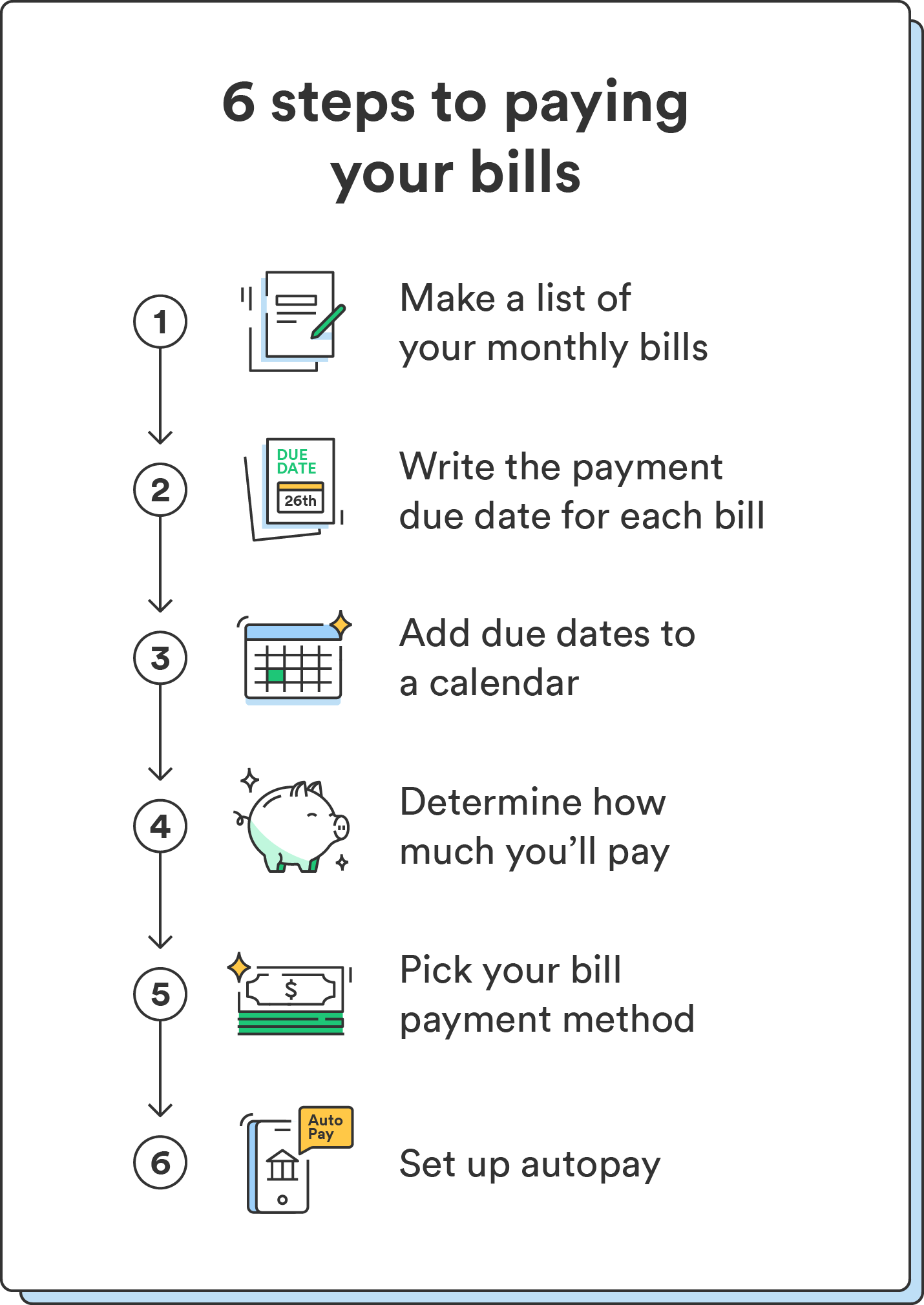
One of the most powerful tools for timely bill payment is a robust tracking system. This could be a physical calendar where you mark due dates, a digital calendar with recurring reminders, a spreadsheet listing all your bills, or a dedicated budgeting app. The key is to have a centralized place where you can see all your obligations at a glance. For each bill, note the payee, amount, due date, and preferred payment method. Consider grouping bills by payment frequency (weekly, bi-weekly, monthly) or by due date to streamline processing. Regularly reviewing and updating this system is crucial to ensure accuracy and adapt to changes in your financial landscape. This proactive approach prevents bills from being overlooked and reduces the last-minute scramble.
The Power of Budgeting: Allocating Funds for Bills

At the heart of efficient bill management is a well-structured budget. A budget allows you to allocate specific funds for each bill, ensuring that money is available when payments are due. Start by listing all your fixed expenses (rent, loan payments, subscriptions) and estimating your variable expenses (utilities, groceries, entertainment). Then, match your income to these expenses. If your bill total exceeds your income, your budget will reveal this imbalance, allowing you to make adjustments, such as cutting discretionary spending or seeking additional income. By proactively setting aside money for bills, you transform bill payment from a reactive scramble into a predictable and manageable part of your financial routine.
Consolidating Bills and Payment Platforms
Managing numerous accounts and login credentials can be overwhelming. Where possible, explore opportunities to consolidate. Some utility companies offer combined billing for gas and electricity. Similarly, consider using a single online bill pay platform offered by your bank or a reputable third-party service to manage multiple payments. This reduces the number of websites you visit and passwords you need to remember, simplifying the payment process. Be mindful, however, that consolidating payments might not always mean consolidating the underlying accounts or services. Ensure you still have clear visibility into individual statements and charges.
Emergency Funds: Your Safety Net for Unexpected Bills
Life is unpredictable, and sometimes, unexpected expenses or income disruptions can make paying regular bills challenging. This is where an emergency fund becomes invaluable. An emergency fund is a stash of readily accessible cash (typically 3-6 months’ worth of living expenses) set aside for unforeseen circumstances like job loss, medical emergencies, or major home repairs. Having this safety net ensures that even if your income stream is temporarily interrupted, you can still meet your essential bill obligations without incurring late fees, damaging your credit, or resorting to high-interest debt. Building and maintaining an emergency fund is a critical step in achieving financial resilience and peace of mind when it comes to bill payments.
Avoiding Pitfalls: Late Fees, Scams, and Overpayments
While timely payment is paramount, navigating the complexities of bills also involves avoiding common pitfalls that can undermine your financial efforts. Being vigilant about late fees, scams, and even accidental overpayments can save you money and protect your financial well-being.
The Cost of Procrastination: Understanding Late Fees and Penalties
Procrastination can be an expensive habit when it comes to bill payments. Almost every service provider levies a late fee if payment is not received by the due date. These fees can range from a few dollars for small bills to significant percentages of the outstanding balance for credit cards and loans. Beyond monetary penalties, consistently late payments can also lead to increased interest rates (especially on credit cards), service disconnection, and, most importantly, a negative impact on your credit score. A poor credit score can hinder your ability to secure loans, rent an apartment, or even get certain jobs in the future. Understanding these costs provides a powerful incentive to prioritize on-time payments and integrate them into your financial discipline.
Protecting Yourself from Payment Scams
In the digital age, financial scams are a constant threat. Scammers often impersonate legitimate companies (utilities, banks, government agencies) and demand immediate payment, threatening service disconnection or legal action. They might request payment via unusual methods like gift cards, wire transfers, or cryptocurrency, which are difficult to trace. To protect yourself:
- Verify the Sender: Always check the sender’s email address or phone number. If in doubt, do not click on links or call numbers provided in the suspicious communication.
- Go Directly to the Source: If you receive a concerning message about a bill, contact the company directly using the official phone number from their website or your latest bill statement, not a number provided in the suspicious message.
- Be Skeptical of Urgency: Legitimate companies rarely demand immediate payment without prior notice or insist on unusual payment methods.
- Secure Your Accounts: Use strong, unique passwords for all your online payment portals and enable two-factor authentication whenever possible. Vigilance is your best defense against payment-related fraud.
Double-Checking Payments: Preventing Accidental Overpayments
While less common than late payments, accidental overpayments can also occur and lead to unnecessary financial complications. This might happen if you pay a bill twice, input an incorrect amount, or misinterpret a billing statement. While most companies will credit your account for an overpayment or issue a refund, the process can be cumbersome and tie up your funds temporarily. To prevent this, always double-check the amount you’re paying and verify that the payment has not already been processed before initiating a new one. Utilize confirmation screens and payment receipts to ensure accuracy. For automated payments, review your bank statements to catch any duplicate charges promptly.
What to Do When You Can’t Pay a Bill
Despite best intentions, there might be times when you genuinely can’t pay a bill on time. In such situations, the worst thing you can do is ignore the problem. Instead:
- Communicate Immediately: Contact the service provider as soon as you realize you’ll be late. Many companies are willing to work with you, offering extensions, payment plans, or hardship programs, especially if you have a good payment history.
- Prioritize Essential Bills: Focus on critical bills first, such as housing, utilities, and transportation, as these impact your basic living needs.
- Explore Options: For credit card bills, you might be able to negotiate a temporary interest rate reduction or minimum payment. For loans, inquire about deferment or forbearance options.
- Seek Financial Counseling: Non-profit credit counseling agencies can offer free or low-cost advice on managing debt and creating a workable budget during difficult times. Proactive communication and seeking help can mitigate the negative consequences of a missed payment.
Leveraging Bill Payments for Financial Health
Paying bills is not just about meeting obligations; it’s an opportunity to actively improve your financial standing. Strategic management of your payments can build your credit, optimize your spending, and contribute to achieving broader financial goals.
Impact on Credit Score: The Power of On-Time Payments
Your payment history is the single most important factor in calculating your credit score, accounting for about 35% of the FICO score. Consistently paying your bills on time demonstrates financial responsibility to lenders. Each on-time payment builds a positive credit history, which translates into a higher credit score. A strong credit score, in turn, unlocks access to lower interest rates on loans (mortgages, auto loans, personal loans), better terms on credit cards, and even advantages in renting an apartment or securing insurance. Conversely, late payments, especially those over 30 days past due, can severely damage your score, potentially for years. Understanding this direct link empowers you to view every bill payment as an investment in your financial future.
Optimizing Utility Bills: Usage Reduction and Smart Choices
For variable bills like utilities, payment is just one side of the coin; managing consumption is the other. Regularly reviewing your utility statements can highlight usage patterns and identify areas for reduction. Simple actions like using energy-efficient appliances, sealing drafts in your home, adjusting thermostat settings, and being mindful of water usage can significantly lower your monthly bills. Explore options like budget billing offered by some utility companies, which averages your payments over the year to provide a consistent monthly charge, making budgeting easier. Additionally, research if there are competing providers in your area (e.g., for internet or electricity in deregulated markets) and periodically compare rates to ensure you’re getting the best value.
Negotiating Bills: Opportunities for Savings
Many people don’t realize that some bills are negotiable.
- Internet/Cable: Often, if you’re out of contract, you can call your provider and negotiate for a better rate or new promotional package, especially if you mention competitors’ offers.
- Medical Bills: Hospitals and healthcare providers are often willing to negotiate the total amount or set up a payment plan, particularly if you’re paying out-of-pocket or facing financial hardship. Don’t be afraid to ask for an itemized bill and review it for errors.
- Credit Card Interest Rates: If you have a good payment history, you might be able to call your credit card company and ask for a lower interest rate, which can save you a significant amount on interest charges over time.
While not every bill is negotiable, cultivating a proactive approach to questioning and negotiating can uncover unexpected savings and reduce your financial burden.

Beyond Payment: Setting Financial Goals
Ultimately, the act of paying bills is intertwined with your larger financial journey. By mastering your bill payments, you create a stable foundation from which to pursue broader financial goals. This could involve building substantial savings, investing for retirement, paying down high-interest debt, saving for a down payment on a home, or funding education. Consistent, timely, and strategic bill management frees up mental space and financial resources that can be redirected towards these aspirations. It fosters a sense of control and discipline that extends to all areas of your financial life, transforming routine obligations into stepping stones towards financial freedom and prosperity.
aViewFromTheCave is a participant in the Amazon Services LLC Associates Program, an affiliate advertising program designed to provide a means for sites to earn advertising fees by advertising and linking to Amazon.com. Amazon, the Amazon logo, AmazonSupply, and the AmazonSupply logo are trademarks of Amazon.com, Inc. or its affiliates. As an Amazon Associate we earn affiliate commissions from qualifying purchases.