
In an increasingly digital world, the way we manage our financial obligations has undergone a significant transformation. Gone are the days when tax payments were synonymous with paper checks, long queues at the post office, or last-minute dashes to physical IRS offices. Today, the Internal Revenue Service (IRS) offers a robust suite of online payment options, empowering taxpayers with unparalleled convenience, speed, and security. Understanding these digital pathways is not just about leveraging technology; it’s about mastering a crucial element of modern personal and business finance, ensuring compliance, avoiding penalties, and maintaining accurate financial records with minimal hassle.
This comprehensive guide will delve into the various methods available for making your IRS payments online, providing the insights necessary to choose the option best suited to your financial situation. We will explore the benefits of each method, highlight key considerations for security and accuracy, and offer strategic advice for managing your tax obligations effectively in the digital age. By the end, you’ll be equipped with the knowledge to confidently navigate the IRS’s online payment ecosystem, transforming a potentially daunting task into a streamlined, efficient process.
The Paradigm Shift: Why Online Tax Payments Are Essential
The move to online tax payments represents more than just a technological upgrade; it’s a fundamental shift in how individuals and businesses interact with their financial responsibilities. For the modern taxpayer, digital payment methods offer a compelling blend of efficiency, reliability, and security that traditional methods simply cannot match. This evolution is particularly pertinent in an era where speed, convenience, and transparent financial management are paramount.
Efficiency and Convenience at Your Fingertips
The primary allure of online IRS payments lies in their unparalleled convenience. Imagine the ability to fulfill your tax obligations from the comfort of your home or office, at any time of day or night, without the need for physical documents or travel. This flexibility is invaluable for busy professionals, small business owners, and anyone with a demanding schedule. Online platforms eliminate the time-consuming process of mailing checks, waiting for them to clear, and fretting over potential postal delays. With just a few clicks, your payment can be initiated and confirmed, providing immediate peace of mind and freeing up valuable time that can be redirected to other financial planning or business activities.
Moreover, online payment portals often integrate seamlessly with tax preparation software, pre-populating essential information and reducing the likelihood of manual errors. This integration streamlines the entire tax filing and payment process, making it more intuitive and less prone to mistakes that could lead to financial penalties or auditing complications. The sheer accessibility of these tools transforms tax payment from a dreaded annual chore into a manageable, routine financial transaction.
Enhanced Security and Record-Keeping
One of the most significant advantages of online IRS payments, often underestimated, is the enhanced level of security they provide compared to traditional methods. Reputable online payment systems employ advanced encryption protocols and multi-factor authentication to protect sensitive financial information from cyber threats. When executed through official IRS channels, these transactions are fortified against fraud and unauthorized access, offering a more secure alternative to sending checks through the mail, where they could be intercepted or lost.
Furthermore, online payments generate an immediate digital receipt and transaction history, providing an indisputable record of your payment. This digital trail is invaluable for personal financial management, business accounting, and potential future tax inquiries. It eliminates the need for manual record-keeping, safeguards against disputes, and provides a clear, verifiable audit trail. This robust documentation is a cornerstone of sound financial practice, ensuring transparency and accountability in all tax-related matters. For businesses, this translates to more efficient reconciliation and clearer financial statements, supporting robust fiscal health.
Navigating Your Online IRS Payment Options
The IRS provides several secure and user-friendly online payment methods, each designed to cater to different taxpayer needs and preferences. Understanding the nuances of each option is key to selecting the most appropriate one for your specific financial situation, whether you’re paying your annual tax liability, estimated taxes, or a tax bill.
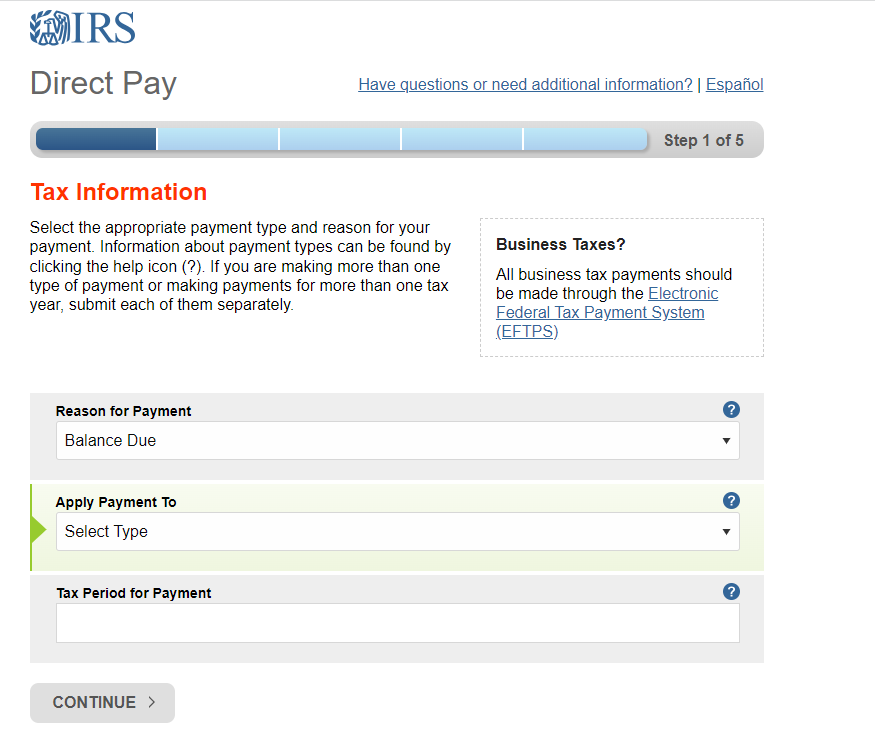
1. IRS Direct Pay: The No-Fee Option
IRS Direct Pay is arguably the most straightforward and cost-effective method for individuals to pay their federal taxes directly from a checking or savings account. It’s a free service provided directly by the IRS, making it a highly attractive option for budget-conscious taxpayers.
- How it Works: You access Direct Pay via IRS.gov, select the reason for your payment (e.g., income tax, estimated tax), enter your bank account details, and specify the payment amount and date. You’ll receive an email confirmation once the payment is scheduled and another when it’s completed.
- Benefits: No processing fees, direct from your bank account, simple interface, and secure. It can be used for various tax forms, including Form 1040, estimated tax payments, and certain penalties.
- Considerations: Payments typically take 1-2 business days to process. It is limited to individual taxpayers for most common payment types. You need to verify your identity using prior tax return information for security purposes. This is a prime example of a financial tool designed for personal finance management.
2. Debit Card, Credit Card, or Digital Wallet: Convenience with Fees
For those who prioritize convenience, flexibility, or wish to earn rewards points, paying via debit card, credit card, or digital wallet (like PayPal or Click to Pay) through authorized third-party processors is an excellent option.
- How it Works: The IRS partners with several approved payment processors. You select a processor from the IRS website, which then directs you to their secure platform to complete the transaction. You’ll enter your card or digital wallet details and the payment amount.
- Benefits: Offers immediate payment confirmation, allows for credit card rewards, and can be useful for managing cash flow, especially if you need to defer an immediate cash outlay. It’s also flexible for those who prefer not to share bank account details directly.
- Considerations: The key drawback here is the associated processing fee. Third-party processors charge a fee, which varies depending on the processor and the type of card/digital wallet used. Debit card fees are generally lower (flat fee) than credit card fees (percentage-based), which can add up for larger payments. It’s essential to factor these fees into your financial planning.
3. Electronic Federal Tax Payment System (EFTPS): For Businesses and Estimated Taxes
EFTPS is the gold standard for businesses and individuals who make estimated tax payments or need to pay other federal taxes electronically. It’s a free service that offers a higher level of control and scheduling flexibility.
- How it Works: EFTPS requires enrollment and can take several days to process initial registration. Once enrolled, you can schedule payments up to 365 days in advance and review your payment history. You can make payments via the EFTPS website or through a tax professional.
- Benefits: Ideal for business finance management due to its robust features. It allows for advanced scheduling, which is crucial for managing quarterly estimated taxes or payroll taxes. Provides a comprehensive payment history. No fees charged by the IRS.
- Considerations: Requires enrollment, which can take time. It’s a more involved system than Direct Pay, but its features are invaluable for sophisticated financial planning and recurring payments. It’s a dedicated financial tool for systematic tax compliance.
4. IRS Online Account: Your Tax Dashboard
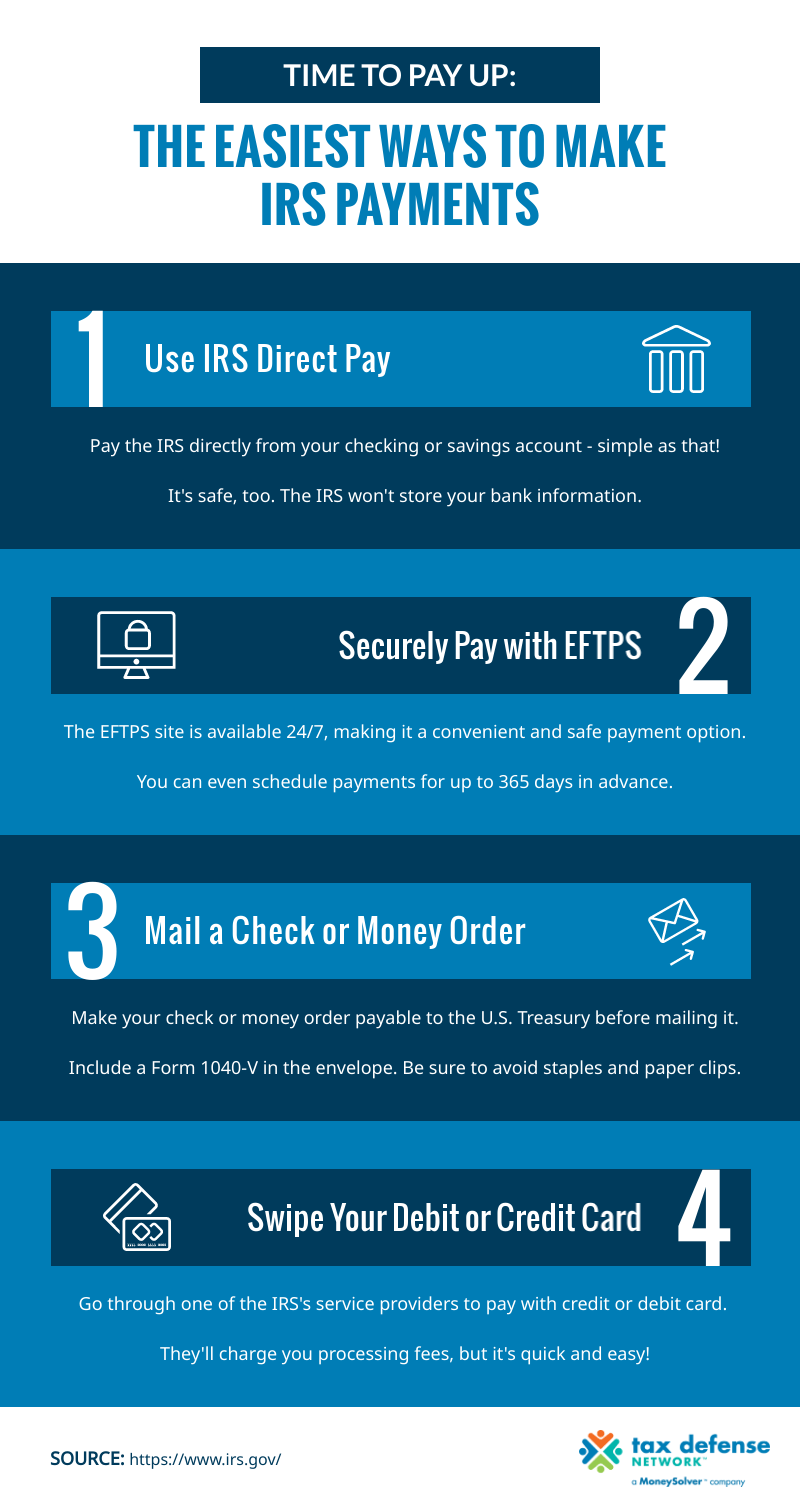
While not a direct payment method in itself, the IRS Online Account is a powerful financial tool that enhances your ability to manage and track your federal tax obligations.
- How it Works: By creating an online account on IRS.gov, you can view your tax balance, payment history, make payments directly via IRS Direct Pay (linked from the account), and even access tax records and notices.
- Benefits: Centralized hub for your federal tax information, enabling better personal financial management and monitoring. You can see if your payment was processed and if you owe any additional amounts.
- Considerations: Requires identity verification to set up, which involves a multi-step process to ensure security. It’s an essential component for any proactive taxpayer looking to stay on top of their tax finances.
Ensuring Security and Accuracy in Your Online Payments
While the convenience of online tax payments is undeniable, it is paramount to approach these transactions with a focus on security and accuracy. Safeguarding your financial information and ensuring your payments are correctly applied are non-negotiable aspects of responsible financial management.
Verifying Legitimate IRS Portals
The digital landscape is unfortunately rife with scams. It is critical to always initiate your online IRS payments directly through the official IRS website (IRS.gov) or through authorized, legitimate third-party processors linked from IRS.gov. Never click on unsolicited emails or pop-up ads claiming to be from the IRS, as these are often phishing attempts designed to steal your financial information. Double-checking the URL in your browser for “IRS.gov” before entering any personal or financial data is a simple yet effective defense against fraud. This diligence protects your personal finance from malicious actors.
Protecting Your Financial Information
When making online payments, ensure you are using a secure internet connection. Avoid public Wi-Fi networks for financial transactions, as they are often less secure and vulnerable to eavesdropping. Use strong, unique passwords for any online accounts associated with tax payments, and enable multi-factor authentication whenever available. Treat your tax identification number (SSN or EIN) and bank account details with the utmost confidentiality, as these are prime targets for identity theft. Regularly review your bank and credit card statements for any suspicious activity following an online tax payment.
Double-Checking Payment Details and Confirmation
Before finalizing any online payment, meticulously review all the entered information: the payment amount, the tax year it applies to, the payment effective date, and your bank account or card details. A single digit error can lead to a payment being misapplied, returned, or delayed, potentially incurring penalties. After submitting your payment, always save or print the confirmation number and any digital receipts. This confirmation serves as your proof of payment and is crucial for your financial records, especially in the unlikely event of a discrepancy or audit. This robust record-keeping is a cornerstone of sound financial practice for both individuals and businesses.
Strategic Considerations for Timely Tax Payments
Beyond merely understanding the mechanics of online payments, strategic financial planning plays a crucial role in managing your tax obligations effectively. Proactive steps can help you avoid penalties, optimize your cash flow, and maintain fiscal health throughout the year.
Understanding Payment Deadlines and Estimated Taxes
A fundamental aspect of responsible financial management is knowing your tax payment deadlines. For most individual taxpayers, the annual tax payment is due on April 15th (or the next business day if it falls on a weekend or holiday). However, if you have significant income not subject to withholding (e.g., self-employment income, rental income, investment income), you are likely required to make estimated tax payments quarterly.
- Estimated Tax Payments: These payments, due throughout the year, are essential for avoiding underpayment penalties. Missing or underpaying these can significantly impact your personal or business finance. Utilizing EFTPS for scheduling these recurring payments in advance can automate compliance, freeing up mental bandwidth and reducing the risk of oversight. Proactive financial planning involves forecasting your income and expenses to accurately estimate your tax liability and schedule these payments accordingly.
Payment Plans and Agreements
If you find yourself unable to pay your tax liability by the due date, it’s crucial to act promptly. The IRS offers several options, such as short-term payment plans (up to 180 days) or installment agreements (for larger, longer-term needs). Applying for these online through your IRS Online Account or IRS.gov can mitigate penalties and interest compared to simply ignoring the debt. While not a payment method per se, these agreements are critical financial tools for managing unexpected financial strain and preventing tax debt from spiraling out of control. Understanding these options is part of a holistic approach to managing your finances responsibly, even in challenging times.
Impact on Personal and Business Cash Flow
Integrating online tax payments into your overall financial strategy can significantly impact your cash flow management. Scheduling payments in advance, especially estimated taxes, allows businesses and individuals to budget more effectively, avoiding large, unexpected cash outflows. Utilizing credit card payments (despite fees) can sometimes be a strategic move for short-term cash flow management or for earning rewards, provided the rewards outweigh the fees. For businesses, meticulous planning of tax payments ensures that capital remains available for operations and growth, rather than being unexpectedly diverted. This foresight is a hallmark of strong business finance and personal fiscal discipline.
Conclusion
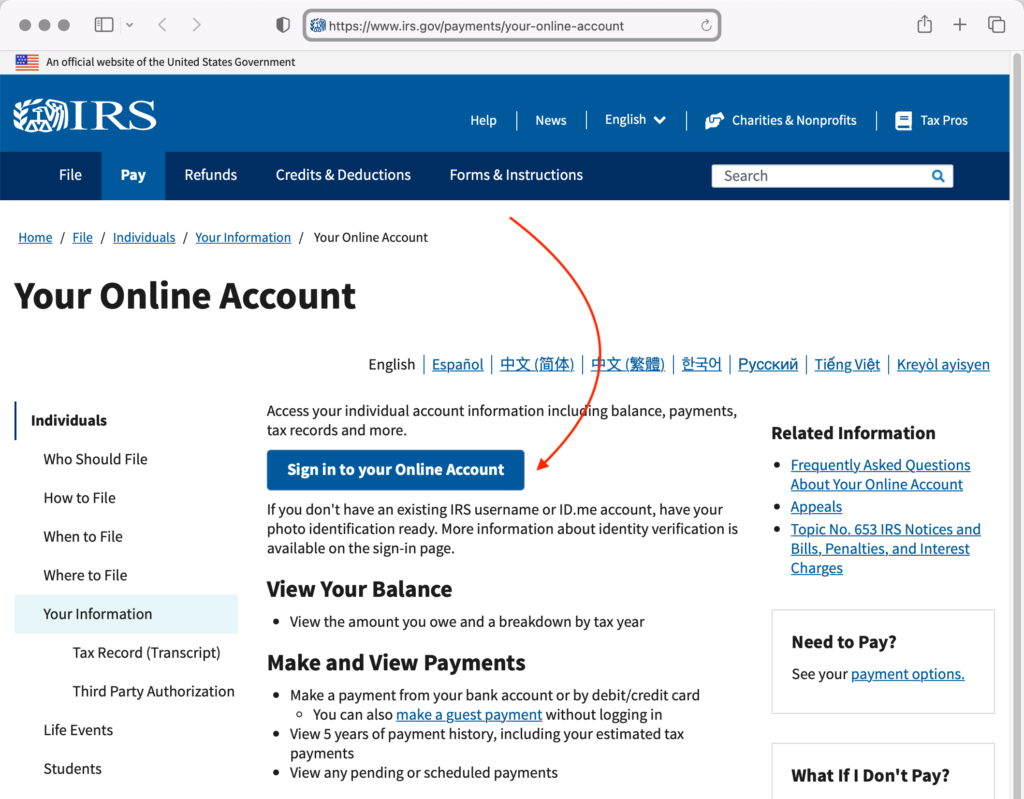
The journey from paper checks to robust online payment portals marks a significant evolution in how we interact with our tax obligations. The IRS’s suite of online payment options—IRS Direct Pay, debit/credit card payments, and the Electronic Federal Tax Payment System (EFTPS)—offers unparalleled convenience, security, and efficiency. These tools are more than just technological advancements; they are fundamental financial instruments that empower individuals and businesses to manage their tax liabilities with precision, confidence, and control.
By embracing these digital pathways, taxpayers can streamline their financial routines, safeguard sensitive information, and ensure timely compliance, all while maintaining meticulous records essential for sound financial planning. As the digital economy continues to mature, mastering the art of online IRS payments is no longer a luxury but a fundamental component of effective personal and business finance, contributing to peace of mind and robust fiscal health. Make the shift today, and transform your tax payment experience from a cumbersome chore into a seamless, strategic financial operation.
aViewFromTheCave is a participant in the Amazon Services LLC Associates Program, an affiliate advertising program designed to provide a means for sites to earn advertising fees by advertising and linking to Amazon.com. Amazon, the Amazon logo, AmazonSupply, and the AmazonSupply logo are trademarks of Amazon.com, Inc. or its affiliates. As an Amazon Associate we earn affiliate commissions from qualifying purchases.