
Navigating the complexities of the tax system can often feel like deciphering a secret code. For many, particularly those with income streams beyond a standard W-2 salary, the task of estimating tax payments is not just a recommendation but a crucial element of sound financial planning. Failing to accurately estimate and pay your taxes throughout the year can lead to unwelcome surprises come tax season, including significant underpayment penalties.
This comprehensive guide will demystify the process of estimating tax payments, empowering you with the knowledge and tools to manage your tax obligations proactively. Whether you’re a burgeoning freelancer, a seasoned small business owner, an investor, or simply an individual with diverse income sources, understanding how to project your tax liability is fundamental to maintaining financial peace of mind and optimizing your overall financial health. We’ll delve into who needs to make estimated payments, the critical information to gather, various estimation methodologies, and best practices for staying on top of your tax responsibilities year-round.
Understanding Who Needs to Estimate Taxes
While most traditional employees have their taxes automatically withheld from their paychecks, many individuals and entities are responsible for calculating and paying their taxes directly to the IRS throughout the year. This system, known as estimated tax, ensures that taxpayers contribute their share as they earn income, rather than facing a massive bill at year-end.
Self-Employed Individuals and Freelancers
Perhaps the most prominent group required to pay estimated taxes are self-employed individuals and freelancers. This includes independent contractors, gig workers, and small business owners operating as sole proprietors, partners, or S-corporation shareholders. Since no employer is withholding taxes on their behalf, they are solely responsible for calculating and remitting federal (and often state) income tax, self-employment tax (which covers Social Security and Medicare), and any other applicable taxes. If you expect to owe at least $1,000 in tax for the year from your self-employment activities, estimated payments are almost certainly in your future.
Individuals with Significant Unwithheld Income
Beyond the self-employed, many other income sources are not subject to standard payroll withholding, necessitating estimated tax payments. This category includes:
- Investment Income: Dividends, interest, and capital gains from the sale of stocks, bonds, mutual funds, or real estate.
- Rental Income: Earnings from rental properties, after deducting eligible expenses.
- Alimony: While less common after recent tax law changes, certain alimony payments received are still taxable.
- Gambling Winnings: Substantial winnings from lotteries, casinos, or other forms of gambling.
- Retirement Income: Certain pension and annuity payments, if you haven’t elected to have tax withheld.
Essentially, if you anticipate receiving income from which taxes are not automatically withheld, and that income pushes your total expected tax liability above a certain threshold, you’ll need to consider estimated payments.
Avoiding Underpayment Penalties
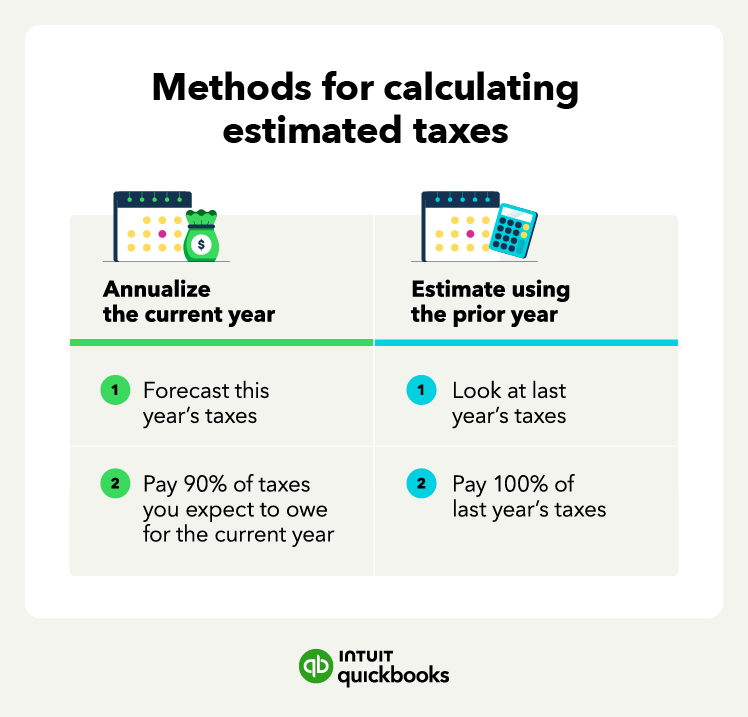
The primary motivation for accurately estimating and paying taxes quarterly is to avoid underpayment penalties. The IRS generally requires you to pay tax as you earn income throughout the year, either through withholding or estimated payments. To avoid penalties, you must pay at least 90% of your current year’s tax liability or 100% of your prior year’s tax liability (110% if your Adjusted Gross Income in the prior year was over $150,000), whichever is smaller. Missing these thresholds can result in penalties calculated on the amount underpaid and the duration of the underpayment. Understanding this “safe harbor” rule is crucial for planning your payments strategically.
Gathering Your Financial Information
The cornerstone of an accurate tax estimate is comprehensive and organized financial information. Without a clear picture of your income and potential deductions, any estimation will be little more than an educated guess. Proactive data collection is not merely a suggestion; it is the bedrock of effective tax planning.
Income Sources and Amounts
Start by meticulously listing all your anticipated income streams for the tax year. This includes:
- Business Income: For the self-employed, project your gross receipts and sales. This might involve reviewing past performance, current contracts, and anticipated new business.
- W-2 Wages: If you also have a traditional job, include your expected salary, bonuses, and any other taxable compensation.
- Investment Income: Estimate dividends, interest, and potential capital gains. For capital gains, consider any planned sales of appreciated assets.
- Rental Income: Project your gross rental receipts.
- Other Income: Include any other taxable income such as pension distributions, Social Security benefits (if taxable), or royalty income.
Be realistic with your projections. It’s often safer to slightly overestimate income than to underestimate, as overpayments are generally refunded, while underpayments can trigger penalties.
Deductions and Credits
Once you have a handle on your projected income, turn your attention to deductions and credits, which can significantly reduce your taxable income and, consequently, your tax liability.
- Business Expenses: For the self-employed, list all ordinary and necessary business expenses. This could include office supplies, software subscriptions, marketing costs, professional development, mileage, and home office deductions. Accurate record-keeping throughout the year is vital here.
- Above-the-Line Deductions: These reduce your gross income to arrive at Adjusted Gross Income (AGI). Examples include contributions to traditional IRAs or HSAs, self-employment tax deductions, and student loan interest.
- Standard vs. Itemized Deductions: Decide whether you’ll take the standard deduction (a fixed amount based on your filing status) or itemize deductions (such as medical expenses, state and local taxes, and mortgage interest). Keep track of potential itemized deductions if you anticipate exceeding the standard deduction amount.
- Tax Credits: Credits directly reduce your tax liability dollar-for-dollar. Examples include the Child Tax Credit, Dependent Care Credit, Education Credits, and various business credits. Researching applicable credits can yield substantial savings.
Prior Year’s Tax Return
Your previous year’s tax return (Form 1040) is an invaluable resource for estimating current year taxes. It provides a baseline for your income, deductions, credits, and overall tax liability. While this year may differ, the prior year’s return offers a realistic starting point for many categories, especially if your financial situation hasn’t undergone drastic changes. Pay close attention to your Adjusted Gross Income (AGI), total tax, and any credits or deductions you claimed.
Withholding Adjustments (W-4)
For individuals with both W-2 income and other unwithheld income, optimizing your W-4 form with your employer can be an effective strategy to manage your estimated tax burden. By adjusting your W-4, you can increase your payroll withholding to cover some or all of your estimated tax liability from other sources, potentially reducing or eliminating the need for separate quarterly payments. This is a common tactic for salaried individuals with significant investment income or small side hustles.
Methods for Estimating Your Tax Liability
With your financial data in hand, you’re ready to tackle the estimation itself. Several methods can be employed, ranging from simple to more detailed, each with its own advantages depending on your financial stability and comfort with projection.
The Prior Year Method (Safe Harbor)
This is often the simplest and most conservative approach, particularly if your income and deductions are relatively stable year over year. As mentioned, the “safe harbor” rule allows you to avoid underpayment penalties if you pay at least 100% of your prior year’s tax liability (or 110% if your prior year AGI was over $150,000).
To use this method, simply take your total tax from line 24 of your prior year’s Form 1040. Divide this amount by four, and that’s your quarterly estimated payment. This method provides a clear target and minimal calculation but might result in overpaying if your current year’s income or deductions significantly decrease. Conversely, if your income rises substantially, relying solely on last year’s figure might leave you short of your current year’s actual liability, although you’d still avoid the penalty if you meet the safe harbor threshold.
The Current Year Method
For those with fluctuating incomes, significant changes in deductions, or new income streams, the current year method offers a more precise, albeit more intensive, approach. This method involves projecting your entire current year’s financial picture from scratch.
- Income Projection: Estimate your gross income from all sources for the entire year. This requires a bit of foresight, perhaps analyzing month-to-month trends for self-employment income or anticipating investment gains.
- Expense and Deduction Projection: Estimate all your eligible deductions and credits for the year. This includes business expenses, itemized deductions (if applicable), above-the-line deductions, and all tax credits.
- Tax Bracket Analysis: Once you have your projected taxable income, apply the current year’s tax brackets to determine your estimated federal income tax. Don’t forget to factor in self-employment tax if applicable, which is calculated on your net earnings from self-employment.
- Total Tax Calculation: Sum up your estimated income tax and self-employment tax (if applicable) to arrive at your total estimated tax liability for the year.
This total is then typically divided into four equal payments. While more work upfront, this method provides the most accurate reflection of your actual tax obligation and minimizes the risk of significant over or underpayment.
Using IRS Form 1040-ES
The IRS provides Form 1040-ES, Estimated Tax for Individuals, specifically to help you calculate your estimated tax. This form includes a worksheet that guides you through the process, prompting you to consider various income types, deductions, and credits. It walks you step-by-step to compute your expected adjusted gross income, deductions, taxable income, and ultimately, your total estimated tax. Even if you use tax software, familiarizing yourself with the 1040-ES worksheet can provide a deeper understanding of the factors at play.
Leveraging Financial Software and Tools
In today’s digital age, numerous tools can simplify tax estimation.
- Tax Software: Popular tax preparation software like TurboTax, H&R Block, and TaxAct often include estimated tax calculators or features that help project your liability for the upcoming year based on your current year’s data.
- Spreadsheets: For the DIY enthusiast, a custom spreadsheet can be a powerful tool. You can input your income and expense projections, apply tax rates, and track your quarterly payments.
- Online Calculators: Many financial websites and the IRS itself offer free estimated tax calculators that provide quick estimates based on your input. While useful for rough figures, they may not capture all the nuances of your specific situation.
Making and Adjusting Your Estimated Payments
Estimating your tax liability is only half the battle; the other half is ensuring those payments are made correctly and on time. The system is designed to be flexible, recognizing that financial situations can change throughout the year.
Payment Schedule
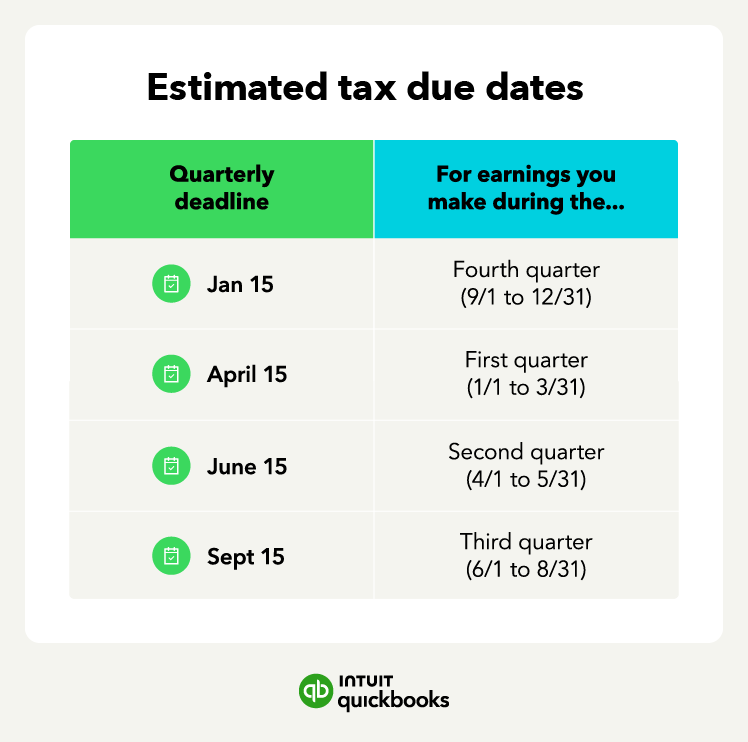
Estimated taxes are typically paid in four installments throughout the year, coinciding with the traditional tax quarters. The due dates are:
- April 15: For income earned January 1 to March 31.
- June 15: For income earned April 1 to May 31.
- September 15: For income earned June 1 to August 31.
- January 15 of next year: For income earned September 1 to December 31.
If a due date falls on a weekend or holiday, the deadline is extended to the next business day. It’s crucial to mark these dates on your calendar to avoid late payment penalties.
Payment Methods
The IRS offers several convenient ways to make estimated tax payments:
- IRS Direct Pay: This free service allows you to make payments directly from your checking or savings account. It’s fast, secure, and provides immediate confirmation.
- Electronic Federal Tax Payment System (EFTPS): This is a free service from the Treasury Department primarily used by businesses but also available to individuals. It offers greater control over payment scheduling.
- Debit/Credit Card: You can pay through authorized payment processors, though a processing fee typically applies.
- Mail: You can still mail a check or money order using the payment vouchers included with Form 1040-ES. This method is the slowest and offers the least immediate confirmation.
Many states also require estimated tax payments, and their payment methods often mirror federal options.
Adjusting Payments Throughout the Year
One of the most valuable aspects of the estimated tax system is its flexibility. Your initial estimate is not set in stone. If your income, deductions, or credits change significantly during the year, you should revise your estimated payments.
For instance, if your business has an unexpectedly strong quarter, you should increase your subsequent estimated payments to cover the increased liability. Conversely, if you face a downturn or incur substantial unexpected deductible expenses, you can reduce future payments. The goal is to ensure your total payments throughout the year align as closely as possible with your actual tax liability, minimizing both underpayment penalties and excessive overpayment.
Handling Significant Life Changes
Major life events often have substantial tax implications that necessitate adjustments to your estimated payments.
- New Job or Business: Starting a new venture or getting a new job (especially if it involves variable income or lack of withholding) will directly impact your tax obligations.
- Marriage or Divorce: Changes in filing status can drastically alter your tax brackets and eligibility for certain credits and deductions.
- Sale of Assets: Selling a home, investments, or a business can trigger significant capital gains, requiring a substantial increase in estimated payments for that quarter.
- Birth or Adoption of a Child: This can make you eligible for credits like the Child Tax Credit, potentially reducing your overall tax liability.
Proactively reviewing your financial situation after such events will help you adjust your estimates and maintain compliance.
Common Pitfalls and Best Practices
While the process of estimating tax payments can seem daunting, being aware of common mistakes and adopting best practices can streamline the process and prevent costly errors.
Underestimating Income or Overestimating Deductions
One of the most common pitfalls is being overly optimistic about future income or too generous with projected deductions. This often leads to underpayment, triggering penalties. It’s always prudent to be conservative in your estimates – aim for a slightly higher income projection and a slightly lower deduction projection if there’s uncertainty. Remember, it’s generally better to overpay slightly and receive a refund than to underpay and face penalties.
Forgetting State and Local Taxes
Many taxpayers focus exclusively on federal estimated taxes and overlook their state and local obligations. Most states with an income tax also require estimated payments if you have unwithheld income. Some cities or localities may also levy income taxes. Always investigate your specific state and local requirements to ensure you’re compliant across all jurisdictions.
Proactive Record-Keeping
Accurate and organized record-keeping is not just a best practice; it’s essential. Maintain a clear system for tracking all income and expenses as they occur. This could be a simple spreadsheet, accounting software, or even a dedicated folder for physical receipts. Good records not only simplify the estimation process but are also invaluable in case of an IRS audit. Regular reconciliation of your financial accounts will ensure you have the most up-to-date data for your estimates.
Consulting a Professional
While this guide provides a solid foundation, complex financial situations may warrant the expertise of a tax professional. If you have multiple income streams, sophisticated investments, are navigating a significant life event, or simply feel overwhelmed, a Certified Public Accountant (CPA) or Enrolled Agent (EA) can offer tailored advice. They can help you optimize your estimates, identify all eligible deductions and credits, and ensure you comply with all federal and state tax laws. The cost of professional advice often pales in comparison to the potential penalties or missed savings from handling complex tax matters yourself.
Conclusion
Estimating tax payments is a vital component of responsible financial management for anyone with income not subject to traditional withholding. Far from being a mere compliance chore, it’s an opportunity to gain greater control over your financial future, avoid penalties, and plan effectively. By understanding who needs to pay, diligently gathering your financial information, employing robust estimation methods, and making timely adjustments, you can navigate the tax landscape with confidence.
Embrace the proactive approach: track your income and expenses meticulously, review your estimates regularly, and don’t hesitate to seek professional guidance when needed. With a clear strategy, estimating your tax payments transforms from a source of anxiety into an empowering tool for financial peace of mind, ensuring you meet your obligations without unwelcome surprises.
aViewFromTheCave is a participant in the Amazon Services LLC Associates Program, an affiliate advertising program designed to provide a means for sites to earn advertising fees by advertising and linking to Amazon.com. Amazon, the Amazon logo, AmazonSupply, and the AmazonSupply logo are trademarks of Amazon.com, Inc. or its affiliates. As an Amazon Associate we earn affiliate commissions from qualifying purchases.