
The landscape of personal finance has undergone a remarkable transformation, particularly in how we interact with our civic obligations. Gone are the days when paying income tax was synonymous with mountains of paperwork, long queues, or the nervous anticipation of a check making its way through the postal system. Today, the digital revolution has brought unprecedented convenience and efficiency to this essential task. Paying income tax online is not just a modern amenity; it has become the standard, offering taxpayers a secure, swift, and often simpler way to fulfill their financial responsibilities.
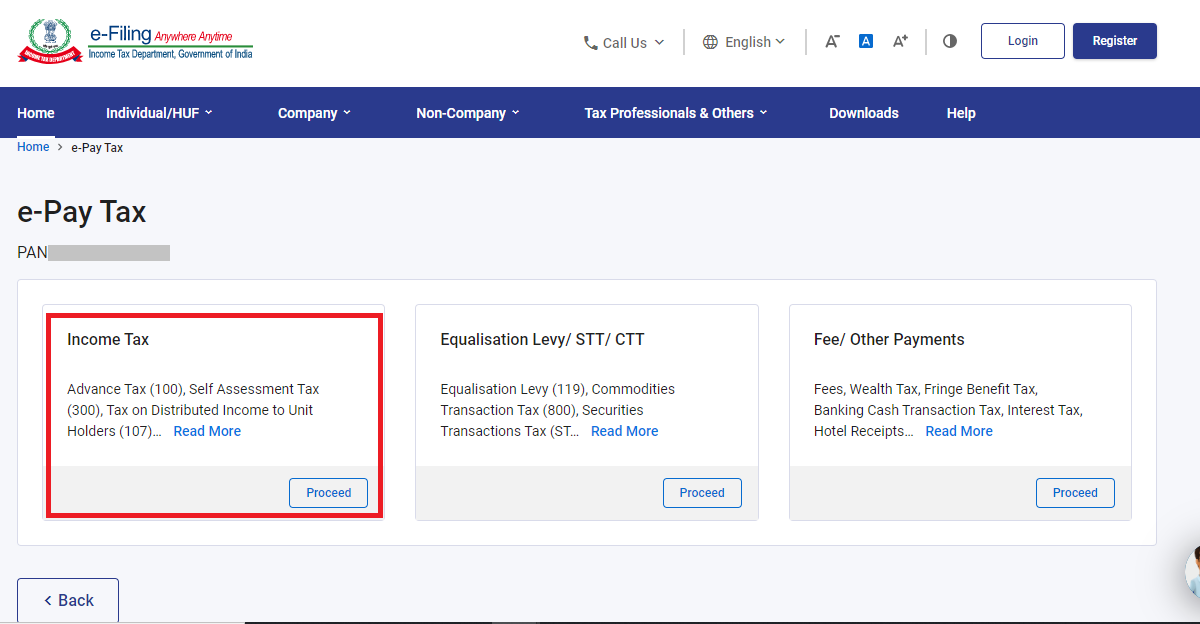
This comprehensive guide will demystify the process of online income tax payment, providing an insightful look into the evolution of tax administration, the practical steps involved, the various platforms available, and crucial best practices to ensure a smooth, error-free experience. Whether you’re a first-time filer or a seasoned taxpayer looking to optimize your process, understanding the nuances of online payments is paramount to effective personal financial management.
The Evolution of Tax Payments: From Paper to Pixels
The journey from manual, paper-based tax payments to sophisticated digital transactions reflects a broader societal shift towards automation and digital convenience. For decades, the payment of income tax was a laborious, often anxiety-inducing process.
The Traditional Burden: Checks, Mail, and Manual Processing
Historically, tax payments were predominantly made through physical checks, money orders, or even cash at designated government offices. This traditional method, while seemingly straightforward, was fraught with potential complications. Taxpayers had to ensure checks were correctly filled out, mailed well in advance of deadlines, and trusted to the postal service. The sheer volume of manual processing at tax authorities often led to delays in acknowledgment, increasing the risk of misplaced payments or administrative errors. Record-keeping was also a challenge, relying heavily on individual meticulousness to retain physical copies of checks and mailing receipts. This era often meant a significant time investment and a higher margin for human error, creating unnecessary stress for taxpayers.
The Digital Revolution: Convenience, Speed, and Accuracy
The advent of the internet and digital banking fundamentally altered this paradigm. Governments worldwide, recognizing the immense benefits of digitalization, invested in robust online portals and payment systems. This digital revolution brought unparalleled convenience, allowing taxpayers to make payments from the comfort of their homes or offices, 24/7. Speed became a hallmark; payments are often processed instantly or within a few business days, providing immediate confirmation. Furthermore, online systems reduce the likelihood of common errors associated with manual entry, as many fields are pre-populated or validated in real-time. This transition not only streamlined the process for individuals but also significantly enhanced the efficiency of tax collection agencies, leading to quicker processing of returns and refunds.
Essential Steps to Paying Your Income Tax Online
Paying income tax online, while convenient, requires a methodical approach to ensure accuracy and compliance. Following a structured process can save you time, prevent errors, and alleviate stress.
Understanding Your Tax Obligations and Due Dates
Before even considering payment, the fundamental step is to understand precisely what you owe and when it’s due. This involves correctly calculating your tax liability, which typically stems from filing your annual income tax return. For many, this means using tax preparation software or consulting with a tax professional. Equally critical are the due dates. Income tax payments are subject to strict deadlines, and missing them can result in penalties and interest. Familiarize yourself with the primary annual deadline (e.g., April 15th in the US for federal taxes) and any quarterly estimated tax payment dates if you are self-employed or have significant income not subject to withholding.
Gathering Necessary Information and Documents
Once your tax liability is determined, gather all pertinent information required for the online payment. This typically includes:
- Your Social Security Number (SSN) or Taxpayer Identification Number (TIN)
- Your filing status (e.g., Single, Married Filing Jointly)
- The tax year for which you are making the payment
- The exact amount you wish to pay
- Your bank account details (routing and account number) if paying directly from a bank account, or your credit/debit card information if using a card.
Having these details readily available will expedite the payment process and minimize the risk of input errors.
Choosing the Right Online Payment Method
Most tax authorities offer several online payment options, each with its own advantages. Your choice will depend on your preference for convenience, cost, and immediate confirmation.
- Direct Pay (Bank Account): Often the preferred method due to its directness and typically no associated fees.
- Credit/Debit Card: Offers flexibility and the potential for rewards points, but usually comes with a processing fee from a third-party provider.
- Electronic Funds Withdrawal (EFW): An option often integrated into tax preparation software, allowing you to schedule payment directly from your bank account when you e-file your return.
- Electronic Federal Tax Payment System (EFTPS): A robust system primarily for businesses but also available to individuals, allowing scheduled payments well in advance.
Navigating the Official Tax Portal
Always make payments through the official government tax portal. For example, in the United States, this is the IRS website (IRS.gov). In other countries, it would be their respective national tax authority’s website. These portals are designed with security in mind and provide clear, step-by-step instructions. Be wary of third-party websites that claim to facilitate payments unless they are officially recognized and linked from the government’s site. Ensure the website address starts with “https://” and look for a padlock icon in your browser’s address bar, indicating a secure connection.
A Deep Dive into Common Online Payment Platforms
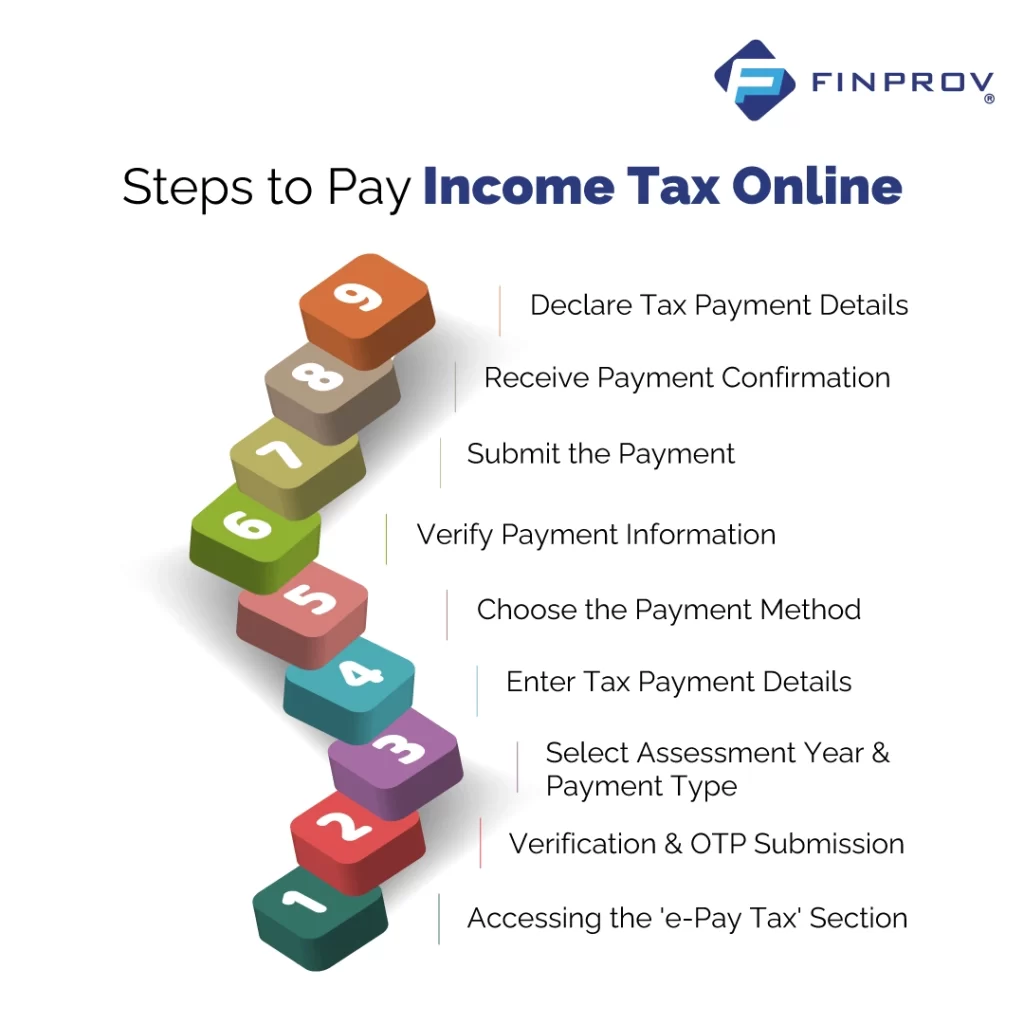
Understanding the specific platforms available for online tax payments is crucial for selecting the method that best suits your financial situation and preferences. While specific names may vary by country, the functionalities are largely similar.
Using the IRS Direct Pay System (for US Taxpayers)
For taxpayers in the United States, the IRS Direct Pay system is a popular and straightforward option. This free service allows individuals to pay their federal income taxes directly from their checking or savings account. Users simply visit the IRS website, select “Direct Pay,” and follow the prompts. You’ll need to verify your identity using basic personal information from a previous tax year. It’s an excellent choice for those who want to avoid processing fees and receive instant confirmation via email. Payments can be scheduled up to 365 days in advance.
Paying via Debit Card, Credit Card, or Digital Wallet
For those who prefer the flexibility or rewards offered by credit or debit cards, this is a viable option. The IRS, like many other tax authorities, partners with various third-party payment processors to handle these transactions. While convenient, these processors typically charge a nominal fee (ranging from 1.87% to 2.25% for credit cards, and a flat fee for debit cards) to cover their service. Digital wallets like PayPal or Venmo may also be integrated through these processors. This method provides immediate confirmation of payment and can be beneficial for managing cash flow, though the fees should be weighed against any potential card rewards.
Exploring the Electronic Federal Tax Payment System (EFTPS)
EFTPS is a more robust, government-run system primarily used by businesses for various federal tax payments, including estimated taxes, but it is also available to individual taxpayers. It requires enrollment and a few days to set up, as it involves receiving a PIN by mail for security. Once enrolled, users can schedule payments up to 365 days in advance and review their payment history for up to 15 months. EFTPS is a highly secure and reliable option, particularly for those who make multiple or recurring tax payments throughout the year, offering greater control and oversight.
State and Local Tax Payment Portals
It’s important to remember that many countries have sub-national tax jurisdictions (states, provinces, municipalities) that also levy income taxes. Each of these entities typically maintains its own dedicated online payment portal. The process mirrors the federal systems: navigate to the official state or local tax agency website, locate their payment options, and follow the instructions. While similar in nature, the specific payment methods and fees may vary, so it’s essential to consult the relevant local authority’s guidance.
Benefits and Best Practices for Online Tax Payments
Embracing online income tax payments offers a plethora of benefits, but maximizing these advantages requires adherence to certain best practices and an awareness of potential pitfalls.
The Advantages: Convenience, Security, and Record-Keeping
The primary advantage of online payments is unparalleled convenience. Taxpayers can fulfill their obligations from anywhere, at any time, using a computer or mobile device. This eliminates the need for physical visits or postal services. Modern online payment systems are built with robust security features, utilizing encryption and secure protocols to protect sensitive financial information, often making them more secure than mailing a check. Furthermore, online payments provide an instant and verifiable record of your transaction, typically through email confirmations and online account histories, simplifying future audits or financial reconciliation.
Common Pitfalls to Avoid: Double Payments, Incorrect Information, Missed Deadlines
Despite the ease, certain pitfalls can lead to complications. Double payments can occur if you submit payments through multiple channels or accidentally hit submit twice. Always confirm a single submission. Entering incorrect information, such as a wrong bank account number or SSN, can cause payments to be rejected or misapplied, leading to delays and potential penalties. Double-check all entered data before finalizing the transaction. Finally, while online payments offer flexibility, they do not extend missed deadlines. Ensure your payment is initiated well before the cut-off time, especially on busy tax days, to account for any system delays.
Ensuring Security: Protecting Your Financial Information Online
Security is paramount when dealing with financial transactions online. Always use a secure, private internet connection (avoid public Wi-Fi) when making tax payments. Ensure you are on the official government website, verifying the URL and looking for HTTPS and padlock icons. Use strong, unique passwords for any accounts you create on these portals. Be vigilant against phishing scams; tax authorities will rarely ask for personal information or payment details via unsolicited emails or texts. If in doubt, navigate directly to the official website yourself.
What to Do After Payment: Confirmation and Record Retention
Once your online payment is complete, take a few critical steps. First, save or print your confirmation number and any transaction receipts. Many systems will email you a confirmation; retain this email. Second, update your personal financial records to reflect the payment. This documentation is invaluable for future reference, especially if there’s any discrepancy or query from the tax authority. Periodically check your bank or credit card statements to ensure the payment has been processed correctly.
Conclusion
Paying income tax online has firmly established itself as the most efficient, secure, and convenient method for fulfilling one’s tax obligations. By understanding the evolution of tax payments, meticulously following the necessary steps, choosing appropriate platforms, and adhering to best practices, taxpayers can navigate this annual responsibility with confidence and ease. The digital age has transformed what was once a cumbersome task into a streamlined process, empowering individuals and businesses with greater control over their financial management. Embrace these digital tools, stay informed, and enjoy the peace of mind that comes with timely and accurately paid taxes.
aViewFromTheCave is a participant in the Amazon Services LLC Associates Program, an affiliate advertising program designed to provide a means for sites to earn advertising fees by advertising and linking to Amazon.com. Amazon, the Amazon logo, AmazonSupply, and the AmazonSupply logo are trademarks of Amazon.com, Inc. or its affiliates. As an Amazon Associate we earn affiliate commissions from qualifying purchases.