
The world of investing is constantly evolving, with market events often sparking significant interest and discussion among both seasoned traders and novice retail investors. Among these events, stock splits frequently capture headlines, particularly when they involve a company as prominent and influential as NVIDIA. For many, the question isn’t just “when” a split occurs, but “what does it truly mean” for their investments and the broader market. Understanding the mechanics, implications, and strategic rationale behind a stock split is crucial for anyone looking to navigate the complexities of financial markets, especially when a tech titan like NVIDIA is involved.
NVIDIA, a powerhouse in graphics processing units (GPUs) and a critical enabler of the artificial intelligence revolution, has seen its stock price soar to unprecedented levels. This remarkable growth has naturally led to speculation and, more recently, confirmation of a stock split, making “when is NVIDIA stock split?” a top-of-mind query for millions. This article delves into the specifics of stock splits, examines NVIDIA’s historical and recent actions, and unpacks the implications for investors, all within the comprehensive framework of financial analysis and investment strategy.
Understanding Stock Splits and Their Mechanics
At its core, a stock split is a corporate action where a company increases the number of its outstanding shares by dividing existing shares into multiple new shares. While this might sound like a significant change, it’s essential to grasp that a stock split does not alter the total market capitalization of the company or the fundamental value of an investor’s holdings. It’s akin to exchanging a ten-dollar bill for ten one-dollar bills – the total value remains the same, but the denomination changes.
What Exactly is a Stock Split?
Let’s demystify the process with a practical example. Imagine a company announces a 2-for-1 stock split. If you previously owned 100 shares of that company, post-split you would now own 200 shares. Crucially, the price per share would be halved. So, if your original 100 shares were valued at $1,000 each, making your total investment worth $100,000, after the split, you would have 200 shares, each priced at $500. Your total investment value would still be $100,000. Similarly, a 10-for-1 split would multiply your shares by ten and divide the price by ten.
The ex-date for a stock split is a critical juncture. Investors who purchase shares on or after the ex-date are not eligible to receive the additional shares from the split. Conversely, those who own shares before the ex-date will receive the split shares. The record date is when the company identifies shareholders of record who will receive the split shares, and the payment date is when the new shares are actually distributed to eligible shareholders. These dates are meticulously announced by the company to ensure transparency and proper execution.
Why Do Companies Execute Stock Splits?
Companies undertake stock splits for several strategic financial reasons, primarily aimed at enhancing liquidity and making their shares more accessible to a broader range of investors. When a company’s stock price becomes exceedingly high, it can deter smaller retail investors who might find it challenging to purchase even a single share, especially if they are looking to buy in whole units rather than fractional shares. A lower per-share price makes the stock appear more affordable and psychologically appealing.
Increased accessibility often translates to higher trading volume and improved liquidity, meaning shares can be bought and sold more easily without significantly impacting the price. While modern brokerages offer fractional share investing, which somewhat mitigates the high price barrier, the perception of affordability and the ease of trading whole shares still play a significant role. Furthermore, a stock split can signal management’s confidence in the company’s future growth, implying that the share price is expected to continue its upward trajectory, making the split a preemptive measure to keep it within an attractive trading range. Some companies also consider splits to position themselves for inclusion in price-weighted indices like the Dow Jones Industrial Average, where a prohibitively high share price could be a barrier.
NVIDIA’s History with Stock Splits and Recent Actions
NVIDIA’s journey to becoming a market behemoth has been punctuated by periods of exponential growth, often leading to a discussion around its stock price and the potential for splits. The company’s exceptional performance, driven by its pivotal role in AI, data centers, and gaming, has frequently pushed its stock into the upper echelons of valuation, making stock splits a recurring theme in its financial narrative.
NVIDIA’s Past Splits and Growth Trajectory
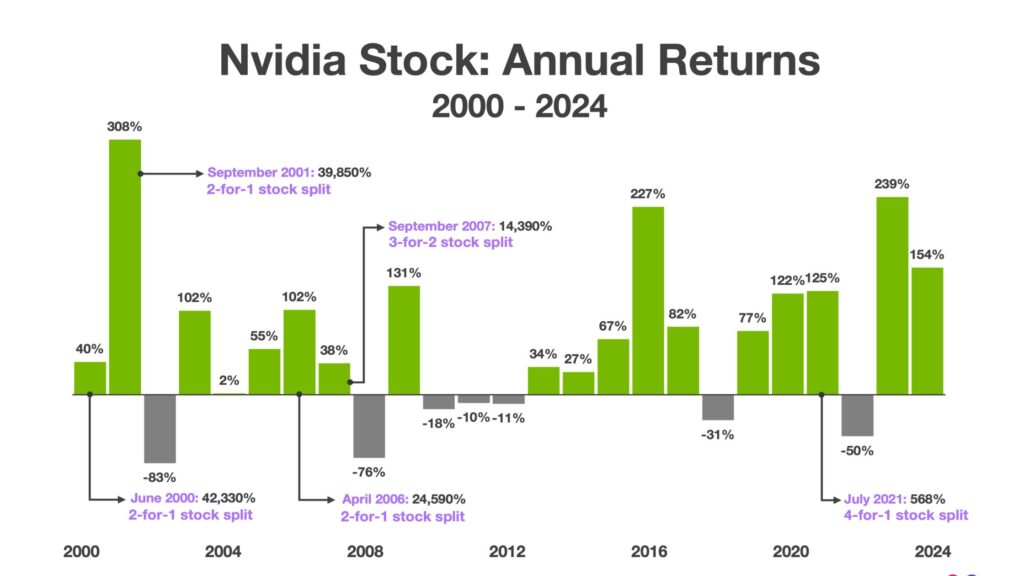
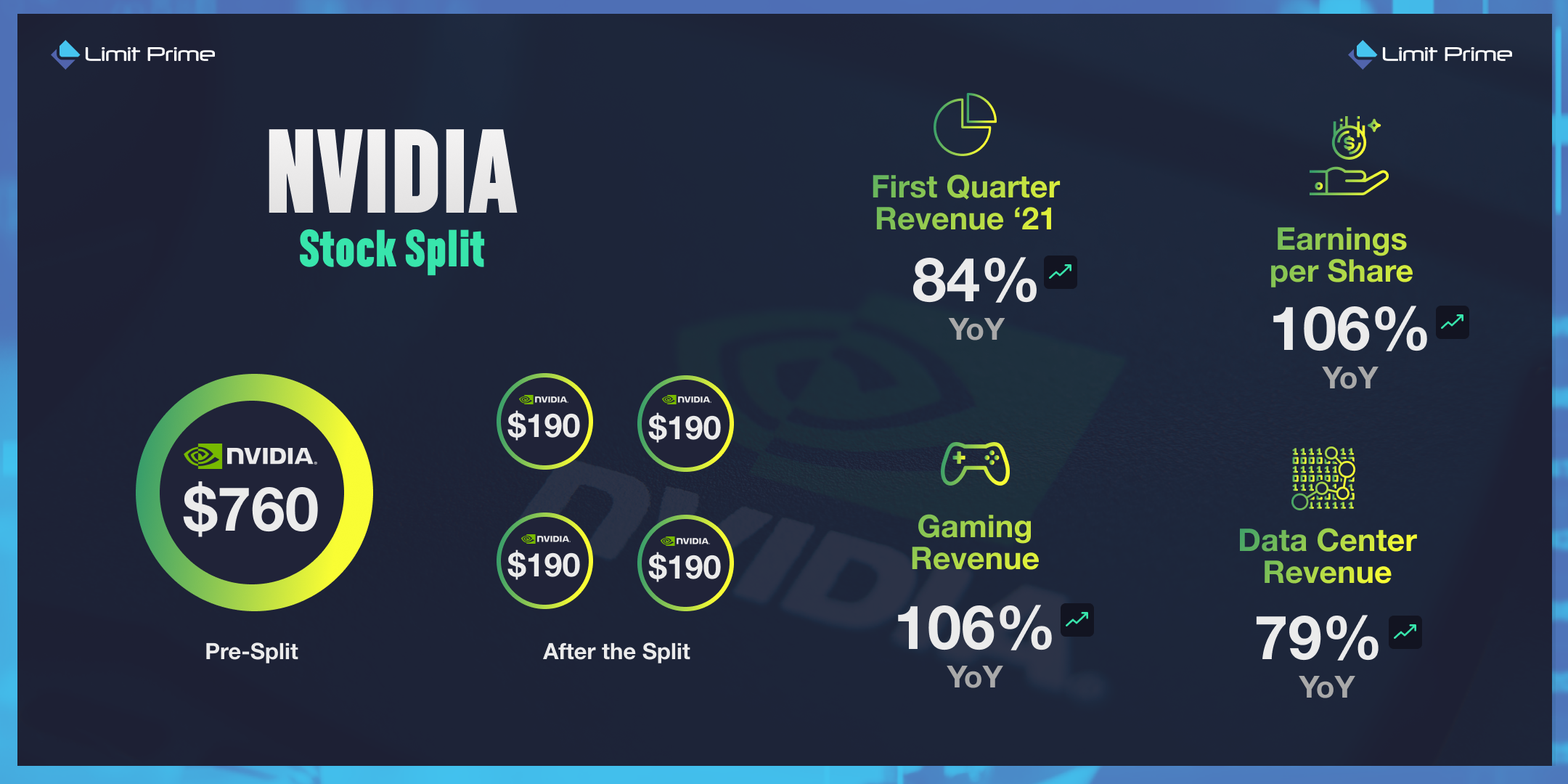
NVIDIA has a history of executing stock splits as its valuation has soared. The company previously undertook a 4-for-1 stock split in July 2021, a move that was widely anticipated given its burgeoning share price at the time. Prior to that, there were other splits further back in its history. Each time, the underlying rationale was consistent: to make the stock more accessible to a wider investor base and maintain an optimal trading range. The 2021 split, in particular, came amidst a surge in demand for its GPUs during the pandemic, fueled by gaming, cryptocurrency mining, and early stages of the AI boom. This move allowed more individual investors to participate in NVIDIA’s growth story, contributing to continued liquidity and market interest. These historical precedents set the stage for subsequent splits, demonstrating a consistent strategy by NVIDIA’s management.
The Rationale Behind NVIDIA’s 2024 Split
Fast forward to 2024, and NVIDIA’s stock price once again reached extraordinary levels, surpassing the $1,000 per share mark and briefly touching even higher valuations. This unprecedented growth, largely propelled by the insatiable demand for its AI chips that power everything from ChatGPT to autonomous vehicles, made a stock split almost inevitable. In May 2024, NVIDIA officially announced a 10-for-1 forward stock split, effective June 7, 2024. This aggressive split ratio reflected the substantial appreciation in its stock price, designed to bring the per-share price down to a more “manageable” level for individual investors.
The primary driver for the 2024 split was undeniably the high share price. With NVIDIA’s market capitalization soaring to rival and even surpass other tech giants, making its shares more affordable per unit was a logical step to attract a broader demographic of retail investors. This strategy not only fosters greater inclusivity in ownership but also aims to sustain investor interest and engagement, which are critical for long-term growth and market stability. By making shares more accessible, NVIDIA can potentially benefit from a more diversified and robust shareholder base, reinforcing its market position as a leading technology innovator.
Market Reaction and Investor Sentiment Leading Up to the Split
The announcement of NVIDIA’s 2024 stock split was met with considerable enthusiasm and positive sentiment from the market. Typically, stock splits are viewed as a bullish signal, indicating that a company’s management is confident in its future prospects and believes the stock will continue to appreciate. While a split doesn’t change fundamentals, the psychological boost it provides can be powerful. Investors often perceive a “cheaper” stock as having more room to grow, even though the underlying value remains constant.
Leading up to the split, NVIDIA’s stock continued its strong performance, with many anticipating increased trading activity post-split. Analysts and financial commentators largely viewed the move as a smart strategic decision, aligning with the company’s growth trajectory and its desire to maintain broad appeal. The split also generated significant discussion in online investing forums and social media, highlighting the high level of retail investor interest in NVIDIA and its pivotal role in the ongoing AI revolution. This sustained engagement ensures that NVIDIA remains a highly watched and actively traded stock, benefiting from continued investor confidence.
Implications for Investors: What a Stock Split Means for Your Portfolio
For investors holding NVIDIA shares, a stock split, while significant in its mechanics, has specific implications that are important to understand. It’s a structural adjustment rather than a fundamental revaluation, yet it can influence investment decisions and market dynamics in various ways.
No Change in Fundamental Value
The most critical takeaway for investors is that a stock split does not alter the fundamental value of their investment. If you owned $10,000 worth of NVIDIA shares before the 10-for-1 split, you would still own $10,000 worth of NVIDIA shares immediately after the split. Your ownership percentage in the company also remains unchanged. For instance, if you owned 0.001% of NVIDIA before the split, you would still own 0.001% after, just represented by a greater number of shares at a proportionately lower price.
This concept is vital to internalize to avoid making investment decisions based on a misunderstanding of what a split represents. The underlying business—its revenues, earnings, intellectual property, market share, and growth prospects—remains precisely the same. A split is a cosmetic change to the share structure, not a re-rating of the company’s intrinsic worth. Therefore, investors should continue to evaluate NVIDIA based on its financial performance, technological innovation, competitive landscape, and future outlook, rather than solely on the share price post-split.
Increased Affordability and Accessibility
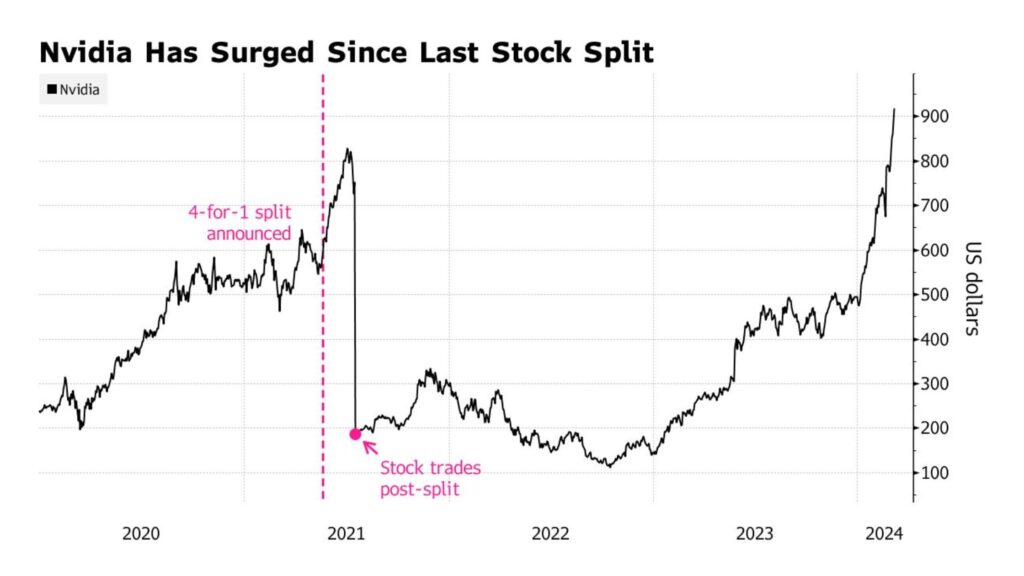
While the total value remains constant, the primary benefit of a stock split for individual investors is enhanced affordability and accessibility. A lower per-share price means that smaller investors can now purchase whole shares of NVIDIA with less capital. For example, if NVIDIA was trading at $1,200 pre-split, and a 10-for-1 split occurred, the new price would be $120 per share. This makes it far more attainable for someone with a few hundred dollars to buy several shares, compared to the challenge of buying even one whole share previously.
This increased affordability often leads to a broader investor base, including more retail investors, who might have been priced out before. For brokerage platforms that do not offer fractional share trading, a split is particularly beneficial, as it allows their clients to build positions in high-value companies like NVIDIA more easily. This democratizes access to potentially high-growth stocks, aligning with the trend of making investing more inclusive.
Potential for Enhanced Liquidity
With a greater number of outstanding shares circulating in the market and a lower per-share price, a stock split can lead to enhanced trading liquidity. Increased liquidity means that it’s generally easier for investors to buy or sell shares without causing significant price fluctuations. A more liquid market typically has tighter bid-ask spreads, making transactions more efficient and potentially reducing trading costs for investors.
While NVIDIA already enjoys high liquidity due to its large market capitalization and broad investor interest, a split can further amplify this effect by drawing in new market participants and encouraging more frequent trading activity. This improved liquidity is beneficial for all investors, as it ensures that they can enter or exit their positions more smoothly when needed.
Psychological Impact and Perceived Value
Beyond the technical aspects, stock splits often carry a significant psychological impact. A lower share price can make a stock feel “cheaper” and more attractive, even if its overall valuation hasn’t changed. This perception can lead to increased investor interest and buying activity. For many, owning a larger number of shares, even if each share is worth less, can provide a sense of greater ownership and potential for future gains.
This psychological effect, while not based on fundamental financial changes, can nonetheless influence market sentiment and contribute to a positive momentum for the stock. It’s a subtle but powerful factor in how investors perceive and react to a company’s shares post-split, often leading to a temporary boost in trading volume and price.
Impact on Options and Derivatives
For investors involved in options trading, a stock split triggers automatic adjustments to options contracts. The number of shares represented by each contract and the strike prices will be adjusted proportionately to reflect the split ratio. For instance, in a 10-for-1 split, an options contract representing 100 shares at a $1,000 strike price would typically be adjusted to represent 1,000 shares at a $100 strike price. This ensures that the economic value of the options contract remains the same before and after the split. Brokers and clearinghouses handle these adjustments automatically, but options traders need to be aware of these changes to manage their positions effectively.
NVIDIA’s Strategic Positioning and Future Outlook Post-Split
NVIDIA’s decision to execute a stock split is not merely a technical adjustment; it’s a strategic move embedded within its broader financial and market positioning strategy. The split helps to consolidate its dominance and prepare for future growth in an increasingly competitive technological landscape.
Reinforcing Market Dominance in AI
NVIDIA’s ascent has been inextricably linked to its pioneering work in AI. Its GPUs are the backbone of modern artificial intelligence, driving innovation across various sectors from data centers and cloud computing to automotive and robotics. The stock split, by broadening investor access, reinforces NVIDIA’s image as an accessible leader in this transformative technology. It invites more investors to partake in the AI revolution, indirectly strengthening the company’s market narrative and visibility. This financial maneuver, while not directly technological, supports the perception of NVIDIA as an indispensable engine of future economic growth fueled by AI.
The split allows NVIDIA to continue attracting capital and maintaining strong market performance, which in turn provides resources for further research and development, solidifying its competitive moat in the rapidly evolving AI hardware space. It’s a signal to the market that NVIDIA expects its growth trajectory to continue, and it wants to ensure a wide investor base can participate in that journey.
Attracting a Broader Investor Base and Long-Term Growth
A primary long-term objective of the split is to attract and retain a broader and more diverse investor base. By lowering the entry barrier, NVIDIA aims to appeal not only to institutional investors but also to a new generation of retail investors who might be building smaller portfolios. This diversification of its shareholder base can contribute to greater stability and resilience in the stock, as individual investors often have different investment horizons and motivations than large institutions.
Furthermore, a more accessible stock can lead to a virtuous cycle: increased investor interest translates to higher liquidity, which can attract more institutional attention, ultimately supporting the stock’s long-term growth trajectory. NVIDIA is playing the long game, ensuring that its stock structure is optimized to reflect its sustained leadership and growth ambitions in critical technological domains.
Potential for Dow Jones Inclusion
One speculative, but often discussed, implication of a stock split for a high-value company is its potential for inclusion in price-weighted indices like the Dow Jones Industrial Average (DJIA). The DJIA, unlike market-capitalization-weighted indices, is influenced more by the absolute share price of its components. A stock with an exceptionally high price can disproportionately affect the index’s movements. By reducing its per-share price significantly, NVIDIA could become a more suitable candidate for inclusion in such an index.
While NVIDIA’s market cap and influence are already immense, a DJIA inclusion would confer additional prestige, exposure to passive funds tracking the index, and a broader institutional investor base. This is a subtle but potent benefit that companies consider when executing splits, aiming to elevate their status within the pantheon of leading blue-chip stocks.
Considerations Beyond the Split
For investors, while the split is a notable event, it is crucial to remember that it is merely a corporate action. The real determinant of NVIDIA’s future stock performance will always be its underlying business fundamentals. This includes its ability to innovate, its financial results (revenue, profit margins, free cash flow), its competitive position against rivals like AMD, Intel, and emerging AI chip startups, and the overall health and growth of the markets it serves (AI, gaming, data centers, automotive).
Smart investing in NVIDIA, post-split, will still require a thorough analysis of these core factors. A stock split might make the shares more affordable, but it doesn’t change the intrinsic value or remove the need for diligent research. Investors should continue to monitor earnings reports, product roadmaps, and industry trends to make informed decisions about their NVIDIA holdings.
Conclusion
The question “when is NVIDIA stock split?” has now been definitively answered, with the 10-for-1 forward stock split becoming effective in June 2024. This event, while significant in its execution, serves as a powerful reminder of how financial engineering supports strategic corporate objectives within the investing landscape. For NVIDIA, a company at the forefront of the AI revolution, this split was a calculated move to enhance accessibility, foster greater liquidity, and solidify its appeal to a broader investor base, all while maintaining its position as a market leader.
For investors, the key takeaway is that a stock split fundamentally changes the number of shares and their per-unit price, but not the overall value of their investment or their ownership stake in the company. It’s a structural adjustment with profound psychological and practical implications for market participation. While the split has made NVIDIA shares more affordable, the true long-term value will continue to be driven by the company’s innovation, financial performance, and strategic vision in the rapidly evolving world of technology and artificial intelligence. Understanding these nuances is paramount for making informed financial decisions and navigating the dynamic world of investing.
aViewFromTheCave is a participant in the Amazon Services LLC Associates Program, an affiliate advertising program designed to provide a means for sites to earn advertising fees by advertising and linking to Amazon.com. Amazon, the Amazon logo, AmazonSupply, and the AmazonSupply logo are trademarks of Amazon.com, Inc. or its affiliates. As an Amazon Associate we earn affiliate commissions from qualifying purchases.