
The allure of fiber optic internet is undeniable: lightning-fast speeds, consistent performance, and a future-proof connection capable of handling all your digital demands. As more households transition to this superior technology, a burning question often arises: Does Verizon charge for installing fiber? This isn’t just about the monthly bill; it’s about understanding the upfront investment and the factors that might influence the final cost. This article will delve into the nuances of Verizon’s fiber installation practices, drawing insights from the broader landscape of technology, brand perception, and the financial considerations that matter to consumers.
When you consider upgrading your internet service, especially to a premium offering like fiber, the initial setup cost can be a significant point of deliberation. It’s a common misconception that all installations are free, or conversely, that they all come with a hefty price tag. The reality, as is often the case with technology and service providers, is more nuanced. Verizon, as a major player in the telecommunications industry, has a structured approach to service deployment, and understanding this structure is key to anticipating any potential charges.
Understanding Verizon’s Fiber Installation Fees: What to Expect
At its core, the question of whether Verizon charges for fiber installation often depends on a few key variables. These can include whether you are a new customer, an existing customer upgrading your service, the complexity of the installation itself, and any ongoing promotional offers that might be in play. Let’s break down these elements to provide a clearer picture.
New vs. Existing Customers: A Tale of Two Scenarios
For new customers, Verizon frequently offers attractive incentives to sign up for their Fios (fiber optic) service. These promotions can sometimes include waiving the standard installation fee altogether. This is a strategic move by Verizon, aiming to attract new subscribers and overcome the initial hurdle of perceived upfront cost. These waived installation fees are often part of broader new customer bundles or limited-time offers designed to make the switch to Fios more appealing. It’s crucial for prospective customers to carefully review the terms and conditions of any new customer promotion, as there might be specific requirements, such as committing to a certain contract length, to qualify for a free installation.
For existing Verizon customers looking to upgrade from DSL or cable to Fios, the situation can be slightly different. While Verizon still strives to make upgrades seamless and cost-effective, the installation fee might be more likely to apply, or at least be a more standard part of the service transition. However, even in these cases, Verizon often has retention and upgrade offers that can mitigate or entirely cover the installation cost. Loyalty programs or specific upgrade packages can be a significant factor here. It’s always recommended for existing customers to contact Verizon directly to inquire about any current upgrade promotions or potential installation fee waivers.
The Installation Process: What’s Involved?
The “installation” of fiber optic internet is not a one-size-fits-all process. The complexity can vary greatly depending on your specific location and the existing infrastructure.
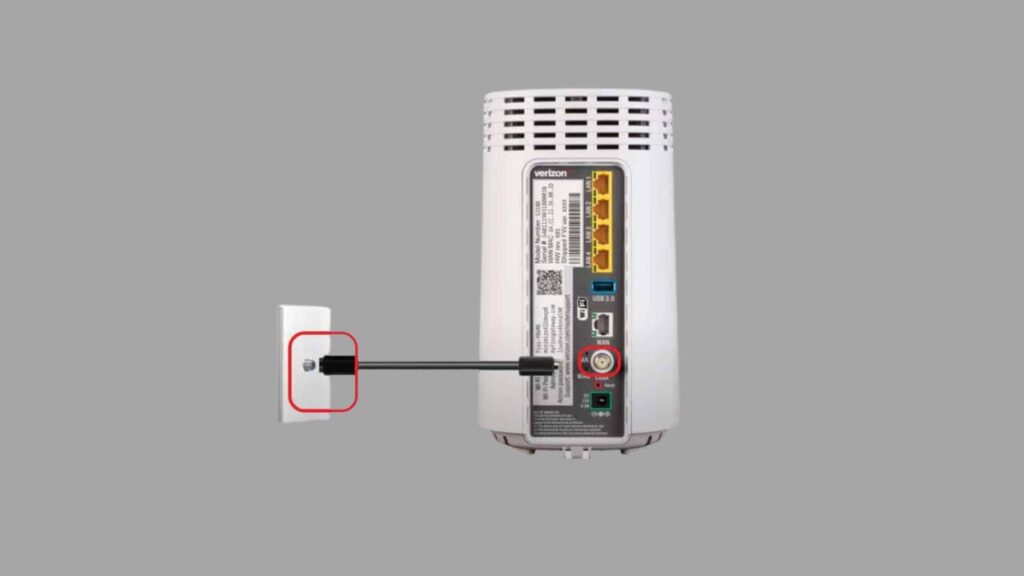
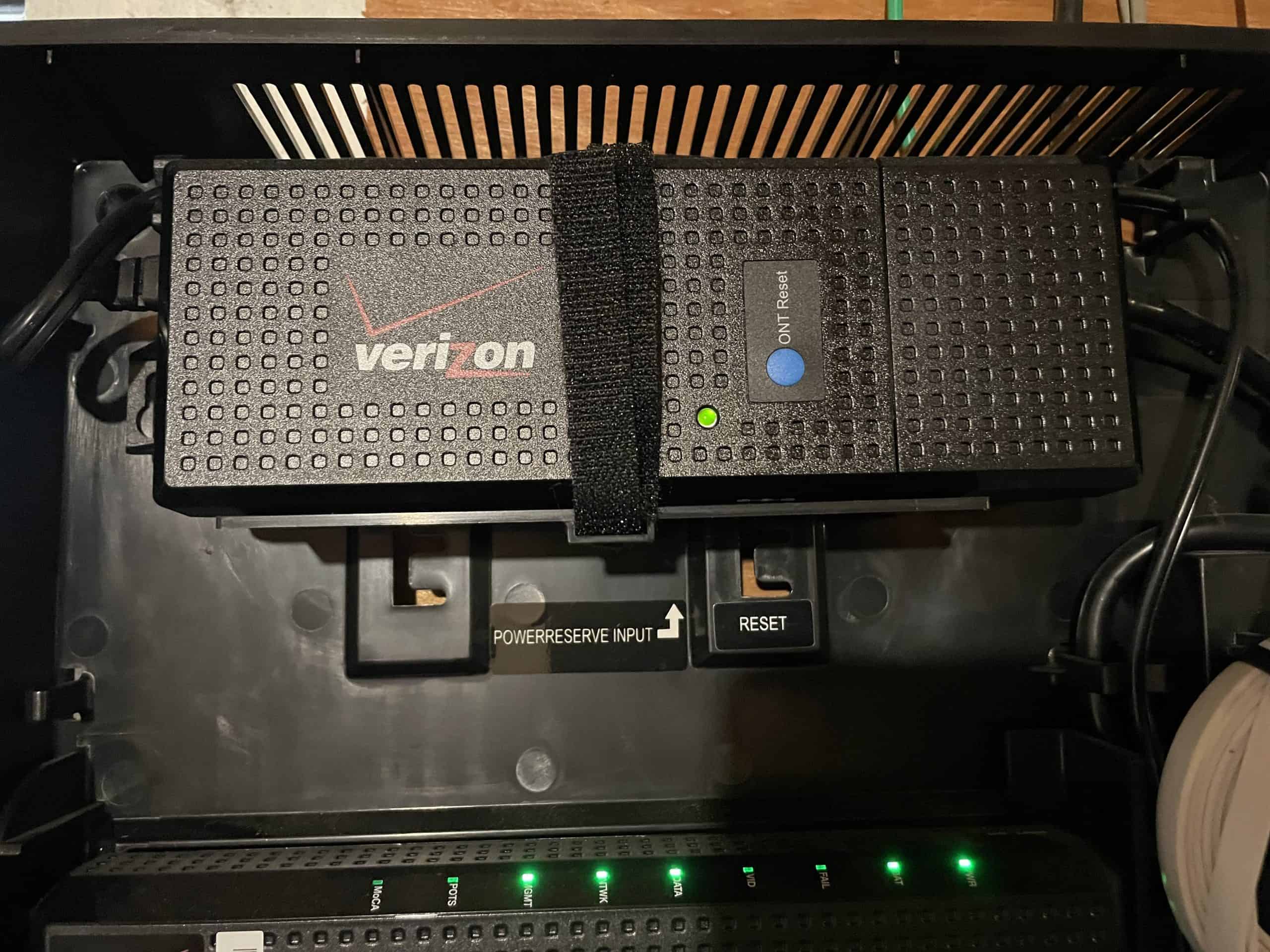
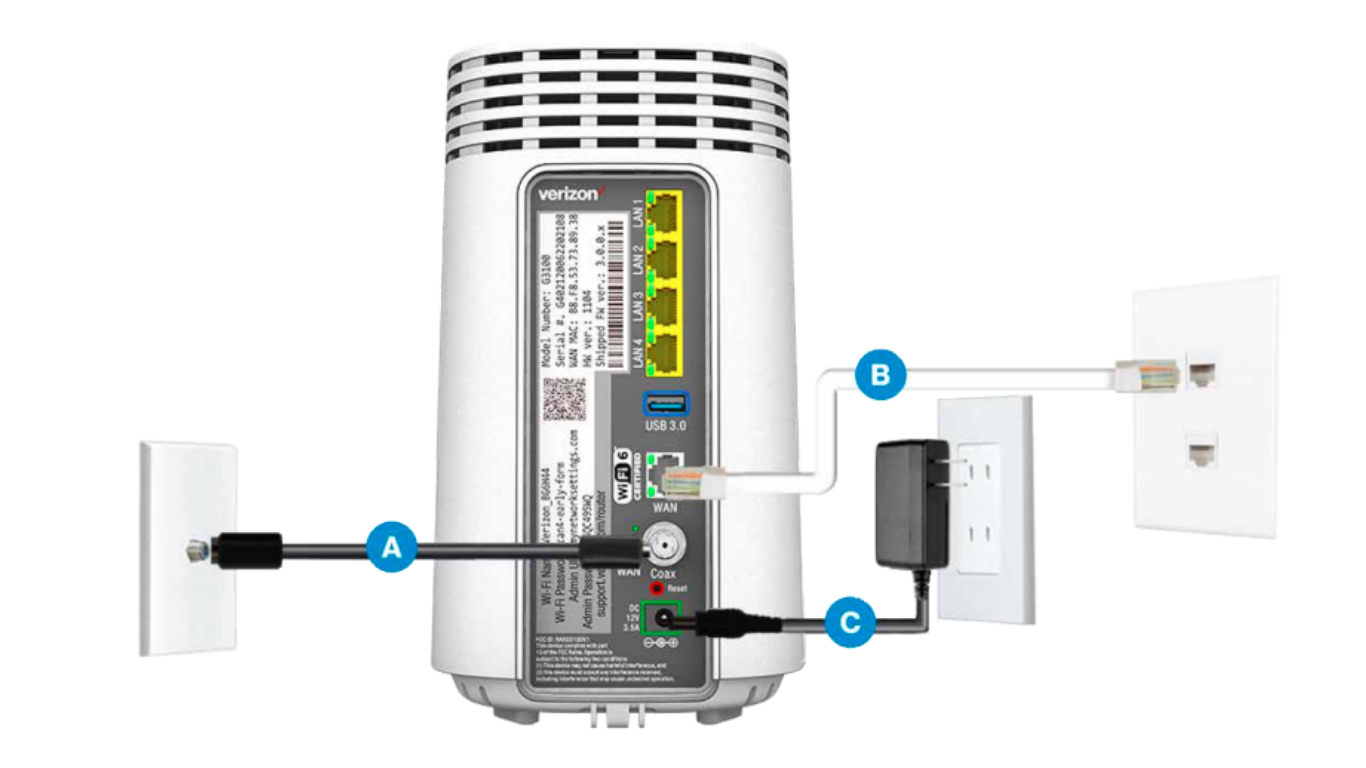
- Standard Installation: In many cases, particularly in areas where Verizon has already established a robust fiber network, the installation can be relatively straightforward. This typically involves running a fiber optic cable from the nearest network connection point (often a junction box outside your home) to your residence, and then setting up the necessary equipment (ONT – Optical Network Terminal, and router) inside. This standard process is the most likely to be covered by promotional offers for free installation.
- Complex Installations: However, some installations can be more involved. This might occur if:
- No Existing Conduit: Your home lacks existing conduits or pathways for cables, requiring more extensive labor to run the fiber line from the street to your house.
- Difficult Terrain: The route from the street to your home involves significant obstacles, such as dense landscaping, steep inclines, or paved surfaces that require professional trenching or drilling.
- Internal Wiring Needs: Your home’s internal wiring needs to be modified to accommodate the new equipment or to ensure optimal Wi-Fi coverage throughout the premises.
- Remote Location: Your property is situated a considerable distance from the nearest fiber tap, necessitating a longer cable run.
In these instances of complex installations, Verizon may indeed charge an additional fee to cover the extended labor and materials required. This is a standard practice across the industry, as the cost of overcoming significant installation hurdles can be substantial. The service technician will typically assess the complexity during the installation appointment and inform you of any potential additional charges before proceeding with the work. Transparency is key here, and it’s always advisable to clarify any potential extra costs upfront.
Promotional Offers and Bundles: Sweetening the Deal
Verizon, like many service providers, frequently uses promotional offers to attract and retain customers. These can significantly impact whether you incur an installation fee.
- Limited-Time Discounts: Keep an eye out for special deals that waive installation fees for new Fios customers. These are often announced on Verizon’s website, through marketing campaigns, or by sales representatives.
- Bundle Savings: Sometimes, installation fees are waived when you bundle Fios internet with other Verizon services, such as their mobile phone plans or TV packages. Bundling can not only lead to a waived installation fee but also provide overall cost savings on your monthly bills.
- Equipment Rental: It’s also important to differentiate between installation fees and equipment rental fees. While the installation might be free, you will likely have a recurring monthly charge for the modem/router provided by Verizon, unless you opt to purchase your own compatible equipment (which is sometimes an option, though often with limitations).
Pro Tip: Always ask your Verizon sales representative or customer service agent about current promotions, bundle deals, and any potential installation fee waivers. Don’t hesitate to negotiate, especially if you are a loyal customer or are considering a significant service upgrade.
The Brand Perception of Verizon and its Installation Practices
The question of installation fees is not just about the direct cost; it also ties into a company’s brand strategy and its perceived value. Verizon positions itself as a premium provider of telecommunications services, emphasizing reliability, speed, and customer satisfaction. How they handle installation fees plays a role in this perception.
- Value Proposition: By offering free or discounted installations, Verizon reinforces its brand image as a provider that invests in customer acquisition and aims to make the transition to its services as smooth as possible. This can be a powerful differentiator, especially in a competitive market.
- Transparency and Trust: Conversely, hidden fees or unexpectedly high installation charges can quickly erode customer trust and damage brand reputation. A clear, upfront communication about potential costs, including the factors that might lead to additional charges, is crucial for maintaining a positive brand image. Verizon’s communication regarding installation fees, while generally clear, can sometimes be subject to interpretation, leading to customer confusion.
- Customer Experience: The entire customer journey, from initial inquiry to the final setup, contributes to the overall brand experience. A hassle-free and cost-effective installation process enhances customer satisfaction and can lead to positive word-of-mouth, further bolstering Verizon’s brand. When customers feel they are being overcharged or are surprised by fees, it can lead to negative reviews and a diminished perception of the brand’s value.
Financial Considerations: Budgeting for Your Fiber Upgrade
Beyond the immediate installation fee, it’s wise to consider the broader financial implications of switching to Verizon Fios. This aligns with the “Money” pillar of our website’s core topics, as informed financial decisions are paramount for consumers.
Beyond the Installation Fee: Other Costs to Consider
While the installation fee is a primary concern, other financial aspects should be factored into your decision:
- Monthly Service Costs: The most significant ongoing cost will be your monthly Fios internet plan. These vary based on speed tiers and any bundled services. Research different plans to find one that fits your budget and your household’s internet usage needs.
- Equipment Rental Fees: As mentioned, you’ll likely pay a monthly fee for the Fios router and modem. Understand these costs and explore if purchasing your own equipment is a viable and cost-effective option for you in the long run.
- Data Overages (Less Common with Fiber): While less of a concern with fiber compared to some other connection types, some plans might have data caps. Review your plan details to avoid unexpected charges due to excessive data usage.
- Early Termination Fees: If you sign a contract for Fios service, be aware of any early termination fees if you decide to cancel your service before the contract expires.
- Self-Installation Kits: In some cases, if your home is already wired for Fios, Verizon might offer a self-installation kit. This can sometimes be a way to avoid professional installation fees, but it requires a certain level of technical comfort.
Maximizing Value and Minimizing Costs
To ensure you’re getting the best value and minimizing potential costs associated with your Verizon Fios installation:
- Shop Around: Compare Verizon Fios plans and pricing with other internet service providers in your area. This will help you determine if Fios offers a competitive rate.
- Look for Promotions: Actively search for new customer discounts, upgrade offers, and bundle deals. Verizon’s website, customer service representatives, and third-party deal sites are good places to start.
- Read the Fine Print: Before signing up, carefully review all terms and conditions, especially regarding installation fees, contract lengths, and equipment charges.
- Negotiate: Don’t be afraid to negotiate with Verizon, particularly if you are a long-term customer or have received better offers from competitors.
- Understand Your Needs: Choose a Fios plan that aligns with your actual internet usage. Overpaying for speeds you don’t need is a common financial pitfall.
- Inquire About Complex Installations: If you suspect your installation might be complex, ask Verizon upfront about potential additional charges and how they are determined.
Conclusion: Navigating the Installation Landscape with Confidence
So, does Verizon charge for installing fiber? The answer, in essence, is: it depends. While many new customers can benefit from waived installation fees through promotional offers, existing customers or those with more complex installation requirements may incur charges. Verizon’s approach to installation fees is a strategic element of its brand strategy, aiming to attract and retain customers while maintaining its premium service image.
By understanding the factors that influence these costs – whether you’re a new or existing customer, the complexity of your home’s setup, and the availability of promotional deals – you can navigate the process with confidence. As consumers, being informed about these financial considerations allows you to budget effectively, make informed decisions, and ultimately enjoy the incredible benefits of Verizon’s high-speed fiber optic internet without any unpleasant surprises. Always prioritize clear communication with Verizon representatives and diligently review all agreements to ensure a smooth and cost-effective transition to the future of internet connectivity.
aViewFromTheCave is a participant in the Amazon Services LLC Associates Program, an affiliate advertising program designed to provide a means for sites to earn advertising fees by advertising and linking to Amazon.com. Amazon, the Amazon logo, AmazonSupply, and the AmazonSupply logo are trademarks of Amazon.com, Inc. or its affiliates. As an Amazon Associate we earn affiliate commissions from qualifying purchases.