
The allure of a cruise vacation is undeniable. Images of endless ocean views, gourmet dining, exciting port calls, and a seamless travel experience often dominate our perceptions. Yet, one of the most common questions that arise when contemplating such a trip is: “How expensive are cruises?” The answer, much like the ocean itself, is rarely straightforward. Many believe cruises are either an extravagant luxury far beyond their reach or a surprisingly cheap escape. The truth lies in a complex interplay of factors, often obscured by initial headline prices.
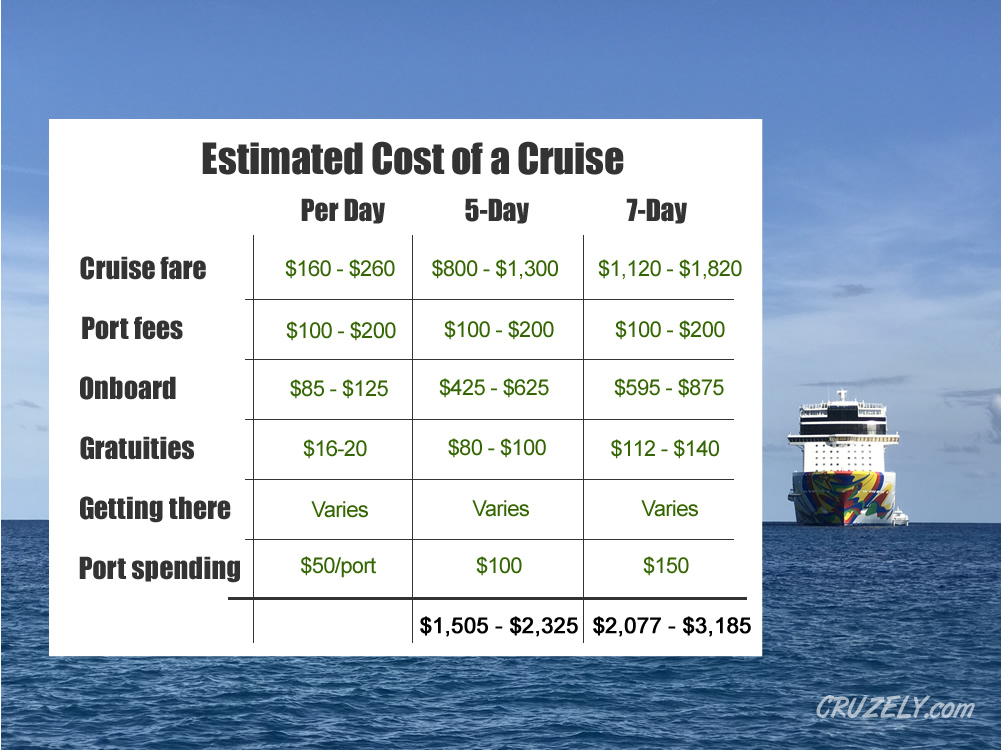
This article aims to demystify the financial landscape of cruise travel, providing a comprehensive breakdown of costs that extend far beyond the base fare. By peeling back the layers of pricing, identifying potential hidden expenses, and offering strategic insights into budgeting and saving, we will empower you to navigate the financial waters and determine if a dream voyage aligns with your personal financial goals. Understanding the true cost is the first step toward making an informed decision and ensuring your cruise experience is one of delight, not financial surprise.
The Base Fare: More Than Just a Cabin
At first glance, the advertised price of a cruise—the “base fare”—can seem remarkably attractive, sometimes even surprisingly low. However, it’s crucial to understand what this initial figure genuinely covers and the myriad elements that influence its fluctuation. This base fare is the foundation of your cruise budget, but it’s rarely the final word on your total expenditure.
What’s Included in the Headline Price?
When you book a standard cruise, the base fare typically encompasses several core components designed to provide a comprehensive, albeit basic, vacation experience. These usually include:
- Accommodation: This covers your chosen cabin category, whether it’s an interior stateroom, an oceanview cabin, a balcony cabin, or a luxurious suite. The type of cabin is often the most significant differentiator in the base fare.
- Most Meals: You can expect a wide array of dining options included in your fare. This usually means access to the main dining rooms, where multi-course meals are served, and the buffet, offering a more casual and varied selection. Some lines also include basic snack bars or casual eateries.
- Basic Entertainment: A significant portion of the onboard experience is covered. This typically includes access to Broadway-style shows, live music performances, comedy acts, movie screenings, pool deck parties, and various daily activities like trivia, dance classes, and games.
- Transportation Between Ports: This is arguably the most fundamental aspect of a cruise. The fare covers your passage on the ship as it sails from one destination to the next, acting as your floating hotel and transport.
It’s important to note that while these elements form the core offering, the quality, variety, and extent of these inclusions can vary dramatically between different cruise lines and price points.
Factors Influencing Base Fare
The “sticker price” you see for a cruise is a moving target, influenced by several key variables:
- Cruise Line and Brand Tier: This is perhaps the most significant determinant. Budget-friendly lines (e.g., Carnival, MSC Cruises) generally offer lower base fares with more à la carte options, while premium lines (e.g., Celebrity, Princess) include more in their base fare and luxury lines (e.g., Regent Seven Seas, Silversea) often adopt a near “all-inclusive” model from the outset, leading to much higher initial prices.
- Itinerary (Duration, Destination, Season): A longer cruise will naturally cost more than a shorter one. Destinations also play a role; a week in the Caribbean might be less expensive than an equivalent week in Alaska or the Mediterranean, especially when considering the time of year. Peak travel seasons (e.g., summer, holidays) invariably command higher prices due to demand.
- Cabin Category: As mentioned, your choice of cabin dramatically impacts the price. An interior cabin, lacking a window, is the most economical. An oceanview cabin offers a window, while a balcony cabin provides private outdoor space. Suites represent the pinnacle of luxury and come with the highest price tag.
- Booking Timing: The age-old advice of “book early for the best prices” or “wait for last-minute deals” both hold some truth. Booking far in advance often secures early bird discounts, promotional offers, and the best cabin selection. Conversely, if a ship isn’t fully booked closer to sailing, cruise lines may offer last-minute discounts to fill cabins, though selection will be limited, and airfare might be higher.
Beyond the Horizon: Unveiling Onboard and Onshore Expenses
While the base fare covers the essentials, the true cost of a cruise often blossoms once you account for the myriad of expenses that are not included. These supplementary costs, both onboard and related to the journey itself, are where many travelers inadvertently exceed their initial budget. Understanding these potential additions is critical for accurate financial planning.
Onboard Budget Busters
Cruises are designed to offer a fantastic experience, and part of that involves optional upgrades and services that come with an additional charge. These are the most common culprits for unexpected spending:
- Beverages: Unless you’re on a luxury “all-inclusive” cruise, alcoholic drinks, specialty coffees, bottled water, and often even sodas are not included in the base fare. Drink packages are available, but their cost can be substantial, and they may not be cost-effective for everyone. Buying drinks à la carte can quickly add up.
- Specialty Dining: While main dining rooms and buffets are included, most ships feature premium “specialty restaurants” offering elevated cuisine and ambiance, which come with an additional per-person charge or à la carte pricing.
- Shore Excursions: These organized tours at each port of call are a significant additional expense. While convenient, they can range from $50 to several hundred dollars per person per port. Many travelers opt for multiple excursions throughout their trip.
- Gratuities: Often referred to as “crew appreciation,” these are mandatory service charges for the staff. They are typically added automatically to your onboard account daily (e.g., $14-20 per person per day) and can amount to a significant sum over a week-long cruise.
- Wi-Fi and Internet Packages: Connectivity at sea is a premium service. Internet packages are notoriously expensive and often slower than land-based options, priced by the minute, megabyte, or as a daily rate.
- Spa Services, Casino, Retail, and Other Activities: Massages, salon treatments, gambling in the casino, shopping for souvenirs, fitness classes (like yoga or Pilates), and certain exclusive onboard experiences will all incur additional charges.
Pre- and Post-Cruise Costs
The cruise ship itself isn’t your only expense. Getting to and from the port, and preparing for your trip, also contributes to the overall financial outlay:
- Flights to/from the Departure Port: Unless you live near a major cruise port, airfare will be a significant cost. Factors like distance, airline, and booking time heavily influence this.
- Pre-cruise Hotel Stays: Many travelers opt to arrive a day or two early, especially if flying, to mitigate travel delays and enjoy the embarkation city. This adds hotel costs and potentially extra meals.
- Travel Insurance: Highly recommended for cruises, travel insurance protects against trip cancellations, medical emergencies, lost luggage, and other unforeseen events. Its cost varies based on coverage, traveler age, and trip cost.
- Passport/Visa Fees: Ensure your passport is valid, and check if any visas are required for your itinerary. These administrative costs must be factored in.
- Airport Transfers/Parking: Getting from the airport to the cruise terminal and vice versa can be costly, whether using taxis, ride-shares, or shuttle services. If driving, long-term parking at the port can also be expensive.
Understanding Value: Is the Price Justified?
With the seemingly long list of potential expenses, it’s natural to question whether a cruise truly offers good value for money. When analyzed through the lens of a comprehensive vacation package, the perceived expense of a cruise can often be justified, especially when compared to traditional land-based vacations.
Comparing Cruise Value to Land-Based Vacations
One of the strongest arguments for cruise value is the sheer convenience and bundled nature of the experience. Consider what you get for the combined cost:
- Bundled Services: On a cruise, your accommodation, most meals, transportation between multiple destinations, and a significant portion of your entertainment are all wrapped into one package.
- Unpacking Once: Unlike a multi-city land tour where you constantly check in and out of hotels, on a cruise, you unpack once and your “hotel” travels with you to each new destination. This saves time, effort, and often local transportation costs between cities.
- Visiting Multiple Destinations: Cruising allows you to experience several different countries or islands within a single trip without the hassle of arranging separate flights, trains, or car rentals. Each morning brings a new vista, a new culture to explore.
- Controlled Environment: For many, the predictability of a cruise budget (once all elements are considered) is a huge draw. There are fewer unexpected costs compared to independent travel where every meal, taxi, and activity must be individually sourced and paid for.
When you try to replicate the same level of luxury, diverse dining, entertainment, and multi-destination travel independently, a land-based vacation can often equal or even exceed the total cost of a cruise.
The Psychology of “All-Inclusive” Marketing
Cruise lines, particularly those in the luxury segment, often lean into the “all-inclusive” marketing approach, and even standard lines highlight the value of what is included. This strategy plays on the desire for simplicity and predictability in vacation planning.
The perception is that once you’ve paid the upfront fare, there’s little left to spend. While this is truer for luxury cruises that include drinks, gratuities, and sometimes even excursions, it’s often a misperception for mainstream cruises. However, even with the added costs, the feeling of having most major expenses pre-paid can reduce holiday stress and enhance the overall experience. The perceived value can often outweigh the actual itemized cost, as the convenience and peace of mind have their own inherent worth.
Smart Strategies for Budgeting and Saving on Your Cruise
A dream cruise doesn’t have to break the bank. With strategic planning and savvy decision-making, you can significantly reduce your overall expenditure and ensure your voyage aligns perfectly with your financial comfort zone. The key lies in being proactive and informed throughout the booking and sailing process.
Strategic Booking and Timing
When you book and for what period you travel can have a monumental impact on your cruise costs:
- Off-Peak Season Travel: This is perhaps the most effective way to save. Traveling during the shoulder seasons (e.g., late spring/early fall for the Caribbean/Mediterranean) or off-peak months (e.g., September/January for many destinations) can result in substantially lower fares, fewer crowds, and often more temperate weather.
- Booking Far in Advance or Last-Minute Deals: As mentioned earlier, both ends of the booking spectrum can offer savings. Early bookings often come with perks like onboard credit, free cabin upgrades, or included drink packages. Last-minute deals, usually within 90 days of sailing, can offer deep discounts, but flexibility with dates, cabins, and itineraries is essential.
- Using a Travel Agent: A good travel agent specializes in cruises and can often find deals, promotions, and perks that you might miss. They have access to group rates and sometimes exclusive offers, and their expertise can be invaluable in navigating the complexities of cruise pricing.
- Considering Repositioning Cruises: These unique cruises occur when a ship moves from one region to another (e.g., from the Mediterranean to the Caribbean for the winter season). They typically have more sea days and fewer ports but offer significantly lower per-day rates.
Savvy Onboard Spending
Once you’re on the ship, mindful choices can prevent your onboard account from spiraling:
- Evaluating Drink and Dining Packages Carefully: Before purchasing an unlimited drink package, calculate if you truly drink enough specialty beverages daily to make it worthwhile. If you only have a couple of alcoholic drinks, buying à la carte might be cheaper. The same applies to specialty dining—decide if the added cost for a particular meal is truly worth it for you.
- Bringing Allowed Beverages Onboard: Many cruise lines permit passengers to bring a limited quantity of non-alcoholic beverages (sodas, bottled water) and sometimes one or two bottles of wine per person onboard. Check your cruise line’s specific policy, as this can save a considerable amount.
- DIY Shore Excursions: Instead of booking expensive organized tours through the cruise line, research independent local tour operators or explore ports on your own using public transportation, taxis, or simply walking. This requires more planning but can save a lot.
- Limiting Souvenir Purchases: While tempting, souvenirs often represent impulse buys. Set a small budget for mementos if you wish, but don’t feel compelled to buy something at every port or ship store.
- Taking Advantage of Free Activities and Entertainment: Ships offer a wealth of complimentary activities, from pools and hot tubs to live music, game shows, trivia, and enrichment lectures. Fully utilize these included offerings before spending on optional extras.
Leveraging Loyalty Programs and Credit Card Rewards
Smart financial planning before and after your cruise can also yield savings:
- Cruise Line Loyalty Programs: If you plan to cruise regularly with the same line, joining their loyalty program is beneficial. As you accumulate points, you can unlock perks like discounts, onboard credit, priority boarding, complimentary amenities, and even free cruises.
- Using Travel-Focused Credit Cards: Many credit cards offer generous sign-up bonuses and ongoing rewards points for travel purchases. Redeeming these points for flights, hotel stays, or even cruise credit can significantly offset your pre-cruise expenses. Some cards also offer travel insurance benefits or waive foreign transaction fees, further saving you money.
Crafting Your Ideal Cruise Budget
Understanding the various cost components is one thing; putting it all together into a workable budget is another. The “ideal” cruise budget is highly personal, reflecting individual preferences, financial capacity, and vacation priorities. By adopting a tiered approach and visualizing a sample breakdown, you can effectively tailor your cruise experience to your financial comfort zone.
The “Tiered” Approach to Cruise Costs
Cruises can be broadly categorized into tiers based on their typical price point and the level of inclusions:
- Budget Cruising: This tier focuses on maximizing value and minimizing expenditure.
- Typical Choices: Interior cabins, shorter itineraries (3-5 nights), off-peak seasons, older ships.
- Onboard Habits: Relying almost exclusively on included dining (buffet, main dining room), bringing allowed beverages, participating in free entertainment, and planning DIY shore excursions.
- Who it’s for: First-time cruisers, younger travelers, those prioritizing destination visits over onboard luxury, or those on a very strict budget.
- Mid-Range Cruising: This offers a balance between cost and comfort, providing more flexibility for upgrades.
- Typical Choices: Oceanview or balcony cabins, 7-10 night itineraries, shoulder seasons, newer or recently refurbished ships.
- Onboard Habits: Enjoying a few specialty dining experiences, purchasing a modest drink package or select à la carte drinks, booking a couple of organized shore excursions, and budgeting for gratuities and Wi-Fi.
- Who it’s for: Families, couples, and experienced cruisers seeking a comfortable, well-rounded vacation without extreme extravagance.
- Luxury/Premium Cruising: This tier emphasizes an elevated, often “all-inclusive” experience, where convenience and bespoke service are paramount.
- Typical Choices: Suites, longer itineraries, niche destinations, brand-new or ultra-luxury ships.
- Onboard Habits: Many inclusions from the start (premium beverages, gratuities, specialty dining, often some excursions), high-end spa services, concierge service.
- Who it’s for: Those celebrating special occasions, discerning travelers prioritizing exceptional service, gourmet food, and a more intimate atmosphere, and those for whom convenience outweighs cost.
A Sample Budget Breakdown (Illustrative)
Let’s consider a hypothetical 7-day Caribbean cruise for two adults. The breakdown is illustrative, showing how different elements combine to form a total cost:
- Base Fare (Balcony Cabin, Mid-Range Line, Shoulder Season): $2,000 – $3,500
- Includes: Cabin, most meals, basic entertainment, transportation.
- Flights to Port: $600 – $1,200 (depending on origin and booking time)
- Pre-cruise Hotel (1 night): $200 – $400
- Airport Transfers/Parking: $100 – $250
- Gratuities: $200 – $280 (approx. $14-20 per person per day)
- Drink Package (Mid-tier): $600 – $800 (approx. $40-55 per person per day, if purchased)
- Specialty Dining (2 dinners): $100 – $200
- Shore Excursions (2 per person): $300 – $600 (mix of organized and DIY)
- Wi-Fi Package: $100 – $250 (for a moderate package)
- Travel Insurance: $100 – $300
- Personal Spending (souvenirs, incidentals): $100 – $300
Estimated Total Cost: Roughly $4,400 to $8,000+ for two people.
This wide range clearly illustrates that “how expensive are cruises” has no single answer. The final figure is a direct reflection of your choices in each category. A budget cruiser might bring this down closer to the lower end, while someone opting for more luxury could easily exceed the higher end.

Conclusion
The question “How expensive are cruises?” is not merely about a single price tag, but a multifaceted inquiry into value, inclusions, and personal preferences. As we’ve explored, the initial base fare is merely the tip of the iceberg, with numerous onboard and pre/post-cruise expenses shaping the ultimate cost of your voyage. From the type of cabin and cruise line to your choices in dining, entertainment, and shore excursions, every decision contributes to the final financial outlay.
However, understanding these components is not a deterrent but an empowerment. By dissecting the pricing structure, identifying potential hidden costs, and adopting smart budgeting strategies, travelers can transform what seems like an overwhelming expense into a manageable and enjoyable investment. Whether you’re a budget-conscious explorer or a luxury seeker, there’s a cruise experience that can align with your financial parameters. Armed with this knowledge, you can confidently navigate the options, craft a personalized budget, and embark on a dream cruise that brings joy without financial stress, proving that an unforgettable voyage is indeed achievable with careful planning and a clear understanding of its true cost.
aViewFromTheCave is a participant in the Amazon Services LLC Associates Program, an affiliate advertising program designed to provide a means for sites to earn advertising fees by advertising and linking to Amazon.com. Amazon, the Amazon logo, AmazonSupply, and the AmazonSupply logo are trademarks of Amazon.com, Inc. or its affiliates. As an Amazon Associate we earn affiliate commissions from qualifying purchases.