
The question of “when did Bill Gates create Microsoft?” is more than a simple date; it marks the genesis of a technological behemoth that fundamentally reshaped the world. On April 4, 1975, in Albuquerque, New Mexico, Bill Gates and Paul Allen officially founded Microsoft. This moment wasn’t an isolated event but rather the culmination of years of shared ambition, an acute understanding of nascent computing trends, and a daring leap into an unproven market. The founding of Microsoft was a pivotal turning point, not just for its creators, but for the entire technology landscape, paving the way for the personal computer revolution and establishing the frameworks for modern software development and digital interaction.
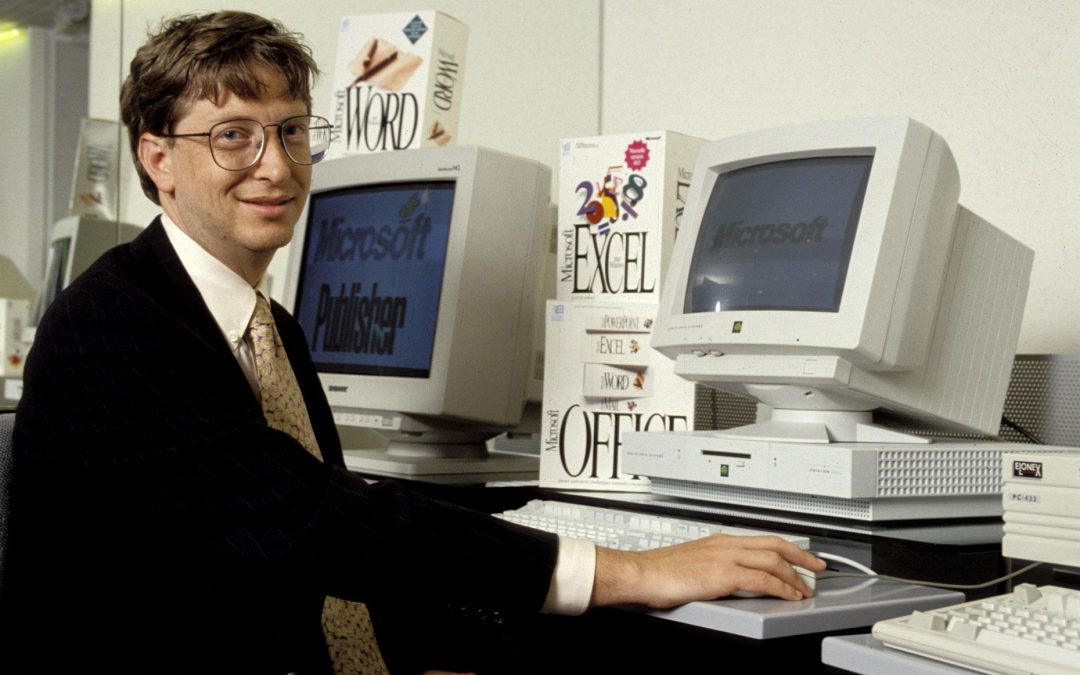
To truly appreciate the significance of this date, one must delve into the technological ferment of the mid-1970s. It was an era where computers were primarily room-sized machines owned by corporations and universities, where software was often custom-built, and the concept of a “personal computer” was just beginning to take shape. Microsoft’s inception was perfectly timed to capitalize on this nascent shift, armed with a vision that foresaw a future where computing power would be accessible to everyone, powered by intuitive and ubiquitous software.
The Genesis of Microsoft: A Visionary Beginning
The spark that ignited Microsoft was not a grand corporate strategy session but a technological marvel that appeared on the cover of Popular Electronics magazine in January 1975: the MITS Altair 8800. This machine, touted as the “world’s first minicomputer kit,” was a game-changer. It was relatively affordable, making the dream of owning a computer a tangible reality for hobbyists and enthusiasts, rather than just institutions. However, the Altair, like many early computers, lacked essential software to make it truly useful. It was a powerful collection of circuits, but without an operating system or high-level programming language, it was little more than a sophisticated paperweight for the average user.
The Altair 8800 Catalyst: A Microcomputer Revolution
Prior to the Altair 8800, personal computing was largely confined to experimental setups or expensive microcomputers that few could afford. The Altair changed this paradigm by offering an accessible entry point. Based on the Intel 8080 microprocessor, it was sold as a kit, requiring users to assemble it themselves. While this appealed to a niche of electronics enthusiasts, its true potential remained locked without user-friendly software. This gap was precisely what Bill Gates and Paul Allen, two childhood friends with a profound passion for computing, immediately recognized. They understood that the hardware was only half the equation; the real power, and the real market, lay in the software that would allow people to interact with these machines in meaningful ways.
BASIC Interpreter: The First Product and Partnership
Gates and Allen, then students at Harvard and working at Honeywell respectively, saw the Popular Electronics cover and instantly grasped the opportunity. The Altair needed a way for users to program it easily, and the most accessible language for this purpose at the time was BASIC (Beginner’s All-purpose Symbolic Instruction Code). In an audacious move, Paul Allen called MITS (Micro Instrumentation and Telemetry Systems), the manufacturer of the Altair, claiming that he and Bill Gates had developed a BASIC interpreter for their machine. The truth was, they hadn’t even started.
MITS, eager to provide software for their groundbreaking hardware, expressed interest, prompting Gates and Allen to embark on a frantic eight-week coding marathon. Working day and night in a Harvard lab, often without physical access to an Altair, they simulated its operations on other computers. Allen famously flew to Albuquerque to demonstrate the software, writing a bootstrap loader on the plane itself. Miraculously, their Altair BASIC interpreter worked on the first try. This triumph led to a licensing agreement with MITS and the formal establishment of Micro-Soft (initially hyphenated) on April 4, 1975. This first product was critical; it not only provided the Altair with a fundamental programming language but also established Microsoft’s reputation as a serious software developer in the nascent microcomputer industry.
The Founding Duo: Gates, Allen, and the Early Days
The story of Microsoft’s founding is inseparable from the unique partnership and shared history of Bill Gates and Paul Allen. Their collaboration began long before Microsoft, rooted in a mutual fascination with technology and a competitive drive that pushed them to excel in the burgeoning field of computing.
From Lakeside School to Harvard: Nurturing Tech Ambitions
Gates and Allen first met at Lakeside School, a private preparatory school in Seattle. It was here, in the late 1960s, that they were first exposed to computer terminals and programming. The school provided access to a Teletype terminal connected to a General Electric time-sharing computer, a rare and invaluable resource at the time. This early exposure was formative. They quickly became inseparable, spending countless hours learning and experimenting with programming languages like BASIC and FORTRAN. Their passion led them to exploit system bugs, write their own programs, and even earn money by finding flaws in commercial software and developing scheduling programs for the school. This intense, hands-on experience at a young age gave them an unparalleled understanding of computer systems and software development, fueling their ambition to make a significant mark in the computing world.
Albuquerque and the Scrappy Start-up Culture
Following the success of Altair BASIC, Gates and Allen relocated to Albuquerque, New Mexico, to be closer to MITS. This marked the true beginning of Microsoft as a company. Their initial office was modest, and the team was small, composed of dedicated individuals who shared the founders’ intense work ethic and vision. In these early days, Microsoft operated with a typical start-up mentality: long hours, close quarters, and an unwavering focus on product development. Gates, known for his relentless drive and technical acumen, personally reviewed every line of code written by his small team. Allen, with his broader technological vision and hardware expertise, played a crucial role in shaping the company’s strategic direction. This period in Albuquerque was crucial for establishing Microsoft’s core engineering culture—one built on innovation, efficiency, and a deep commitment to delivering high-quality software solutions. It was a period of intense learning and growth, where the foundational principles of what would become a global software empire were laid down.
Microsoft’s Early Innovations and Strategic Pivots
While Altair BASIC gave Microsoft its start, it was a series of strategic innovations and pivots in the late 1970s and early 1980s that truly cemented its position in the rapidly expanding computer market. Microsoft demonstrated an exceptional ability to anticipate industry needs and seize critical opportunities, particularly in the realm of operating systems.
The Dominance of MS-DOS: IBM PC and Beyond
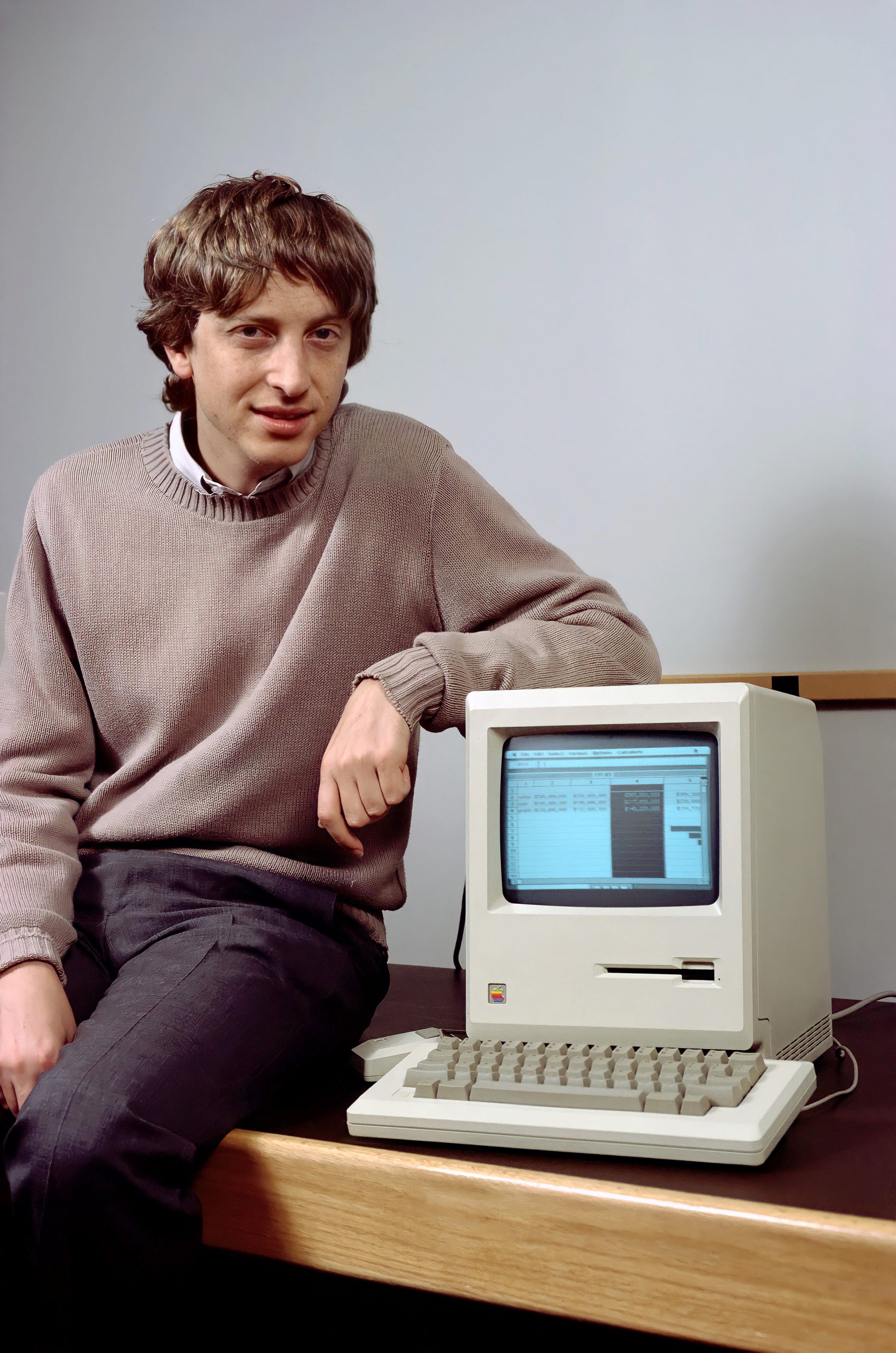
The defining moment for Microsoft’s early trajectory came in 1980 with a fateful call from IBM. IBM, a titan of the mainframe era, was planning to enter the burgeoning personal computer market with its own IBM PC and needed an operating system. Gates, through a combination of foresight and perhaps a touch of luck, secured a deal to provide an operating system for the IBM PC. At the time, Microsoft didn’t have its own PC operating system. Instead, Gates and Allen shrewdly acquired an operating system called 86-DOS (also known as QDOS, for Quick and Dirty Operating System) from Seattle Computer Products (SCP) for a mere $50,000. They then adapted and rebranded it as MS-DOS (Microsoft Disk Operating System).
The genius of the deal was not just in acquiring MS-DOS but in retaining the licensing rights. Unlike other software vendors who would sell their operating systems exclusively, Microsoft licensed MS-DOS to IBM on a non-exclusive basis. This meant Microsoft could then license MS-DOS to other hardware manufacturers who would inevitably create “IBM PC compatible” machines. This strategy proved to be a masterstroke. As the IBM PC architecture became the industry standard, MS-DOS became the dominant operating system for personal computers, creating a ubiquitous platform that fueled Microsoft’s growth and established its fundamental role in the PC ecosystem. The simplicity and efficiency of MS-DOS, while perhaps rudimentary by today’s standards, offered the stability and functionality needed for the first wave of widespread personal computing.
The Graphical Interface Challenge: Windows 1.0 to 3.1
Despite the success of MS-DOS, Bill Gates and Paul Allen understood its limitations. The command-line interface, while powerful for technical users, was a barrier for wider adoption. The future, they believed, lay in graphical user interfaces (GUIs), inspired by pioneering work at Xerox PARC and popularized by Apple’s Macintosh. Microsoft embarked on developing its own GUI environment, codenamed “Interface Manager,” which was eventually released as Windows 1.0 in November 1985.
Early versions of Windows faced significant challenges. They were slow, resource-intensive, and initially struggled to gain widespread acceptance against the established DOS environment and Apple’s more polished Macintosh. However, Microsoft persisted, iterating rapidly. Windows 2.0 (1987) introduced more features and better integration. The true breakthrough came with Windows 3.0 (1990) and especially Windows 3.1 (1992). These versions significantly improved performance, stability, and user experience, and were bundled with new applications and hardware. They offered a more intuitive and visually appealing way to interact with computers, moving beyond text commands to a system of icons, menus, and mouse navigation. The strategic decision to make Windows compatible with the vast array of existing MS-DOS applications and hardware, coupled with aggressive marketing and bundling deals, gradually propelled Windows to market dominance, making the GUI accessible to millions and fundamentally altering how people interacted with personal computers.
Laying the Foundation for a Software Empire
Microsoft’s early success with operating systems provided the bedrock, but its vision extended far beyond merely running the computer. The company recognized the vast potential in application software, aiming to provide a comprehensive suite of tools that would empower individuals and businesses. This led to the development of what would become some of the most pervasive software products in history.
Productivity Suites: Microsoft Office’s Emergence
As personal computers gained traction, the demand for practical applications like word processors, spreadsheets, and presentation tools soared. Microsoft responded by developing its own suite of productivity software. While applications like Microsoft Word and Microsoft Excel initially competed with popular standalone programs (like WordPerfect and Lotus 1-2-3), Microsoft’s strategic move was to bundle them together into an integrated package: Microsoft Office.
First released in 1989 for Apple Macintosh and then for Windows in 1990, Microsoft Office offered a compelling proposition. Users could acquire a suite of applications designed to work together seamlessly, sharing common interfaces and file formats. This integration, coupled with Microsoft’s dominant position with Windows, proved irresistible. Excel eventually surpassed Lotus 1-2-3, and Word outmaneuvered WordPerfect. PowerPoint, acquired by Microsoft in 1987, became the industry standard for presentations. The consistent user experience, powerful features, and the convenience of a single, integrated package cemented Office’s place as the indispensable productivity suite for both business and personal use, further entrenching Microsoft’s software ecosystem.
The Vision for Ubiquitous Computing and Global Reach
From its earliest days, Bill Gates articulated a clear and audacious vision: “a computer on every desk and in every home, running Microsoft software.” This wasn’t just a marketing slogan; it was a guiding principle that informed every product decision, every strategic partnership, and every technological gamble. This vision drove Microsoft to create software that was not only powerful but also accessible, user-friendly, and adaptable to a wide range of hardware configurations.
To achieve this ubiquity, Microsoft focused on developing foundational software components—operating systems and application platforms—that could run on diverse machines. They embraced open standards where it suited them (e.g., PC architecture) while simultaneously building proprietary technologies that created network effects around their products (e.g., Windows APIs, Office file formats). The company aggressively pursued international markets, localizing its software for different languages and cultures. This global ambition, combined with a relentless focus on improving technology and user experience, transformed Microsoft from a small Albuquerque startup into a global software empire, fulfilling Gates’ early prophecy and forever changing the landscape of computing.
The Enduring Legacy and Impact on Technology
The official founding date of Microsoft, April 4, 1975, represents far more than a corporate birth announcement. It marks the beginning of a profound technological journey that would standardize, democratize, and ultimately redefine the capabilities and reach of computing.
Standardizing the PC Ecosystem
Perhaps Microsoft’s most significant contribution to technology was its role in standardizing the personal computer ecosystem. Through MS-DOS and later Windows, Microsoft provided a unified software platform that allowed hardware manufacturers to innovate and compete without having to develop their own proprietary operating systems. This standardization fostered an explosive growth in the PC market. It created a vast “Wintel” (Windows + Intel) ecosystem, enabling a multitude of hardware vendors to build compatible machines, peripheral manufacturers to create compatible devices, and independent software vendors (ISVs) to develop applications that would run on millions of computers. This interoperability and widespread availability dramatically reduced the cost of personal computers, making them accessible to the masses and transforming them from niche tools into everyday necessities. Without this standardization, the PC revolution would likely have been far more fragmented and slower to materialize.
Shaping the Future of Software Development and User Experience
Microsoft’s influence on software development and user experience is immeasurable. Its early work on BASIC provided an entry point for countless programmers, and its dominance with MS-DOS and Windows set the stage for generations of developers. The Windows API (Application Programming Interface) became a critical standard, enabling complex applications to interact with the operating system and hardware in predictable ways. Furthermore, Microsoft’s push for graphical user interfaces with Windows fundamentally changed how non-technical users interacted with computers, making them intuitive and approachable. This shift from command-line to graphical interfaces was a monumental leap in user-friendliness, fostering greater adoption of computers in homes and businesses worldwide.
The company’s relentless innovation in areas like productivity software (Microsoft Office), server operating systems (Windows Server), and development tools (Visual Studio) continues to shape the digital landscape. From enabling the first generation of home computer enthusiasts to empowering global enterprises and cloud computing, Microsoft’s foundational choices and subsequent evolution have left an indelible mark, proving that the creation of this tech giant in 1975 was indeed a moment of profound and lasting consequence for the entire world of technology.
aViewFromTheCave is a participant in the Amazon Services LLC Associates Program, an affiliate advertising program designed to provide a means for sites to earn advertising fees by advertising and linking to Amazon.com. Amazon, the Amazon logo, AmazonSupply, and the AmazonSupply logo are trademarks of Amazon.com, Inc. or its affiliates. As an Amazon Associate we earn affiliate commissions from qualifying purchases.