
Understanding the precise financial worth of a global technology behemoth like Microsoft is a dynamic exercise, as its valuation fluctuates constantly with market conditions, investor sentiment, and its operational performance. For a publicly traded company, the most common and widely referenced metric of “worth” is its market capitalization. Microsoft routinely ranks among the most valuable companies globally, often holding a market capitalization well into the multi-trillion-dollar range.
Demystifying Corporate Valuation: Microsoft’s Market Capitalization
Market capitalization, often shortened to “market cap,” represents the total value of a company’s outstanding shares of stock. It is calculated by multiplying the current share price by the total number of shares issued. For Microsoft, this figure provides a real-time snapshot of how the market values the company’s future earnings potential, current assets, and overall business prospects.
Defining Market Cap and Its Significance
Market cap is not merely an arbitrary number; it’s a crucial indicator for investors, analysts, and economists. It reflects the collective opinion of the market regarding a company’s financial health, growth trajectory, and stability. A high market capitalization signifies market confidence, liquidity, and often, a dominant position within its industry. For Microsoft, its consistent presence at the top tiers of global market cap rankings underscores its perceived stability, innovation, and long-term viability by the investment community. This valuation also influences its inclusion and weighting in major stock market indices, affecting the portfolios of millions of institutional and individual investors worldwide.
The Scale of Microsoft’s Financial Footprint
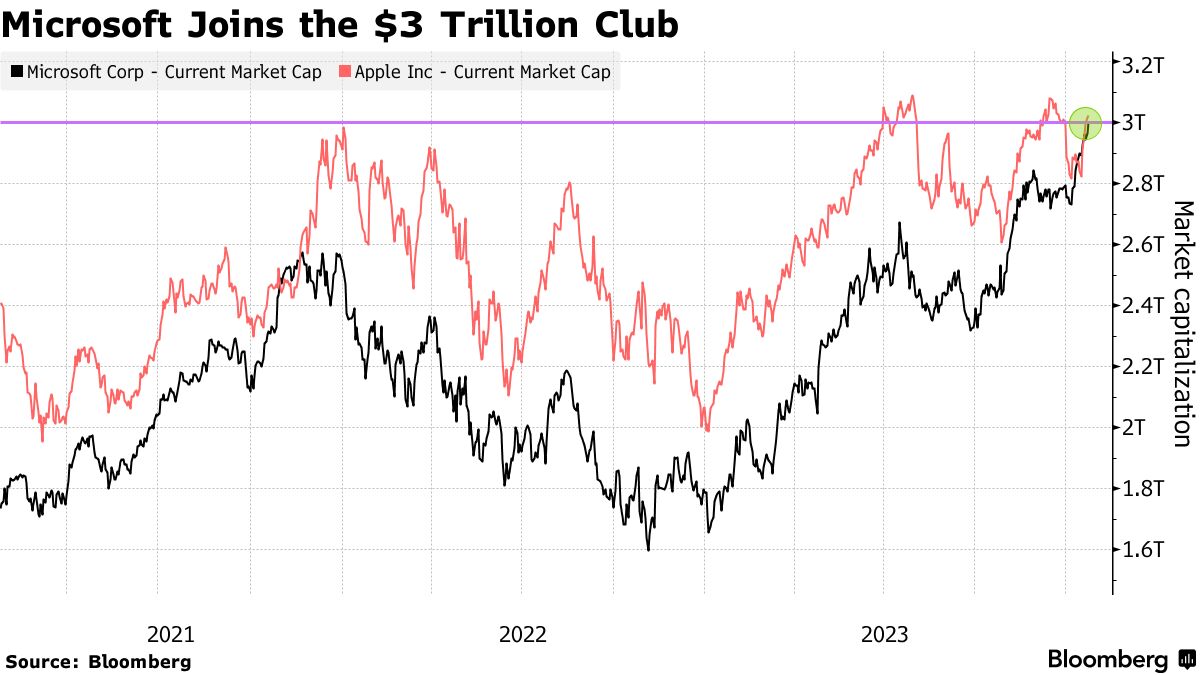
Microsoft’s market capitalization frequently places it in an elite group of companies whose valuations exceed two or even three trillion dollars. This scale is immense, often surpassing the GDP of many nations. Such a valuation is not achieved overnight; it is the culmination of decades of strategic innovation, market dominance, robust financial management, and consistent profitability across a diverse range of business segments. The ability to maintain and grow such a colossal market cap in the face of intense competition and technological disruption is a testament to its adaptive business model and strategic foresight.
The Revenue Engines Powering Microsoft’s Value
Microsoft’s formidable market capitalization is built upon a diverse and highly profitable portfolio of products and services, each contributing significantly to its overall revenue and earnings. These segments provide multiple streams of income, insulating the company from downturns in any single area and offering varied growth vectors.
Azure: The Cloud Computing Behemoth
At the core of Microsoft’s recent explosive growth and valuation is its intelligent cloud segment, primarily driven by Azure. Azure is Microsoft’s public cloud computing platform, offering a vast array of services, including computing, analytics, storage, and networking. Businesses worldwide rely on Azure for digital transformation, data management, and operational scalability. The shift towards cloud computing across industries has provided a massive tailwind for Azure, making it a critical competitive battleground against rivals like Amazon Web Services (AWS) and Google Cloud. Its robust growth rates and high-margin services are a significant driver of Microsoft’s overall valuation, representing a future-proof revenue stream.
The Enduring Power of Productivity & Business Processes
Microsoft’s legacy strength in productivity software remains a cornerstone of its financial performance. This segment includes Office 365 (Word, Excel, PowerPoint, Outlook, Teams), Dynamics 365 (enterprise resource planning and customer relationship management solutions), and LinkedIn. Office 365, with its subscription-based model, provides highly predictable and recurring revenue, embedding Microsoft deep within the daily operations of businesses and individuals globally. LinkedIn, acquired for over $26 billion, has grown into a powerful platform for professional networking, recruitment, and advertising, adding a unique, data-rich dimension to Microsoft’s enterprise offerings and contributing to its robust valuation through diversified revenue streams.
More Personal Computing
While often seen as a mature market, the More Personal Computing segment continues to be a substantial contributor. This division encompasses Windows (the dominant PC operating system), Surface devices, Xbox (gaming consoles, content, and services), and Bing search advertising. Windows remains the gateway for millions of users to the Microsoft ecosystem, while Xbox has successfully transitioned into a full-fledged entertainment platform with Game Pass subscriptions and studio acquisitions. While growth in some areas of personal computing might be slower compared to cloud, these segments provide significant cash flow, brand recognition, and a broad user base that can be leveraged for other services, reinforcing the company’s overall financial strength and market presence.
Strategic Growth Drivers and Future Outlook

Microsoft’s ability to sustain and grow its multi-trillion-dollar valuation depends heavily on its forward-looking strategies, particularly in emerging technologies and market expansion. Continuous innovation and strategic acquisitions are vital for staying ahead in the rapidly evolving tech landscape.
AI Integration and Innovation
Artificial Intelligence (AI) is arguably the most significant growth driver for Microsoft’s future. The company has made substantial investments in AI, particularly through its partnership with OpenAI (creators of ChatGPT). Integrating AI capabilities across its product portfolio – from Azure services and Microsoft 365 applications to Bing search and GitHub Copilot – positions Microsoft to capitalize on the AI revolution. This strategic focus is expected to enhance existing products, create new revenue streams, and drive efficiency for its customers, thereby commanding a premium valuation from investors keen on future-proof growth. The potential for AI to redefine productivity, cloud computing, and developer tools represents a monumental opportunity for Microsoft.
Acquisitions and Ecosystem Expansion
Microsoft has a long history of strategic acquisitions that have either fortified existing business units or opened entirely new market segments. Notable examples include LinkedIn, GitHub, and numerous gaming studios for Xbox. These acquisitions are not just about market share; they are about acquiring talent, technology, and customer bases that enhance Microsoft’s ecosystem and create synergistic value. The disciplined approach to M&A, focused on long-term strategic fit and integration, helps Microsoft expand its influence and diversify its revenue streams, which are critical factors that contribute to a resilient and growing market capitalization.
Global Market Penetration and Enterprise Solutions
Microsoft’s global reach is unparalleled, serving customers from small businesses to Fortune 500 enterprises and governments in nearly every country. Its robust sales channels, partner networks, and customer support infrastructure enable deep penetration into diverse markets. The company’s focus on enterprise solutions, offering comprehensive platforms that address complex business needs, creates high switching costs and sticky customer relationships. This deep embedding within the global economy provides a stable foundation for its revenue base and validates its status as a critical infrastructure provider, which in turn underpins its substantial market value.
Investor Perspective: What Fuels Confidence in Microsoft Stock
For investors, Microsoft represents a blend of stability, growth, and innovation. The factors that attract and retain investor confidence are rooted in its financial performance, shareholder policies, and its robust strategic positioning.
Financial Health and Consistent Profitability
Microsoft consistently demonstrates exceptional financial health. It boasts strong revenue growth, high-profit margins, and significant free cash flow generation. These metrics are crucial for investors, as they indicate the company’s ability to generate earnings, fund operations and investments, and return capital to shareholders. Its balance sheet is typically strong, with substantial cash reserves, providing financial flexibility for R&D, acquisitions, and navigating economic downturns. This consistent financial performance is a primary reason for its premium valuation in the stock market.
Shareholder Returns and Dividend Growth
Microsoft is also an attractive stock for investors seeking both growth and income. The company has a long history of paying and consistently increasing its dividends, demonstrating a commitment to returning value to shareholders. Alongside dividends, share buyback programs are frequently employed to reduce the number of outstanding shares, which can boost earnings per share and support the stock price. This combination of capital appreciation potential and steady income makes Microsoft a compelling investment for a wide range of portfolios.
Risk Management and Competitive Advantage
While Microsoft enjoys a dominant position, it operates in a highly competitive and regulated industry. Investors assess the company’s ability to manage risks, including cybersecurity threats, regulatory scrutiny (antitrust concerns), geopolitical tensions, and intense competition from other tech giants. Microsoft’s ongoing investment in security, its robust legal and compliance frameworks, and its ability to continually innovate and adapt are critical in mitigating these risks. Its vast ecosystem, deep enterprise relationships, and continuous technological advancements are seen as enduring competitive advantages that protect its market share and sustain its high valuation.
The Volatile Nature of Trillion-Dollar Valuations
It is crucial to remember that a company’s market worth, especially at Microsoft’s scale, is not static. It is a constantly moving target influenced by global economic conditions, interest rate changes, investor sentiment, technological breakthroughs (or failures), competitive pressures, and regulatory actions. While Microsoft consistently ranks among the most valuable companies, its specific market capitalization can fluctuate by billions, or even hundreds of billions, of dollars daily. This volatility reflects the dynamic nature of financial markets and the ongoing re-evaluation of a company’s prospects by millions of participants. For investors, understanding these underlying drivers and recognizing the long-term trends rather than focusing on short-term movements is key to appreciating the true, enduring value of a company like Microsoft.
aViewFromTheCave is a participant in the Amazon Services LLC Associates Program, an affiliate advertising program designed to provide a means for sites to earn advertising fees by advertising and linking to Amazon.com. Amazon, the Amazon logo, AmazonSupply, and the AmazonSupply logo are trademarks of Amazon.com, Inc. or its affiliates. As an Amazon Associate we earn affiliate commissions from qualifying purchases.