
The allure of Apple CarPlay is undeniable. Seamlessly integrating your iPhone’s most essential apps – navigation, music, messaging, and more – onto your car’s built-in display offers a safer and more intuitive driving experience. But the burning question on many minds is: can you install Apple CarPlay in any car? This article delves into the technical realities, the options available, and the factors you need to consider, drawing upon the latest in automotive technology and digital integration.
While the dream of equipping every vehicle with this modern marvel is appealing, the answer isn’t a straightforward yes or no. It’s a nuanced exploration of hardware compatibility, aftermarket solutions, and the evolving landscape of in-car technology. Whether you’re a tech enthusiast eager to upgrade your ride or a savvy consumer looking to enhance your current vehicle’s functionality, understanding the intricacies of CarPlay installation is key. We’ll unpack the technical requirements, explore the aftermarket world, and even touch upon how branding and financial considerations play a role in making CarPlay accessible.
Understanding the Technical Prerequisites for CarPlay Installation
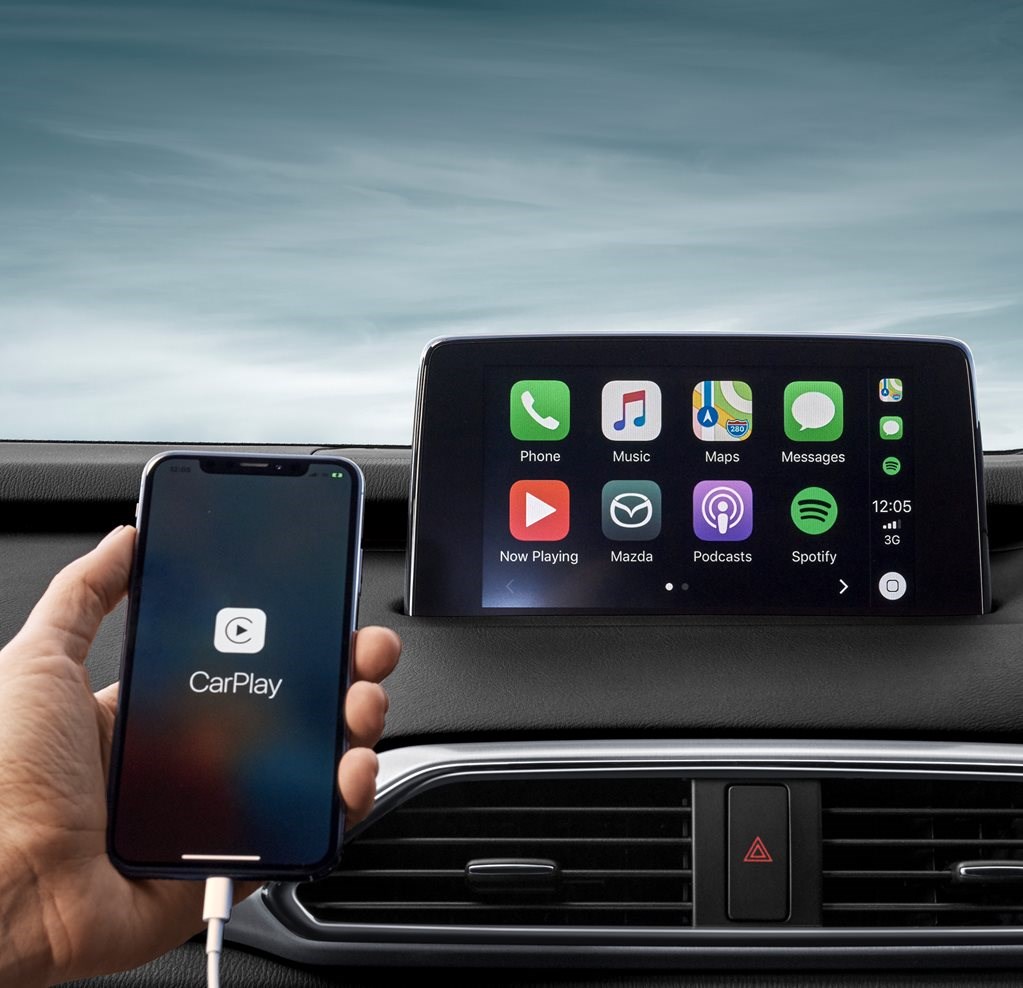
At its core, Apple CarPlay is a software interface designed to run on compatible infotainment systems. This means that the ability to install and run CarPlay isn’t solely dependent on your car’s make or model, but crucially on its head unit – the central electronic module that controls your car’s audio, display, and often, infotainment features.
The Head Unit: The Heart of CarPlay Compatibility
For a car to natively support Apple CarPlay, it must be equipped with a head unit that has been specifically designed and certified by Apple to run the CarPlay software. This typically involves several key technological components:
- Display Screen: CarPlay requires a touchscreen interface to allow for user interaction. The size and resolution of this screen will dictate how well CarPlay is displayed and how easy it is to use. Older cars, particularly those with basic radio systems or no built-in screen at all, will inherently lack this fundamental requirement.
- Processing Power: Running CarPlay involves processing data from your iPhone and rendering it on the car’s display. The head unit’s internal processor needs to be sufficiently powerful to handle these tasks smoothly, without lag or stuttering.
- Connectivity Ports: CarPlay requires a physical connection to your iPhone, usually through a USB port. This USB port needs to be enabled for data transfer, not just charging. Some older cars may have USB ports, but they might only be designed for media playback or charging, rendering them incompatible with CarPlay. Wireless CarPlay is also an option for newer vehicles, which utilizes Wi-Fi and Bluetooth for connectivity.
- Software Integration: The car manufacturer’s infotainment software plays a crucial role. It needs to be designed to interface seamlessly with the CarPlay protocol, allowing for the secure and stable transmission of data between your iPhone and the car’s system. This is where the “certification” by Apple comes into play.
Factory-Installed vs. Aftermarket: The Two Paths to CarPlay
When considering CarPlay installation, there are generally two primary avenues:
-
Factory-Installed CarPlay: This is the most straightforward and integrated solution. If your car was manufactured with CarPlay support from the factory, the system is already built-in and optimized for your vehicle. You simply need to connect your iPhone, and CarPlay should appear on your display. This option is becoming increasingly common in newer vehicles across a wide range of price points.
-
Aftermarket CarPlay Installation: For vehicles that did not come with factory-integrated CarPlay, the good news is that it’s often still possible to enjoy its benefits through aftermarket solutions. This involves replacing your car’s existing head unit with a new one that is specifically designed to support Apple CarPlay. This is where the “can you install in any car” question truly comes into play.
The feasibility of aftermarket installation hinges on whether a compatible aftermarket head unit is available for your specific vehicle and whether you’re willing to undertake the installation process, which can range from a simple DIY job to requiring professional installation.
Exploring Aftermarket Solutions for CarPlay Integration
The aftermarket world offers a compelling solution for those looking to retrofit CarPlay into older or non-compatible vehicles. This market is vibrant, driven by consumer demand for modern in-car tech.
The Rise of Aftermarket Head Units
The market for aftermarket car stereos and infotainment systems has exploded in recent years, with many manufacturers now offering units with built-in Apple CarPlay and Android Auto support. These units aim to replicate or even surpass the functionality of factory-integrated systems.

When exploring aftermarket options, you’ll encounter:
- Single-DIN and Double-DIN Units: These refer to the standard sizes of car stereo units. Double-DIN units are larger and typically offer larger touchscreens, which are generally more conducive to a good CarPlay experience. Single-DIN units are smaller and may have retractable screens or simpler interfaces.
- Features and Functionality: Beyond CarPlay, these aftermarket units often come with a host of other features such as Bluetooth connectivity, satellite radio compatibility, backup camera integration, advanced audio settings, and sometimes even built-in GPS navigation.
- Brand Reputation and Reviews: As with any technology purchase, brand reputation and user reviews are crucial. Companies like Pioneer, Kenwood, JVC, Sony, and Alpine are well-known players in the aftermarket car audio space, offering a range of CarPlay-compatible head units. It’s essential to research specific models, read reviews, and understand their performance and reliability.
Factors Influencing Aftermarket Compatibility
While an aftermarket head unit can bring CarPlay to a vast number of vehicles, there are still some crucial considerations:
- Vehicle Dashboard and Mounting: The physical fit of an aftermarket head unit is paramount. Different car models have unique dashboard designs and space constraints. While adapters and mounting kits are available to help integrate aftermarket units into various dashboards, there might be instances where the dashboard design makes a clean and professional installation challenging or impossible without significant modifications. Older vehicles with very basic radio setups might be simpler to adapt than cars with complex integrated climate controls or complex dashboard layouts.
- Steering Wheel Controls: Many modern cars have steering wheel controls for audio, volume, and phone calls. When installing an aftermarket head unit, it’s often desirable to retain these functionalities. This usually requires an additional steering wheel control interface adapter, which adds to the cost and complexity of the installation. The availability of such adapters varies by vehicle.
- Factory Amplifiers and Speaker Systems: If your car has a premium factory audio system with an external amplifier, integrating an aftermarket head unit can be more complicated. Special wiring harnesses and adapters might be needed to ensure full compatibility and optimal sound quality.
- Backup Cameras and Other Integrated Systems: If your car has a factory-installed backup camera or other integrated features that are controlled by the original head unit, you’ll need to ensure that the aftermarket unit can interface with these systems. This might require specific adapters or wiring solutions.
Beyond the Tech: Brand, Money, and the Accessibility of CarPlay
The installation of Apple CarPlay, whether factory or aftermarket, is not just a technical endeavor; it’s also influenced by broader trends in branding, marketing, and financial considerations.
Brand Strategy and the Value Proposition of CarPlay
For car manufacturers, offering Apple CarPlay is no longer a premium feature but a standard expectation in many segments.
- Brand Differentiation: Integrating CarPlay and other smartphone mirroring technologies allows manufacturers to differentiate their brands by showcasing modern connectivity and user-friendly interfaces. It’s a key selling point that appeals to tech-savvy consumers.
- Customer Loyalty: Providing a seamless and intuitive digital experience within the vehicle can foster customer loyalty. Once drivers experience the convenience of CarPlay, they are more likely to look for it in their next vehicle.
- Software Updates and Ecosystem Integration: CarPlay is part of Apple’s broader ecosystem. Car manufacturers that embrace it are essentially tapping into a well-established and continuously updated software platform, reducing their own burden of developing and maintaining complex in-car operating systems from scratch. This also reinforces the brand’s image as innovative and forward-thinking.
Financial Implications: The Cost of CarPlay
The cost associated with getting CarPlay into a car can vary significantly.
- New Car Purchase: When buying a new car, CarPlay is often included as standard or available as an option for a relatively modest increase in the vehicle’s price. For many, this is the most cost-effective way to obtain CarPlay.
- Aftermarket Head Unit Costs: The price of aftermarket CarPlay-compatible head units can range from a few hundred dollars to over a thousand dollars, depending on the brand, features, and screen size.
- Installation Costs: If you opt for professional installation, you can expect to add another $100 to $500 or more to the total cost, depending on the complexity of the installation and the labor rates in your area. This also includes the cost of any necessary adapters and wiring harnesses.
- DIY Installation: For the technically inclined, a DIY installation can save money on labor costs, but it requires time, research, and the right tools. The risk of making a mistake that could damage the car’s electronics is also higher.

The Future of In-Car Technology and Accessibility
As technology advances, the integration of smartphone functionalities into vehicles will only become more seamless and ubiquitous. We’re likely to see:
- Increased Standardization: As CarPlay and Android Auto mature, we might see greater standardization in how they are implemented, making aftermarket installations even more straightforward.
- Wireless Integration Becoming the Norm: Wireless CarPlay is already becoming prevalent in new vehicles, and this trend will likely continue, further enhancing user convenience.
- Beyond Entertainment: Future iterations of in-car tech will likely integrate more deeply with vehicle diagnostics, safety features, and personalized driving experiences, all powered by smartphone connectivity.
In conclusion, while it’s not quite accurate to say you can install Apple CarPlay in any car without any caveats, the options for bringing this sophisticated technology to a vast majority of vehicles are more accessible than ever. Whether through a factory-equipped system or a well-chosen aftermarket head unit, the ability to enjoy your iPhone’s familiar interface on your car’s dashboard is within reach for many drivers, transforming the driving experience into a more connected and enjoyable journey. The key is careful research, understanding your vehicle’s existing systems, and weighing the technical possibilities against your budget and desired outcome.
aViewFromTheCave is a participant in the Amazon Services LLC Associates Program, an affiliate advertising program designed to provide a means for sites to earn advertising fees by advertising and linking to Amazon.com. Amazon, the Amazon logo, AmazonSupply, and the AmazonSupply logo are trademarks of Amazon.com, Inc. or its affiliates. As an Amazon Associate we earn affiliate commissions from qualifying purchases.