
The global financial markets are a complex, interconnected web of transactions, sentiments, and economic indicators, constantly shifting and evolving. To ask “what is the market today” is to seek a current pulse of this intricate system, understanding the forces that drive asset prices, influence business decisions, and shape personal financial strategies. As we navigate a landscape characterized by both enduring challenges and burgeoning opportunities, a clear-eyed assessment of the present market state is not just valuable but essential for investors, businesses, and individuals alike.
Today’s market is a tapestry woven with threads of inflation, central bank policy, technological innovation, and geopolitical tensions. It’s a period demanding agility, informed decision-making, and a long-term perspective. While daily fluctuations capture headlines, the underlying trends and structural changes offer more profound insights into where value is being created and where risks lie. From the performance of major equity indices to the subtle shifts in bond yields, and from commodity price movements to the resilience of specific economic sectors, every piece of data contributes to the broader narrative of the market’s current health and future trajectory.
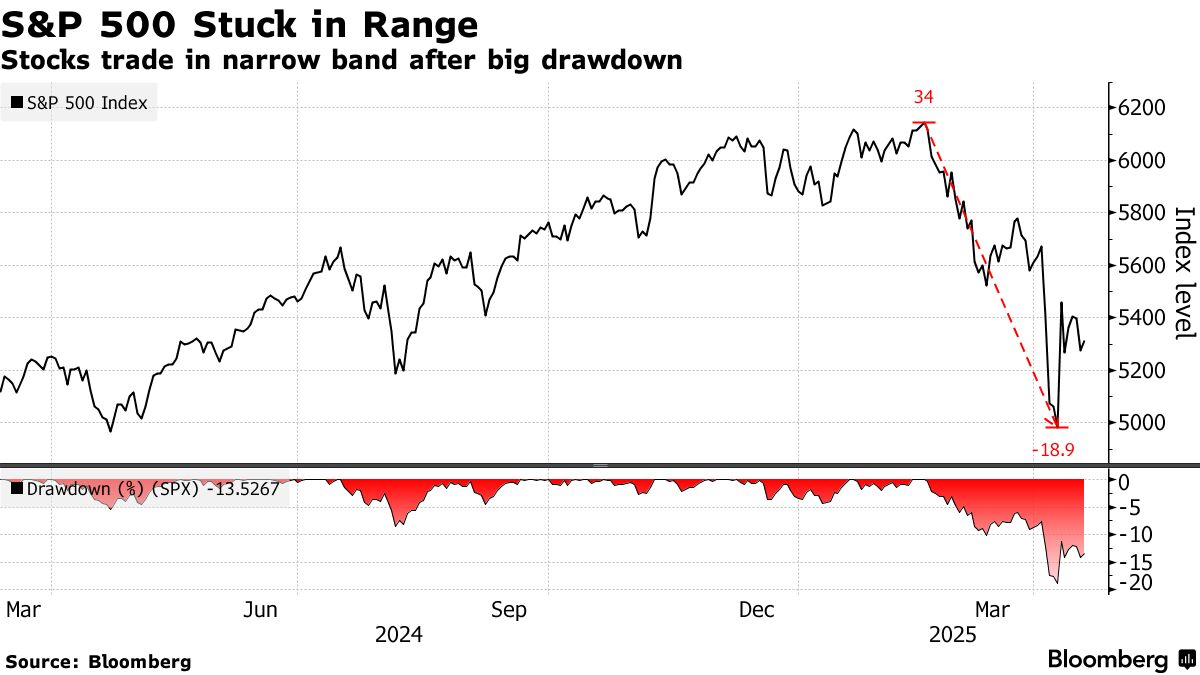
This article aims to dissect the multifaceted nature of today’s market, providing an insightful overview of the key drivers, the performance of major asset classes, and strategic considerations for navigating this dynamic environment. We will explore the macroeconomic headwinds and tailwinds, delve into the intricacies of various investment vehicles, and project potential trends that could redefine the financial landscape in the months and years to come.
A Snapshot of Current Global Market Dynamics
Understanding the market today begins with a bird’s-eye view of global economic performance and investor sentiment. While localized conditions vary, several overarching themes dominate the international financial conversation, influencing asset valuations across continents.
Navigating Macroeconomic Headwinds
The most prominent macroeconomic headwind continues to be inflation, which, while showing signs of moderation in some regions, remains elevated compared to historical averages. This persistent inflation has been the primary catalyst for aggressive monetary policy tightening by central banks worldwide, notably the U.S. Federal Reserve, the European Central Bank, and the Bank of England. Higher interest rates, a direct consequence of these policies, increase the cost of borrowing for businesses and consumers, thereby dampening economic activity and often exerting downward pressure on equity valuations, especially for growth-oriented companies. The specter of a recession looms large in many developed economies, even as others demonstrate surprising resilience, creating a divergent economic picture. Furthermore, geopolitical tensions, from ongoing conflicts to trade disputes, continue to introduce uncertainty, disrupt supply chains, and impact commodity markets, adding another layer of complexity to the global economic outlook.
Sectoral Performance and Divergence
Within this challenging environment, market performance has been far from uniform. Certain sectors have demonstrated remarkable resilience or even thrived, while others have faced significant headwinds. For instance, sectors traditionally considered defensive, such as utilities, consumer staples, and healthcare, often perform relatively better during periods of economic uncertainty due as their demand tends to be less cyclical. Conversely, cyclical sectors like discretionary retail and industrials can be more sensitive to economic downturns. However, the picture is not always clear-cut. Technology, despite higher interest rates typically weighing on future growth valuations, has seen a selective resurgence, particularly in areas related to artificial intelligence and cloud computing, driven by strong earnings from dominant players. The energy sector has also experienced volatility, initially benefiting from supply constraints and geopolitical events, but then responding to shifts in global demand forecasts. This divergence underscores the importance of granular analysis beyond broad market indices.
Key Drivers and Influencers Shaping the Landscape
Beneath the surface of market movements are fundamental drivers and influential factors that dictate direction and create opportunities or risks. Identifying these underlying forces is crucial for anticipating shifts and making informed decisions.
Inflation, Interest Rates, and Central Bank Policies
The interplay between inflation and central bank actions is arguably the single most dominant theme in today’s market. Central banks, armed with their mandate to maintain price stability, have aggressively raised policy rates to combat inflation. This tightening has a ripple effect: it increases the cost of capital for businesses, impacting investment decisions and profitability; it raises borrowing costs for consumers, potentially slowing spending; and it generally makes fixed-income investments more attractive relative to equities. The market constantly scrutinizes central bank communications for clues about future rate hikes, the potential peak in rates, and the eventual pivot to rate cuts. Any divergence from market expectations can trigger significant volatility across asset classes. The “higher for longer” narrative regarding interest rates is a key consideration for long-term financial planning.
Geopolitical Shifts and Supply Chain Resilience
The interconnectedness of the global economy means that events in one part of the world can have profound financial repercussions elsewhere. Geopolitical shifts, whether ongoing conflicts, evolving trade relationships, or shifts in international alliances, introduce an element of unpredictable risk. These events can disrupt supply chains, leading to shortages and price spikes, particularly for critical commodities and manufactured goods. They can also impact investor confidence, leading to capital flight from certain regions or increased demand for safe-haven assets. Businesses are increasingly focused on building more resilient and diversified supply chains to mitigate these risks, while investors must consider the geopolitical risk premium embedded in certain assets and regions.
Technological Advancements and Disruptions
While technology often falls under a “Tech” category, its impact on the financial markets themselves is a critical “Money” driver. Financial Technology (FinTech) continues to reshape how money is managed, invested, and transacted. Advancements in areas like algorithmic trading, blockchain technology, artificial intelligence in financial analysis, and digital payment systems are transforming market infrastructure, efficiency, and accessibility. These innovations create new investment opportunities (e.g., in FinTech companies themselves) and also challenge traditional financial intermediaries. For instance, AI tools are now being deployed for sophisticated risk assessment, predictive analytics, and automated investment advice, offering both individual and institutional investors new ways to interact with and profit from the market. The digital transformation within finance is not just a trend; it’s a structural shift influencing market dynamics.
Understanding Major Asset Classes
A granular understanding of how different asset classes are performing and what factors influence them is vital for portfolio construction and risk management.
Equities: Growth vs. Value and Regional Variations
The equity market today presents a nuanced picture. The debate between growth and value stocks continues, influenced by interest rate expectations. Higher rates tend to favor value stocks (companies with strong current earnings and often lower valuations) as their cash flows are less discounted by future growth expectations. Conversely, lower rates can boost growth stocks (companies with high future growth potential, often with higher current valuations) as their long-term prospects become more attractive. Regionally, performance varies significantly, reflecting diverse economic conditions, policy environments, and sector concentrations. For example, some emerging markets might offer higher growth potential but come with elevated geopolitical or currency risks, while developed markets might offer stability but with more modest growth prospects. Concentrated rallies in specific mega-cap technology stocks have also been a notable feature in certain markets, leading to questions about market breadth and sustainability.
Fixed Income: Yields, Duration, and Credit Risk
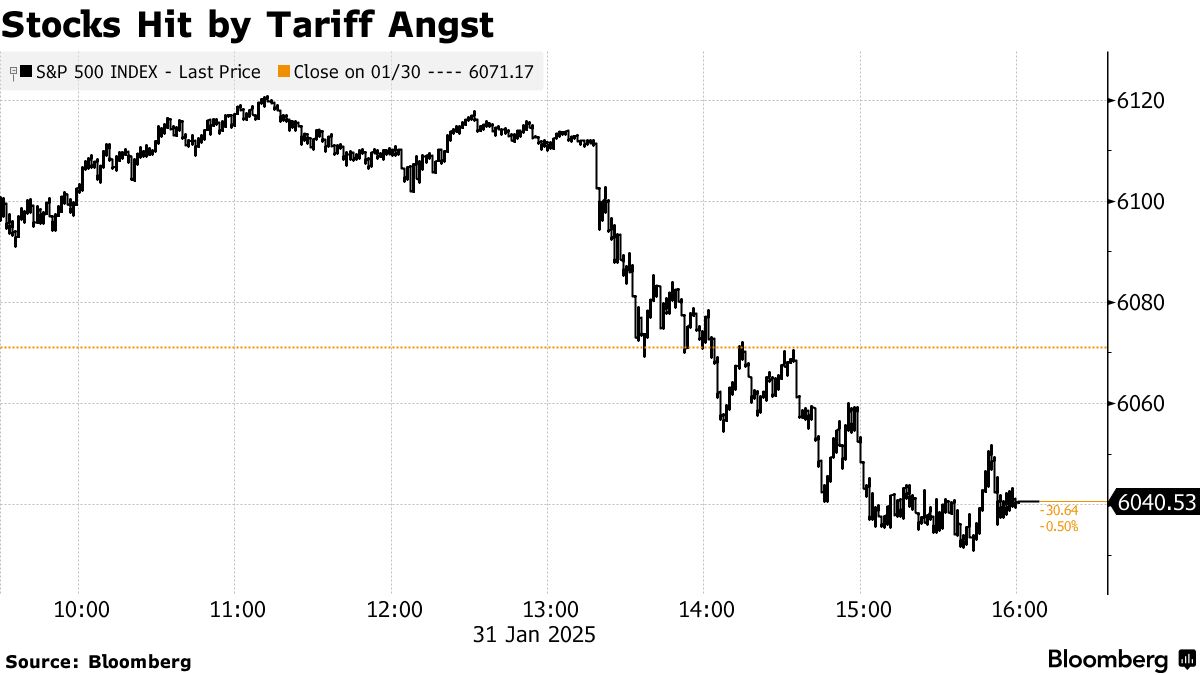
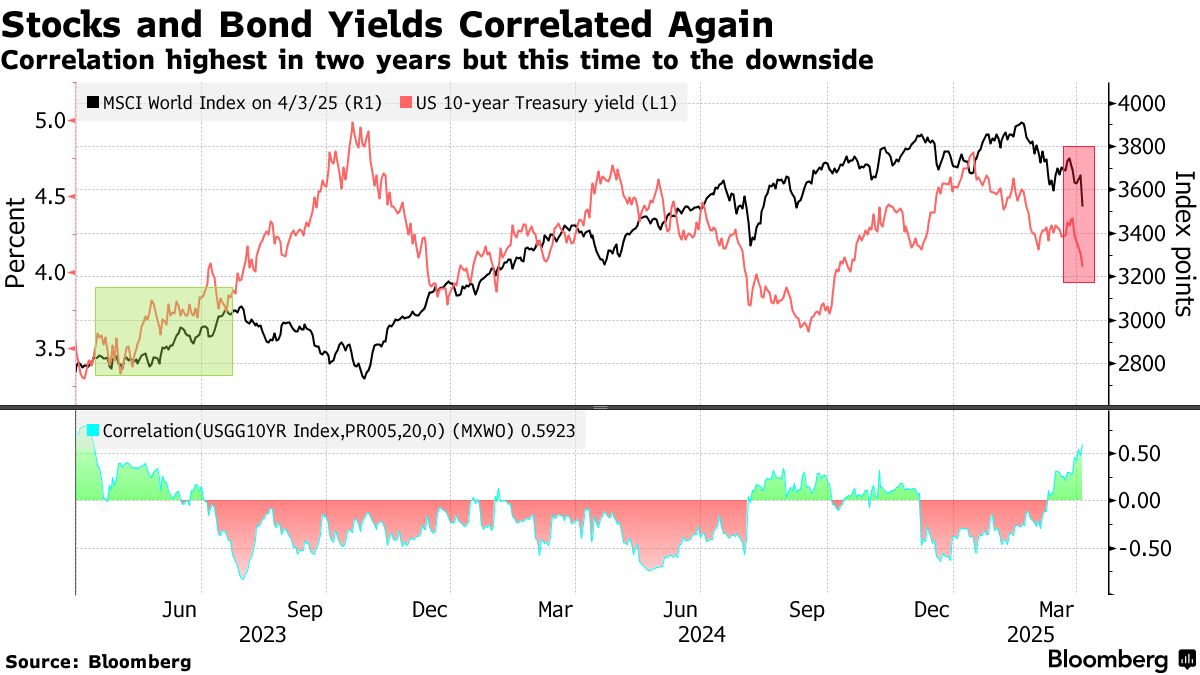
The fixed-income market has undergone a significant transformation. After years of ultra-low, and even negative, yields, bond yields have risen substantially due to central bank tightening. This makes bonds more attractive for income-seeking investors but also means that existing bonds with lower yields have seen their prices fall. Duration, a measure of a bond’s sensitivity to interest rate changes, has become a critical consideration; longer-duration bonds are more sensitive to rate hikes. Credit risk, the risk that a borrower will default, is also under scrutiny, especially for corporate bonds, as economic slowdowns can strain corporate balance sheets. Government bonds are generally considered less risky but their yields still reflect inflation expectations and sovereign creditworthiness. The yield curve, which plots the yields of bonds with different maturities, is often inverted in today’s market (short-term yields higher than long-term yields), a phenomenon historically associated with impending recessions.
Commodities: Energy, Metals, and Agricultural Trends
Commodity markets are inherently volatile, influenced by supply-and-demand dynamics, geopolitical events, and currency fluctuations. Energy commodities (oil, natural gas) remain highly sensitive to geopolitical tensions, OPEC+ decisions, and global economic growth forecasts. Precious metals like gold often act as a safe haven during times of uncertainty and inflation, though their performance can be affected by real interest rates (nominal rates minus inflation). Industrial metals (copper, iron ore) are bellwethers for global manufacturing and construction activity, while agricultural commodities (wheat, corn) are influenced by weather patterns, geopolitical stability, and global food demand. Today’s market sees these commodities balancing tight supply chains against concerns over slowing global demand, leading to unpredictable price movements.
Real Estate: Residential vs. Commercial Outlook
The real estate market is grappling with the impact of higher interest rates. Residential real estate has seen cooling demand and some price corrections in many regions as mortgage rates have surged, making homeownership less affordable. However, inventory levels and demographic shifts continue to play a crucial role, creating localized variations. Commercial real estate faces its own set of challenges, particularly in the office sector, where remote work trends have led to increased vacancies and declining property values in some urban centers. Other commercial segments, such as industrial and data centers, have shown greater resilience due to strong demand drivers. Investors in real estate, whether directly or through Real Estate Investment Trusts (REITs), must carefully assess leverage levels, occupancy rates, and local market fundamentals.
Strategic Imperatives for Investors and Businesses
In this dynamic environment, a proactive and well-thought-out strategy is paramount for both individual investors and corporate entities.
Adapting Investment Portfolios for Volatility
Today’s market demands an adaptive approach to portfolio management. Given the persistent volatility, a static “buy and hold” strategy, while often effective long-term, needs careful re-evaluation of its components. Investors should consider recalibrating their risk exposure, potentially reducing overweight positions in highly speculative assets and increasing allocations to more resilient, quality companies with strong balance sheets and consistent free cash flow. Rebalancing portfolios regularly helps maintain desired asset allocations and can force investors to “buy low and sell high” by trimming outperforming assets and adding to underperformers. Diversification across different asset classes, geographies, and sectors remains the cornerstone of navigating uncertainty.
The Importance of Diversification and Risk Management
Beyond asset allocation, genuine diversification means not putting all eggs in one basket, both within and across asset classes. This includes diversifying investment styles (e.g., combining growth and value), geographical exposure, and even types of income streams. Effective risk management is equally crucial. This involves understanding the maximum acceptable loss, setting stop-loss orders where appropriate, and maintaining sufficient liquidity to cover unexpected needs or to capitalize on market dips. For businesses, risk management extends to hedging strategies for currency or commodity exposures, managing debt covenants in a rising interest rate environment, and ensuring robust operational resilience against supply chain disruptions.
Long-Term Growth Opportunities Amidst Short-Term Noise
Despite the immediate challenges and economic uncertainties, significant long-term growth opportunities persist. Megatrends such as sustainable energy transition, artificial intelligence, biotechnology, digital transformation, and the aging global population continue to drive innovation and create new industries. Investors with a long-term horizon can identify companies and sectors that are poised to benefit from these secular trends, looking beyond short-term market fluctuations. Investing in quality businesses with strong competitive advantages, sound governance, and adaptable business models is key to capturing these enduring growth prospects.
Financial Tools and Resources for Informed Decision-Making
In an increasingly complex market, leveraging the right financial tools and resources is critical. This includes access to reliable market data and analytics platforms, sophisticated financial planning software, and robo-advisors or human financial advisors who can offer personalized guidance. Educational resources, market commentary from reputable sources, and economic research reports help investors stay informed. For businesses, robust financial modeling tools, enterprise resource planning (ERP) systems, and access to accurate market intelligence are indispensable for strategic planning and operational efficiency. The democratization of financial information and tools has empowered both individual and institutional players to make more data-driven decisions.
The Road Ahead: Forecasts and Emerging Trends
Predicting the future is inherently challenging, but identifying probable trajectories and emerging trends can help prepare for what lies ahead.
The Future of Monetary Policy
The trajectory of monetary policy will remain a central determinant of market performance. While many central banks are nearing the end of their tightening cycles, the duration for which interest rates will remain elevated is a key debate. The market is constantly pricing in the likelihood and timing of eventual rate cuts, which would likely provide a boost to risk assets. However, the exact path will depend on the evolution of inflation, labor markets, and overall economic growth. Understanding whether central banks prioritize inflation control over economic growth, or vice-versa, will be critical.
Sustainable Investing (ESG) as a Growing Force
Environmental, Social, and Governance (ESG) investing is no longer a niche concept but a mainstream force shaping capital allocation. Investors are increasingly integrating ESG factors into their decision-making, recognizing that companies with strong ESG credentials often exhibit better long-term resilience, lower risk, and potentially superior returns. This trend is driving corporate behavior, pushing companies to adopt more sustainable practices and transparent reporting. The market for green bonds, impact investments, and funds focused on socially responsible criteria continues to expand, reflecting a growing awareness of the interconnectedness between financial returns and societal well-being.
Digital Assets and the Evolving Financial Ecosystem
Despite recent volatility and regulatory scrutiny, digital assets like cryptocurrencies and blockchain technology continue to represent a significant, albeit speculative, part of the evolving financial ecosystem. While their long-term role in mainstream finance is still being defined, they are pushing the boundaries of traditional banking, payments, and investment. Institutional adoption, regulatory clarity, and technological advancements will dictate their integration into the broader financial market. Understanding the underlying technology and the potential for tokenization of real-world assets is crucial for those interested in the future of finance, even if direct investment remains a high-risk proposition for many.
In conclusion, “the market today” is a dynamic and multifaceted entity, demanding constant vigilance and a strategic approach. While challenges such as inflation and geopolitical instability persist, opportunities for growth, innovation, and value creation remain abundant for those who are well-informed, adaptable, and disciplined in their financial pursuits. Navigating this landscape successfully requires a blend of macroeconomic awareness, detailed asset class understanding, and a commitment to long-term financial principles.
aViewFromTheCave is a participant in the Amazon Services LLC Associates Program, an affiliate advertising program designed to provide a means for sites to earn advertising fees by advertising and linking to Amazon.com. Amazon, the Amazon logo, AmazonSupply, and the AmazonSupply logo are trademarks of Amazon.com, Inc. or its affiliates. As an Amazon Associate we earn affiliate commissions from qualifying purchases.