
The intricate web of global financial markets is in a constant state of flux, influenced by a myriad of economic, geopolitical, and technological factors. Understanding “how the markets are doing” requires a nuanced look beyond daily headlines, delving into the performance of various asset classes, the underlying drivers, and the prevailing sentiment that shapes investor behavior. From equity surges to bond market recalibrations and commodity price swings, the current landscape presents both opportunities and challenges for investors worldwide.
A Snapshot of Current Global Market Dynamics
Monitoring the pulse of financial markets involves scrutinizing the performance of major indices and asset classes, each reacting to a distinct set of pressures and opportunities.
Equity Markets: Navigating Volatility and Growth Pockets
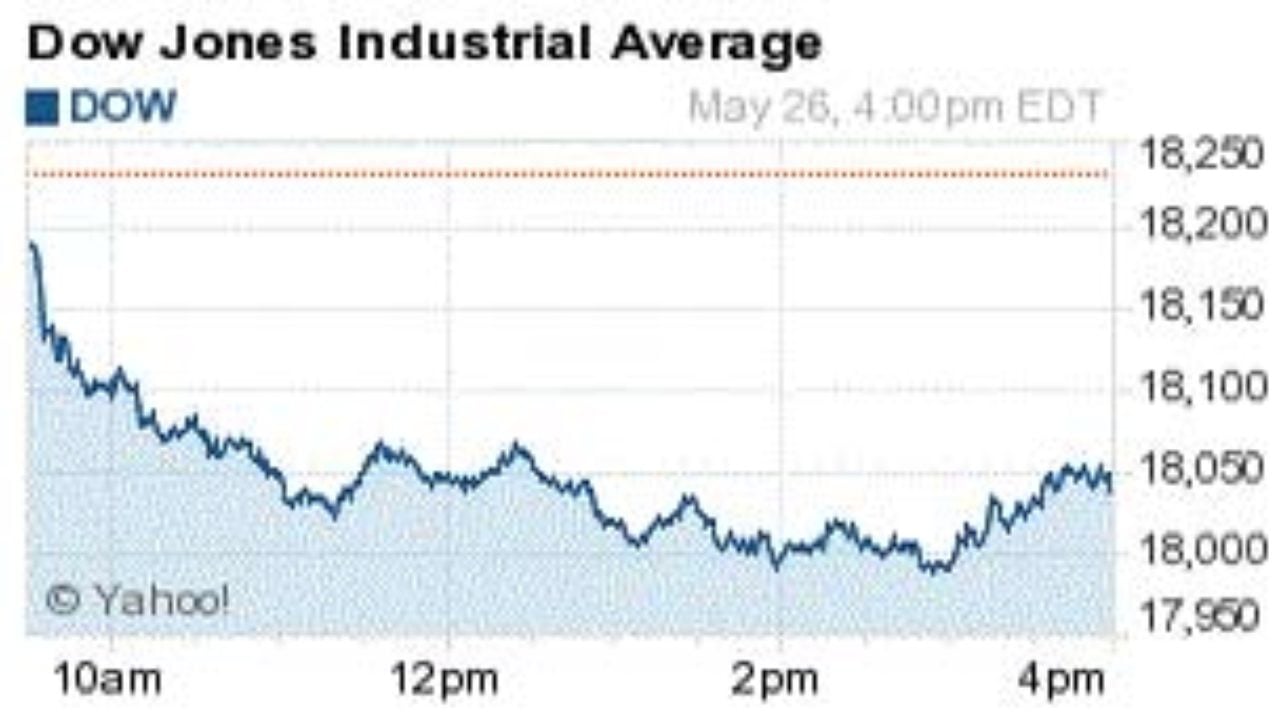
Equity markets across the globe have demonstrated a complex tapestry of performance. Major benchmarks like the S&P 500, Dow Jones Industrial Average, and Nasdaq Composite in the U.S., alongside Europe’s FTSE 100 and DAX, and Asia’s Nikkei 225 and Hang Seng, have seen periods of robust growth punctuated by significant volatility. The narrative often diverges, with a notable outperformance in large-cap technology and growth stocks, often fueled by optimism around artificial intelligence (AI) and digital transformation. This concentration of gains can mask a broader market that may be experiencing more modest returns or even corrections in certain sectors. Investor sentiment remains a key determinant, swinging between optimism for innovation-driven growth and caution regarding economic slowdowns or geopolitical risks. Companies demonstrating strong earnings growth, robust balance sheets, and effective cost management strategies have generally been rewarded, while those struggling with higher input costs or weakening consumer demand have faced headwinds.
Bond Markets: Yields, Inflation, and Central Bank Policies
The bond market, often a bellwether for economic expectations, has been particularly sensitive to inflation data and central bank monetary policy. Government bond yields, particularly U.S. Treasuries, serve as a global benchmark and have seen significant fluctuations. The interplay between persistent inflation and the aggressive interest rate hiking cycles by major central banks – such as the Federal Reserve, European Central Bank (ECB), and Bank of England (BoE) – has led to an environment where bond prices have been pressured, driving yields higher. Corporate bonds have also reacted, with credit spreads widening or tightening based on perceived economic health and company-specific risk. A notable phenomenon has been the inversion of the yield curve in some economies, where short-term bond yields surpass long-term yields, historically signaling potential future economic contractions. This dynamic underscores the market’s attempt to price in future growth and inflation expectations.
Commodity Markets: Energy, Metals, and Agricultural Goods
Commodity markets, encompassing energy, metals, and agricultural products, have shown considerable dynamism, often serving as a barometer for global supply-demand imbalances and geopolitical tensions. Crude oil prices, for instance, have been a volatile component, influenced by OPEC+ decisions, geopolitical conflicts, and global economic growth forecasts impacting demand. Natural gas prices have also seen swings, particularly in regions like Europe, tied to supply chain disruptions and seasonal demand. Precious metals like gold and silver have historically acted as safe-haven assets during times of economic uncertainty and geopolitical instability, seeing renewed interest when investor apprehension is high. Industrial metals, such as copper and lithium, are closely tied to global manufacturing activity and the accelerating transition to green energy technologies, reflecting both cyclical demand and long-term structural trends. Agricultural commodities, including wheat and corn, are susceptible to weather patterns, supply chain efficiencies, and global trade policies, directly impacting food inflation worldwide.
Decoding the Drivers: Factors Shaping Market Performance
The underlying forces propelling market movements are multifaceted, requiring a deep understanding of interconnected global phenomena.
Inflationary Pressures and Monetary Policy Responses
Inflation remains a central concern, with Consumer Price Index (CPI) and Producer Price Index (PPI) figures closely watched indicators. Persistent inflation has been a dominant theme, stemming from various factors including supply chain disruptions, strong consumer demand, and geopolitical events impacting energy and food prices. In response, central banks worldwide have embarked on aggressive monetary tightening cycles, raising benchmark interest rates to cool economies and bring inflation back to target levels. While effective in some areas, these actions introduce a delicate balance, risking potential economic slowdowns or recessions. The market’s interpretation of each inflation report and central bank announcement can lead to significant shifts in asset prices, as investors adjust their expectations for future economic growth and corporate profitability.
Geopolitical Landscape and Global Economic Resilience
The geopolitical landscape continues to exert a profound influence on market stability. Ongoing conflicts, trade disputes, and international policy shifts introduce layers of uncertainty. The war in Ukraine, for example, has significantly impacted global energy and food markets, creating supply shocks and exacerbating inflationary pressures. Trade relations between major economic blocs can affect global supply chains and corporate profitability, influencing investment decisions. These geopolitical risks are constantly being weighed against the inherent resilience of major economies and their ability to absorb shocks and adapt, which in turn affects investor confidence and capital flows across borders.
Corporate Earnings and Economic Data
The health of individual companies, as reflected in their quarterly earnings reports, is a critical driver for equity markets. Strong earnings growth, positive revenue surprises, and optimistic forward guidance can propel stock prices higher, while misses can lead to sharp declines. Beyond corporate specifics, broader economic data paints a picture of the overall economic environment. Key indicators such as consumer spending, employment figures (unemployment rates, job growth), manufacturing output (Purchasing Managers’ Index – PMI), services sector activity, and Gross Domestic Product (GDP) growth forecasts provide crucial insights. Positive economic data generally fosters an environment conducive to corporate growth and investor confidence, whereas signs of deceleration or contraction can trigger market apprehension.
Sector-Specific Performance and Future Outlook
Different sectors of the economy respond distinctly to prevailing economic conditions, reflecting varying sensitivities to interest rates, consumer spending patterns, and technological advancements.
Technology and Growth Stocks: Innovation vs. Valuation Concerns
The technology sector has been a dominant force, often leading market rallies fueled by groundbreaking innovations in AI, cloud computing, and digital transformation. However, high-growth tech stocks are particularly sensitive to interest rate environments; as rates rise, the present value of future earnings is discounted more heavily, potentially impacting valuations. Investors are constantly weighing the sector’s immense growth potential against concerns about elevated valuations and regulatory scrutiny. The future outlook remains tied to continued innovation, robust adoption rates, and the ability of companies to translate technological advancements into sustainable profitability.
Energy and Materials: Beneficiaries of Geopolitical Tensions and Demand
The energy and materials sectors have often benefited from geopolitical tensions and robust global demand. Energy companies thrive on higher oil and gas prices, while materials producers benefit from strong industrial activity and infrastructure spending. The global push towards sustainability and green energy also presents a dual dynamic: while traditional fossil fuel companies face long-term transition risks, demand for critical raw materials essential for renewable energy technologies (e.g., lithium, copper, rare earth elements) is surging, creating new investment opportunities within the materials sector.
Financials and Healthcare: Stability and Regulatory Environment
The financial sector, encompassing banks, insurance companies, and asset managers, is highly sensitive to interest rates and the overall economic cycle. Rising interest rates can boost net interest margins for banks, while economic stability supports lending activity and wealth management. Conversely, economic downturns can lead to increased loan defaults and reduced financial activity. The healthcare sector, often considered more defensive, benefits from stable demand driven by demographics and continuous innovation in pharmaceuticals, biotechnology, and medical devices. Both sectors are heavily influenced by regulatory environments, which can shape their operational frameworks and profitability.
Consumer Discretionary and Staples: The Tale of Two Consumers
The consumer sector provides a fascinating dichotomy. Consumer discretionary companies, selling non-essential goods and services (e.g., luxury items, entertainment), thrive when consumer confidence is high and disposable income is strong. They are often the first to feel the pinch during economic slowdowns or periods of high inflation. In contrast, consumer staples companies, providing essential goods like food, beverages, and household products, tend to be more resilient during economic uncertainty, as demand for their products remains relatively stable. The current market shows a nuanced picture, with some segments of the consumer base proving resilient while others face tighter budgets due to inflation.
Navigating the Market: Strategies for Investors
In an environment marked by constant change, a well-thought-out investment strategy is paramount for long-term success.
The Importance of Diversification and Asset Allocation
Diversification remains a cornerstone of prudent investing. Spreading investments across different asset classes (equities, fixed income, real estate, commodities), geographies, and sectors can help mitigate risk. When one asset class or region is underperforming, others may be thriving, cushioning the overall portfolio against significant downturns. Strategic asset allocation, which involves determining the optimal mix of assets based on an investor’s goals, risk tolerance, and time horizon, is crucial. Regularly rebalancing the portfolio to maintain the desired allocation helps to ensure it remains aligned with long-term objectives.
Long-Term Perspective and Dollar-Cost Averaging
Market fluctuations, while often unnerving, are a normal part of the investment cycle. Adopting a long-term perspective and avoiding emotional, reactive decisions during periods of volatility is critical. History suggests that markets tend to trend upwards over extended periods, rewarding patient investors. Dollar-cost averaging, a strategy of investing a fixed amount of money at regular intervals, regardless of market prices, is an effective way to navigate volatile markets. This approach ensures that more shares are purchased when prices are low and fewer when prices are high, potentially leading to a lower average cost per share over time and reducing the impact of short-term market timing.

Risk Management and Financial Planning
Effective risk management begins with a clear understanding of one’s personal financial situation and risk tolerance. Investors should have a well-defined financial plan that includes an emergency fund, managing high-interest debt, and setting specific, measurable financial goals. Understanding the risks associated with different investment vehicles – market risk, credit risk, inflation risk, liquidity risk – allows for informed decision-making. For complex situations or significant capital, consulting with a qualified financial advisor can provide personalized guidance, helping to construct a robust portfolio aligned with individual circumstances and objectives, ensuring that investment decisions are part of a broader, well-considered financial strategy.
aViewFromTheCave is a participant in the Amazon Services LLC Associates Program, an affiliate advertising program designed to provide a means for sites to earn advertising fees by advertising and linking to Amazon.com. Amazon, the Amazon logo, AmazonSupply, and the AmazonSupply logo are trademarks of Amazon.com, Inc. or its affiliates. As an Amazon Associate we earn affiliate commissions from qualifying purchases.