
Interest rates are the lifeblood of an economy, influencing everything from the cost of a mortgage to the profitability of a savings account and the valuation of entire businesses. Understanding when and why these rates change is not merely an academic exercise; it’s a critical component of sound financial planning for individuals, shrewd strategic decisions for businesses, and effective economic management for governments. The question of “when do interest rates go up?” is therefore one of profound importance, deeply intertwined with the health and direction of the broader economy.
At their core, interest rates represent the cost of borrowing money or the return on lending it. When they rise, borrowing becomes more expensive, theoretically slowing down economic activity by discouraging investment and consumer spending. Conversely, savings become more attractive, and the value of existing debt instruments can fluctuate. Navigating these shifts requires a keen awareness of the underlying economic indicators and policy decisions that act as catalysts for rate movements.

The Central Bank’s Mandate: Inflation and Economic Health
The most significant driver behind interest rate movements, especially the benchmark rates that influence all others, is the policy decisions of a nation’s central bank. In the United States, this is the Federal Reserve; in the Eurozone, the European Central Bank (ECB); and in the UK, the Bank of England. These institutions are typically tasked with a dual mandate: maintaining price stability (controlling inflation) and fostering maximum sustainable employment. When they perceive threats to these objectives, they act.
Battling Inflation
The primary reason central banks raise interest rates is to combat inflation. Inflation, the sustained increase in the general price level of goods and services, erodes purchasing power. When inflation runs too hot, consistently exceeding the central bank’s target (often around 2%), policymakers step in. By raising the benchmark interest rate (like the federal funds rate in the US), the central bank makes it more expensive for commercial banks to borrow money, a cost that is then passed on to consumers and businesses in the form of higher loan rates.
This increase in borrowing costs has a ripple effect:
- Discourages Spending: Consumers are less likely to take out loans for big-ticket items like cars or homes, and existing variable-rate debt becomes more costly.
- Slows Investment: Businesses face higher costs for capital, potentially postponing expansion plans or new projects.
- Strengthens Currency: Higher interest rates can attract foreign investment, increasing demand for the domestic currency and making imports cheaper, which further helps temper inflation.
The goal is to cool an overheating economy, bring aggregate demand back into balance with supply, and steer inflation back towards the target level without triggering a recession.
Robust Economic Growth and Employment
While inflation is the primary trigger, a strong and rapidly expanding economy, coupled with low unemployment, can also prompt central banks to consider rate hikes. When the economy is growing robustly and unemployment is at or near full employment, several dynamics often emerge:
- Wage Pressure: With fewer available workers, employers may have to offer higher wages to attract and retain talent. This increase in labor costs can be passed on to consumers in higher prices, contributing to inflation.
- Asset Bubbles: Sustained periods of cheap money and rapid growth can inflate asset prices (like stocks or real estate) beyond their fundamental value, creating speculative bubbles that could burst and destabilize the financial system.
- Preventing Overheating: Raising rates in a strong economy can be a pre-emptive measure to prevent inflation from taking root in the first place, ensuring sustainable long-term growth rather than boom-and-bust cycles.
In essence, central banks aim to take away the “punch bowl just as the party gets going” to prevent future hangovers.
Monetary Policy Tools
The most direct tool central banks use to influence interest rates is adjusting their policy rate. In the US, this is the federal funds rate, the target rate for overnight lending between banks. Changes to this rate cascade through the financial system, affecting prime rates, mortgage rates, credit card APRs, and business loan rates. Beyond direct rate adjustments, central banks can also engage in quantitative tightening (QT), where they reduce the size of their balance sheet by letting previously purchased bonds mature without reinvesting the proceeds. This effectively reduces the supply of money in the system, which can also put upward pressure on interest rates.
Market Forces and Investor Sentiment
While central banks wield immense power, they are not the sole determinants of interest rate movements. Market forces, driven by the collective decisions and expectations of millions of investors, also play a significant role, particularly in bond markets, whose yields directly influence other rates.
Supply and Demand for Credit
Like any commodity, the price of money (interest rates) is subject to the forces of supply and demand.
- High Demand for Borrowing: If businesses and consumers are eager to borrow for investment and spending, and governments are issuing large amounts of debt, the demand for lendable funds increases. If the supply of capital doesn’t keep pace, lenders can command higher interest rates.
- Low Supply of Capital: Factors like a decrease in savings rates or a flight of capital to other countries can reduce the available pool of funds for lending, pushing rates up.
Government borrowing is particularly impactful. When governments issue bonds to finance deficits, they compete with private sector borrowers for available capital. A substantial increase in government bond issuance can absorb a large portion of the available funds, putting upward pressure on bond yields and, consequently, other interest rates.
Investor Expectations and Risk Premium
Bond investors are forward-looking. Their willingness to lend money and the rates they demand are heavily influenced by their expectations of future inflation and economic conditions.
- Inflation Expectations: If investors anticipate higher inflation in the future, they will demand a higher yield on bonds today to compensate for the erosion of their purchasing power. This “inflation premium” is a critical component of long-term interest rates.
- Economic Uncertainty and Risk Premium: During periods of economic instability or geopolitical tension, investors may demand a “risk premium” for lending their money. This means they’ll require higher interest rates to compensate for the increased perceived risk of default or market volatility. Governments with precarious fiscal positions, for instance, often face higher borrowing costs because investors demand a greater premium for the perceived risk of lending to them.
Global Economic Conditions
In an increasingly interconnected global economy, domestic interest rates are not immune to international influences.
- Capital Flows: If interest rates are significantly higher in another major economy, capital might flow out of the domestic market seeking better returns. This outflow can reduce the supply of domestic capital, pushing up local interest rates.
- Global Demand for Commodities: Strong global demand for commodities, particularly energy, can drive up prices worldwide, contributing to inflationary pressures that then prompt domestic central banks to raise rates.
- Exchange Rates: A strong domestic currency, often driven by higher interest rates, can make imports cheaper, helping to contain inflation. Conversely, a weakening currency can make imports more expensive, contributing to inflation and potentially prompting rate hikes.
Government Policy and Fiscal Health
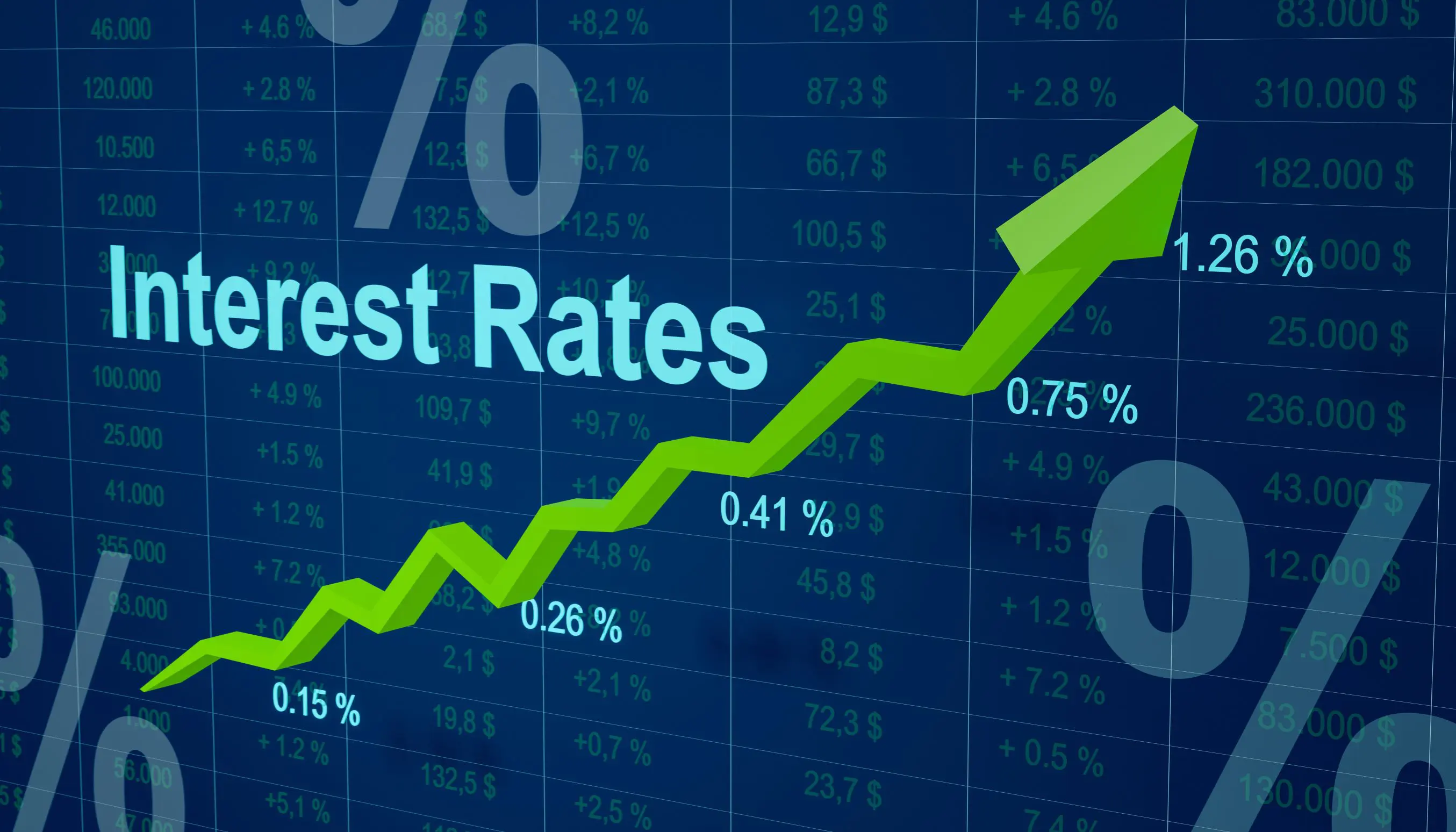
Beyond the central bank’s monetary policy, the fiscal policy of the government—its decisions regarding spending and taxation—can also exert a powerful influence on interest rates. While not directly setting rates, these policies can create conditions that necessitate central bank intervention or directly impact market sentiment.
National Debt and Deficit Spending
Governments often spend more than they collect in taxes, leading to budget deficits. These deficits must be financed through borrowing, typically by issuing government bonds.
- Increased Supply of Bonds: When a government issues a large volume of new debt, it increases the supply of bonds in the market. If investor demand does not keep pace, the price of existing bonds falls, and their yields (interest rates) rise. This is a fundamental supply-and-demand dynamic.
- Sovereign Risk Concerns: Persistent and escalating national debt can, in extreme cases, lead to concerns among investors about the government’s ability or willingness to repay its obligations. To compensate for this heightened perceived risk, investors will demand higher interest rates on new debt issuance, creating a “sovereign risk premium.”
Tax Policy and Economic Incentives
Tax policy can also indirectly affect interest rates. Tax cuts, for instance, might stimulate economic activity and consumer spending, potentially leading to inflationary pressures that eventually prompt the central bank to raise rates. Conversely, tax increases or austerity measures could slow down an economy, reducing inflationary pressures and potentially leading to lower rates. Specific tax incentives for savings or investment can also alter the supply and demand for capital, thereby influencing market rates.
External Shocks and Geopolitical Events
Unexpected and often unpredictable events—known as “shocks”—can dramatically alter the economic landscape and force swift adjustments in interest rate policy. These events, by their very nature, are difficult to foresee but have profound consequences.
Commodity Price Shocks (e.g., Oil)
Sudden and significant spikes in the prices of critical commodities, such as oil, natural gas, or food staples, can rapidly feed into broader inflation.
- Cost-Push Inflation: Higher energy or food costs increase production expenses for businesses, which are then passed on to consumers as higher prices. This type of inflation (cost-push) directly impacts household budgets and can quickly push overall inflation beyond comfort levels, compelling central banks to raise rates even if underlying demand isn’t excessively strong.
- Supply Chain Disruptions: Events that disrupt global supply chains, such as natural disasters or trade wars, can also lead to shortages and price increases, similarly contributing to inflationary pressures.
Wars and Political Instability
Major geopolitical events, like wars or significant political instability in key regions, create immense uncertainty and can have far-reaching economic consequences.
- Increased Government Spending: Wars often necessitate massive increases in government defense spending, typically financed through increased borrowing, which can push up interest rates.
- Trade Disruptions: Conflicts can disrupt international trade routes, supply chains, and access to critical resources, leading to scarcity and inflationary pressures.
- Investor Flight to Safety: In times of extreme uncertainty, investors may flock to perceived safe-haven assets, which can temporarily depress yields on those assets while raising rates on riskier investments or in more volatile economies.
Pandemics and Natural Disasters
Events like global pandemics (as seen with COVID-19) or large-scale natural disasters can trigger a cascade of economic effects. They can cause widespread supply chain disruptions, alter consumer behavior dramatically, necessitate unprecedented government spending (both fiscal stimulus and emergency aid), and impact labor markets. The initial response might be to lower rates to stimulate activity, but subsequent inflationary pressures due to supply shocks or demand shifts can eventually lead to rate hikes, as demonstrated in the post-pandemic recovery period.
The Impact of Rising Interest Rates
Understanding when interest rates go up is crucial because the implications are widespread, affecting every facet of the financial landscape.
For Borrowers
Rising interest rates mean higher costs for virtually all forms of borrowing. Mortgage rates increase, making homeownership less affordable. Credit card interest rates climb, making revolving debt more expensive. Business loans become costlier, potentially stifling investment and expansion. This can reduce consumer spending and corporate growth, acting as a brake on the economy.
For Savers
Conversely, rising interest rates are generally good news for savers. Deposit accounts, certificates of deposit (CDs), and money market funds typically offer higher returns, allowing individuals to earn more on their parked cash. This incentivizes saving over spending, aligning with the central bank’s goal of cooling an overheated economy.
For Investors
The impact on investors is multifaceted. Bond prices generally move inversely to interest rates; as rates rise, the value of existing bonds (with lower fixed interest payments) falls. The stock market can also be negatively impacted as higher borrowing costs reduce corporate profits, and future earnings are discounted at a higher rate, reducing present valuations. Real estate markets can cool as higher mortgage rates reduce buyer demand and affordability.

Conclusion
The question of “when do interest rates go up?” has no single, simple answer because it is a confluence of numerous interconnected economic, political, and global factors. Central banks, primarily driven by their mandate to control inflation and foster employment, are the most direct actors. However, market forces reflecting investor expectations, the government’s fiscal health, and unpredictable external shocks all contribute to the complex dance of interest rate movements.
For individuals managing personal finances, for businesses planning investments, and for investors allocating capital, staying attuned to these drivers is paramount. It allows for proactive adjustments, whether it’s locking in a fixed-rate mortgage, adjusting investment portfolios, or re-evaluating business expansion plans. While the timing can never be predicted with absolute certainty, a deep understanding of the “why” behind rate hikes provides a powerful compass for navigating the economic seas.
aViewFromTheCave is a participant in the Amazon Services LLC Associates Program, an affiliate advertising program designed to provide a means for sites to earn advertising fees by advertising and linking to Amazon.com. Amazon, the Amazon logo, AmazonSupply, and the AmazonSupply logo are trademarks of Amazon.com, Inc. or its affiliates. As an Amazon Associate we earn affiliate commissions from qualifying purchases.