
Homeownership remains a cornerstone of the American dream, a significant life milestone, and often the largest financial commitment an individual or family will ever make. However, the path to acquiring a home is rarely straightforward, primarily due to the complexities of financing. Understanding how to navigate the myriad options for securing a mortgage, managing associated costs, and planning for long-term financial stability is paramount. This comprehensive guide will demystify the home financing process, equipping prospective homeowners with the knowledge and insights needed to make informed decisions and achieve their property goals with confidence.
Understanding Your Home Financing Journey
Embarking on the journey to homeownership is an exciting prospect, but it requires a solid understanding of the financial landscape. It’s more than just finding a house; it’s about understanding the entire ecosystem of lenders, loan types, and your own financial readiness.
The Dream of Homeownership
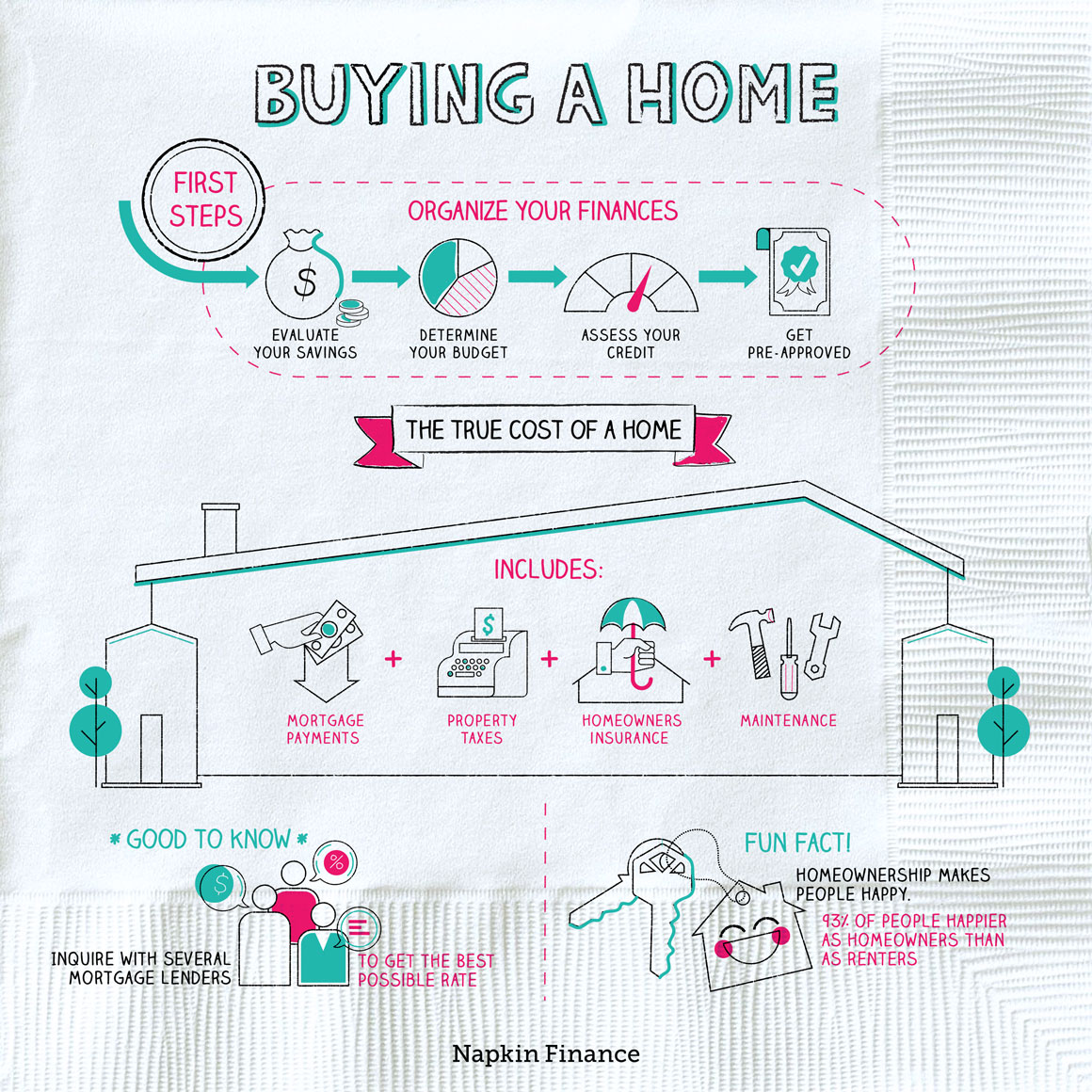
For many, owning a home represents stability, a place to build equity, and the freedom to personalize one’s living space. It’s an investment not just in real estate, but in one’s future. Yet, turning this dream into reality hinges on a well-executed financial strategy. Before even looking at properties, it’s crucial to acknowledge the scale of the commitment and mentally prepare for the financial rigor ahead. This includes not just the initial purchase price, but a host of ongoing costs that come with property ownership.
Key Players in the Financing Process
Successfully financing a home involves interacting with several key entities, each playing a vital role. At the heart of it are lenders—banks, credit unions, and mortgage companies—who provide the capital. Mortgage brokers act as intermediaries, connecting borrowers with various lenders and helping them find suitable loan products. Real estate agents guide you through property selection and negotiation, while appraisers determine a property’s market value, and inspectors assess its condition. Finally, title companies ensure the property’s title is clear and facilitate the closing process. Understanding their roles helps in orchestrating a smooth transaction.
Essential Financial Prerequisites
Before approaching any lender, prospective homebuyers must assess their own financial health. This involves a critical look at three primary factors:
- Credit Score: A strong credit score (generally 670 or higher) is fundamental. It indicates your reliability as a borrower and directly influences the interest rates you’ll be offered. Lenders use it to gauge risk.
- Debt-to-Income (DTI) Ratio: This ratio compares your total monthly debt payments to your gross monthly income. Most lenders prefer a DTI of 43% or less. A lower DTI signifies that you have ample income to manage new mortgage payments alongside existing obligations.
- Savings for Down Payment and Closing Costs: Having sufficient funds for a down payment (typically 3% to 20% or more of the home’s price) and an additional 2-5% for closing costs is non-negotiable. These upfront expenses are a significant hurdle for many and require diligent saving.
Addressing these prerequisites proactively will significantly strengthen your position when seeking financing.
Navigating Mortgage Options and Loan Types
The mortgage market offers a diverse array of loan products, each with distinct features, advantages, and disadvantages. Choosing the right one is crucial for your long-term financial well-being.
Fixed-Rate Mortgages: Stability in Payments
The most common type, a fixed-rate mortgage, features an interest rate that remains constant throughout the life of the loan. This means your monthly principal and interest payments will never change, providing predictable budgeting and protection against rising interest rates. Fixed-rate mortgages are available in various terms, with 15-year and 30-year options being the most popular. While 15-year mortgages have higher monthly payments, they accumulate equity faster and typically result in less interest paid over the life of the loan.
Adjustable-Rate Mortgages (ARMs): Flexibility and Risk
Adjustable-Rate Mortgages (ARMs) offer an initial period (e.g., 3, 5, 7, or 10 years) where the interest rate is fixed, often at a lower rate than comparable fixed-rate loans. After this introductory period, the rate adjusts periodically (e.g., annually) based on a specified market index, plus a margin. ARMs can be attractive for borrowers who plan to sell or refinance before the fixed-rate period ends, or who anticipate their income increasing significantly. However, they carry the risk of rising monthly payments if interest rates increase.
Government-Backed Loans: FHA, VA, and USDA
Several government-backed loan programs aim to make homeownership more accessible:
- FHA Loans: Insured by the Federal Housing Administration, these loans are ideal for first-time homebuyers or those with lower credit scores and smaller down payments (as low as 3.5%). They require mortgage insurance premiums (MIP) for the life of the loan in many cases.
- VA Loans: Guaranteed by the Department of Veterans Affairs, VA loans are available to eligible service members, veterans, and surviving spouses. They often require no down payment, offer competitive interest rates, and do not necessitate private mortgage insurance (PMI).
- USDA Loans: Backed by the U.S. Department of Agriculture, these loans assist low- to moderate-income individuals in purchasing homes in eligible rural areas. They also typically require no down payment and offer favorable terms.
These programs often have specific eligibility criteria, but they can be invaluable for qualifying borrowers.
Conventional Loans: Standard and Jumbo Options
Conventional loans are not insured or guaranteed by the government and adhere to lending guidelines set by Fannie Mae and Freddie Mac. They often require a higher credit score and a larger down payment (typically 5% or more, with 20% or more avoiding private mortgage insurance, or PMI). Jumbo loans are a type of conventional loan that exceeds the conforming loan limits set by government-sponsored enterprises. These are for higher-value properties and typically come with stricter underwriting requirements due to the larger loan amount.
The Application Process: From Pre-Approval to Closing
Once you’ve assessed your financial standing and explored loan options, the practical steps of applying for and securing financing begin. This multi-stage process requires patience, organization, and clear communication.
Getting Pre-Approved: Setting Your Budget
The first crucial step is to get pre-approved for a mortgage. This involves a lender reviewing your financial information (credit, income, assets) and issuing a conditional commitment for a specific loan amount. Pre-approval not only gives you a realistic budget for your home search but also demonstrates to sellers that you are a serious and qualified buyer, which can be a significant advantage in competitive markets. It’s different from pre-qualification, which is a less rigorous estimate.
Document Gathering: What Lenders Need
Prepare for a comprehensive request for documents. Lenders need a clear picture of your financial history and stability. Expect to provide:
- Pay stubs (last 30-60 days)
- W-2 forms (last two years)
- Tax returns (last two years)
- Bank statements (last two months for all accounts)
- Investment statements
- Identification (driver’s license, social security card)
- Letters of explanation for any credit anomalies or large deposits
Having these documents organized and readily available will expedite the process.

Underwriting: The Deep Dive into Your Finances
After you’ve submitted your application and all required documents, your file moves to underwriting. This is where the lender’s underwriter meticulously verifies all the information you’ve provided. They assess your creditworthiness, analyze your income and assets, and evaluate the risk associated with lending to you. They may ask for additional documentation or clarification during this phase. This is a critical stage where your financial story is thoroughly vetted.
Appraisal and Inspection: Assessing the Property’s Value and Condition
While your finances are being scrutinized, the property itself undergoes evaluation. An appraisal is conducted by an independent third party to determine the home’s fair market value. Lenders will not loan more than the appraised value of the home. Simultaneously, a home inspection is highly recommended. While not typically required by lenders (unless for certain government-backed loans), an inspection by a qualified professional identifies any potential structural, mechanical, or safety issues with the property. This protects your investment and can provide leverage for negotiations on repairs or price adjustments.
The Closing Table: Finalizing the Deal
The culmination of the financing process is the closing. This is where all parties—buyer, seller, lender, and title company representatives—meet to sign the final paperwork, transfer funds, and officially transfer ownership of the property. You’ll sign numerous documents, including the promissory note (your promise to repay the loan) and the mortgage or deed of trust (giving the lender a lien on the property). This is also where you’ll pay your closing costs, which typically include origination fees, appraisal fees, title insurance, attorney fees, and prepaid property taxes and homeowner’s insurance.
Beyond the Mortgage: Costs and Long-Term Considerations
Financing a home extends far beyond securing a mortgage. Understanding all associated costs and planning for the long-term financial implications is vital for sustainable homeownership.
Down Payment Strategies and Savings
Your down payment significantly impacts your mortgage terms. A larger down payment reduces your loan amount, potentially lowers your interest rate, and often eliminates the need for private mortgage insurance (PMI) on conventional loans if it’s 20% or more. Strategies for saving include automated savings transfers, budgeting for housing-specific funds, exploring down payment assistance programs, and considering gift funds from family members (with proper documentation).
Closing Costs: Expect the Unexpected
Often overlooked, closing costs can amount to 2% to 5% of the loan amount, or even more. These one-time fees cover various services related to the transaction. Examples include loan origination fees, appraisal fees, title insurance, legal fees, recording fees, and prepaid expenses like property taxes and homeowner’s insurance premiums for the first year. It’s crucial to budget for these expenses in addition to your down payment.
Property Taxes and Homeowner’s Insurance: Ongoing Expenses
As a homeowner, you’ll be responsible for ongoing expenses:
- Property Taxes: These are levied by local governments and are typically paid annually or semi-annually. They can fluctuate and are often included in your monthly mortgage payment (escrowed by the lender).
- Homeowner’s Insurance: Required by lenders, this policy protects your home and belongings against damage from perils like fire, theft, and natural disasters. Like property taxes, premiums are often escrowed and paid monthly with your mortgage.
These costs are a permanent part of your housing budget and must be accounted for.
Home Maintenance and Repairs: The Hidden Costs of Ownership
Beyond the mortgage and escrowed payments, homeownership comes with the responsibility and cost of maintenance and repairs. From routine upkeep like lawn care and HVAC servicing to unexpected major repairs like roof replacement or plumbing issues, these expenses can add up. Financial experts often recommend setting aside 1-3% of your home’s value annually for maintenance and repairs. Neglecting these can lead to larger, more expensive problems down the line.
Refinancing: Opportunities for Optimization
The financing journey doesn’t necessarily end after closing. Refinancing involves replacing your existing mortgage with a new one, typically to secure a lower interest rate, change the loan term, or tap into home equity. While it incurs new closing costs, refinancing can significantly reduce your monthly payments, lower the total interest paid over time, or free up cash for other investments or debts. Keeping an eye on interest rate trends and your financial situation can reveal opportune moments for refinancing.
Strategic Tips for a Successful Home Financing Experience
Navigating home financing can be complex, but with strategic planning and diligent execution, you can optimize your chances for success and secure the best possible terms.
Improve Your Credit Score
Your credit score is a powerful determinant of the interest rate you’ll receive. Prior to applying for a mortgage, take steps to improve it: pay all bills on time, reduce existing debt, avoid opening new lines of credit, and dispute any errors on your credit report. A higher score translates to thousands of dollars saved over the life of the loan.
Reduce Your Debt-to-Income Ratio
Lenders scrutinize your DTI ratio. Before applying for a mortgage, focus on paying down existing debts, especially high-interest credit card balances. A lower DTI indicates greater financial capacity to handle your mortgage payments, making you a more attractive borrower.
Save for a Larger Down Payment
While low down payment options exist, saving more upfront offers significant advantages. A larger down payment reduces your loan amount, lowers your monthly payments, and helps you avoid Private Mortgage Insurance (PMI) on conventional loans if you put down 20% or more. This not only saves money but also builds equity faster.
Shop Around for Lenders
Don’t settle for the first loan offer you receive. Interest rates, fees, and loan terms can vary significantly between lenders. Obtain quotes from multiple banks, credit unions, and mortgage brokers. Comparing offers allows you to find the most competitive rates and favorable terms tailored to your financial situation. Even a small difference in interest rate can save tens of thousands of dollars over the loan’s lifetime.
Understand All Fees and Terms
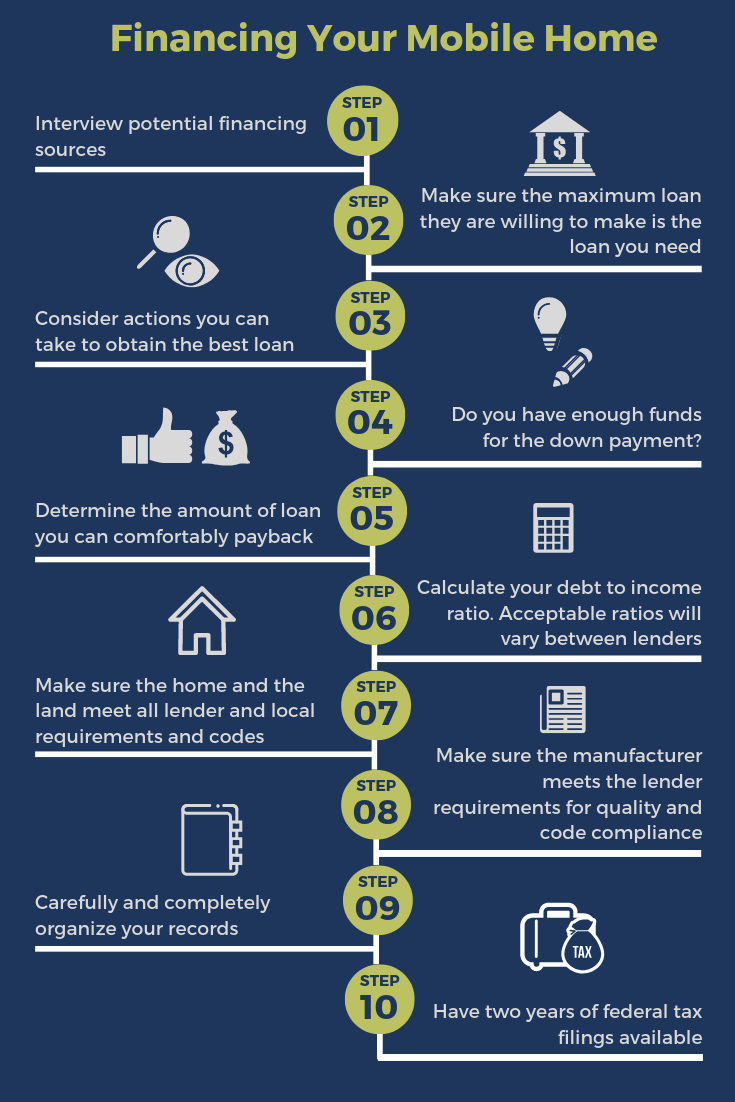
Before signing any documents, thoroughly review and understand all loan terms, fees, and conditions. Pay close attention to the interest rate, APR (Annual Percentage Rate, which includes fees), closing costs, prepayment penalties (if any), and escrow arrangements. Ask your lender for clear explanations of anything you don’t understand. Being fully informed prevents surprises and ensures you’re making the best financial decision for your future home.
Financing a home is a journey that requires careful preparation, diligent research, and a clear understanding of your financial capabilities. By mastering the fundamentals of credit, understanding various loan products, navigating the application process effectively, and planning for long-term ownership costs, you can confidently turn the dream of homeownership into a rewarding reality.
aViewFromTheCave is a participant in the Amazon Services LLC Associates Program, an affiliate advertising program designed to provide a means for sites to earn advertising fees by advertising and linking to Amazon.com. Amazon, the Amazon logo, AmazonSupply, and the AmazonSupply logo are trademarks of Amazon.com, Inc. or its affiliates. As an Amazon Associate we earn affiliate commissions from qualifying purchases.