
Securing a loan from your bank is a fundamental aspect of personal and business finance, offering a structured path to funding significant purchases, consolidating debt, or investing in growth. While the process might seem daunting, understanding your bank’s expectations and preparing diligently can significantly streamline your journey. Banks, as traditional lenders, rely on established criteria to assess risk and ensure repayment, making a strong financial profile and clear communication paramount.
Understanding Your Bank’s Loan Offerings
Before approaching your bank, it’s crucial to understand the landscape of loan products available and how they align with your specific financial needs. Banks offer a diverse portfolio of loans, each designed for distinct purposes and with varying terms.
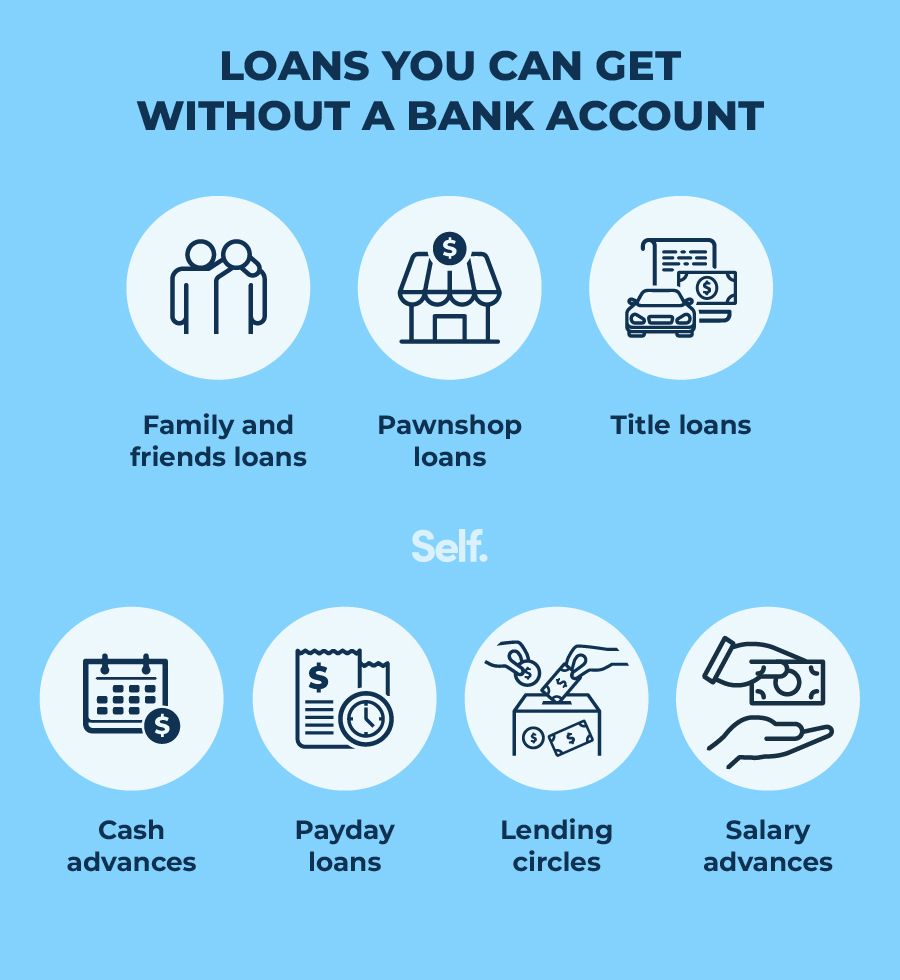
Types of Loans Available
Banks typically provide a wide array of loan products for both individuals and businesses:
- Personal Loans: These are often unsecured, meaning they don’t require collateral. They are versatile and can be used for debt consolidation, home improvements, medical expenses, or other personal needs. Interest rates vary based on creditworthiness, and repayment terms are generally fixed.
- Auto Loans: Specifically designed for purchasing a vehicle, these are secured loans where the car itself serves as collateral. They usually come with competitive interest rates and structured repayment plans over several years.
- Mortgages and Home Equity Loans/Lines of Credit (HELOCs): Mortgages are substantial, long-term loans for purchasing a home, secured by the property. Home Equity Loans offer a lump sum based on your home’s equity, while HELOCs provide a revolving line of credit you can draw from as needed, both secured by your home.
- Student Loans: While many student loans are federally backed, banks also offer private student loans to cover educational expenses. These can be used to supplement federal aid or for specific programs not covered by government options.
- Business Loans: For entrepreneurs and companies, banks offer a range of options including:
- Term Loans: A lump sum loan repaid over a set period with fixed or variable interest rates.
- Lines of Credit: Flexible access to funds up to a certain limit, ideal for managing working capital or unforeseen expenses.
- SBA Loans: Government-backed loans (Small Business Administration) that banks administer, often with more favorable terms for small businesses.
- Commercial Real Estate Loans: For purchasing or refinancing commercial property.
Selecting the right loan type is the first critical step, as it dictates the specific requirements and assessment criteria your bank will apply.
Eligibility Requirements: A General Overview
While specific requirements vary by loan product and bank, common eligibility factors generally include:
- Age and Residency: Applicants must typically be at least 18 years old and a legal resident of the country.
- Income Stability: Lenders want assurance that you have a consistent and sufficient income to repay the loan. This is often demonstrated through pay stubs, tax returns, or bank statements.
- Debt-to-Income (DTI) Ratio: This ratio compares your total monthly debt payments to your gross monthly income. A lower DTI indicates less financial strain and a greater ability to manage new debt.
- Credit History and Score: A strong credit score and a history of responsible borrowing and repayment are paramount. This reflects your reliability as a borrower.
- Collateral (for secured loans): For loans like auto loans, mortgages, or some business loans, assets are pledged as security. The value and liquidity of this collateral are critical.
Understanding these baseline requirements helps you assess your readiness before even speaking with a loan officer.
The Role of Your Banking Relationship
Your existing relationship with your bank can often be an advantage. Banks prefer lending to customers with whom they have a history. This relationship can provide benefits such as:
- Pre-qualified Offers: You might receive pre-approved loan offers based on your banking history and financial behavior.
- Streamlined Processes: Having checking, savings, or other accounts with the bank can make document verification easier.
- Personalized Advice: Your bank’s representatives are often more familiar with your financial situation and can offer tailored advice or solutions.
- Favorable Terms: In some cases, a long-standing, positive relationship might lead to slightly better interest rates or more flexible terms.
Leveraging your existing banking relationship is a smart strategy when seeking a loan.
Preparing Your Application: What Banks Look For
Banks are in the business of lending money responsibly. To mitigate risk, they conduct a thorough assessment of an applicant’s financial health. Understanding what factors they prioritize allows you to present the strongest possible application.
Credit Score and History
This is often the most critical factor. Your credit score (e.g., FICO or VantageScore) is a numerical representation of your creditworthiness. Lenders use it to quickly gauge your risk. A higher score indicates a lower risk. Your credit report provides a detailed history of your borrowing and repayment behavior, including:
- Payment History: Prompt payments are essential. Late payments, defaults, or bankruptcies significantly damage your score.
- Credit Utilization: The amount of credit you’re using compared to your total available credit. Keeping this low (below 30%) is favorable.
- Length of Credit History: Longer histories with responsible management are generally better.
- Credit Mix: Having a mix of different types of credit (e.g., credit cards, installment loans) can be positive.
- New Credit: Too many recent credit applications can be a red flag.
Before applying, obtain a free copy of your credit report from major credit bureaus to check for errors and understand your standing.
Income and Debt-to-Income Ratio
Lenders need assurance that you have a reliable source of income to comfortably make loan payments. They will typically ask for proof of income, such as:
- Pay Stubs: Recent pay stubs (usually 2-3 months).
- Tax Returns: Two most recent years of federal tax returns, especially for self-employed individuals or those with complex income.
- W-2s or 1099s: Annual income statements.
- Bank Statements: To show consistent deposits and cash flow.
Your DTI ratio is equally important. A DTI below 36% is generally preferred, although some lenders may approve higher ratios depending on other factors. This ratio directly demonstrates your capacity to take on additional debt.
Collateral and Guarantees
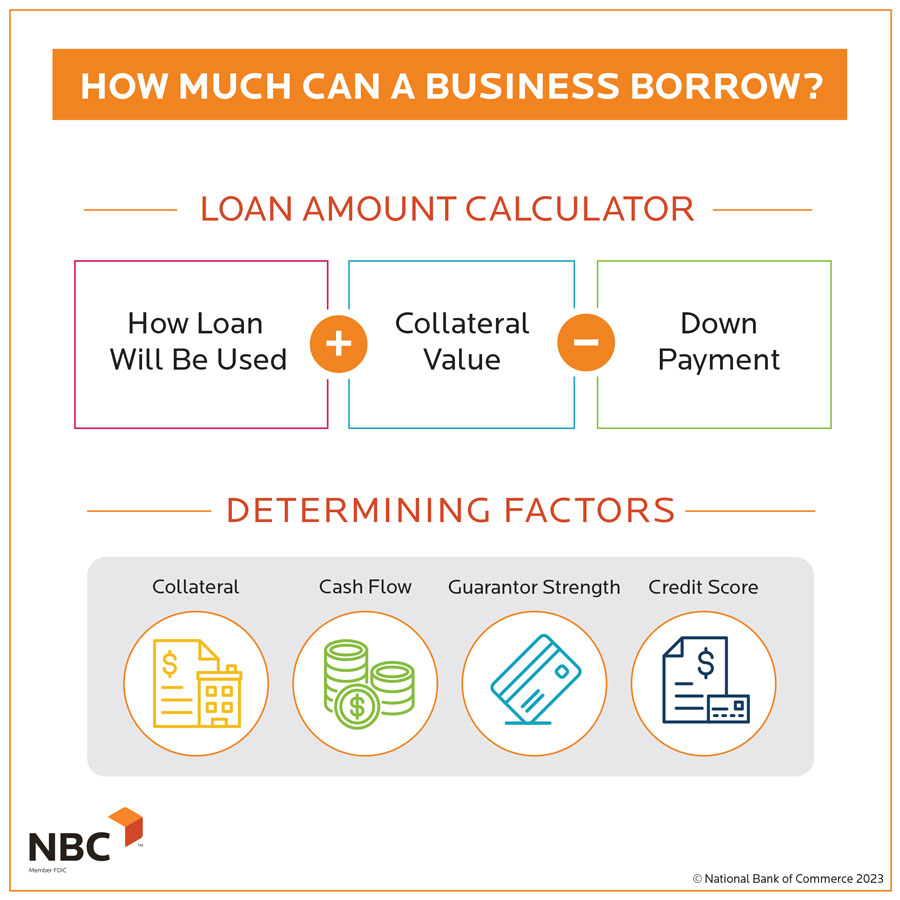
For secured loans, the collateral you offer is a key consideration. The bank will assess:
- Value: Is the collateral’s value sufficient to cover the loan amount if you default?
- Liquidity: How easily can the bank convert the collateral into cash if needed?
- Condition: For physical assets like vehicles or real estate, their condition and marketability are assessed.
For business loans, personal guarantees from owners may also be required, making them personally liable for the debt if the business cannot repay.
Purpose of the Loan
While less about your ability to repay and more about risk assessment, the purpose of the loan can influence the bank’s decision and the loan terms. For instance, a loan for a home purchase is generally seen as lower risk than a loan for a speculative investment. For business loans, a clear business plan outlining how the funds will be used and how they will generate revenue to cover repayment is crucial. This demonstrates prudent financial planning and a clear path to profitability.
The Application Process: Step-by-Step
Navigating the application process systematically can make it less overwhelming and increase your chances of success.
Initial Inquiry and Consultation
Start by contacting your bank to discuss your borrowing needs. This can be done online, over the phone, or in person. A loan officer can provide specific information about available loan products, current interest rates, and the required documentation. Use this consultation to clarify any questions and get a clear picture of what’s expected. For business loans, be prepared to discuss your business plan and how the loan fits into your growth strategy.
Document Gathering
Based on your initial consultation and the type of loan you’re seeking, you’ll receive a checklist of required documents. This typically includes:
- Proof of Identity: Government-issued ID (driver’s license, passport).
- Proof of Address: Utility bills, bank statements.
- Income Verification: Pay stubs, W-2s, tax returns, bank statements.
- Credit Report Authorization: Permission for the bank to pull your credit report.
- Asset Information: Statements for savings accounts, investment portfolios.
- Debt Information: Statements for other loans, credit cards.
- For Business Loans: Business plan, financial statements (profit & loss, balance sheets), cash flow projections, legal documents (articles of incorporation), and possibly personal financial statements of owners.
Organizing these documents beforehand will prevent delays.
Application Submission and Underwriting
Once all documents are collected, you will complete and submit the official loan application. This is where the bank’s underwriting team takes over. Underwriters meticulously review your financial information, credit history, and the collateral (if applicable) to assess your risk profile. They verify the information provided, analyze your DTI, and determine your capacity to repay. This phase can take anywhere from a few days for personal loans to several weeks for mortgages or complex business loans.
Approval, Disbursal, and Repayment Terms
If your application is approved, you will receive a loan offer outlining the principal amount, interest rate, repayment schedule, fees, and all other terms and conditions. It’s crucial to read this document carefully and ask for clarification on anything you don’t understand before signing. Once you accept the terms, the funds will be disbursed according to the agreed-upon method (e.g., direct deposit, check). Following disbursal, your regular repayment schedule begins, and adherence to these terms is vital for maintaining a good credit standing.
Maximizing Your Chances of Approval
While the process is structured, there are proactive steps you can take to strengthen your application and increase your likelihood of approval.
Building a Strong Financial Profile
Consistency is key. Focus on:
- Improving Your Credit Score: Pay all bills on time, keep credit utilization low, and avoid opening too many new credit accounts simultaneously. Regularly monitor your credit report for inaccuracies.
- Increasing Your Income: Where possible, seek opportunities to increase your verifiable income, or at least demonstrate stability in your current earnings.
- Reducing Existing Debt: Lowering your DTI ratio by paying down existing debts before applying for a new loan signals better financial health to lenders.
- Building Savings: A healthy savings account demonstrates financial responsibility and provides a buffer, which can be reassuring to lenders, especially for emergency funds.
Communicating Effectively with Your Loan Officer
Don’t hesitate to engage with your loan officer throughout the process. Be transparent about your financial situation, including any potential challenges. A clear and honest conversation can help them understand your unique circumstances and potentially guide you towards the most suitable product or help you address deficiencies in your application. For business owners, articulating your business model, market opportunity, and projected financial performance with conviction and clarity is essential.
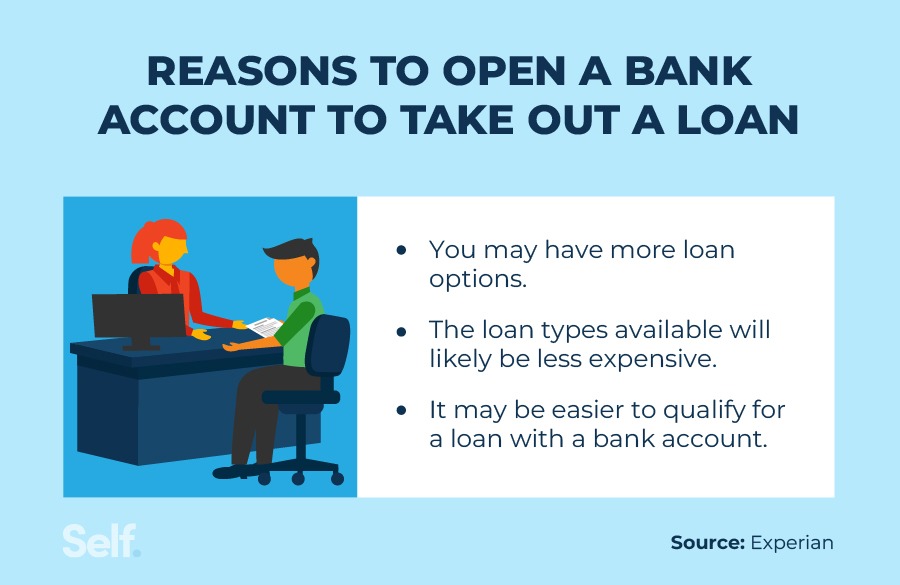
Considering Alternatives if Denied
If your initial loan application is denied, don’t despair. Ask the bank for the specific reasons for denial. This feedback is invaluable for improving your financial profile for future applications. Depending on the reasons, you might consider:
- Secured Loans: If an unsecured loan was denied due to credit, a secured loan (using collateral) might be an option.
- Co-signer: A co-signer with a strong credit history can sometimes help secure a loan.
- Smaller Loan Amount: Requesting a smaller sum that better fits your current income and DTI.
- Alternative Lenders: While banks are traditional, credit unions often have more flexible lending criteria, and online lenders might cater to different risk profiles, though often at higher interest rates.
Obtaining a loan from your bank is a process that rewards preparation, transparency, and a solid financial foundation. By understanding the bank’s perspective and diligently presenting your case, you significantly enhance your prospects of securing the financing you need.
aViewFromTheCave is a participant in the Amazon Services LLC Associates Program, an affiliate advertising program designed to provide a means for sites to earn advertising fees by advertising and linking to Amazon.com. Amazon, the Amazon logo, AmazonSupply, and the AmazonSupply logo are trademarks of Amazon.com, Inc. or its affiliates. As an Amazon Associate we earn affiliate commissions from qualifying purchases.