
The quest to understand current mortgage rates in California is a critical first step for anyone contemplating homeownership, refinancing, or investment in the Golden State’s notoriously dynamic real estate market. Far from being a static figure, California mortgage rates are a complex interplay of national economic forces, local market conditions, lender-specific policies, and individual borrower profiles. This article delves into the multifaceted nature of these rates, offering a comprehensive guide to what influences them, the various types available, and strategies for securing the most favorable terms in one of the world’s most competitive housing markets.

Understanding the Dynamic Landscape of California Mortgage Rates
California’s real estate market is unique, characterized by high demand, limited inventory, and robust economic activity. These factors, combined with broader national and international economic trends, create a distinctive environment for mortgage rates within the state. Understanding this landscape is crucial for any potential homeowner or investor.
The Interplay of National Trends and Local Market Realities
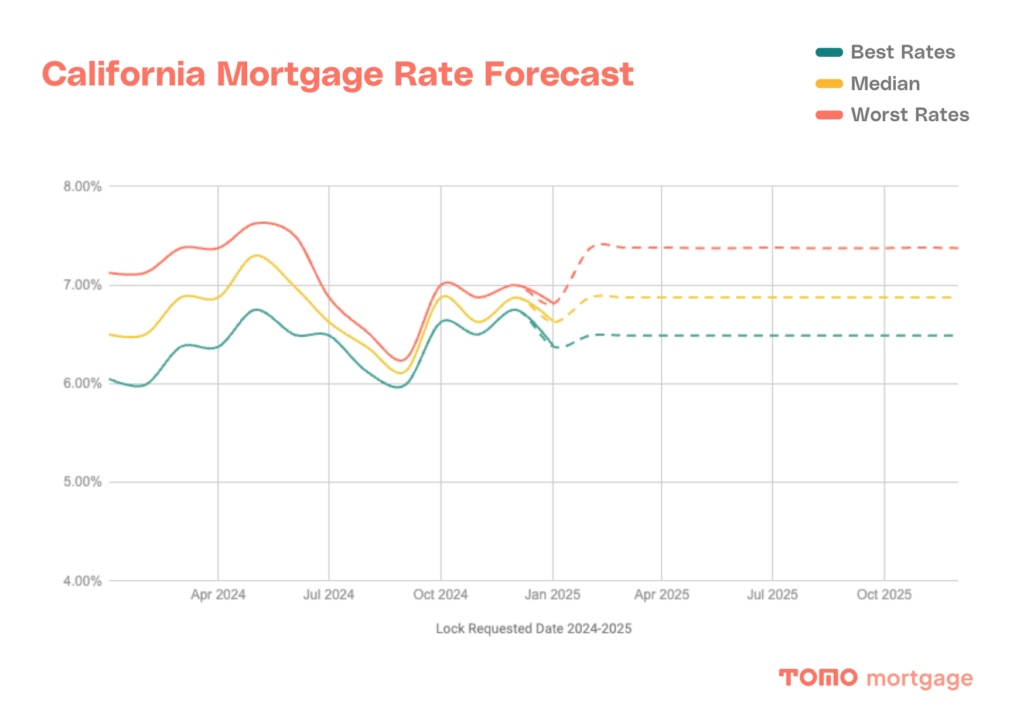
While mortgage rates are primarily influenced by federal monetary policy, particularly the Federal Reserve’s actions on the federal funds rate and the bond market (specifically the 10-year Treasury yield), California experiences these shifts through its own unique lens. When the Federal Reserve raises or lowers rates, it typically sends ripples through the entire financial system, affecting everything from credit card APRs to auto loans and, most significantly, mortgage rates. Mortgage rates don’t directly track the Fed funds rate, but they are indirectly influenced by the Fed’s broader economic outlook and quantitative easing/tightening policies, which impact the yields on mortgage-backed securities (MBS).
However, California’s local market conditions can amplify or mitigate these national trends. Factors such as local job growth, population shifts, housing inventory levels, and even specific regional economic booms (like the tech industry’s influence in the Bay Area) can create micro-climates within the state’s broader mortgage landscape. For instance, strong competition for homes in a particular metro area might lead lenders to offer slightly more competitive rates to capture market share, even if national rates are trending upwards. Conversely, a sudden influx of inventory or a regional economic downturn could lead to more conservative lending practices.
Key Economic Indicators Influencing Rates
Several economic indicators play a pivotal role in shaping mortgage rates. Keeping an eye on these can provide insight into potential rate movements:
- Inflation: Perhaps the most significant driver, high inflation often prompts the Federal Reserve to raise interest rates to cool down the economy, which in turn pushes mortgage rates higher. Lenders need to ensure their returns outpace the erosion of purchasing power caused by inflation.
- Employment Reports: Strong job growth and low unemployment rates signal a healthy economy, which can contribute to inflationary pressures and prompt rate hikes. Conversely, a weakening job market might lead to lower rates as the Fed aims to stimulate economic activity.
- Gross Domestic Product (GDP): A robust GDP indicates economic expansion, which, similar to strong employment, can lead to higher rates. A contracting GDP often leads to lower rates.
- Consumer Confidence: High consumer confidence can translate into increased spending and demand for housing, potentially influencing lenders’ risk assessments and rate offerings.
- Global Events: Geopolitical instability, global economic slowdowns, or crises can also impact bond yields and, by extension, mortgage rates, as investors seek safe-haven assets.
Why California Often Stands Apart
California’s sheer economic size (the 5th largest economy in the world) and its unique housing dynamics mean it doesn’t always behave like other states. The median home price in California consistently dwarfs the national average, requiring larger loan amounts and higher down payments from buyers. This scale means that even small fluctuations in interest rates can have a magnified impact on monthly mortgage payments, affecting affordability for a wider segment of the population. Lenders, aware of the high property values and the state’s stringent regulatory environment, often tailor their products and risk assessments specifically for the California market. Furthermore, the diverse economic bases across different regions of California – from agriculture in the Central Valley to technology in Silicon Valley and entertainment in Southern California – create distinct market segments, each with its own supply-demand dynamics influencing local mortgage rate competitiveness.
Navigating Different Mortgage Rate Types
The “current mortgage rate” isn’t a single number; it’s a spectrum defined by various loan products, each with its own structure, risks, and benefits. Choosing the right type of mortgage is as crucial as finding a competitive rate.
Fixed-Rate Mortgages: Stability in a Volatile Market
The most common and arguably the most straightforward type, a fixed-rate mortgage offers an interest rate that remains constant for the entire life of the loan, typically 15 or 30 years. This predictability means your monthly principal and interest payment will never change, regardless of how the broader market fluctuates.
- Pros: Budgetary stability, protection against rising interest rates, easier long-term financial planning.
- Cons: If market rates drop significantly, you’d need to refinance to take advantage of lower rates, incurring new closing costs. Initial rates are often slightly higher than starting rates for adjustable-rate mortgages.
- Ideal for: Buyers seeking long-term stability and predictability in their housing costs, especially those planning to stay in their home for many years.
Adjustable-Rate Mortgages (ARMs): Flexibility with Calculated Risk
ARMs start with an initial fixed interest rate for a specific period (e.g., 3, 5, 7, or 10 years), after which the rate adjusts periodically based on a predetermined index (like the Secured Overnight Financing Rate – SOFR) plus a margin set by the lender. These are typically referred to as 5/1 ARM, 7/1 ARM, etc., meaning the rate is fixed for the first 5 or 7 years and then adjusts annually.
- Pros: Often feature lower initial interest rates compared to fixed-rate mortgages, leading to lower initial monthly payments. This can be attractive for buyers who anticipate rising incomes or plan to sell/refinance before the fixed period ends.
- Cons: The interest rate and monthly payments can increase significantly after the initial fixed period, making budgeting challenging and exposing borrowers to market volatility. There are caps on how much the rate can adjust, but these can still result in substantial payment increases.
- Ideal for: Buyers who anticipate selling or refinancing within the initial fixed-rate period, those who expect their income to rise substantially, or investors with a short-term horizon.
FHA, VA, and USDA Loans: Tailored Options for Specific Buyers
Beyond conventional loans, government-backed mortgage programs offer specialized benefits, often leading to more accessible terms and potentially lower rates for eligible borrowers.
- FHA Loans: Insured by the Federal Housing Administration, these loans are ideal for first-time homebuyers or those with less-than-perfect credit. They typically require a lower down payment (as low as 3.5%) and have more flexible credit requirements. While FHA loans can offer competitive rates, they do come with mortgage insurance premiums (MIP) that increase the overall cost.
- VA Loans: Guaranteed by the Department of Veterans Affairs, these loans are an invaluable benefit for eligible service members, veterans, and their surviving spouses. They often require no down payment, have no private mortgage insurance (PMI), and typically feature very competitive interest rates.
- USDA Loans: Backed by the U.S. Department of Agriculture, these loans are designed for low-to-moderate-income individuals purchasing homes in designated rural areas. They also offer zero down payment options and competitive rates, aiming to promote rural development.
Choosing the right loan product depends heavily on your financial situation, risk tolerance, and long-term housing plans. It’s essential to compare not just the headline interest rate but also the total cost of the loan over its potential lifespan.
Factors Influencing Your Mortgage Rate in California
While national and local economic forces set the overall market tone, your individual financial profile plays a monumental role in determining the specific mortgage rate you’ll be offered. Lenders assess risk, and your personal circumstances are central to that evaluation.
Your Credit Score: The Cornerstone of Loan Eligibility
Your credit score is arguably the most critical factor. It’s a numerical representation of your creditworthiness, reflecting your history of borrowing and repaying debt. Borrowers with excellent credit scores (typically FICO scores of 740 and above) are seen as lower risk and generally qualify for the lowest interest rates. Conversely, a lower credit score indicates a higher risk to lenders, leading to higher interest rates to compensate for that perceived risk. A strong credit history demonstrates reliability and significantly impacts your ability to secure favorable terms.
Down Payment Size: Lowering Lender Risk
The amount of money you put down upfront as a down payment directly impacts your loan-to-value (LTV) ratio. A larger down payment means you’re borrowing less money relative to the home’s value, which reduces the lender’s risk. Lenders often reward lower LTVs with better interest rates. For conventional loans, a down payment of 20% or more typically allows you to avoid private mortgage insurance (PMI), which adds to your monthly housing costs.
Loan-to-Value (LTV) Ratio and Loan Term
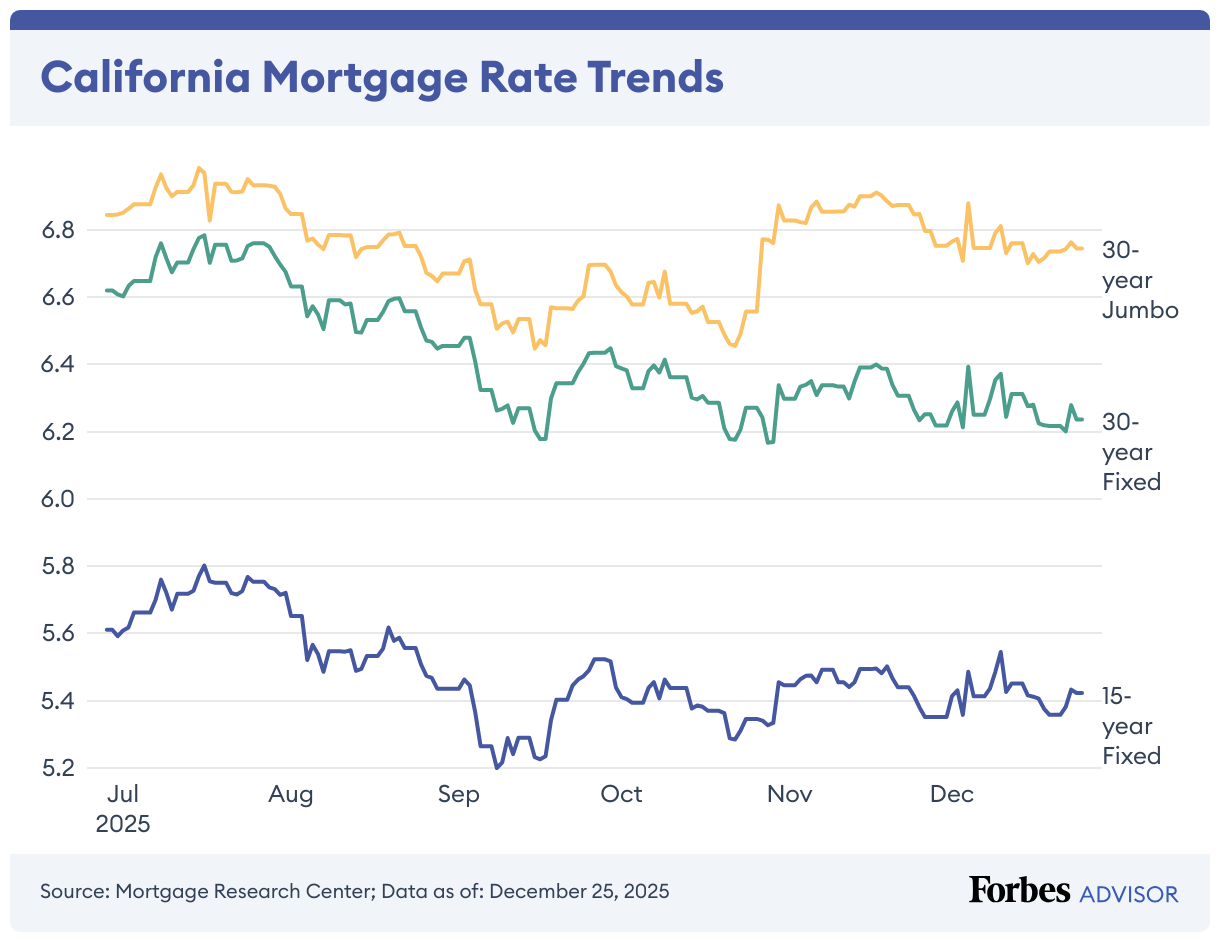
Closely related to your down payment, the LTV ratio is a key metric for lenders. A lower LTV (higher down payment) often translates into a more attractive interest rate. The loan term (e.g., 15-year vs. 30-year) also impacts your rate. Shorter-term loans (like a 15-year fixed) typically come with lower interest rates because the lender’s money is at risk for a shorter period. While monthly payments are higher with a 15-year loan, you pay significantly less interest over the life of the loan.
Property Type and Location Within California
The type of property you’re buying (single-family home, condo, multi-family dwelling) can influence rates, as can its specific location within California. Condominiums, for example, can sometimes carry slightly higher rates or stricter lending requirements due to the complexities of HOA finances and shared property ownership. Furthermore, a property’s location can affect rates based on local market liquidity, foreclosure rates, and perceived investment risk in specific neighborhoods or cities. Highly desirable, stable markets in California might see slightly more competitive rates than areas with fluctuating property values or higher perceived risk.
The Lender You Choose: Shopping Around is Key
Different lenders have different pricing structures, overheads, and risk appetites. A large national bank, a local credit union, and an online mortgage broker might offer vastly different rates and terms for the exact same borrower. Shopping around and getting quotes from multiple lenders is perhaps one of the most impactful steps you can take to secure the best possible rate. Even a seemingly small difference in interest rate can save tens of thousands of dollars over the life of a loan.
Strategies for Securing a Favorable Mortgage Rate in California
Given the high cost of housing in California, even a marginal improvement in your mortgage rate can lead to substantial long-term savings. Proactive planning and strategic execution are key.
Improving Your Financial Profile
Before even applying for a mortgage, take steps to optimize your financial standing:
- Boost Your Credit Score: Pay bills on time, reduce existing debt, avoid opening new credit lines, and correct any errors on your credit report.
- Save for a Larger Down Payment: The more you put down, the lower your LTV and the better your potential rate.
- Reduce Your Debt-to-Income (DTI) Ratio: Lenders look at how much of your gross monthly income goes towards debt payments. Aim for a DTI below 36%, if possible, though many lenders accept up to 43-50%.
- Build Cash Reserves: Having a healthy emergency fund can demonstrate financial stability to lenders.
Understanding Rate Locks and Closing Costs
Once you receive a loan offer, you’ll have the option to “lock” your interest rate. A rate lock guarantees that the interest rate offered will remain the same for a specified period (e.g., 30, 45, or 60 days) while your loan is being processed. This protects you from rate increases if the market shifts before closing. However, be aware that longer rate lock periods can sometimes come with a slightly higher fee or interest rate.
Beyond the rate, meticulously review all closing costs, which include origination fees, appraisal fees, title insurance, and other charges. These can significantly impact the overall cost of your loan. Some lenders might offer a slightly lower rate but compensate with higher closing costs, or vice-versa. Always request a Loan Estimate (LE) from multiple lenders to compare these costs transparently.
Leveraging Mortgage Brokers vs. Direct Lenders
Understanding the difference between these two avenues can significantly impact your search for the best rate:
- Direct Lenders: Banks and credit unions are direct lenders. They lend their own money and offer their own products. You work directly with their loan officers. This can sometimes offer a streamlined process if you have an existing relationship with the institution.
- Mortgage Brokers: Brokers act as intermediaries. They work with a network of various lenders (banks, credit unions, wholesale lenders) and can shop your application around to find you the best rate and terms from their portfolio of options. This can be particularly beneficial if you have a unique financial situation or want to maximize your chances of finding the lowest rate without doing all the legwork yourself.
Each option has its merits, and exploring both can broaden your horizons for securing optimal terms.
Staying Informed About Market Fluctuations
Mortgage rates are dynamic. What’s current today might be different tomorrow. Subscribing to financial news, setting up rate alerts, and regularly checking reliable sources that track mortgage rates can give you an edge. Timing the market perfectly is impossible, but being informed allows you to recognize a favorable rate environment when it appears and act swiftly. A slight dip in rates could translate into significant savings, especially on a large California mortgage.
The Broader Impact: California’s Housing Market and Your Rate
Your mortgage rate isn’t just a number; it’s a gateway to homeownership and a key determinant of your long-term financial health, especially within California’s unique housing ecosystem.
Affordability Challenges and High Home Values
California’s median home prices are consistently among the highest in the nation. This reality means that even seemingly small changes in interest rates can dramatically affect monthly payments and, consequently, housing affordability. A higher interest rate on a $700,000 mortgage (a common loan amount in many California markets) will result in a far greater increase in monthly payments compared to a lower-priced national average home. This makes the search for the lowest possible rate even more critical for California buyers who are already stretching their budgets to enter the market. The interplay of high prices and fluctuating rates can push homeownership further out of reach for many.
Refinancing Opportunities and Market Changes
For existing homeowners, monitoring current mortgage rates is essential for identifying refinancing opportunities. If rates drop significantly below your current mortgage rate, refinancing can lead to lower monthly payments, substantial long-term interest savings, or the ability to switch from an ARM to a fixed-rate mortgage for greater stability. However, refinancing involves new closing costs, so it’s crucial to calculate the break-even point to determine if the savings outweigh the expenses. Market changes, whether driven by national economic policy or local housing inventory, constantly create and close these windows of opportunity.
Long-Term Financial Planning
The mortgage rate you secure today will influence your financial planning for decades to come. It impacts how much disposable income you have each month, your ability to save for retirement, fund education, or pursue other investments. In a high-cost state like California, where housing often represents the largest portion of a household’s budget, optimizing your mortgage rate is a fundamental pillar of sound financial planning. It allows you to build equity more efficiently, reduce overall interest paid, and free up capital for other financial goals.
In conclusion, understanding “what is the current mortgage rate in California” requires a deep dive into national economics, local market dynamics, individual financial health, and the specific characteristics of various loan products. By proactively managing your financial profile, diligently shopping for lenders, and staying informed about market trends, California homebuyers and homeowners can position themselves to secure the most advantageous rates, transforming a complex financial decision into a strategic pathway to long-term wealth and stability in a highly competitive environment.
aViewFromTheCave is a participant in the Amazon Services LLC Associates Program, an affiliate advertising program designed to provide a means for sites to earn advertising fees by advertising and linking to Amazon.com. Amazon, the Amazon logo, AmazonSupply, and the AmazonSupply logo are trademarks of Amazon.com, Inc. or its affiliates. As an Amazon Associate we earn affiliate commissions from qualifying purchases.