
Understanding the intricacies of mortgage rates, particularly those associated with government-backed programs like the Federal Housing Administration (FHA) loan, is paramount for anyone navigating the path to homeownership. In a dynamic financial landscape, “current” is a fleeting concept, and prospective homebuyers must grasp not only what the rates are at any given moment but also the myriad factors that influence them. This article delves into the current FHA mortgage rate environment, exploring what makes these loans unique, the forces shaping their interest rates, and how individuals can best position themselves to secure favorable terms.
Understanding FHA Loans and Their Appeal
FHA loans are a cornerstone of the American housing market, specifically designed to make homeownership accessible to a broader range of individuals. Unlike conventional mortgages, FHA loans are insured by the Federal Housing Administration, a division of the U.S. Department of Housing and Urban Development (HUD). This government backing reduces the risk for lenders, allowing them to offer more lenient qualification criteria than typically found with conventional loans.
What is an FHA Loan?
An FHA loan is not issued directly by the FHA. Instead, it is provided by FHA-approved private lenders, such as banks, credit unions, and mortgage companies. The FHA’s role is to insure these loans, meaning that if a borrower defaults, the FHA reimburses the lender for their losses. This insurance makes lenders more willing to approve applicants who might not qualify for traditional mortgages due to lower credit scores or smaller down payments.
FHA loans are primarily fixed-rate mortgages, typically available in 15-year or 30-year terms, providing borrowers with predictable monthly payments over the life of the loan. While adjustable-rate FHA mortgages (ARMs) do exist, they are far less common, reflecting the program’s emphasis on stability for homebuyers.
Key Benefits of FHA Loans
The appeal of FHA loans lies in their borrower-friendly features, which address some of the most common hurdles to homeownership:
- Lower Down Payment Requirements: One of the most significant advantages is the low down payment. Borrowers can qualify with as little as 3.5% down for credit scores of 580 or higher. For conventional loans, a 20% down payment is often required to avoid Private Mortgage Insurance (PMI), making FHA a more viable option for those with limited savings.
- More Flexible Credit Score Requirements: While conventional loans typically demand a FICO score of 620 or higher, FHA guidelines are more accommodating. Borrowers with credit scores as low as 580 can qualify for the 3.5% down payment. Even those with scores between 500 and 579 might be eligible, though they would require a 10% down payment. This flexibility opens doors for individuals rebuilding their credit.
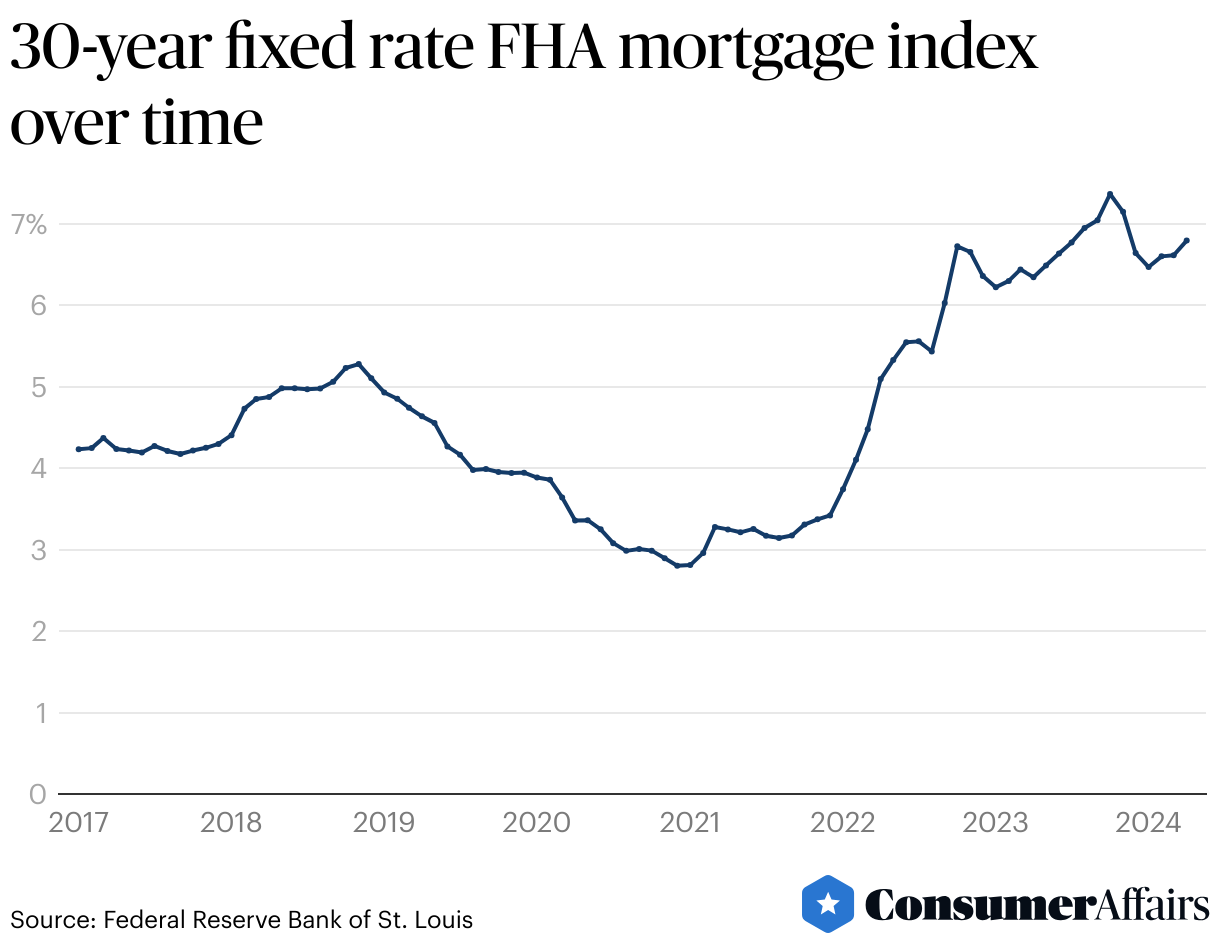
- Competitive Interest Rates: Due to the government insurance, FHA mortgage rates are often highly competitive, sometimes even lower than conventional rates for borrowers with less-than-perfect credit. The reduced risk for lenders translates into more attractive pricing for eligible applicants.
- Assumable Mortgages: A lesser-known benefit is that FHA loans are generally assumable. This means that if you sell your home, a qualified buyer can take over your existing FHA mortgage, retaining its original interest rate and terms. In a rising interest rate environment, this feature can be a significant selling point for your property.
- Streamlined Refinancing Options: FHA also offers streamlined refinance programs, which can simplify the refinancing process for existing FHA loan holders, often requiring less paperwork and no appraisal.
Factors Influencing FHA Mortgage Rates
FHA mortgage rates, like all interest rates, are not static. They are a complex interplay of broader economic forces, individual borrower characteristics, and specific lender policies. Understanding these influences is crucial for anyone looking to secure the most favorable terms.
Economic Indicators and Market Trends
The macro-economic environment plays a pivotal role in shaping mortgage rates:
- Federal Reserve Policy: The Federal Reserve’s decisions on the federal funds rate indirectly influence mortgage rates. When the Fed raises rates to combat inflation, borrowing costs generally increase across the board, including for mortgages. Conversely, a reduction in the federal funds rate typically leads to lower mortgage rates.
- Inflation: High inflation erodes the purchasing power of money over time. Lenders, seeking to protect the value of their returns, tend to demand higher interest rates during inflationary periods to compensate for the anticipated loss in value.
- Treasury Yields: Mortgage rates often move in tandem with the yield on the 10-year Treasury note. This benchmark reflects investor expectations for future economic growth and inflation. As Treasury yields rise, so too do mortgage rates, and vice versa.
- Economic Growth and Stability: A strong economy with robust job growth and consumer spending can lead to higher interest rates as demand for credit increases. Conversely, economic slowdowns or recession fears often prompt a flight to safety, driving down bond yields and potentially mortgage rates.
- Mortgage-Backed Securities (MBS) Market: Mortgage rates are directly tied to the performance of the MBS market. These are bundles of mortgages sold to investors. The demand for and pricing of MBS greatly influence what lenders can offer borrowers.
Borrower-Specific Factors
While FHA loans are designed to be more accessible, an individual’s financial profile still significantly impacts the rate they receive:
- Credit Score: Although FHA is lenient, a higher credit score (e.g., above 620-640) will almost always secure a better interest rate than a lower one. Lenders perceive borrowers with stronger credit as less risky.
- Down Payment Size: While FHA allows a low 3.5% down payment, putting down more can sometimes lead to a slightly better rate, though the primary benefit for FHA is often a lower loan amount rather than a significantly reduced rate based on LTV.
- Loan Term: A 15-year FHA mortgage typically carries a lower interest rate than a 30-year FHA mortgage, reflecting the lender’s reduced risk over a shorter repayment period. However, the monthly payments for a 15-year loan will be substantially higher.
- Loan Type: While most FHA loans are fixed-rate, the few FHA ARMs available will have different rate structures, often starting lower but subject to change after an initial fixed period.
- Debt-to-Income (DTI) Ratio: Lenders assess your DTI to determine your ability to manage monthly payments. A lower DTI (generally below 43-50% for FHA, depending on other factors) signifies less risk and can contribute to a better rate offer.
- Property Type and Location: The type of property (single-family, condo, multi-unit) and its location can subtly influence rates, as local market conditions and lender risk assessments vary.
Lender-Specific Considerations
The institution you choose also impacts the rate you receive:
- Lender’s Overhead and Profit Margins: Different lenders have varying operational costs and profit objectives, which are baked into their rate offerings.
- Competitive Pricing Strategies: Lenders adjust their rates based on the competitive landscape. A lender looking to increase market share might offer slightly lower rates than a competitor.
- Points: Borrowers can opt to pay “points” at closing to reduce their interest rate. One point typically equals 1% of the loan amount. While paying points can lower your monthly payment, it increases your upfront costs, and borrowers must calculate if the long-term savings outweigh the initial expense.
How FHA Rates Compare to Conventional Mortgages
When evaluating mortgage options, it’s essential to look beyond just the raw interest rate and consider the overall cost of the loan. While FHA loans often boast competitive rates, they come with a distinct feature: Mortgage Insurance Premiums (MIP).
Rate vs. Total Cost
FHA loans require two types of mortgage insurance:
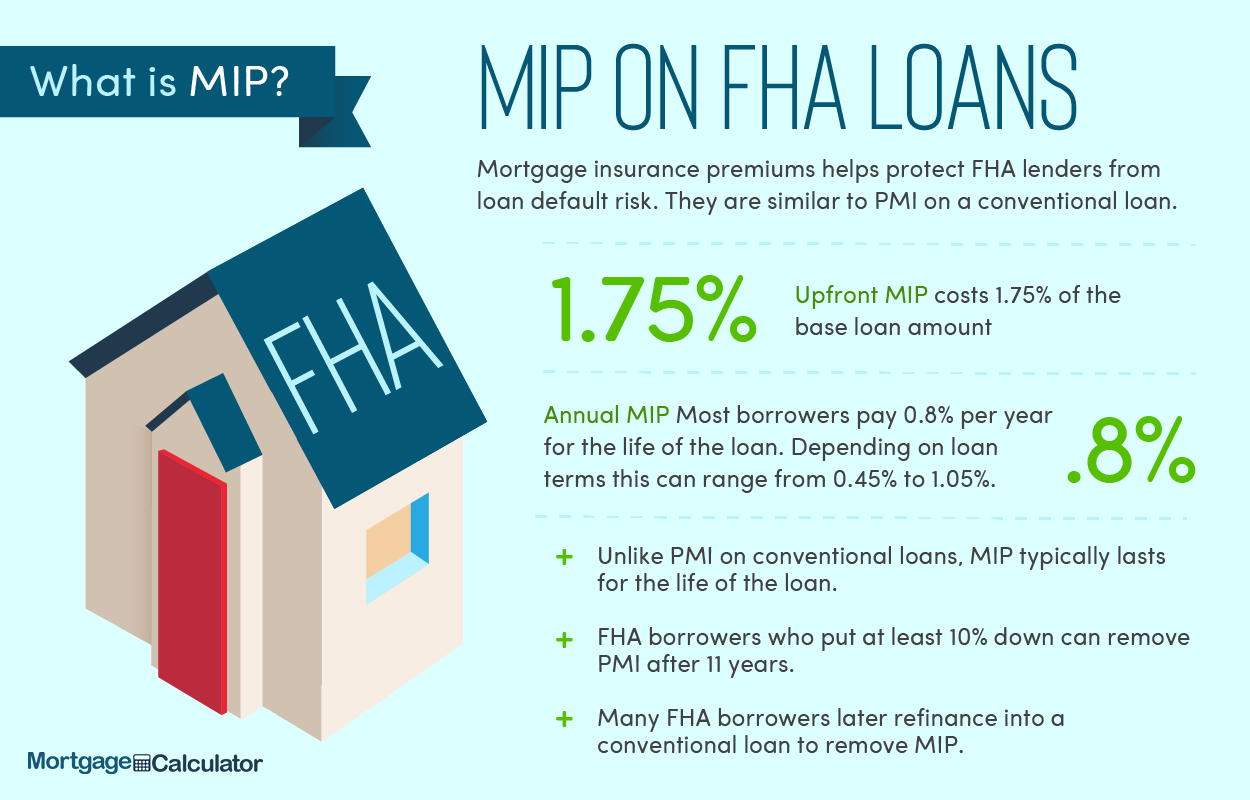
- Upfront Mortgage Insurance Premium (UFMIP): This is a one-time fee, typically 1.75% of the loan amount, paid at closing. It can be financed into the loan amount.
- Annual Mortgage Insurance Premium (MIP): This premium is paid monthly and varies based on the loan term, loan amount, and loan-to-value (LTV) ratio. For loans with a low down payment (less than 10% equity), FHA MIP is typically paid for the entire life of the loan. If you put down 10% or more, MIP can be canceled after 11 years.
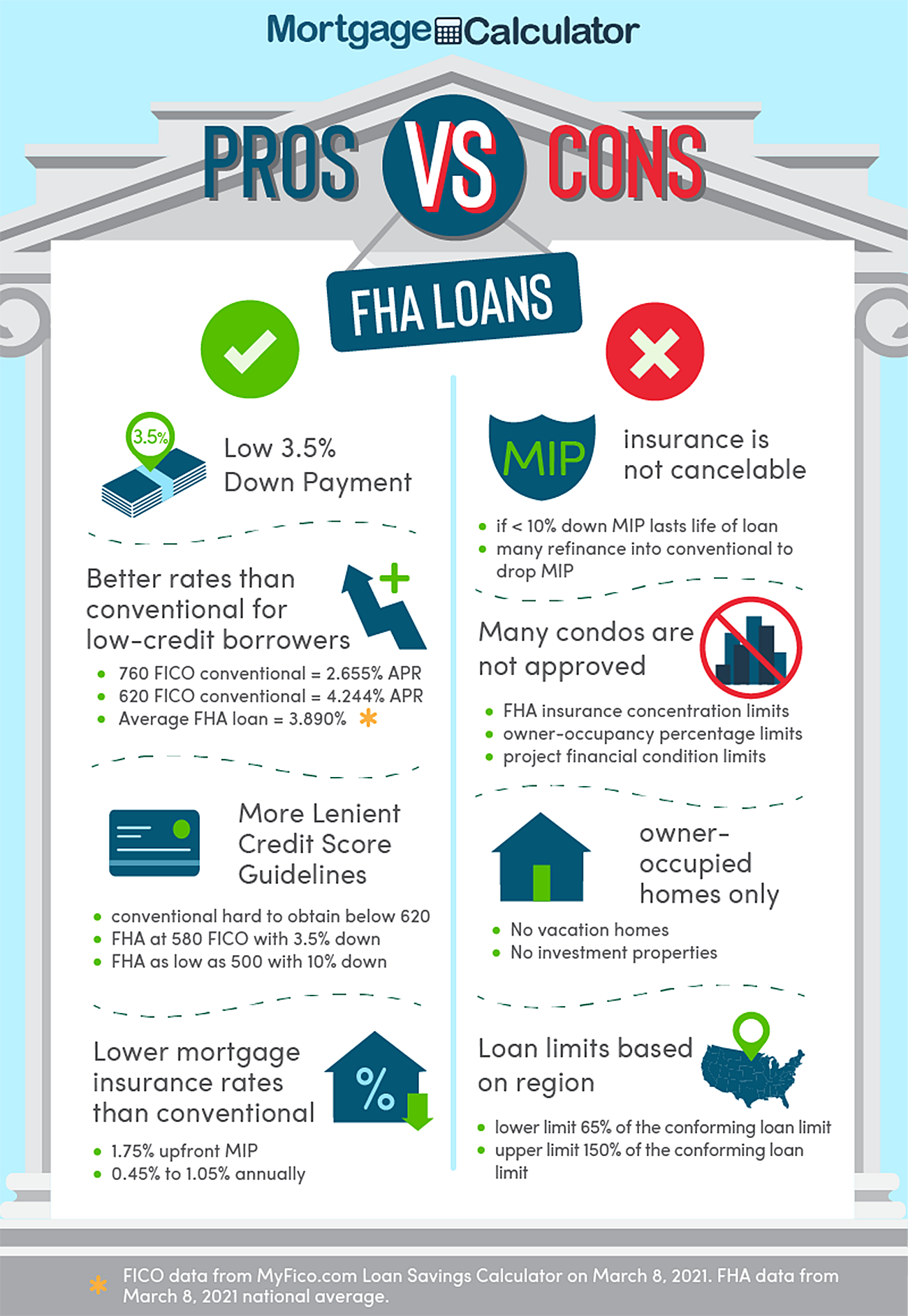
In contrast, conventional loans typically require Private Mortgage Insurance (PMI) if the borrower puts down less than 20%. The key difference is that conventional PMI can usually be canceled once you reach 20% equity in your home (either through payments or increased home value), whereas FHA MIP often persists for the full loan term unless you refinance out of the FHA loan.
This difference means that while an FHA loan might have a slightly lower interest rate, the mandatory MIP can make the total monthly payment and overall cost of the loan higher than a conventional loan, especially for borrowers who could qualify for a conventional loan and plan to build equity quickly.
When FHA Might Be Better (or Not)
- FHA Excels For:
- First-time homebuyers with limited savings for a large down payment.
- Borrowers with less-than-perfect credit scores (e.g., 580-620).
- Individuals with higher debt-to-income ratios that are still within FHA guidelines.
- Those who prioritize lower upfront costs and flexible underwriting.
- Conventional Might Be Better For:
- Borrowers with excellent credit scores (700+).
- Those who can afford a 20% or greater down payment to avoid PMI entirely.
- Borrowers who want to avoid the long-term commitment of FHA’s MIP and prefer the option to cancel PMI.
- Individuals purchasing a home with a higher loan amount that exceeds FHA loan limits for their area.
Navigating the Market: Tips for Securing the Best FHA Rate
Given the dynamic nature of mortgage rates and the specific requirements of FHA loans, a strategic approach is essential to secure the most favorable terms.
Improve Your Financial Profile
Before you even begin shopping for lenders, take steps to strengthen your financial standing:
- Boost Credit Score: Pay all bills on time, reduce credit card balances, and avoid opening new lines of credit. A higher FICO score will always be rewarded with better rates, even within FHA’s lenient framework.
- Save for a Larger Down Payment: While FHA allows 3.5% down, putting more money down can reduce your loan amount, lower your monthly payments, and potentially reduce the amount of MIP you pay (if you reach the 10% threshold).
- Lower Debt-to-Income Ratio (DTI): Reducing your overall debt, especially high-interest consumer debt, will lower your DTI, making you a more attractive borrower to lenders.
Shop Around Extensively
This is arguably the most critical step. Do not settle for the first quote you receive:
- Contact Multiple Lenders: Reach out to various FHA-approved lenders, including large national banks, local credit unions, and independent mortgage brokers. Each lender has different pricing structures and overlays (additional requirements beyond FHA minimums).
- Compare Loan Estimates: Once you apply, lenders are required to provide a standardized Loan Estimate form. Carefully compare the interest rate, APR (Annual Percentage Rate, which includes fees), closing costs, and points offered by each lender. Focus on the “Cash to Close” and “Estimated Total Monthly Payment” sections.
- Understand All Fees and Points: Differentiate between lender fees, third-party fees, and optional points. Ask for a breakdown and clarification on anything unclear.
Lock In Your Rate Strategically
Once you find a rate you’re comfortable with, consider locking it in:
- Understand Rate Locks: A rate lock guarantees your interest rate for a specific period (e.g., 30, 45, or 60 days) during the underwriting and closing process. If rates rise during this period, yours is protected.
- Timing the Market vs. Securing a Rate: While tempting to “time the market” for the absolute lowest rate, it’s often more prudent to lock in a rate you’re comfortable with rather than risk rates rising significantly before closing. Be aware that longer lock periods can sometimes come with an additional fee.
Utilize a Mortgage Professional
Working with an experienced mortgage broker or loan officer can be invaluable:
- Brokers Access Multiple Lenders: Mortgage brokers work with a network of lenders and can often find competitive rates that you might not uncover on your own.
- Advisors Explain Complex Terms: A good mortgage professional can help you understand the nuances of FHA loans, compare them to conventional options, and guide you through the application and closing process, ensuring you make informed decisions.
The Future Outlook for FHA Mortgage Rates
Predicting the future of mortgage rates is inherently challenging, as they are subject to a multitude of unpredictable global and domestic influences. However, understanding current economic projections can provide a framework for anticipating potential movements.
Economic Projections and Their Impact
- Federal Reserve’s Stance: The future trajectory of the federal funds rate will be a primary driver. If the Fed continues to prioritize inflation control, further rate hikes could push mortgage rates higher. Conversely, if inflation cools significantly or the economy enters a recession, the Fed might cut rates, leading to lower mortgage rates.
- Housing Market Stability: The overall health of the housing market – including inventory levels, demand, and home price appreciation – also influences rates. A balanced market typically fosters stability, while extreme shifts can cause volatility.
- Geopolitical Events: International conflicts, trade disputes, and other global events can trigger market uncertainty, often leading to a flight to safe-haven assets like U.S. Treasury bonds, which can, paradoxically, push mortgage rates down in the short term.
Staying Informed in a Dynamic Market
Given this uncertainty, the best strategy for prospective homebuyers is to remain vigilant and adaptable:
- Regularly Check Financial News: Follow reputable financial news sources for updates on economic indicators, Federal Reserve announcements, and housing market trends.
- Consult with Lenders: Engage in ongoing conversations with mortgage professionals. They can provide real-time insights into market conditions and offer personalized advice based on your financial situation.
- Rates Are Subject to Change: Remember that a quoted rate is not guaranteed until you formally lock it in. Be prepared for fluctuations throughout your homebuying journey.
In conclusion, while “what is the current FHA mortgage rate?” is a common question, the answer is never simple. It requires an understanding of the FHA program’s unique benefits, the powerful economic forces at play, the individual’s financial profile, and the specific offerings of various lenders. By diligently researching, comparing, and strategically planning, homebuyers can navigate the FHA mortgage market effectively and secure a loan that aligns with their financial goals and homeownership aspirations.
aViewFromTheCave is a participant in the Amazon Services LLC Associates Program, an affiliate advertising program designed to provide a means for sites to earn advertising fees by advertising and linking to Amazon.com. Amazon, the Amazon logo, AmazonSupply, and the AmazonSupply logo are trademarks of Amazon.com, Inc. or its affiliates. As an Amazon Associate we earn affiliate commissions from qualifying purchases.