
The phrase “what is the current interest rate” is far more than a simple query; it’s a gateway to understanding the pulse of the global economy and its direct impact on every facet of our financial lives. From the affordability of a new home to the growth potential of our savings, and from the operational costs of a small business to the investment strategies of multinational corporations, interest rates are a fundamental determinant. They are the cost of borrowing money and the return on lending it, acting as a critical lever for economic policy and a significant factor in personal financial planning.
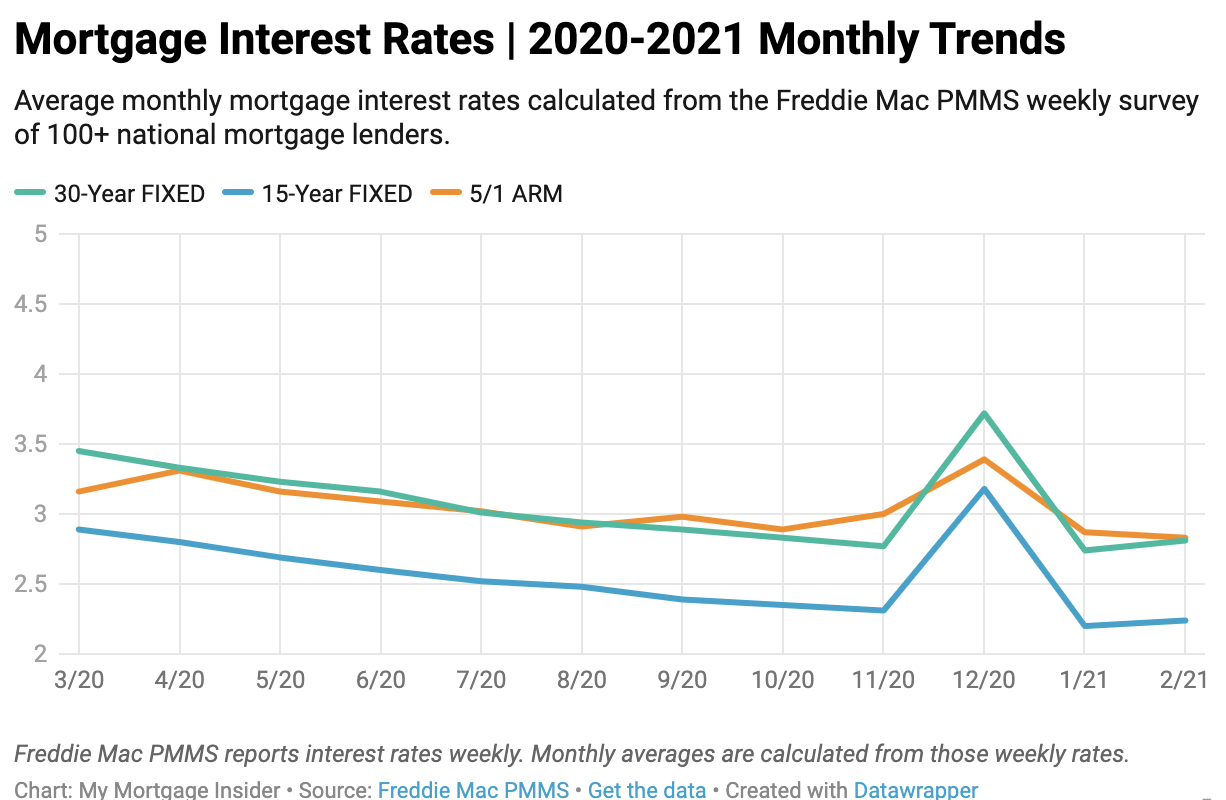
Unlike a static number, “the current interest rate” is a dynamic and multifaceted concept. There isn’t just one interest rate; rather, there’s a complex web of rates, each influenced by specific market conditions, lender policies, borrower creditworthiness, and, crucially, the broader economic environment. These rates are in a constant state of flux, responding to inflation, central bank decisions, geopolitical events, and shifts in supply and demand for capital. Understanding this intricate ecosystem is not just for economists or financial professionals; it’s essential knowledge for anyone looking to make informed financial decisions in an ever-changing landscape. This article will delve into what interest rates are, what drives them, their profound impact on various aspects of our financial existence, and how to navigate this crucial element of money management.
The Core of Finance: Demystifying Interest Rates
At its most basic, an interest rate represents the charge for borrowing money, expressed as a percentage of the principal amount. Conversely, it’s also the return earned on invested or saved money. This seemingly simple concept underpins virtually all financial transactions, from the smallest personal loan to the largest government bond issuance. However, the term “current interest rate” isn’t singular; it refers to a constellation of rates, each serving a distinct purpose and influencing different market segments.
What Exactly is an Interest Rate?
Imagine you borrow $100. If the interest rate is 5% per year, you’ll owe $5 in interest for that year, on top of repaying the original $100. Similarly, if you deposit $100 into a savings account with a 2% annual interest rate, your money will grow to $102 after one year. This percentage is typically annualized, meaning it represents the cost or return over a 12-month period, though interest can be calculated and compounded more frequently (e.g., monthly, quarterly). The calculation of interest can be simple (only on the principal) or compound (on the principal plus accumulated interest), with compounding being the more common method in modern finance, leading to faster growth of savings or higher costs of borrowing over time.
Key Benchmark Rates: The Federal Funds Rate and Prime Rate
While thousands of different interest rates exist, two benchmarks stand out for their widespread influence:
- The Federal Funds Rate: This is arguably the most significant interest rate in the U.S. financial system. It’s the target rate set by the Federal Reserve (the U.S. central bank) for overnight lending between commercial banks. Banks lend excess reserves to each other to meet reserve requirements. The Fed doesn’t directly set this rate, but influences it through open market operations (buying and selling government securities). Changes in the federal funds rate ripple throughout the economy, affecting other short-term rates and, eventually, long-term rates.
- The Prime Rate: This rate is the interest rate that commercial banks charge their most creditworthy corporate customers. It is heavily influenced by the federal funds rate; typically, the prime rate is approximately 3% higher than the federal funds rate. Many consumer loan products, such as credit cards, home equity lines of credit (HELOCs), and some personal loans, are often pegged to the prime rate. When the prime rate goes up, the cost of borrowing for these products typically increases for consumers.
Understanding these benchmarks is crucial because they serve as the foundation upon which many other rates – for mortgages, auto loans, savings accounts, and business loans – are built.
The Forces Behind the Numbers: What Drives Interest Rates?
Interest rates are not randomly generated; they are the result of a complex interplay of economic factors, central bank policies, and global events. Their dynamic nature reflects the constant adjustments markets make in response to new information and changing conditions.
Central Banks and Monetary Policy: The Federal Reserve’s Role
The most powerful influencer of interest rates in many countries is the central bank. In the United States, this is the Federal Reserve. Through its monetary policy tools, the Fed aims to achieve maximum employment, stable prices (low inflation), and moderate long-term interest rates. The primary tool is manipulating the federal funds rate target.
- Raising Rates: When the economy is overheating, inflation is a concern, or employment is robust, the Fed might raise rates. This makes borrowing more expensive, slowing down economic activity and theoretically curbing inflation.
- Lowering Rates: During economic downturns, to stimulate growth and encourage borrowing and spending, the Fed might lower rates. This makes money cheaper, incentivizing businesses to invest and consumers to spend.
Inflation Expectations: A Critical Factor
Inflation, the rate at which the general level of prices for goods and services is rising, is a powerful driver of interest rates. Lenders need to be compensated not only for the risk of lending but also for the erosion of their money’s purchasing power due to inflation. If lenders expect high inflation, they will demand higher interest rates to ensure they receive a real (inflation-adjusted) return on their money. Conversely, low inflation or deflationary expectations can put downward pressure on rates.
Economic Growth and Market Demand
A strong economy typically correlates with higher demand for loans, as businesses expand and consumers spend more. Increased demand for capital can push interest rates up. Conversely, during periods of slow economic growth or recession, demand for loans often diminishes, leading to lower rates as lenders compete for fewer borrowers. The supply of capital (from savers and investors) also plays a role; abundant capital can lower rates, while scarcity can raise them.
Global Economic Conditions and Geopolitics
Interest rates are not determined in a vacuum. Global economic growth, capital flows between countries, currency exchange rates, and geopolitical events (such as trade wars, political instability, or pandemics) can all impact domestic interest rates. For instance, if a country is seen as a safe haven during global uncertainty, capital might flow in, increasing the supply of funds and potentially lowering rates.
Interest Rates in Your Daily Financial Life
The impact of interest rates extends far beyond the headlines about central bank meetings. They directly affect the affordability of major purchases, the growth of your savings, and the financial health of businesses.
For Borrowers: Mortgages, Loans, and Credit Cards
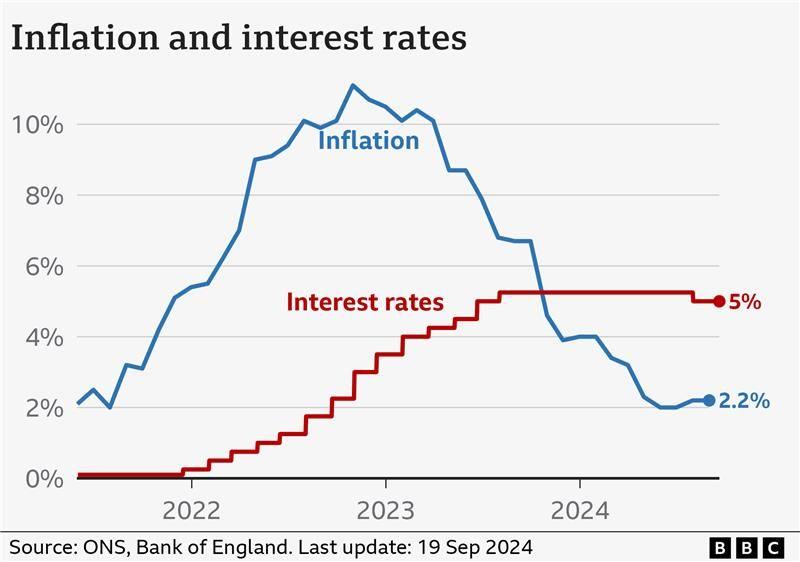
- Mortgages: For most people, a home is their largest asset, and a mortgage is their largest loan. Even a small change in mortgage interest rates can significantly alter monthly payments and the total cost of a home over its lifetime. Rising rates make homeownership more expensive, potentially cooling housing markets. Fixed-rate mortgages lock in a rate for the loan’s duration, while adjustable-rate mortgages (ARMs) fluctuate with market rates.
- Auto Loans and Personal Loans: Like mortgages, the interest rate on car loans and personal loans determines the monthly payment and the overall cost of borrowing. A higher rate means you pay more to finance your vehicle or personal expenses.
- Credit Cards: Credit card interest rates are typically variable and among the highest for consumer lending, often tied to the prime rate. Even a slight increase in market rates can lead to higher interest charges on outstanding credit card balances, making it harder for consumers to pay off debt.
For Savers and Investors: Growing Your Wealth
- Savings Accounts and Certificates of Deposit (CDs): For those looking to save money, higher interest rates mean higher returns on their deposits. High-yield savings accounts and CDs become more attractive during periods of rising rates, offering a greater incentive to save.
- Bonds: Bonds are essentially loans made to governments or corporations. Their interest rates (yields) move inversely to their prices. When overall interest rates rise, newly issued bonds offer higher yields, making older, lower-yield bonds less attractive and causing their prices to fall. This impacts bond investors, particularly those holding existing bonds.
- Money Market Accounts: These accounts offer a blend of savings account features and checking account convenience, often with rates that fluctuate with the market. Higher market rates typically mean better returns for money market account holders.
Impact on Businesses: From Startups to Corporations
Interest rates are a critical factor for businesses of all sizes.
- Cost of Capital: Businesses often borrow money for expansion, equipment purchases, inventory, or operational needs. Higher interest rates mean a higher cost of capital, which can reduce profitability, delay expansion plans, or make new projects unfeasible.
- Investment Decisions: When borrowing costs are low, businesses are more likely to invest in new projects, hire more employees, and innovate. Conversely, high rates can stifle investment and growth.
- Consumer Spending: Since interest rates affect consumer borrowing and saving, they indirectly influence consumer spending, which in turn impacts businesses reliant on consumer demand.
Finding and Interpreting Current Rates
Given the complexity and dynamism of interest rates, staying informed is key. There isn’t a single “current interest rate” to check, but rather a range of rates for different financial products and benchmarks.
Where to Find Reliable Rate Information
- Federal Reserve Website: For the official federal funds rate and economic data, the Federal Reserve’s website (federalreserve.gov) is the definitive source.
- Financial News Outlets: Reputable financial news websites (e.g., The Wall Street Journal, Bloomberg, Reuters, CNBC) regularly report on interest rate changes and provide analysis.
- Bank and Lender Websites: For specific product rates (mortgages, auto loans, savings accounts), directly check the websites of various banks, credit unions, and online lenders. Comparison sites can also be useful, but always verify directly with the lender.
- Government Treasury Websites: For bond yields, particularly U.S. Treasury yields, the U.S. Department of the Treasury website is the official source.
Understanding Rate Trends: Fixed vs. Variable
When evaluating interest rates, it’s crucial to understand the difference between fixed and variable rates:
- Fixed Rates: The interest rate remains constant for the entire term of the loan or deposit. This offers predictability but means you won’t benefit if rates fall or suffer if rates rise. Common for traditional mortgages, some personal loans, and CDs.
- Variable Rates: The interest rate can change over time, usually in response to a benchmark rate (like the prime rate or a specific index). This offers flexibility but introduces uncertainty regarding future payments or returns. Common for credit cards, HELOCs, and adjustable-rate mortgages.
Strategies for Navigating Any Rate Environment
Understanding interest rates empowers individuals and businesses to make strategic financial decisions. Your approach should adapt to whether rates are rising, falling, or stable.
When Rates Are Rising
- For Borrowers: Consider locking in fixed-rate loans (e.g., mortgages) if you anticipate further increases. Pay down variable-rate debt (credit cards, HELOCs) aggressively to minimize interest costs.
- For Savers/Investors: Look for high-yield savings accounts, money market accounts, or short-term CDs that can benefit from higher rates. Consider investing in instruments that perform well in a rising rate environment, though this often comes with other risks.
When Rates Are Falling
- For Borrowers: Consider refinancing existing fixed-rate loans (especially mortgages) to take advantage of lower rates and reduce monthly payments. Explore converting variable-rate loans to fixed rates if you believe rates will start rising again.
- For Savers/Investors: Be aware that returns on savings accounts and CDs will likely decrease. You might need to explore other investment avenues (like dividend stocks or real estate) to achieve desired returns, keeping risk tolerance in mind.
Long-Term Financial Planning
Regardless of the immediate rate environment, consistent long-term financial planning is paramount. This includes:
- Building an Emergency Fund: Having sufficient cash reserves reduces the need to borrow at potentially high rates during unexpected expenses.
- Diversifying Investments: Don’t put all your eggs in one basket. A diversified portfolio can help mitigate the impact of rate changes on specific asset classes.
- Monitoring Your Credit Score: A strong credit score always translates to better interest rates on loans, saving you thousands over time.
- Regularly Reviewing Your Financial Products: Periodically check if your savings accounts, loan rates, and credit card terms are still competitive.

Conclusion
The question “what is the current interest rate?” is not an inquiry with a simple, singular answer. It’s an invitation to explore the intricate machinery of finance, where numerous rates constantly shift and influence every economic decision. From the foundational federal funds rate set by central banks to the specific rates on your mortgage or savings account, these percentages dictate the cost of opportunity and the potential for growth.
By understanding the key drivers—monetary policy, inflation, economic growth, and global events—and by actively monitoring how these forces shape the rates relevant to your personal and business finances, you gain a significant advantage. Whether you are borrowing to purchase a home, saving for retirement, or making strategic investments, being informed about the current interest rate environment empowers you to make smarter, more effective financial choices. In the dynamic world of money, knowledge of interest rates is not just valuable; it is indispensable.
aViewFromTheCave is a participant in the Amazon Services LLC Associates Program, an affiliate advertising program designed to provide a means for sites to earn advertising fees by advertising and linking to Amazon.com. Amazon, the Amazon logo, AmazonSupply, and the AmazonSupply logo are trademarks of Amazon.com, Inc. or its affiliates. As an Amazon Associate we earn affiliate commissions from qualifying purchases.