
The dream of homeownership remains a cornerstone of financial aspiration for many, but the journey to securing a mortgage is intricately linked to one pivotal factor: interest rates. These rates dictate the cost of borrowing and can significantly impact the affordability of a home, as well as the long-term financial commitment involved. In the ever-evolving landscape of global economics, home loan interest rates are a dynamic variable, influenced by a complex interplay of monetary policy, inflation, economic health, and market sentiment. Understanding “what are current home loan interest rates” requires more than just a quick glance at today’s numbers; it necessitates a deeper dive into the forces shaping them and how prospective homeowners can navigate this crucial aspect of personal finance.

For much of the past decade, borrowers benefited from historically low interest rates, making homeownership more accessible and refinancing highly attractive. However, recent economic shifts have ushered in a new era, characterized by more elevated — and sometimes volatile — rate environments. Factors such as persistent inflation, the Federal Reserve’s aggressive tightening cycle, and global economic uncertainties have all played a role in redefining the cost of borrowing for a home. This article aims to demystify current home loan interest rates, offering insights into their underlying drivers, practical strategies for securing the best possible terms, and a glimpse into future trends, equipping you with the knowledge to make informed decisions on your path to homeownership.
Understanding the Dynamics of Home Loan Interest Rates
Home loan interest rates are not static figures; they are a direct reflection of broader economic conditions and specific policy decisions. Grasping the intricate dance between these variables is crucial for anyone looking to enter the housing market or considering refinancing.
The Federal Reserve’s Influence and Monetary Policy
At the heart of interest rate movements in the United States lies the Federal Reserve (the Fed). While the Fed doesn’t directly set mortgage rates, its monetary policy decisions exert a powerful indirect influence. The Fed’s primary tool is the federal funds rate, the target rate for overnight lending between banks. When the Fed raises this rate, it becomes more expensive for banks to borrow money, a cost that is then passed on to consumers in the form of higher interest rates across various lending products, including mortgages. Conversely, a reduction in the federal funds rate aims to stimulate borrowing and economic activity. In periods of high inflation, the Fed typically raises rates to cool the economy, thereby driving mortgage rates upward. Their dual mandate of maximizing employment and maintaining price stability often dictates these pivotal policy shifts, creating ripples throughout the financial system.
Inflation and Its Impact on Lending
Inflation, the rate at which the general level of prices for goods and services is rising, is a significant determinant of interest rates. When inflation is high, the purchasing power of money erodes over time. Lenders, to protect the real value of their returns, demand higher interest rates to compensate for the anticipated loss of value in the money they will be repaid. Essentially, they need a higher nominal return to achieve the same real return. Borrowers also face a higher cost of living, which can impact their ability to afford loan payments. Central banks, like the Fed, often combat high inflation by raising interest rates, which further reinforces this upward pressure on mortgage costs. A sustained period of high inflation almost invariably leads to a higher interest rate environment for home loans.
Economic Growth and Consumer Confidence
The overall health and growth trajectory of the economy also play a critical role. A robust economy, characterized by strong job growth and rising wages, typically leads to increased demand for housing. While this might seem positive, it can also contribute to inflationary pressures, prompting the Fed to raise rates. Conversely, during periods of economic slowdown or recession, the Fed might lower rates to stimulate borrowing and investment. Consumer confidence, a measure of how optimistic consumers are about the future state of the economy, influences spending and borrowing behavior. When confidence is high, people are more likely to make large purchases like homes, increasing demand and potentially influencing rates. Lender confidence in the economy also impacts their willingness to lend and at what rates.
The Role of the Bond Market
Beyond the Fed, the bond market, particularly the market for U.S. Treasury bonds, is a powerful indicator for mortgage rates. Mortgage rates, especially for fixed-rate mortgages, often track the yield on the 10-year Treasury note. When bond yields rise, mortgage rates tend to follow suit, and vice-versa. This correlation exists because mortgage-backed securities (MBS), which are bundles of mortgages sold to investors, compete with Treasuries for investor capital. If Treasury yields are attractive, investors will demand higher yields from MBS, pushing mortgage rates higher. Various factors can influence bond yields, including inflation expectations, global economic stability, and investor demand for safe assets. Therefore, keeping an eye on the bond market can offer valuable clues about the future direction of home loan interest rates.
Navigating Today’s Interest Rate Environment
The current economic climate presents a unique set of challenges and opportunities for prospective homeowners. Navigating this environment requires a clear understanding of the types of mortgages available and the factors that influence the specific rate you might be offered.
Fixed-Rate Mortgages vs. Adjustable-Rate Mortgages (ARMs)
One of the most fundamental decisions borrowers face is choosing between a fixed-rate mortgage and an adjustable-rate mortgage (ARM). A fixed-rate mortgage offers a consistent interest rate for the entire life of the loan, providing predictable monthly payments regardless of market fluctuations. This stability is highly valued in volatile rate environments, as it hedges against future rate increases. Common terms include 15-year and 30-year fixed mortgages.
Conversely, an ARM features an interest rate that is fixed for an initial period (e.g., 3, 5, 7, or 10 years) and then adjusts periodically based on a chosen index (like the Secured Overnight Financing Rate – SOFR) plus a margin. ARMs typically offer lower initial rates than fixed-rate mortgages, making them attractive for those who anticipate selling or refinancing before the fixed period ends, or for those who believe rates will fall in the future. However, they introduce the risk of higher payments if rates rise after the adjustment period. Understanding your long-term plans and risk tolerance is paramount when choosing between these two structures.
Current Trends and Projections
The last few years have seen significant shifts in interest rates. Following a period of historically low rates during the COVID-19 pandemic, the Federal Reserve embarked on an aggressive campaign of rate hikes to combat surging inflation. This led to a substantial increase in mortgage rates from their sub-3% lows to levels ranging from 6% to 8% or even higher, depending on market conditions, the specific product, and individual borrower profiles. As of the time of writing, rates remain elevated compared to the recent past, though they can fluctuate weekly or even daily based on economic data releases, Fed commentary, and geopolitical events. Projections often suggest a plateauing or modest decline in rates if inflation continues to cool and the Fed signals a pause or pivot in its monetary policy. However, significant economic shocks or persistent inflationary pressures could lead to further increases. It’s crucial to monitor reliable financial news and economic indicators to stay abreast of real-time trends.
The Importance of Your Credit Score
Your credit score is a critical factor that lenders use to assess your creditworthiness and, consequently, determine the interest rate you qualify for. A higher credit score (typically FICO scores above 740-760) signals to lenders that you are a responsible borrower with a low risk of default. This usually translates into access to the lowest available interest rates. Conversely, a lower credit score indicates higher risk, leading lenders to offer higher rates to compensate for that perceived risk, or even to deny the loan application altogether. Before applying for a mortgage, it is highly advisable to check your credit report for inaccuracies and take steps to improve your score, such as paying down debt, making payments on time, and avoiding opening new credit lines.
Down Payments and Loan-to-Value (LTV) Ratios
The size of your down payment significantly impacts your loan-to-value (LTV) ratio, which is another key determinant of your interest rate. LTV is calculated by dividing the loan amount by the home’s appraised value. A lower LTV (meaning a larger down payment) indicates less risk for the lender, as you have more equity in the home from the outset. Borrowers who can make a down payment of 20% or more typically qualify for better interest rates and may avoid paying for private mortgage insurance (PMI). While some loan programs allow for very low or even no down payments, these often come with higher interest rates and additional costs, reflecting the increased risk for the lender. Maximizing your down payment can be a powerful strategy for securing a more favorable interest rate.
Strategies for Securing Favorable Rates
In an environment where interest rates are a significant component of homeownership costs, being proactive and strategic can lead to substantial long-term savings. Securing the best possible rate requires diligent preparation and informed decision-making.
Shopping Around and Comparing Lenders
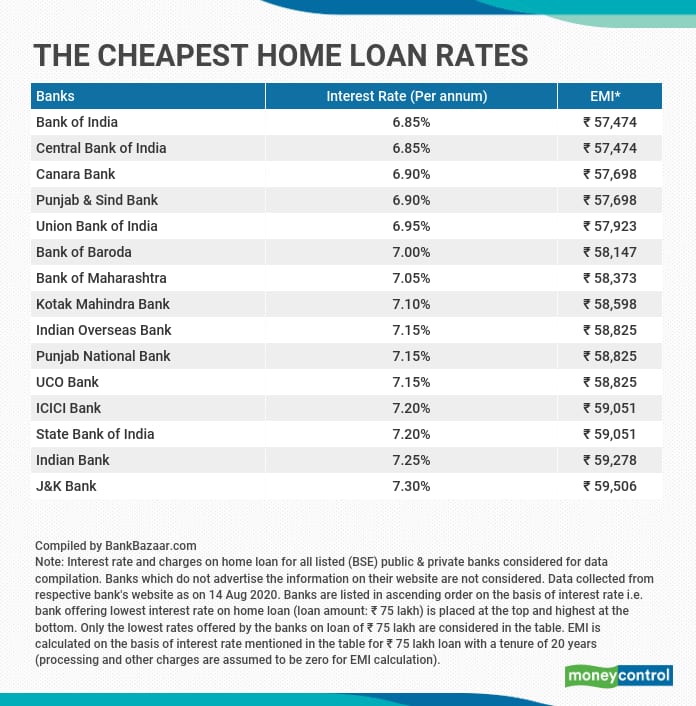
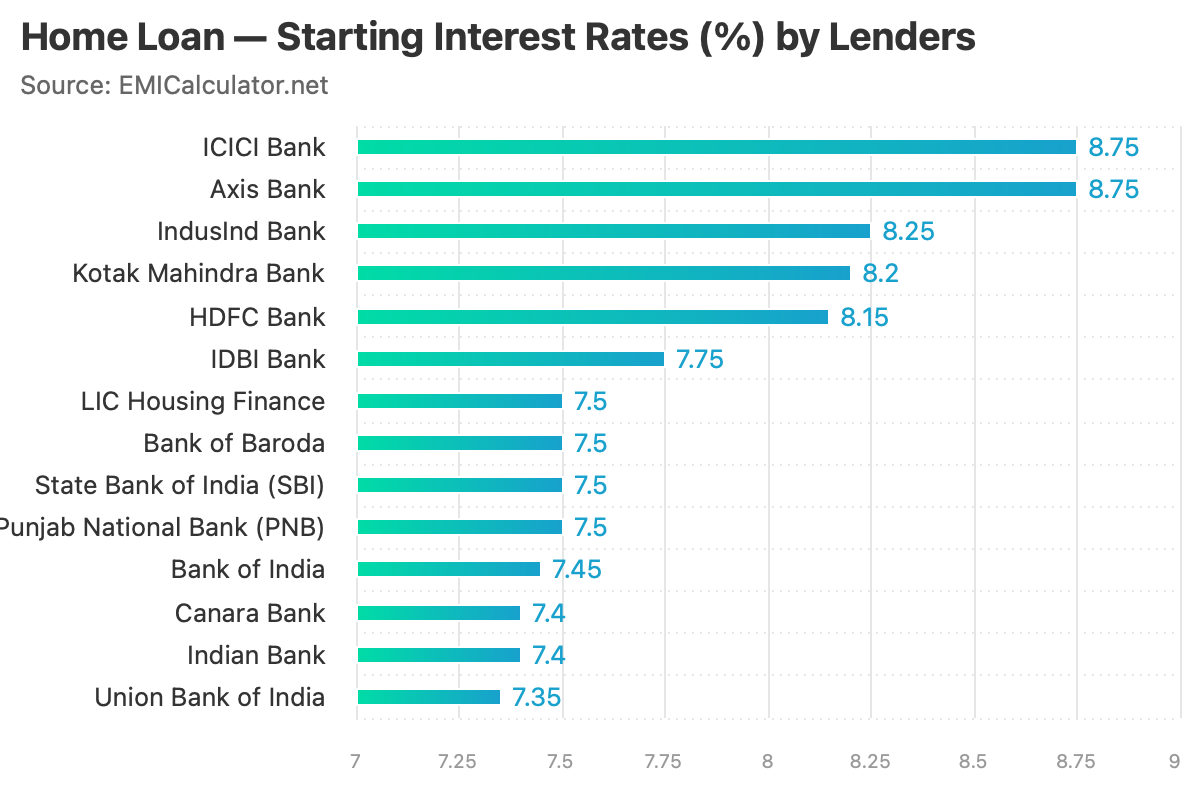
One of the most impactful strategies is to shop around and obtain quotes from multiple lenders. Interest rates and loan terms can vary significantly between different banks, credit unions, and mortgage brokers, even for the same borrower profile on the same day. What one lender offers as their “best rate” might be higher than another’s. Applying to several lenders within a short window (typically 14-45 days, depending on the credit scoring model) will usually be counted as a single hard inquiry on your credit report, minimizing the impact on your score. This allows you to compare not only interest rates but also origination fees, closing costs, and customer service quality, ensuring you find the most competitive overall package. Don’t settle for the first offer; negotiation is often possible.
Improving Your Financial Profile
As discussed, your financial health directly correlates with the interest rate you receive. Prior to applying for a mortgage, take concrete steps to strengthen your financial profile. Focus on improving your credit score by paying bills on time, reducing high-interest debt, and disputing any errors on your credit report. Lenders also review your debt-to-income (DTI) ratio, which compares your monthly debt payments to your gross monthly income. A lower DTI ratio (ideally below 36%, though some programs go higher) demonstrates your ability to manage debt and reduces perceived risk. Saving for a larger down payment also significantly enhances your appeal to lenders and lowers your LTV ratio, often unlocking access to lower rates and better terms.
Locking in Your Rate: When and How
Once you’ve found a favorable rate and submitted your application, lenders typically offer a “rate lock.” This agreement guarantees your interest rate for a specific period, usually 30, 45, or 60 days, while your loan is being processed. A rate lock protects you from rising rates during the underwriting period. However, it also means you won’t benefit if rates fall during that time. The decision of when to lock often depends on your outlook for interest rates. If you believe rates are poised to rise, locking sooner is prudent. If you think they might fall, you might consider a shorter lock or even a float-down option (if available), which allows you to secure a lower rate if market rates drop before closing. Always understand the terms and duration of your rate lock agreement.
Understanding Loan Costs Beyond the Interest Rate
While the interest rate is undeniably crucial, it’s essential to look at the total cost of the loan. Other charges, collectively known as closing costs, can significantly impact the overall expense. These include origination fees, appraisal fees, title insurance, attorney fees, and points (prepaid interest). Points, in particular, are an important consideration: you can often “buy down” your interest rate by paying discount points upfront. Each point typically costs 1% of the loan amount and reduces your interest rate by a certain fraction. Whether buying points is financially advantageous depends on how long you plan to stay in the home and the break-even point of the reduced monthly payment versus the upfront cost. A detailed Loan Estimate from each lender will help you compare all associated costs beyond just the interest rate.
Future Outlook and Long-Term Considerations
The housing market and interest rate environment are constantly in flux. While no one has a crystal ball, understanding potential future scenarios and long-term implications is vital for making sound financial decisions related to homeownership.
Potential Scenarios for Interest Rate Fluctuations
The trajectory of home loan interest rates in the coming years will largely hinge on a few key economic indicators and central bank policies. If inflation continues its downward trend and the economy experiences a soft landing (a slowdown without a severe recession), the Federal Reserve might eventually begin to cut rates. This would likely lead to a moderate decrease in mortgage rates, making homeownership more affordable. However, if inflation proves more stubborn or if a significant economic downturn occurs, the Fed’s response could vary. A deep recession might prompt more aggressive rate cuts, while persistent inflation could necessitate maintaining higher rates for longer. Geopolitical events, global supply chain disruptions, and unexpected shifts in consumer behavior can also introduce volatility. Monitoring expert forecasts and reputable economic reports can help you anticipate potential shifts.
Refinancing Opportunities
For current homeowners, fluctuating interest rates can present significant refinancing opportunities. If you purchased your home with a higher interest rate and rates subsequently drop, refinancing could allow you to secure a lower rate, thereby reducing your monthly mortgage payments and the total interest paid over the life of the loan. Refinancing also offers options to change loan terms (e.g., from a 30-year to a 15-year mortgage) or to convert from an ARM to a fixed-rate mortgage for greater stability. However, refinancing involves closing costs, so it’s crucial to calculate the break-even point—how long it will take for the savings from the lower interest rate to offset the refinancing costs. Tools like refinance calculators can help determine if refinancing makes financial sense for your specific situation.
The Long-Term Impact on Homeownership Affordability
The prevailing interest rate environment has profound long-term implications for homeownership affordability. Higher rates increase monthly payments, reducing the purchasing power of buyers and making it more challenging to afford a home, especially in markets with appreciating property values. This can lead to a cooling of the housing market, as fewer buyers qualify or are willing to pay the higher costs. Conversely, lower rates boost affordability, stimulating demand. For individual homeowners, securing a favorable rate early on can save tens, if not hundreds, of thousands of dollars over the loan’s lifetime. It also builds equity faster and provides greater financial flexibility. Therefore, understanding interest rate trends is not just about the immediate purchase but about the sustained financial health of your homeownership journey.
Conclusion
Navigating the landscape of home loan interest rates is a critical component of successful personal finance, particularly when embarking on the significant endeavor of buying a home. “What are current home loan interest rates?” is a question whose answer is ever-changing, shaped by the powerful forces of the Federal Reserve’s monetary policy, the persistent presence of inflation, the ebb and flow of economic growth, and the intricate signals from the bond market.
While recent years have ushered in an era of higher borrowing costs compared to the ultra-low rates of the past, strategic awareness remains your most potent tool. By understanding the distinction between fixed-rate and adjustable-rate mortgages, diligently working to improve your credit score and down payment, and proactively shopping around for the most competitive offers, you empower yourself to secure the most favorable terms possible. Furthermore, anticipating future trends and considering opportunities like refinancing can transform current challenges into long-term financial advantages.
Ultimately, the journey to homeownership is a long-term financial commitment. An informed approach to interest rates—understanding not just what they are today, but why they are what they are, and where they might be headed—will not only save you money but also instill confidence in one of the most significant financial decisions of your life. Staying engaged with economic news, consulting with financial advisors, and leveraging available tools will ensure you are well-prepared to make the best decisions for your financial future and your home.
aViewFromTheCave is a participant in the Amazon Services LLC Associates Program, an affiliate advertising program designed to provide a means for sites to earn advertising fees by advertising and linking to Amazon.com. Amazon, the Amazon logo, AmazonSupply, and the AmazonSupply logo are trademarks of Amazon.com, Inc. or its affiliates. As an Amazon Associate we earn affiliate commissions from qualifying purchases.